The Garden Pests That Tested My Patience and How I Learned to Handle Them
Every gardener knows the joy of seeing young plants grow strong and green, but we also know the frustration that follows when pests show up.
My garden in Chicago has always given me comfort, but it has also tested my patience more than once. Some seasons feel calm, while others feel like a constant battle between me and creatures that see my garden as an open buffet.
For a long time, I thought pests were a sign that I’d done something wrong. I watered correctly, kept the soil healthy, and chose strong varieties.
Yet every year, a new problem showed up. Over the past few years, I learned that pests aren’t a sign of failure. They’re simply part of nature, and learning to manage them gently is part of being a gardener.
Aphids – The Tiny Invaders I Didn’t Expect
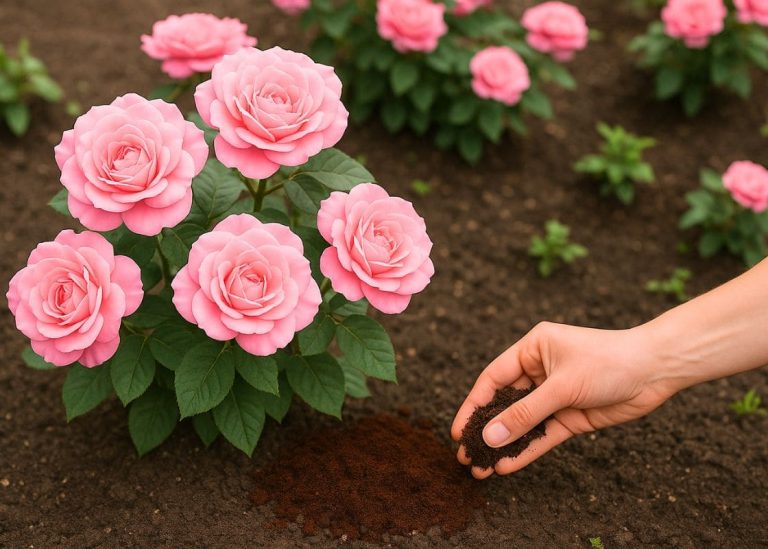
Aphids were the first garden pests that truly confused me. They showed up quietly one spring, clustered on the underside of my rose leaves.
The leaves curled, the new growth looked weak, and the plant seemed tired. At first, I didn’t even notice them. It was only when I ran my fingers across the leaves and felt a sticky residue that I looked closer.
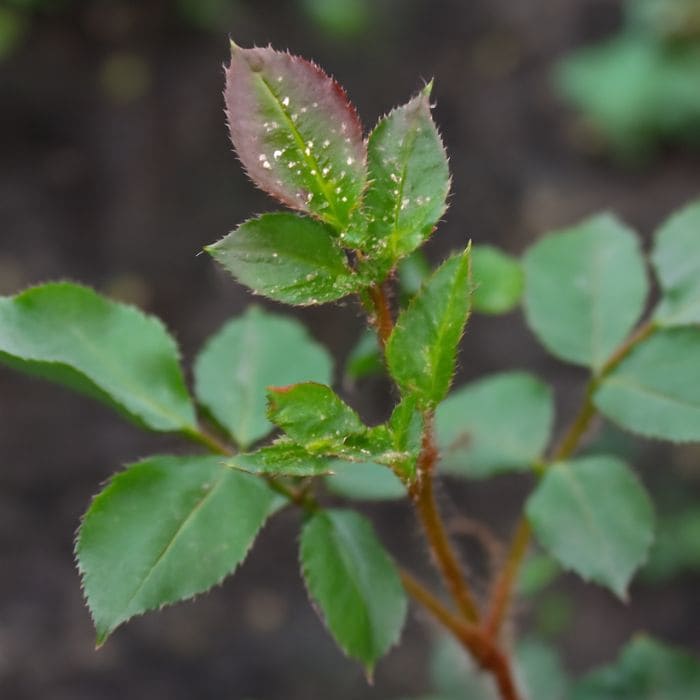
Treating aphids became one of my first real pest lessons. I started by spraying the leaves with a steady stream of water to knock them off. It worked better than I expected. When they returned (because they always return at least once) I tried a gentle soap-and-water spray. That simple mixture removed them without harming the roses.
Over time I learned another trick: ladybugs find aphids irresistible. I planted more dill and fennel nearby, and the ladybugs arrived naturally. Once they settled in, the aphids never caused major trouble again.
Slugs – The Silent Nighttime Thieves
Slugs have a way of finding the softest, most tender leaves in the entire garden. They especially love my lettuce and young basil. During one rainy summer, I would walk outside in the morning and find half-moon bites missing from almost every leaf. I felt defeated and wondered how something so slow could cause such fast damage.
Then I started to understand their habits. Slugs hide during the day, so the key is to handle them at night or early in the morning.
I began clearing mulch away from the base of delicate plants so there were fewer hiding spots. I also placed small pieces of broken terracotta and wood near the beds. Slugs crawl under them for shade, and I could lift the pieces and remove the slugs easily.
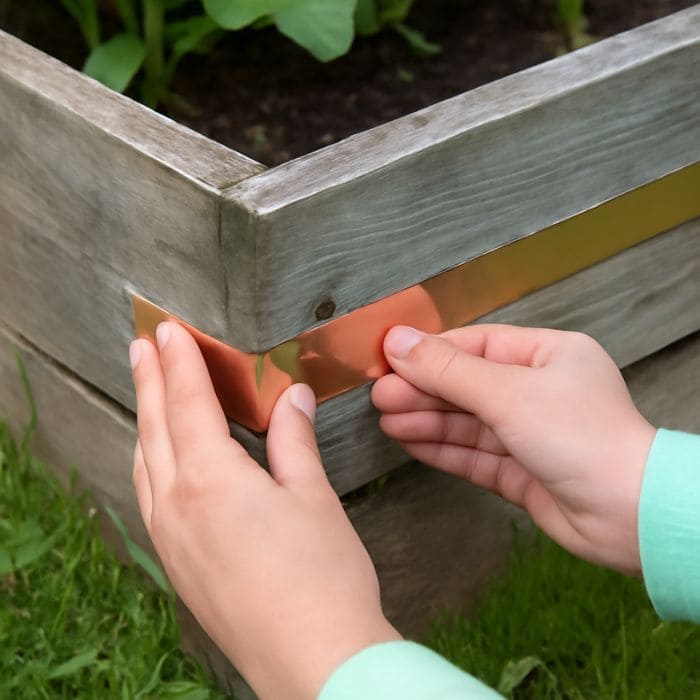
The biggest improvement came the year I added copper tape around my raised beds. Slugs dislike crossing copper, and that alone protected most of the soft young plants from heavy damage.
Spider Mites – The Quiet Trouble During Hot Weather
Spider mites are nearly invisible, and that’s what makes them so tricky. Hot, dry days bring them out, and one year they covered my tomatoes so quickly I didn’t understand what was happening.
The leaves developed tiny yellow specks, almost like dust. When I shook a leaf and noticed the slightest movement, I realized my problem.

I tried to water as much as possible. Spider mites thrive in dry conditions, so I misted the undersides of the leaves every evening. I also increased my watering slightly to raise the humidity around the plants. Within a week, the infestation slowed down.
To prevent future outbreaks, I planted marigolds and basil nearby, which naturally discourage mites. Now, whenever the weather turns hot and dry, I check the leaves daily so I can act early.
Cabbage Worms – The Pests That Love My Greens as Much as I Do
The first time I saw a cabbage worm on my kale, I almost missed it. It was the same shade of green as the leaf, and it hid in the center like it owned the plant.
Over the next weeks, more appeared, and I finally understood why my leafy greens suddenly looked like someone had cut holes with a small pair of scissors.

I inspect the plants regularly, especially early in the morning when the worms are slower. I remove them by hand and drop them into a bucket of soapy water. It’s not the prettiest task, but it works.
I also discovered that floating row covers prevent the moths from laying eggs on the plants in the first place. Once I began covering the beds during the early growing stages, the problem became much easier to manage.
Cutworms – The Ones That Cut Seedlings Overnight

Cutworms caused one of the most heartbreaking experiences in my garden. I planted a row of young marigolds, admired them in the evening and the next morning several were cut clean at the base.
I learned quickly that cutworms hide in the soil during the day and feed at night. The best trick I found was placing small collars around new seedlings.
I made them from cardboard or recycled paper cups with the bottoms removed. These simple collars prevent cutworms from wrapping around the stems. It’s such a small barrier, but it stopped the problem entirely.
Tomato Hornworms – Beautiful but Destructive
Tomato hornworms look impressive when you see one for the first time. They’re large, green, and almost perfectly camouflaged among tomato vines.
I discovered my first hornworm on a summer morning when half a tomato branch was stripped of leaves. When I bent closer, I spotted the worm sitting confidently on a stem thicker than a pencil.

Removing them by hand became the easiest solution. They’re big but harmless, and once you get past their size, they’re simple to manage.
Plus, planting dill and basil nearby also helped reduce the number of worms. I saw that certain wasps naturally control hornworms by laying eggs on them, and those wasps love dill. The more I planted, the fewer hornworms I found.
What These Garden Pests Taught Me
Managing pests taught me patience and observation more than anything else. I stopped expecting the garden to be perfect. Instead, I learned to respond early, stay consistent, and avoid rushing into harsh treatments.
The garden is a living place, and pests are part of that life. When I handle them gently and in balance with nature, the garden recovers beautifully.