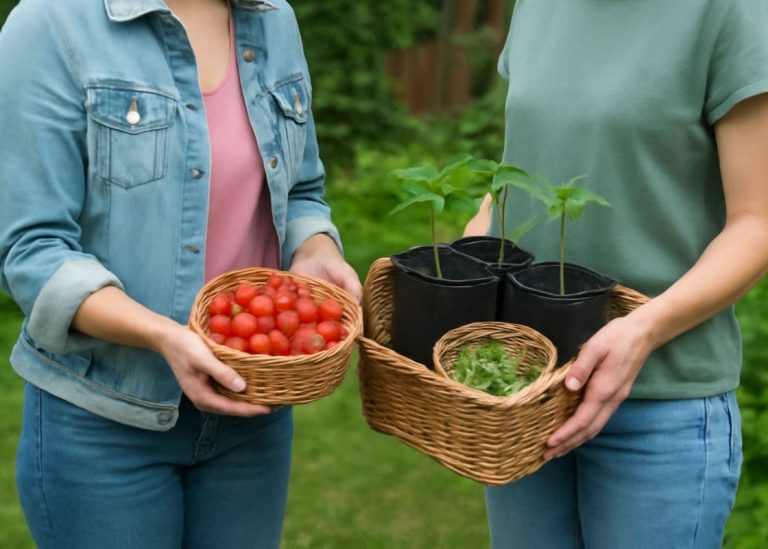
The First Gardening Steps I Wish Someone Told Me
I’ve shared many stories from my garden such as the mistakes, the little victories, the tricks I’ve picked up from neighbors, and the gentle lessons hidden in the soil. But recently I realized something important.
Many people who follow my blog are just starting their gardening journey. They’re still learning what to plant, when to plant it, and how to understand the rhythm of a garden. Some of them love nature deeply but don’t know how to take that love and turn it into real steps.
A few readers messaged me saying they tried gardening once, it didn’t work, and they felt discouraged. That stayed with me for days.
I remembered my own early seasons with the wilted seedlings, the overwatered pots, the soil that wasn’t right, and the harvests that never came. Gardening can feel so confusing at the beginning, not because it’s difficult, but because you don’t yet know what matters most.
So this story is for the beginners. These simple steps are the things I wish someone had explained to me when I was just getting started.
Step 1: Start Small Enough to Learn, Not Large Enough to Stress
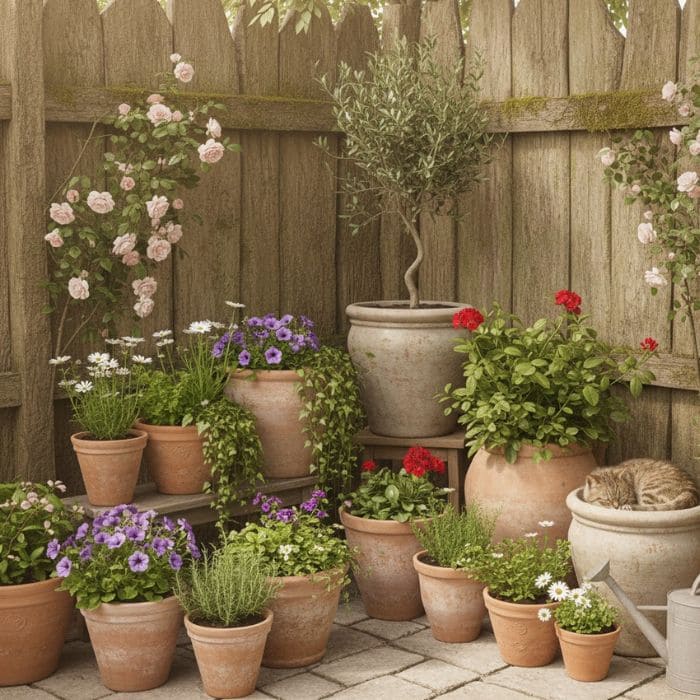
Many new gardeners believe they need a big garden to feel successful. But the truth is, small spaces teach better lessons.
A few pots, one raised bed, or a corner of soil is enough for your first season. When the space is manageable, you can easily notice changes like new leaves, dry soil, early pests and respond before things go wrong.
Step 2: Choose Beginner-Friendly Plants That Forgive Mistakes
Not every plant is kind to beginners. Some demand constant attention, while others quietly thrive with minimal care. For a first garden, I always suggest starting with a few reliable choices:
- Tomatoes (cherry types are the easiest and most generous)
- Basil, mint, or chives (herbs grow fast and make you feel successful early)
- Lettuce or spinach
- Zinnias or marigolds for color and pollinators
These plants respond well even if watering isn’t perfect or if sunlight varies. Seeing something grow quickly gives you encouragement, which is important when everything feels new.
Step 3: Give the Soil More Attention Than the Plants
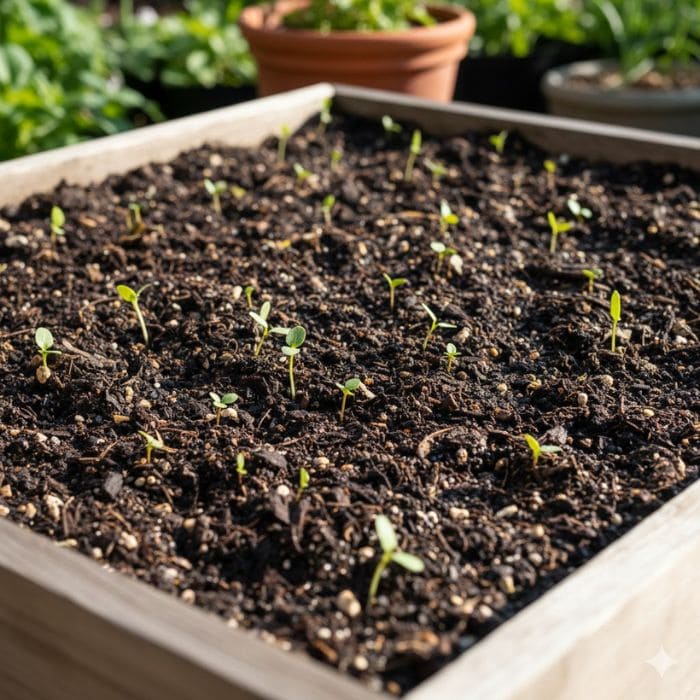
Most beginners think success depends on watering and sunlight. Those matter, but soil is the real foundation. Plants grown in poor soil struggle from the start.
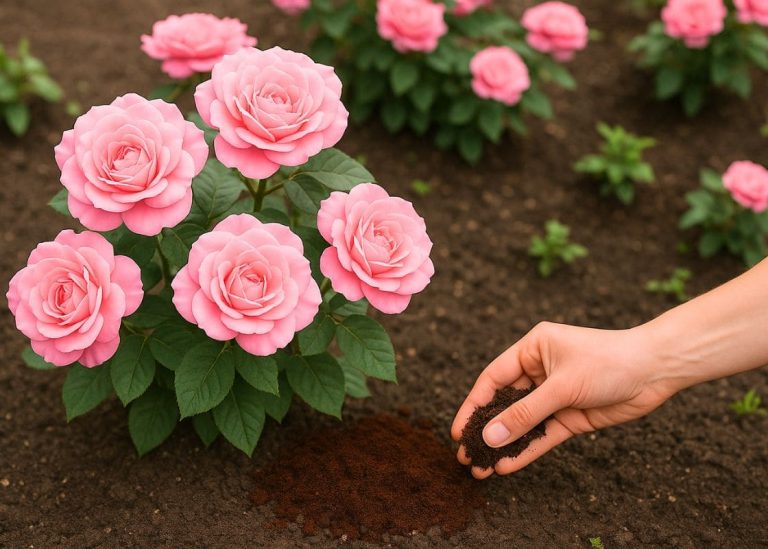
You don’t need anything expensive or complicated, just a bag of quality potting mix for containers or a layer of compost mixed into a garden bed makes a huge difference.
Healthy soil holds moisture without drowning roots. It drains well, it stays loose when pressed and when soil feels alive, the plants usually follow.
One of the biggest beginner mistakes is planting into old, compacted ground with no adjustments. Starting with fresh soil sets you ahead before the first seed even sprouts.
Step 4: Learn How to Water the Right Way
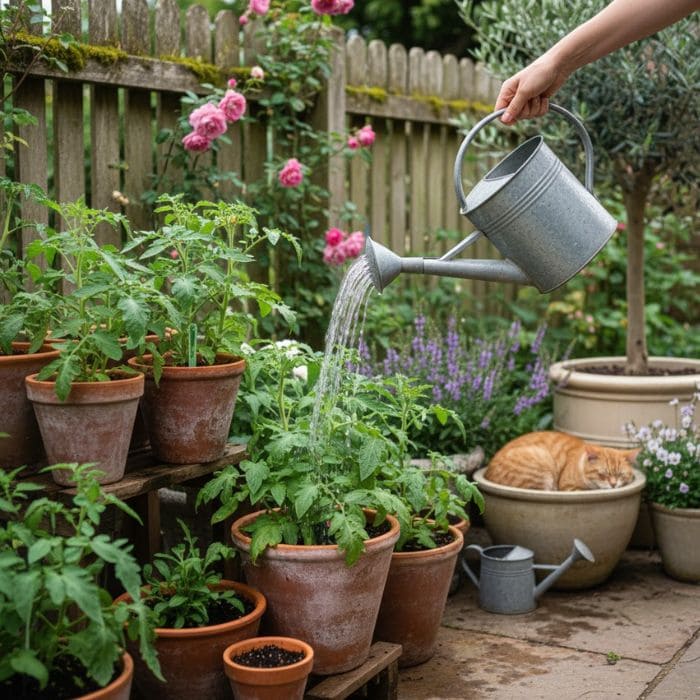
Watering seems simple until you realize it’s where many beginners struggle the most. Plants don’t want constant wetness, but they don’t handle dryness well either.
Instead of watering by schedule, water by observation. I often water deeply but less often. This encourages roots to grow downward instead of staying near the surface.
I tap the soil with my fingers. If the top inch feels dry, it’s time to water. If it still feels slightly cool or moist, I wait. This small habit prevents root rot, disease, and stunted growth more than any fertilizer ever could.
Step 5: Grow What You Love, Not What You Think You Should Grow
I’ve seen many beginners choose plants that don’t excite them, which makes it easier to lose motivation. If you love tomatoes, start with tomatoes.
If herbs make you happy, begin there. If flowers brighten your day, plant something colorful.
Passion keeps you involved when the weather is too hot, when pests show up, or when the soil looks tired. Love for a plant can push you to learn how to care for it much faster than obligation ever will.
Step 6: Learn a Little Sunlight Logic
The easiest place to begin is simply observing how the light moves through your space during the day. Morning light is gentle, which makes it ideal for plants that prefer cooler conditions, such as lettuce or cilantro.
Afternoon light is stronger and warmer, so sun-loving plants like tomatoes, peppers, and cucumbers usually thrive where the sun lingers longest.
Many beginners don’t realize that filtered or dappled sunlight can still support healthy growth. Herbs like mint, chives, dill, and some flowers grow well under branches or beside fences where the light comes and goes.
A helpful way to think about it is this: plants grown for fruit need the brightest spots, and plants grown for leaves can tolerate areas that don’t stay sunny all day.
Step 7: Start With Seedlings When You Need Confidence
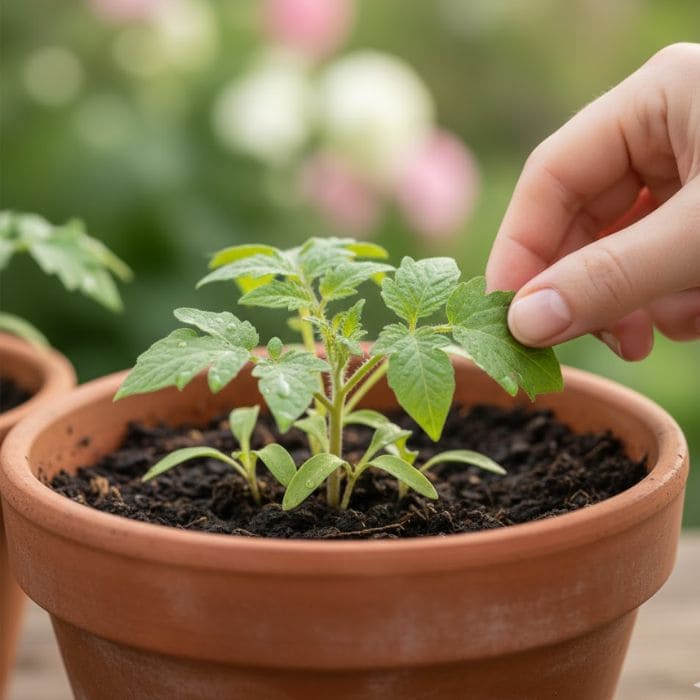
Growing from seeds is exciting, but it can feel unpredictable when you’re brand new. Using seedlings gives beginners a strong starting point because the toughest stage (sprouting) has already happened.
A seedling allows you to focus on care instead of worrying about whether the seed will germinate. When choosing seedlings, look for young plants that appear firm, upright, and green.
A plant that is too tall and thin may have been stretching for light, and roots that circle tightly inside the pot might struggle when transplanted.
Healthy seedlings usually adjust quickly once planted in the garden or in containers, and their early growth gives beginners a sense of progress that keeps motivation strong.
Step 8: Feed Plants Lightly and Consistently
Plants simply appreciate steady, gentle nourishment during their active growing months. Instead of giving one heavy feeding that overwhelms the soil, I prefer small, regular doses spread throughout the season.
It also helps to feed after watering rather than before, because moist soil distributes the nutrients more evenly.
Fruiting plants like tomatoes or peppers often appreciate an extra boost once flowers appear, while herbs and greens usually respond well to a simple, balanced formula.
If a plant seems stressed, it’s often better to adjust watering or sunlight before reaching for fertilizer, because nutrient issues are only one piece of the picture.
Step 9: Give Plants Enough Space to Grow Naturally
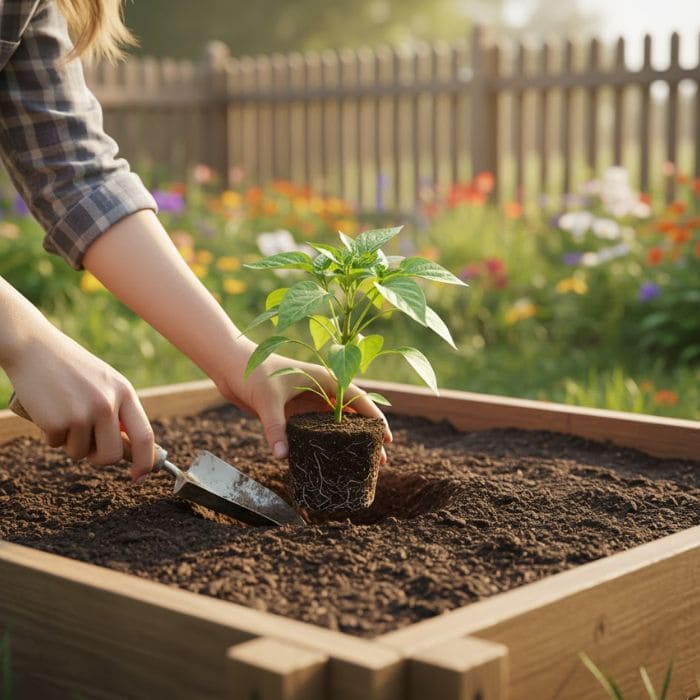
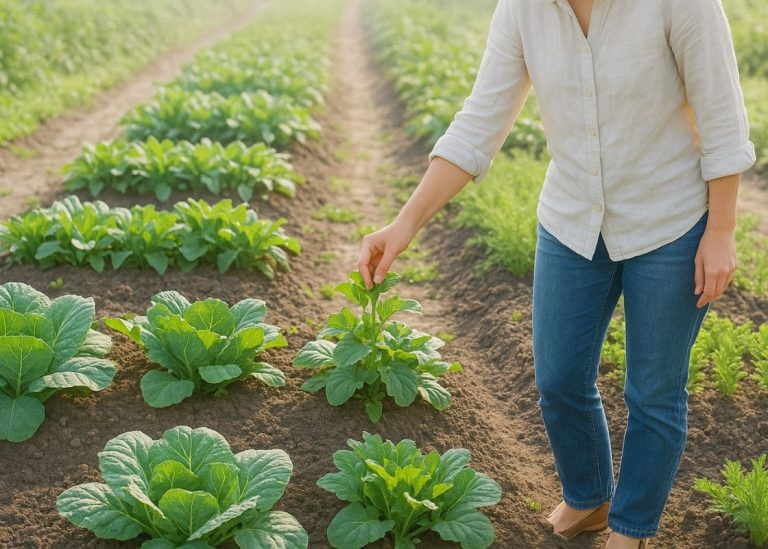
Plants may look tiny on planting day, but they grow quickly and need proper room for air to move between their leaves. When too many seedlings are packed together, moisture lingers, pests hide more easily, and the plants begin to compete for every bit of light, water, and nutrition.
Spacing plants generously helps prevent these problems. Tomatoes eventually need wide room to branch out, peppers grow fuller than they appear early on, and even herbs such as basil turn into compact, leafy mounds when given space.
Thinking ahead to the plant’s full size helps you avoid the frustration of tangled stems and poor airflow later in the season.
Step 10: Keep Simple Notes That Make the Next Season Easier
Even experienced gardeners forget what they planted where or how the weather behaved in a particular year. Keeping a small set of notes makes each new season smoother.
You can write down where each plant went, how often you watered during hot weeks, when certain plants began to struggle, or which ones surprised you with strong growth.
These quick observations build your understanding far more effectively than trying to remember everything months later. When you look back the following spring, patterns become clear.
Certain corners of the garden may stay cooler, some pots might dry faster, and certain crops might thrive even in difficult conditions. Those details help you make better choices without guessing.