Here’re Ways I Actually Use Eggshells in My Garden
Eggshells were never something I paid much attention to until I noticed how many gardeners talked about their benefits. People often mentioned calcium, soil improvement, or pest control, yet my first attempts never gave the results I expected.
I rinsed the shells, crushed them roughly, scattered them around tomatoes and peppers, and waited for magic that never happened. Days passed, then weeks, and nothing visibly improved.
The plants looked the same, the soil didn’t change, and any pests still behaved as they normally would. Instead of giving up, I started adjusting the way I handled the shells.
Once the method was right, things finally made sense. Eggshells really can help the garden, but they need to be used in ways that let the plants access the minerals inside them.
Recently, I have settled into several techniques that genuinely make a difference in my beds.
1. Turning Eggshells Into Fine Powder
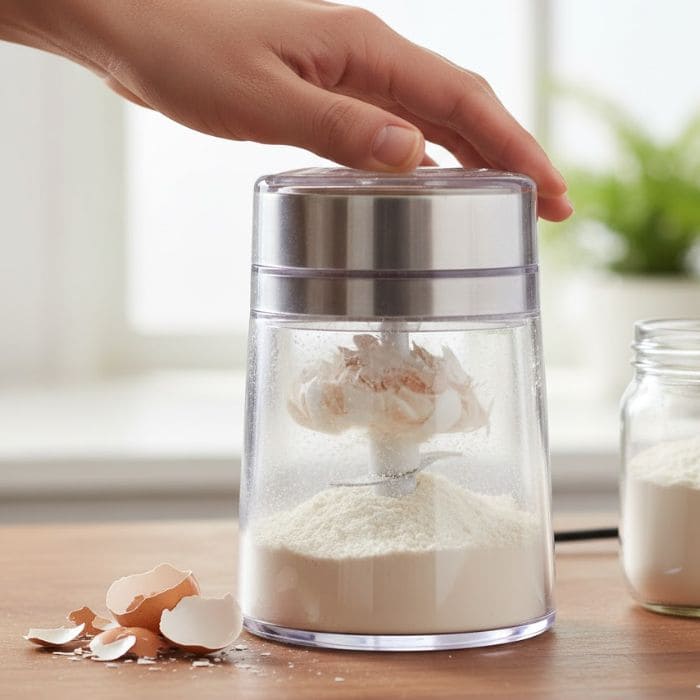
The method that changed everything was learning to break the shells down much smaller than I ever had before.
After washing them and letting them dry, I grind them into a fine powder using a small kitchen grinder. The texture becomes close to sand, nothing like the sharp chunks I used to toss on the soil.
The powder blends easily into planting holes, and the calcium becomes available far more quickly. I usually add a spoonful directly where tomatoes, peppers, or squash will root.
Once I started doing this, the seedlings developed sturdier stems and the soil stayed much more balanced. This step takes very little time, yet it has been the most effective way I’ve used eggshells so far.
2. Making Eggshell Water for a Gentle Calcium Boost
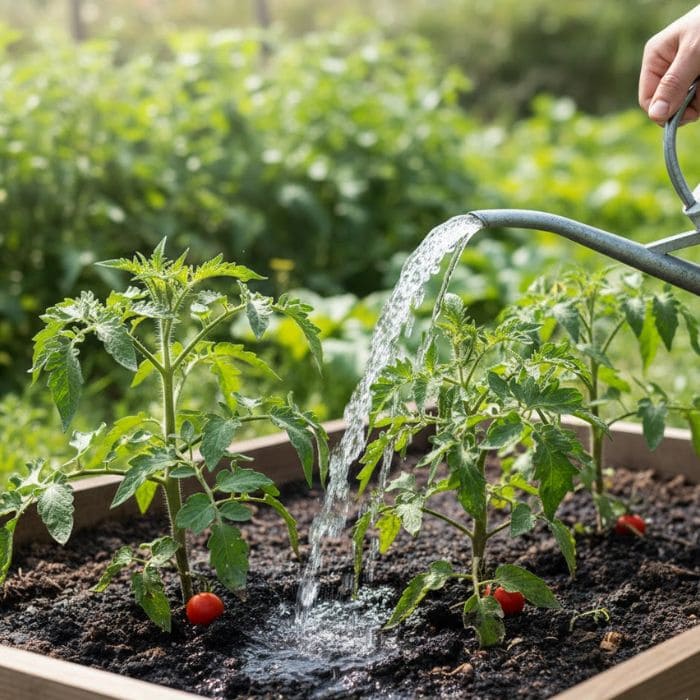
During one growing season, my tomatoes developed pale patches near the base of the fruit, an early sign that the plant wasn’t moving calcium efficiently.
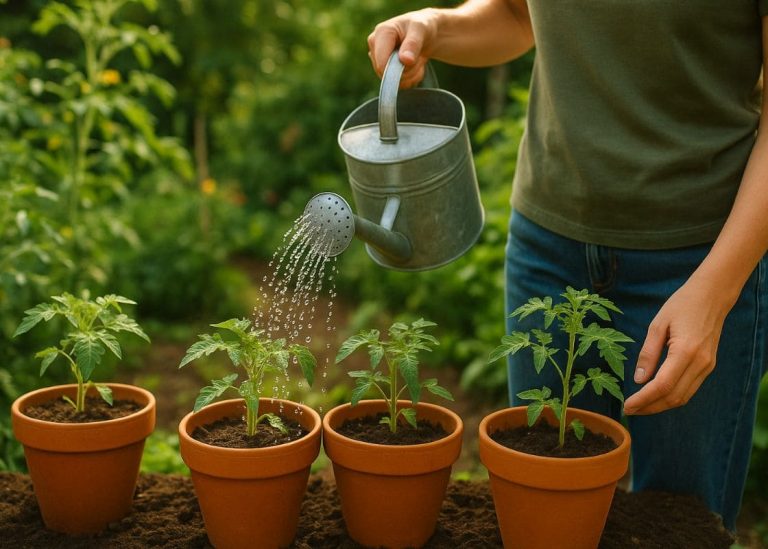
Instead of buying supplements, I decided to simmer several handfuls of clean, dry shells in water for about ten minutes. After the liquid cooled, I strained it and used it to water the soil around my fruiting plants.
This method doesn’t fix problems overnight, but it helps stabilize the soil in a slow, steady way. I repeat it every few weeks early in the season, especially when I know the plants are developing fruit.
3. Mixing Crushed Shells Into the Compost Pile
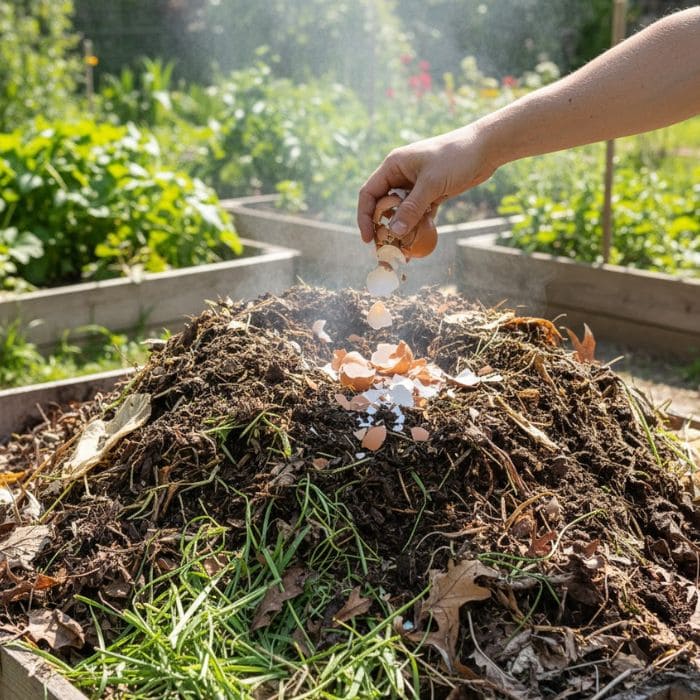
Every week, I collect eggshells in a small container near the sink. Once it fills up, I crush the shells lightly and toss them into the compost bin.
Gradually, the shells soften, break down, and blend with the rest of the organic matter. When the compost is ready, the tiny shell pieces add texture and help improve soil structure.
This method doesn’t give immediate results, but it contributes to long-term soil health. My compost-rich beds feel lighter and more workable, especially where I grow root vegetables. Eggshells blend into that improvement naturally.
4. Adding a Little Powder to Indoor Seed Starting Mixes
When I start seeds indoors in late winter, the potting mix is usually very light and doesn’t offer much nutrition.
A small pinch of eggshell powder gives the young roots something to draw from as they develop. I mix it evenly into the seed-starting soil before filling the trays.
This doesn’t replace fertilizer, but it provides a gentle foundation that helps the seedlings grow thicker stems and stronger roots. The difference is most noticeable in tomatoes and peppers, which appreciate a little extra calcium during their early stages.
5. I Stopped Doing Using Large Shell Pieces as Pest Barriers
One of the most common suggestions online is using broken shells to keep slugs away. I tried this for several seasons by scattering sharp pieces around lettuce and strawberries.
In my garden, the method never worked. Rain softened everything quickly, and the slugs crossed right over the shells without hesitation.
After seeing the same results year after year, I replaced this method with more reliable options like copper tape and diatomaceous earth. Eggshells now stay focused on improving soil health rather than acting as pest deterrents.
Yes I Was on the Right Path
Late last spring, I was preparing a planting bed for tomatoes when Shelly walked over and watched me mix eggshell powder into the soil. She asked what difference it made and why I bothered grinding them so small.
I explained the reasoning and showed her the powdery texture. She tried the same method that season, and a few weeks later she mentioned that her tomato seedlings looked stronger than in previous years.
We ended up talking about how many gardening tips sound helpful until you try them and discover they weren’t being used in the right way.
That short conversation reminded me why I enjoy sharing experiences, someone else can benefit from the small adjustments that took me seasons to figure out.