The Tomato Trick My Neighbor Taught Me And It’s Truly Effective
For years, I planted tomatoes the same way every gardener around me did. I bought young plants from the nursery every spring, cleared a spot in the garden, and set them directly into the soil.
The plants grew, they produced fruit, and I felt satisfied with the results. But one afternoon, while I was tending the herbs near my fence, my neighbor Shelly leaned over and asked me a question that shifted everything.
She said, “Have you ever tried growing tomatoes from slices instead of seedlings?” When she didn’t have time to shop for plants, so she cut a ripe tomato into thin slices, buried them shallowly in a tray of soil, and watched dozens of little sprouts push through within a week.
The more she talked about it, the more curious I became. I had never thought about using a tomato itself to grow new plants, even though it made perfect sense.
Trying the Tomato Slice Method for the First Time
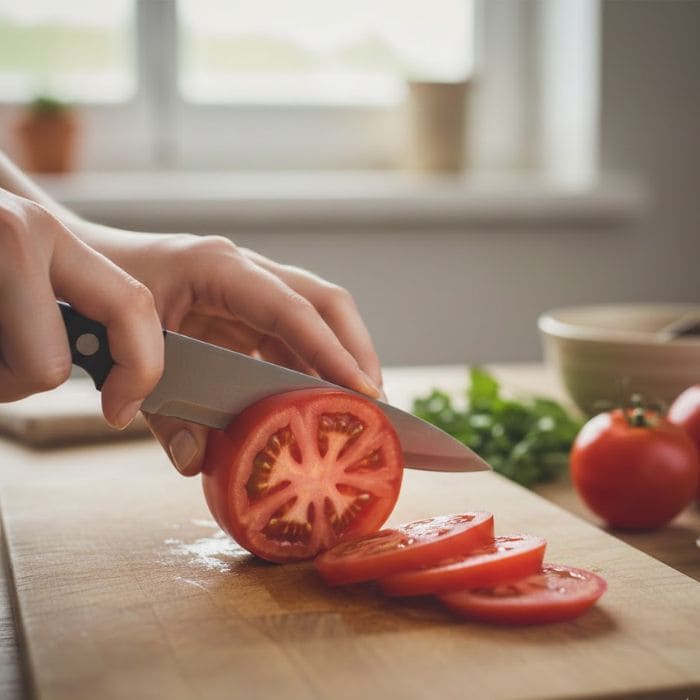
Shelly walked over to my yard that same weekend with a ripe tomato from her kitchen and told me to try it with her.
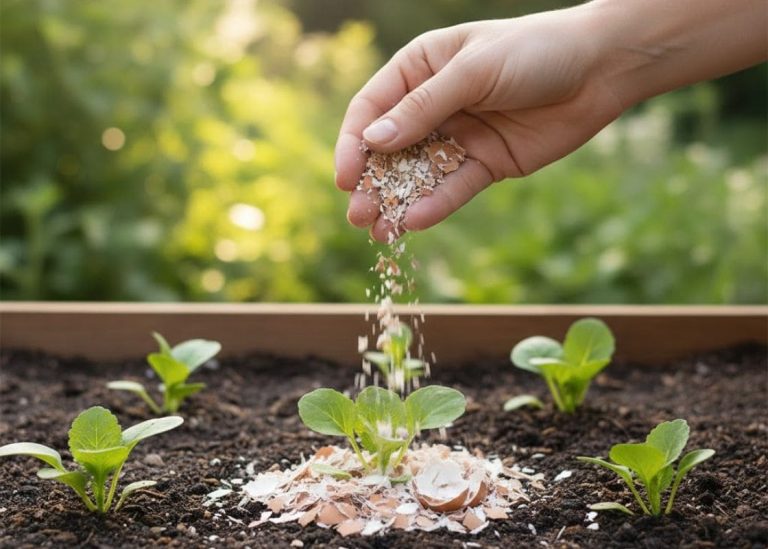
We set up a shallow container filled with loose soil, and she sliced the tomato into uniform circles, each one full of tiny seeds. We laid the slices flat on the surface and covered them with a thin layer of soil.
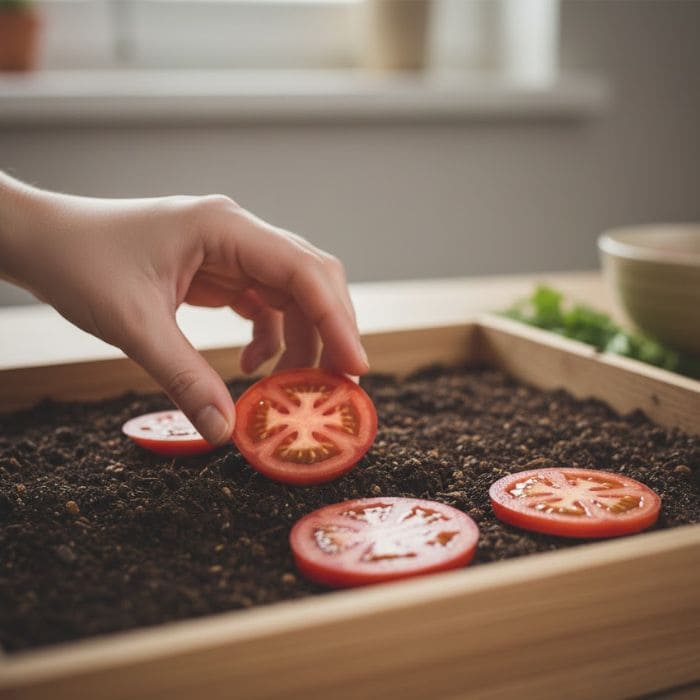
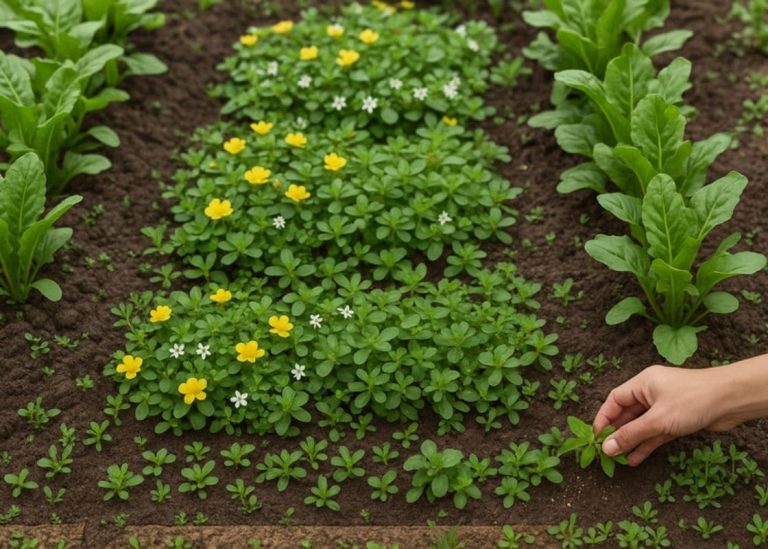
Within a few days, the soil surface changed. Small bumps appeared, then tiny green stems pushed their way up. Soon the entire tray looked like a miniature tomato forest.
I realized then how many plants can come from a single slice. There was something satisfying about knowing that one tomato could create a whole row of future harvests.
As the seedlings grew, I thinned them gently, leaving the strongest ones with room to develop. Their roots grew quickly, and by the time late May arrived, the transplants were sturdy and ready for the garden.
Moving the Seedlings Into the Garden Beds
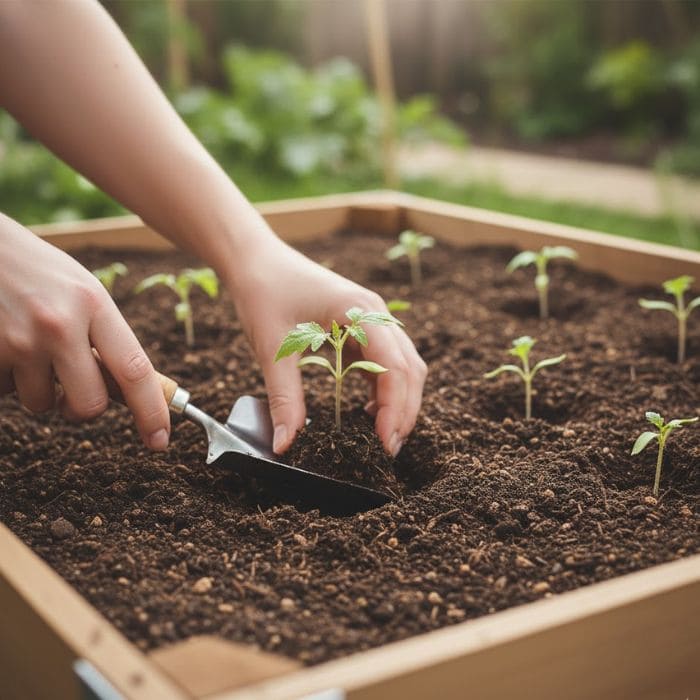
These little tomatoes had grown under my care from the very beginning, and they felt more connected to the garden somehow. I chose a sunny spot, prepared the soil with compost, and spaced the seedlings so they had room to branch out.
One thing I noticed was how quickly they adapted. Plants grown from fresh slices seem to handle soil transitions well. Their roots spread out smoothly, and the stems thickened within days.
I added mulch around each plant to keep the soil moist and warm, and I used a simple stake-and-twine system to support them as they stretched upward.
Throughout the season, I watered them at the base and avoided wetting the leaves to prevent disease. I also pruned the lower shoots once they reached a good height, which helped air circulate easily.
The Harvest That Surprised Me
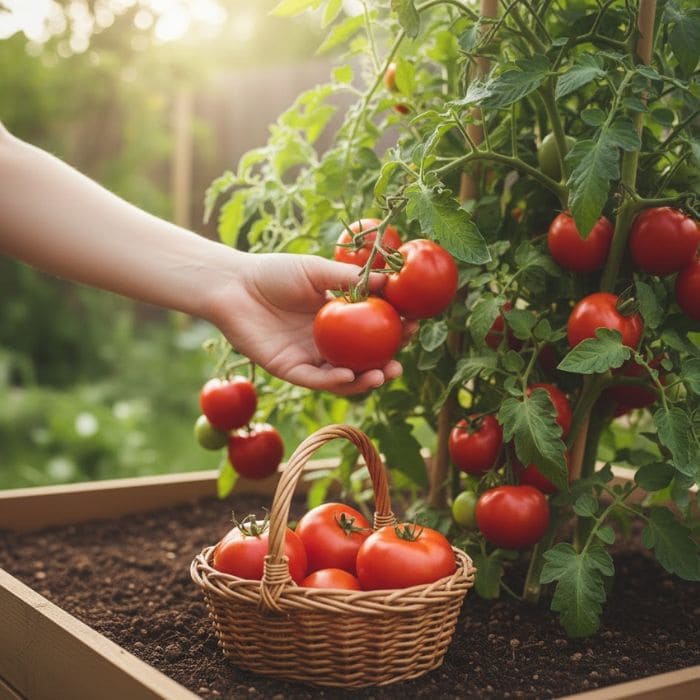
The real surprise came in midsummer when the tomatoes ripened. These slice-grown plants produced more fruit than any plants I had purchased in the past.
The clusters looked full, the skin was smooth, and the flavor was rich with that warm, sun-grown sweetness that home gardeners look forward to.
The more I harvested, the more convinced I became that this method had something special to it. Maybe the seedlings grew stronger because they weren’t stressed by transport or store conditions.
Maybe they adapted better because they sprouted in the same environment they were eventually planted in. Whatever the reason, the difference was clear enough for me to keep repeating the process.
Why the Tomato Slice Method Works So Well
After trying it several times, I realized this method has a few advantages:
- The seeds are fresh, so germination happens quickly and consistently.
- Each slice carries dozens of seeds, giving you many seedlings to choose from.
- The cost is almost nothing, especially if you’re using tomatoes you already have.
- Seedlings grow in loose soil first, which gives them strong early root systems.
- You can start them indoors or outdoors, depending on the weather.
This method also helps reduce waste. Any overly ripe tomato that would otherwise be thrown away becomes an opportunity to grow a new plant.
My Fun Story From Last Summer
Last summer, I used the same method with a tomato that was too soft to use in the kitchen. I sliced it and started a tray indoors in late April.
By mid-May, I had almost thirty seedlings, which was far more than I needed for my own garden. I ended up giving several to Shelly, a few to two other neighbors, and some to my husband’s coworker who was just starting a balcony garden.
Watching those plants leave my yard felt almost as rewarding as planting them. A simple trick from Shelly had grown into something that spread through our little community, and it reminded me how generous gardens can be when we share their beginnings.