The Pollinators in My Garden and How I Attract Them
For years, I focused mainly on the plants in my garden with the flowers, vegetables, herbs, and the soil beneath them. I didn’t pay much attention to the small visitors moving between the blooms.
It wasn’t until one summer when my cucumbers produced far more fruit than usual that I realized something different was happening. I spent a morning watching the garden and saw how busy everything was.
I realized that the success of many plants in my garden came from pollinators working quietly every day. They didn’t ask for attention, but they were responsible for more harvests, healthier flowers, and fuller fruiting branches than I ever could have achieved alone.
1. Bees – My Most Reliable Helpers

Bees are the most consistent visitors. I see honeybees, bumblebees, and several small native bees that I only learned to identify by their size and behavior. They arrive early in the morning and move calmly through the garden, especially around zinnias, basil flowers, sunflowers, and lavender.
To attract them, I do a few things:
- I plant flowers with open centers so bees can easily reach the pollen.
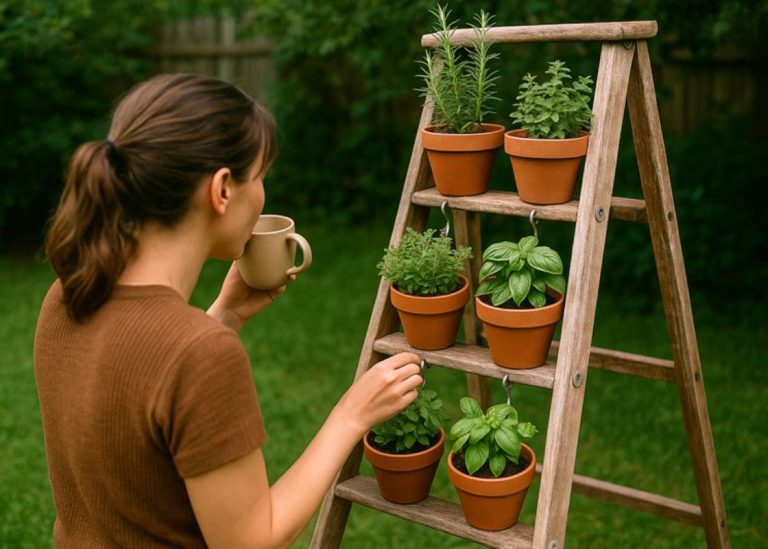
- I let some herbs bloom, especially basil, mint, and dill.
- I also provide fresh water in a shallow dish with stones so they can drink safely.
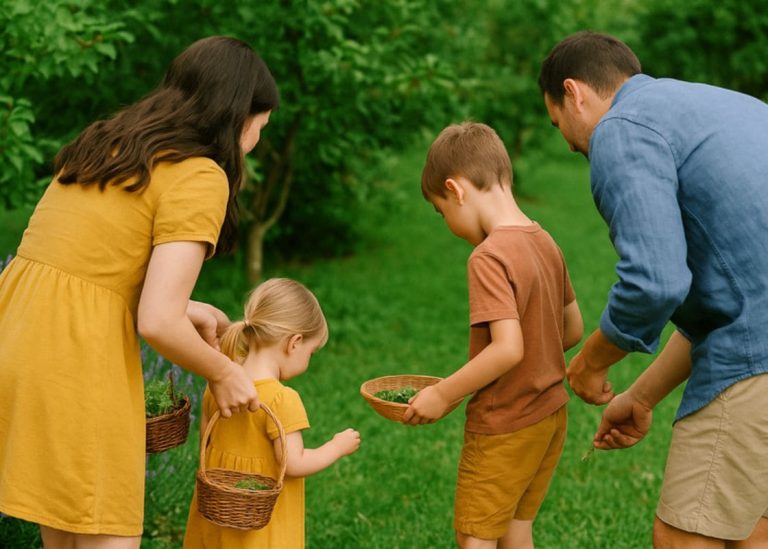
One day last summer, my son pointed out how the bees lined up on the sunflower heads, each one working its way across the center. Watching them made him curious, so we spent the afternoon looking up bee species and learning their roles.
2. Butterflies – The Visitors That Bring Color to the Garden

Butterflies don’t work as quickly as bees, but they move through the garden in a way that makes everything feel softer. They love my zinnias, cosmos, and coneflowers the most. On warm afternoons, I often see several flying together, landing lightly before drifting off again.
To encourage them, I plant flowers with bright colors and gentle scents. I also leave a sunny patch unmulched so they can warm their wings on the soil. One summer, a monarch stayed in my yard for almost an hour, moving from one cosmos bloom to another.
3. Hoverflies – The Tiny Pollinators Many People Ignore
Hoverflies are easy to miss because they look like small bees or flies, but they play an important role.
They love marigolds and calendula, and I often see them floating in place before darting to the next flower. Even though they’re small, they help with pollination and also keep aphids under control because their larvae eat pests.
I attract them by planting clusters of small flowers. They seem to prefer beds with mixed colors rather than single rows.
4. Moths – The Night Workers

While bees and butterflies rest, moths take over the night shift. I didn’t realize moths were pollinators until I accidentally walked outside after dinner one summer evening and saw several hovering near my moonflowers and nicotiana. Their wings moved so quickly in the porch light that they looked like tiny shadows.
To attract them, I grow a few night-blooming plants. I don’t do anything special beyond that, but somehow the fragrance alone is enough to bring them into the garden.
5. Hummingbirds – The Fastest Guests in My Yard

I don’t see hummingbirds every day, but on the days they arrive, the garden feels alive in a different way. They move so quickly that I usually hear them before I see them. They visit the red salvia, zinnias, and sometimes even the sunflowers.
Last year, during a quiet afternoon, one flew near the porch while I was watering the hanging orchids. It hovered in front of me for a few seconds, as if trying to decide whether I was blocking its path.
Then it zipped past and went straight for the salvia. That brief, almost funny moment made me appreciate how lively the garden becomes when pollinators feel welcome.
To attract hummingbirds, I focus on growing nectar-rich flowers, keeping bright colors in the yard, especially reds and oranges, and of course leaving a few flowers to grow tall and open freely
How I Attract and Support All Pollinators
Supporting pollinators doesn’t require anything complicated. Small, thoughtful habits make a bigger difference than I expected.
1. I plant in layers
Tall flowers, medium flowers, herbs, and groundcovers together create a space where many different pollinators feel comfortable.
2. I avoid spraying anything that harms insects
Even natural sprays can hurt bees if they land on open flowers.
3. I keep flowers blooming from spring to fall
Crocus and hyacinth in early spring, zinnias and basil in summer, and asters in the fall help keep food available all season long.
4. I leave parts of the garden a little wild
Pollinators love natural corners such as fallen stems, uncut grasses, and small pockets of native weeds offer shelter and resting spots. These small choices have changed the entire mood of my yard. Instead of trying to control every inch, I try to work with the life already there.
What Pollinators Bring to My Garden
My garden would grow without them, but it would never look or feel the same. Pollinators make the flowers richer, the vegetables healthier, and the whole space more alive.
When I see bees moving across a row of zinnias or a butterfly pausing on a cosmos bloom, I feel a quiet sense of connection — not just to my plants, but to everything happening around them.