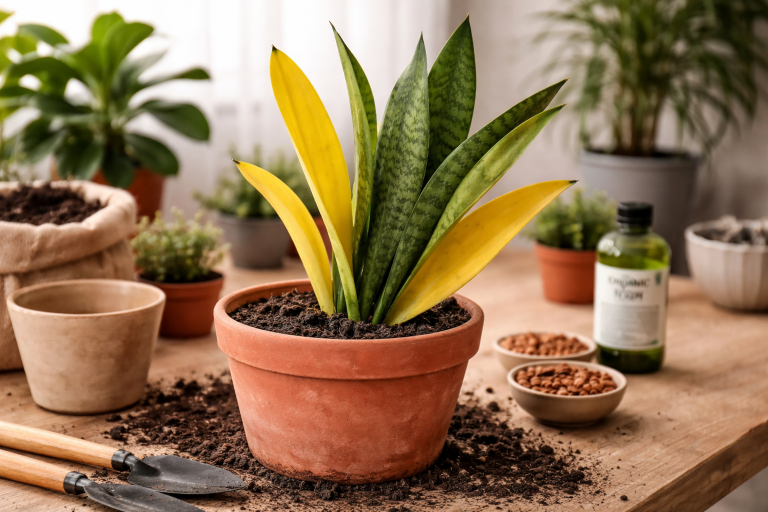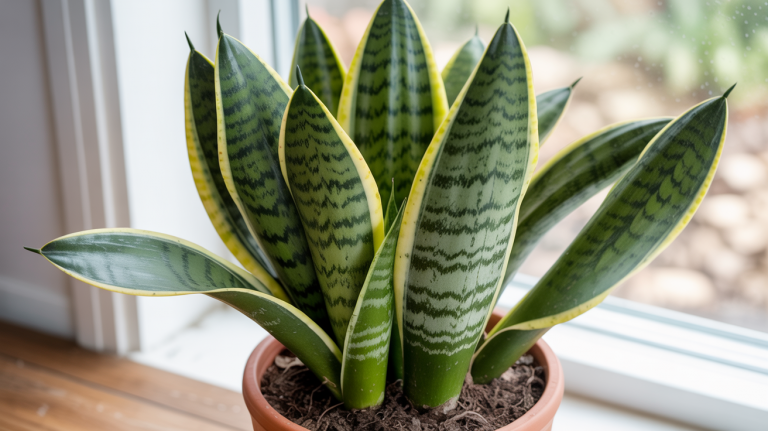
Why Snake Plant Roots Rot Even When Watering Seems Normal
A snake plant can develop root rot even when watering feels controlled and reasonable. The soil may not look overly wet, and the plant may appear stable on the surface, yet problems begin to form below. This disconnect often makes it difficult to understand what is going wrong.
Many people associate root rot with obvious overwatering, but indoor conditions behave differently. Moisture can stay trapped around the roots even when watering is infrequent.
Over time, this hidden moisture creates an environment where roots slowly weaken and begin to decay.
Why “Normal Watering” Can Still Cause Root Rot
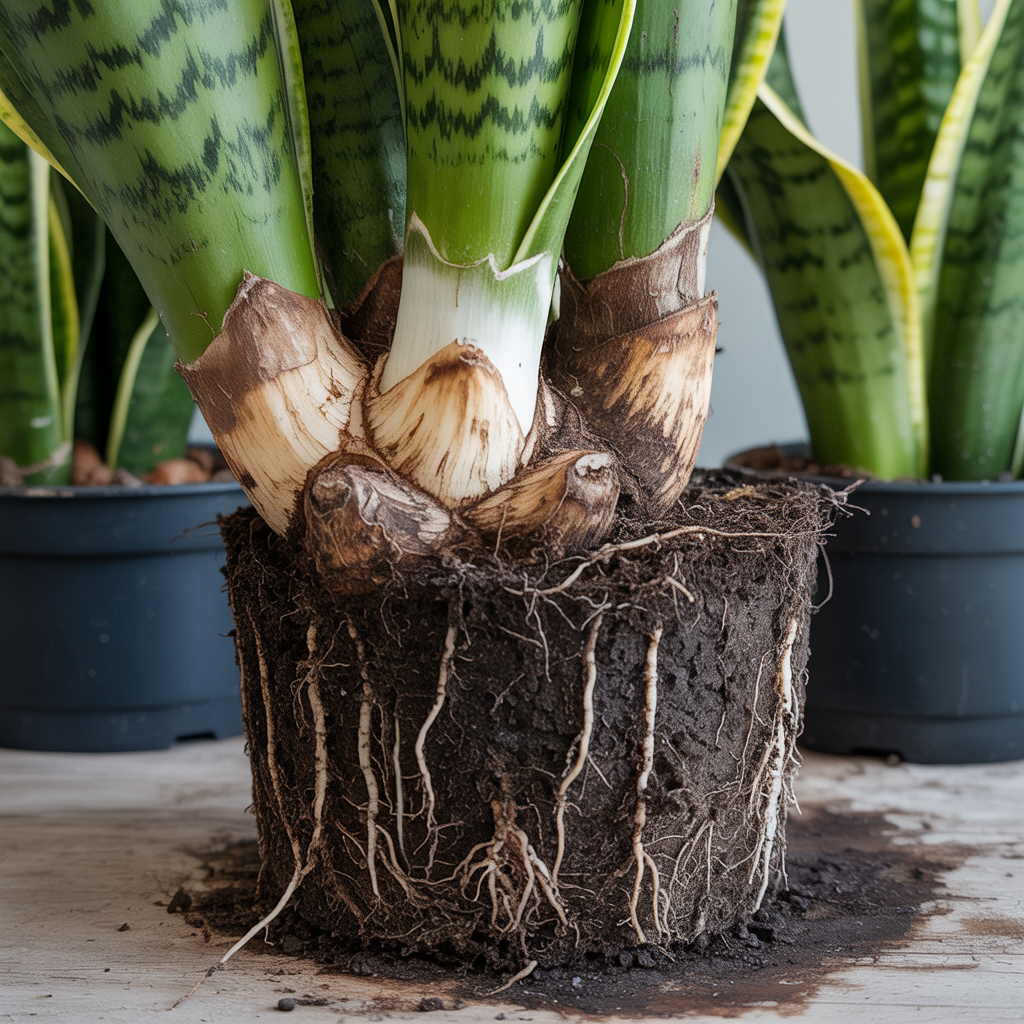
Watering habits often seem correct when they follow a routine, but indoor conditions are rarely consistent.
Soil type, pot size, airflow, and temperature all influence how quickly moisture evaporates. Because of this, the same watering schedule can produce very different results over time.
A plant that was healthy under one routine may begin to struggle when conditions shift slightly. The soil may hold water longer than expected, especially during cooler or darker periods.
This causes moisture to remain around the roots even when watering feels minimal.
What Actually Happens During Root Rot
Roots need both moisture and oxygen to function properly. When soil remains wet for too long, oxygen levels decrease, which limits the roots’ ability to absorb nutrients. As a result, the roots begin to weaken and lose their structure.
This process usually develops gradually rather than suddenly. The plant may continue to look healthy above the soil while damage spreads below.
By the time visible symptoms appear, the root system may already be compromised.
The Most Common Hidden Causes of Root Rot
1. Soil Holds More Water Than Expected
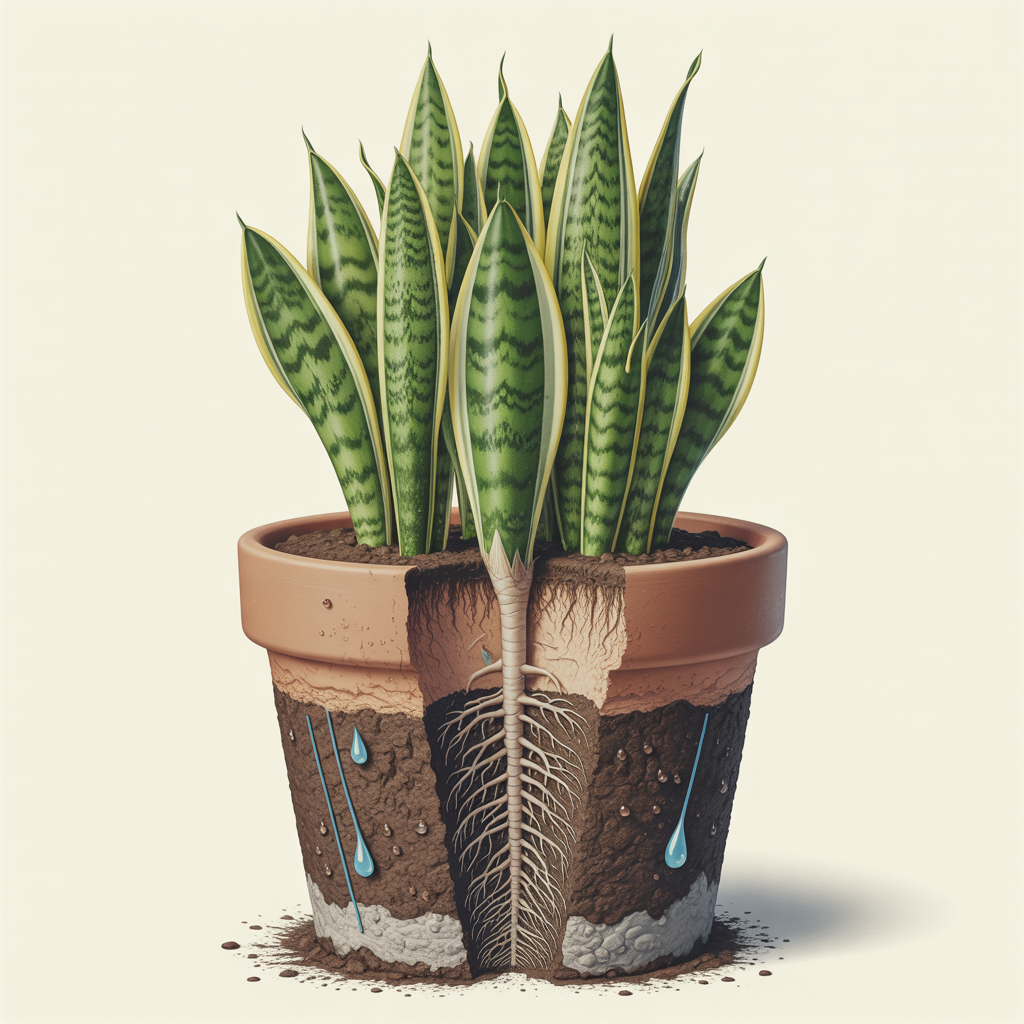
Some soils retain moisture longer than they appear to on the surface. The top layer may feel dry, while deeper layers remain damp, which creates a false signal that watering is needed. This leads to repeated moisture buildup around the roots.
Over time, this trapped moisture reduces airflow and increases the risk of decay. Using soil that drains well and allows airflow helps prevent this issue from developing.
2. Pot Size Is Too Large
A larger pot contains more soil, which naturally holds more water after each watering session.
If the roots cannot absorb this moisture quickly enough, the excess remains in the soil. This creates a consistently damp environment that weakens root function.
Choosing a pot that closely matches the size of the root system helps control moisture levels. A balanced pot size allows the soil to dry more evenly between watering sessions.
3. Drainage Is Not Effective Enough
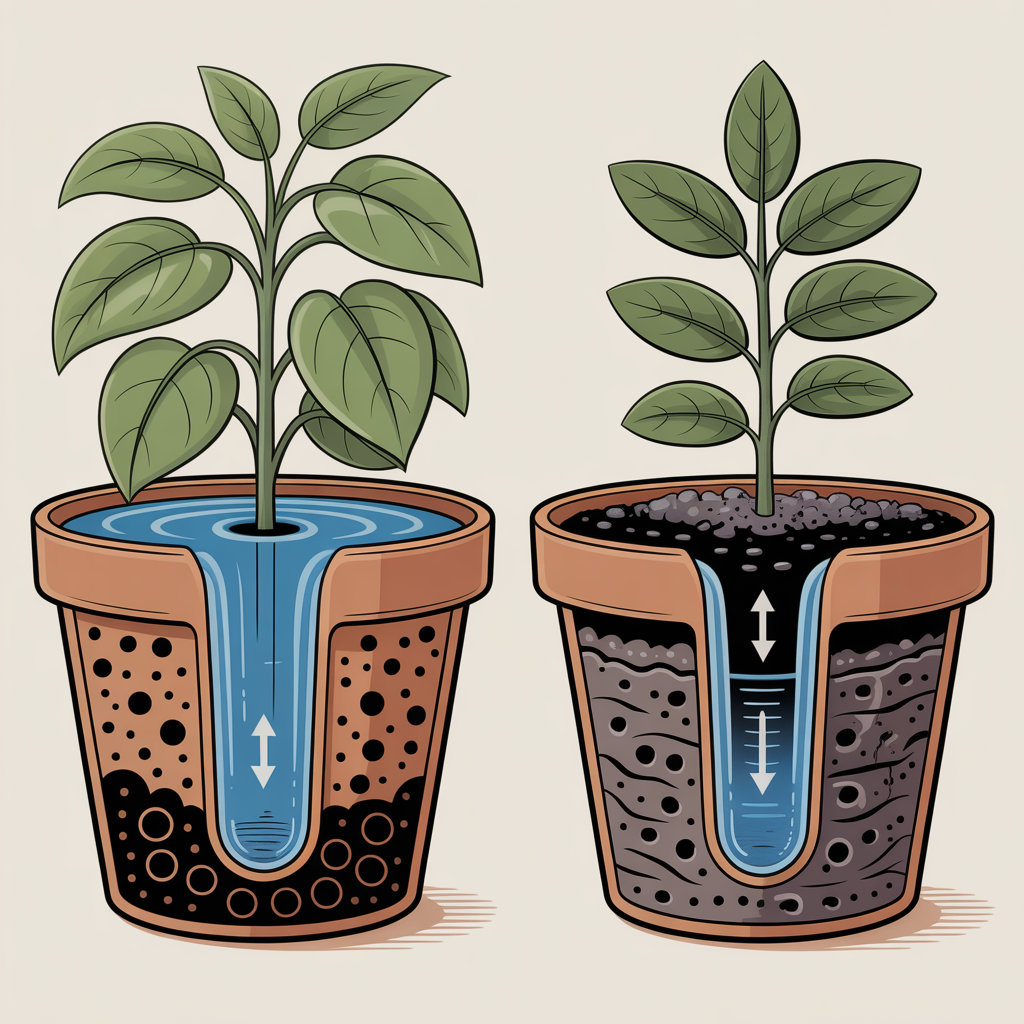
Even when a pot has drainage holes, poor soil structure can slow down water movement.
Water may still collect in certain areas, especially if the soil is dense or compact. This prevents excess moisture from leaving the pot efficiently.
As a result, the roots remain in contact with moisture for longer periods than expected. Improving soil structure is often more effective than simply reducing watering.
4. Watering Frequency Does Not Match Conditions
Watering every few weeks may seem reasonable, but actual needs depend on how quickly the soil dries.
Environmental factors such as low light, cool temperatures, and high humidity can slow evaporation significantly. This means the same schedule can become excessive under certain conditions.
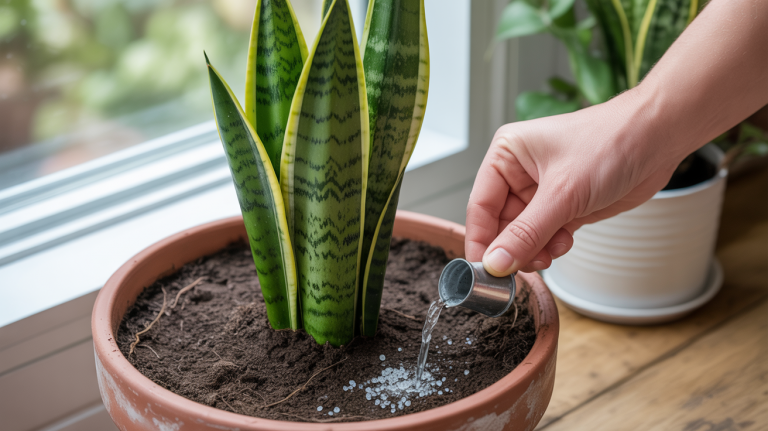
Adjusting watering based on soil dryness rather than routine helps maintain balance. Checking the soil before watering is more reliable than following a fixed timeline.
5. Airflow Around the Plant Is Limited
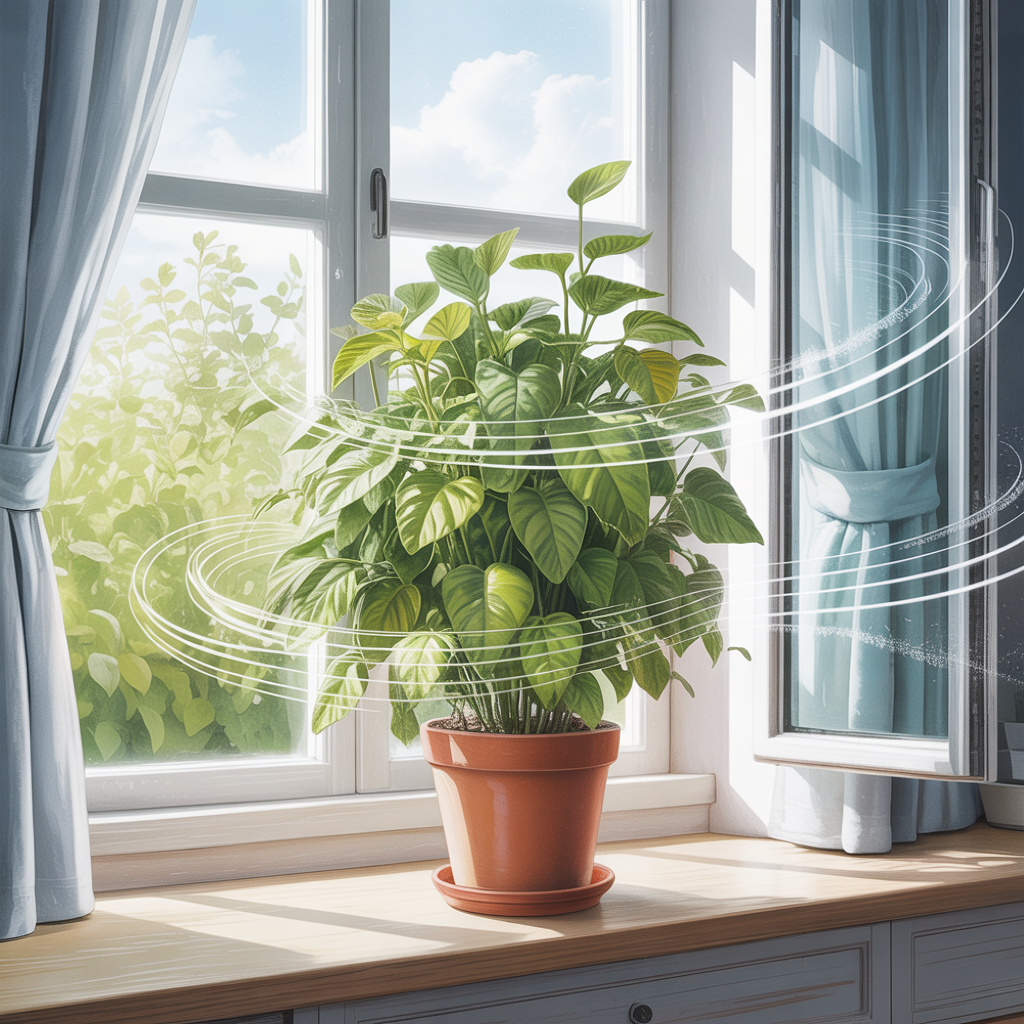
Air circulation plays an important role in how quickly soil dries. When airflow is limited, moisture can remain trapped around the roots even if watering is infrequent. This creates conditions where the roots stay damp for longer than expected.
Placing the plant in a well-ventilated area helps improve drying. Even small improvements in airflow can make a noticeable difference over time.
6. Roots Were Already Slightly Damaged
Roots that have been stressed or damaged previously are more vulnerable to rot.
This can happen after repotting or changes in environment, even if those changes were intended to improve plant health. Weak roots are less able to handle moisture effectively.
In this situation, even normal watering can become excessive. Allowing the plant time to recover in stable conditions helps reduce further damage.
👉 Related:
→ Why Snake Plant Turns Yellow After Repotting
How to Tell If Root Rot Is Starting
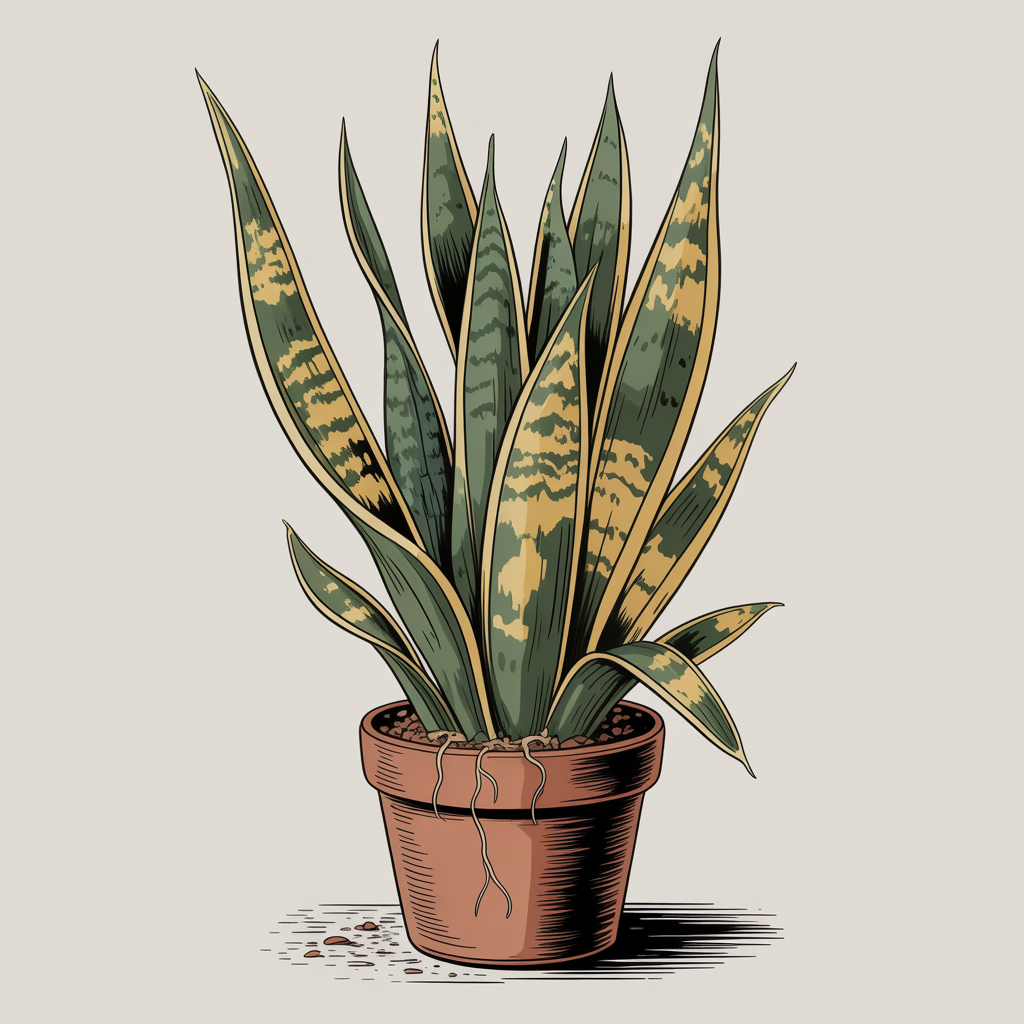
Root rot often begins without obvious signs, which makes early detection difficult.
The plant may show slower growth or slight changes in leaf firmness before any visible damage appears. These subtle signals are easy to overlook.
As the problem progresses, leaves may begin to yellow or lose their structure. At this stage, the roots are already affected, and action is needed to prevent further decline.
👉 Related:
→ Why Snake Plant Leaves Are Bending or Falling Over
How to Fix Root Rot Step by Step
The first step is to remove the plant from the soil and examine the roots carefully.
Healthy roots should feel firm and appear light in color, while damaged roots are soft and dark. Identifying the difference helps determine how much trimming is needed.
After removing affected roots, the plant should be repotted in fresh, well-draining soil. A properly sized pot helps prevent excess moisture from accumulating again. Watering should be reduced initially to allow the plant to stabilize.
How to Prevent Root Rot in the Future
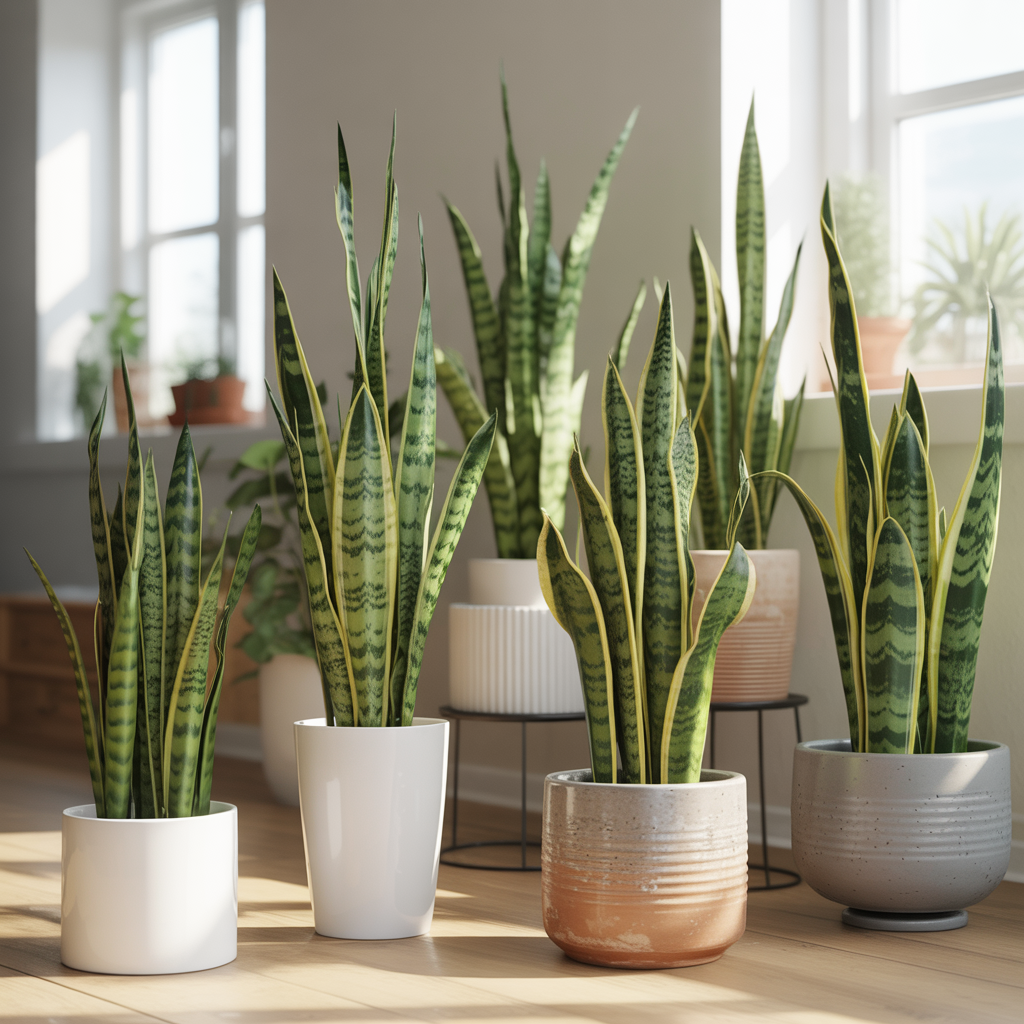
Preventing root rot requires focusing on how moisture behaves in the soil rather than simply reducing watering frequency.
Soil should allow both drainage and airflow so that roots can function properly. A balanced environment supports healthy root development over time.
Watering should always be based on soil dryness rather than routine. Environmental factors such as light and airflow should also support consistent drying.
These adjustments help create conditions where root rot is less likely to occur.
👉 For broader growth issues:
→ Why Indoor Plants Stop Growing Suddenly
Common Mistakes That Lead to Root Rot
Frequent light watering can keep the soil constantly damp without reaching deeper roots.
Decorative pots without proper drainage can trap water at the bottom, even when the surface looks dry. Using oversized pots can also increase moisture retention beyond what the plant needs.
Another common mistake is relying only on the top layer of soil to judge moisture. Deeper layers often stay wet longer, which leads to overwatering without realizing it.
How Long Does Recovery Take
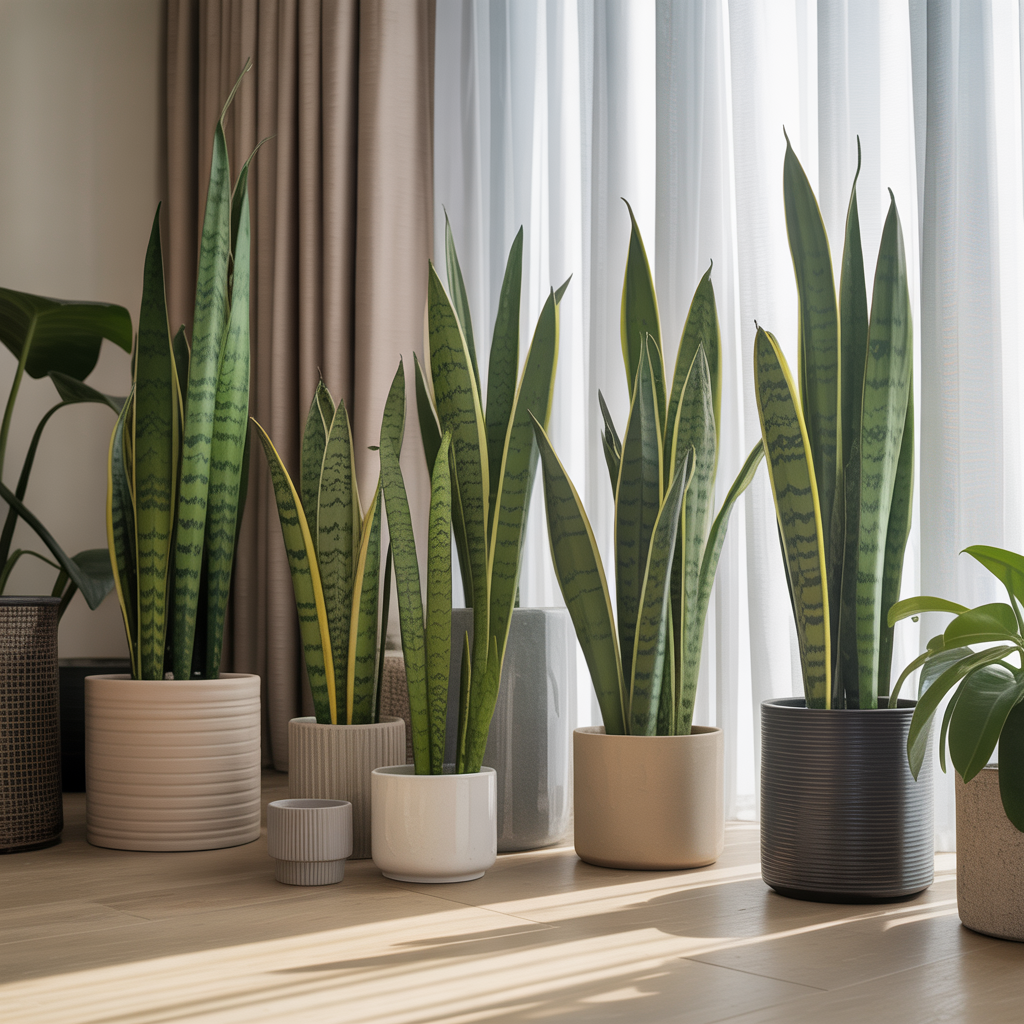
Recovery time depends on how early the problem is identified and how much of the root system is affected.
When root rot is addressed early, the plant can begin to recover within a few weeks. Stable conditions support this process.
New growth is usually the clearest sign of recovery. While older leaves may not return to their original condition, the plant can regain strength over time with consistent care.
Frequently Asked Questions
Why does root rot happen even with minimal watering?
Root rot can occur when moisture remains in the soil for too long, even if watering is not frequent.
Can a snake plant recover from root rot?
Yes, if damaged roots are removed and conditions are improved, the plant can recover over time.
How do you know if roots are healthy?
Healthy roots are firm and light in color, while rotting roots are soft and dark.
Should watering stop completely after root rot?
Watering should be reduced, but not completely stopped. The soil should be allowed to dry between sessions.
Is root rot always visible from the leaves?
No, root rot often begins below the soil before visible symptoms appear.
Final Thoughts
Root rot is not always caused by obvious overwatering, but by how moisture interacts with soil, roots, and environment. Even careful watering can lead to problems if conditions do not support proper drying.
When soil, pot size, airflow, and watering habits are balanced, roots are more likely to remain healthy. Small adjustments made consistently often prevent long-term issues and support stronger plant growth.