Why Peace Lily Stops Flowering Indoors
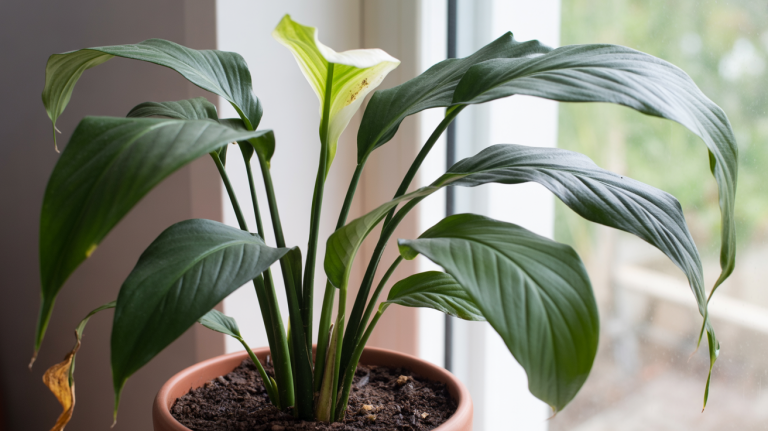
A peace lily can grow lush, deep green leaves for months and still refuse to bloom. The plant looks healthy, the leaves are glossy, and everything seems right, yet no flowers appear.
This is one of the most common frustrations with peace lilies indoors. It often feels like something is missing, even when the plant appears to be thriving.
In reality, a peace lily that stops flowering is not failing. It is responding to conditions that support survival but not blooming. Once those conditions are adjusted, flowering usually returns without drastic changes.
Why Peace Lilies Stop Blooming Indoors
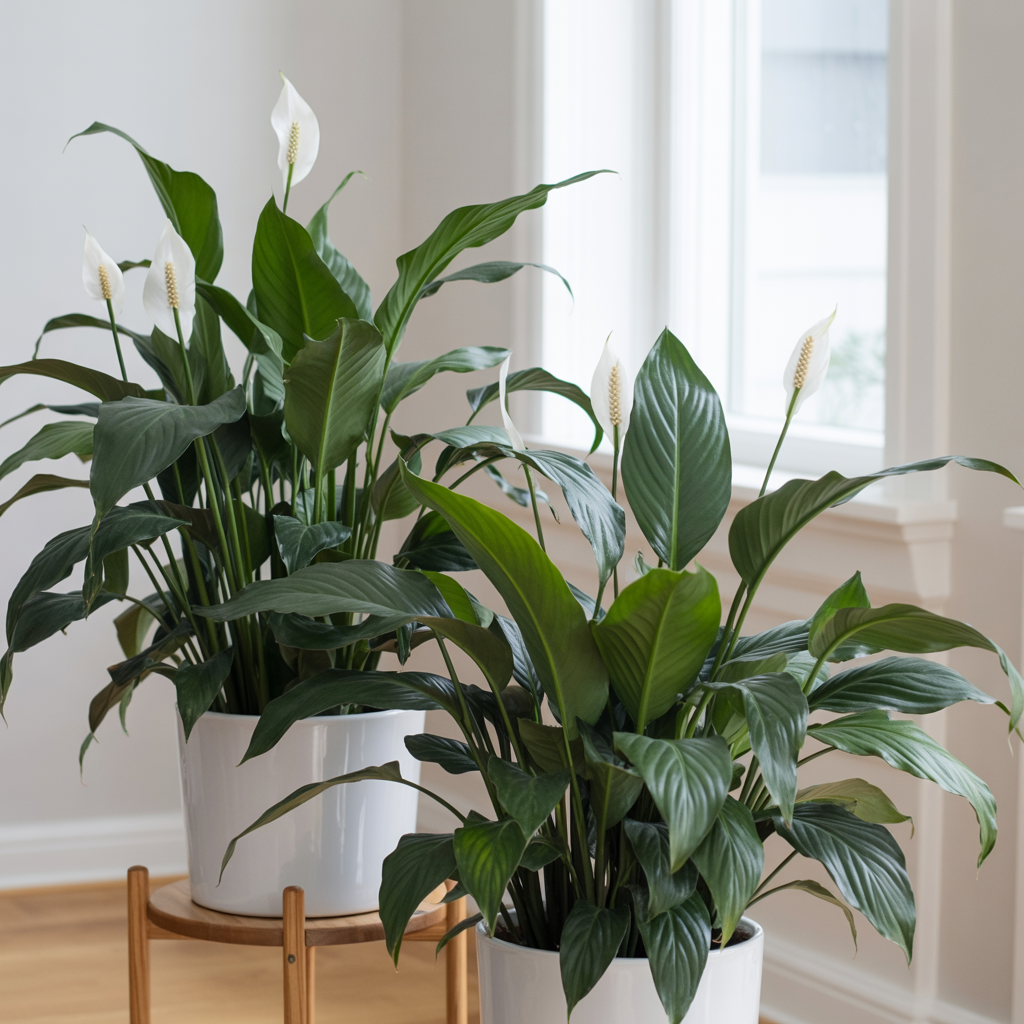
Flowering depends on energy, and energy depends on conditions.
A peace lily will only produce blooms when it has enough resources to support both leaf growth and reproduction. If conditions are only moderate, the plant will focus on survival rather than flowering.
Indoor environments often limit one or more of these conditions. Light may be sufficient for leaves but not strong enough for blooms.
Nutrients may support basic growth but not flowering. Environmental stability may also influence how energy is used. This is why a plant can look healthy while still refusing to flower.
Light Is the Most Common Limiting Factor
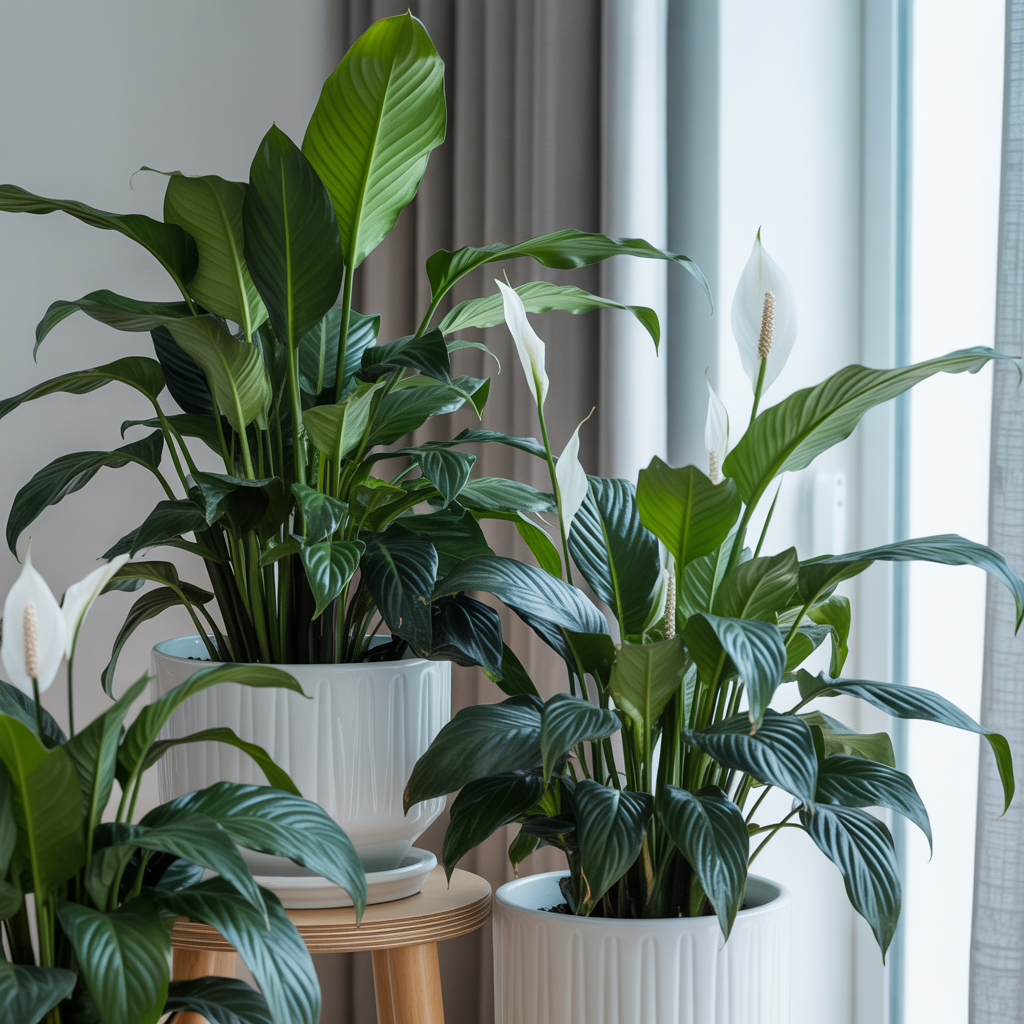
Peace lilies are often labeled as low-light plants, which leads to the assumption that they do not need much light. While they can survive in low light, flowering requires more energy.
When light is too weak, the plant cannot produce enough energy to support blooms. It continues to grow leaves because that requires less energy.
Placing the plant in brighter, indirect light often leads to noticeable improvement. A position near a window with filtered sunlight can provide the level of light needed for flowering without damaging the leaves.
Even a small increase in light exposure can make a difference over time.
Nutrient Balance Affects Flower Production
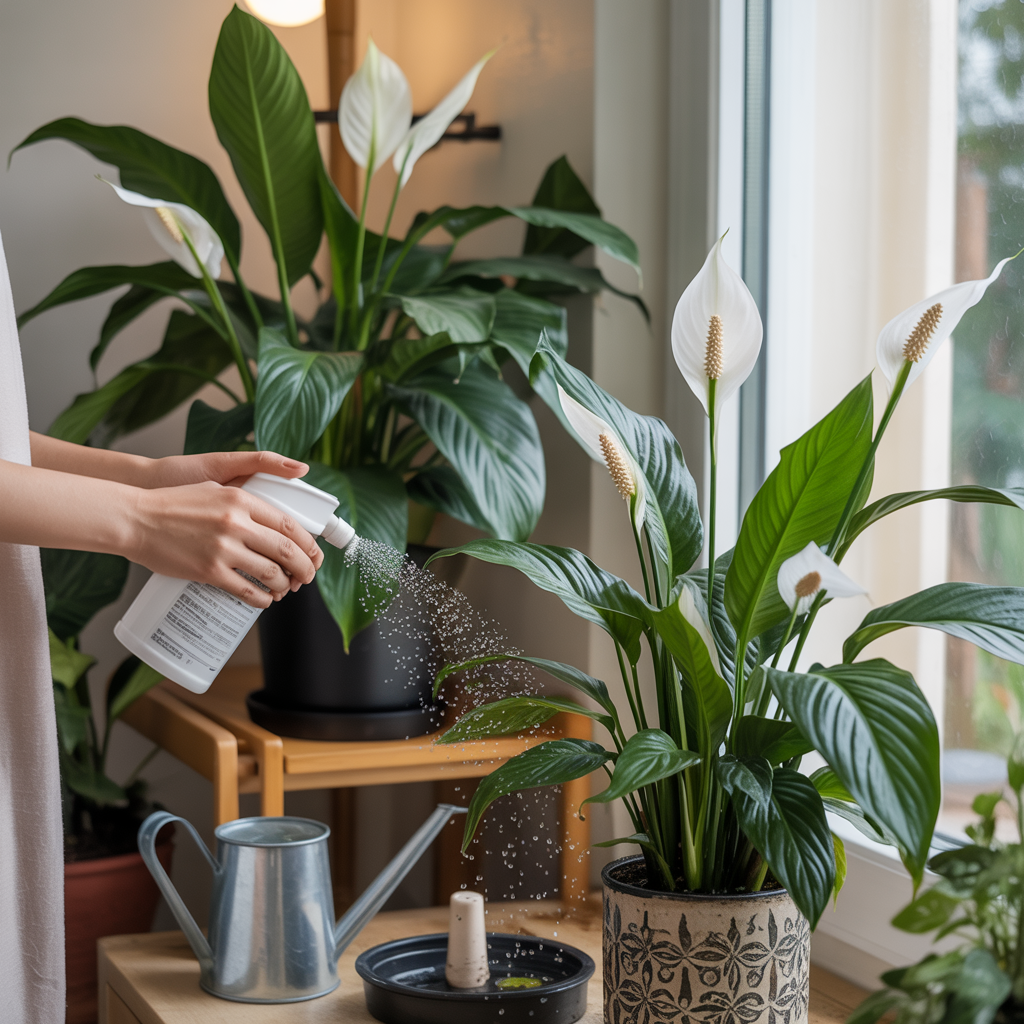
Flowering requires more nutrients than basic leaf growth. If the soil lacks essential nutrients, the plant may not have the resources needed to produce blooms.
Over time, indoor soil can become depleted, especially if the plant has not been repotted or fertilized.
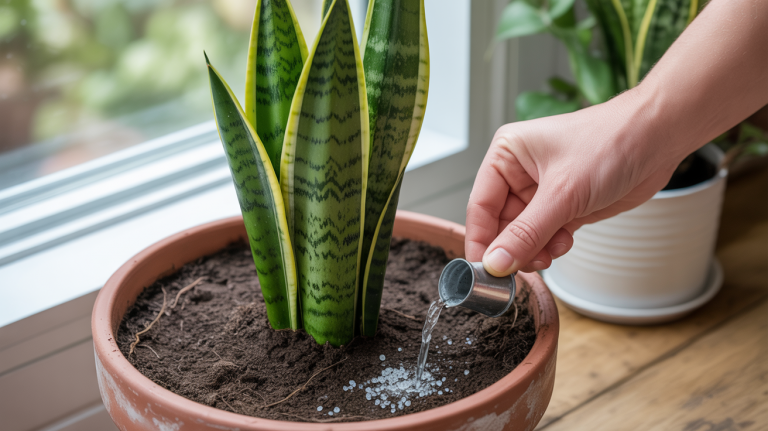
However, adding too much fertilizer can also create imbalance. Excess nutrients can stress the plant and reduce its ability to flower.
A balanced approach works best. Light feeding during active growth periods supports flowering without overwhelming the plant.
Watering Habits Influence Blooming
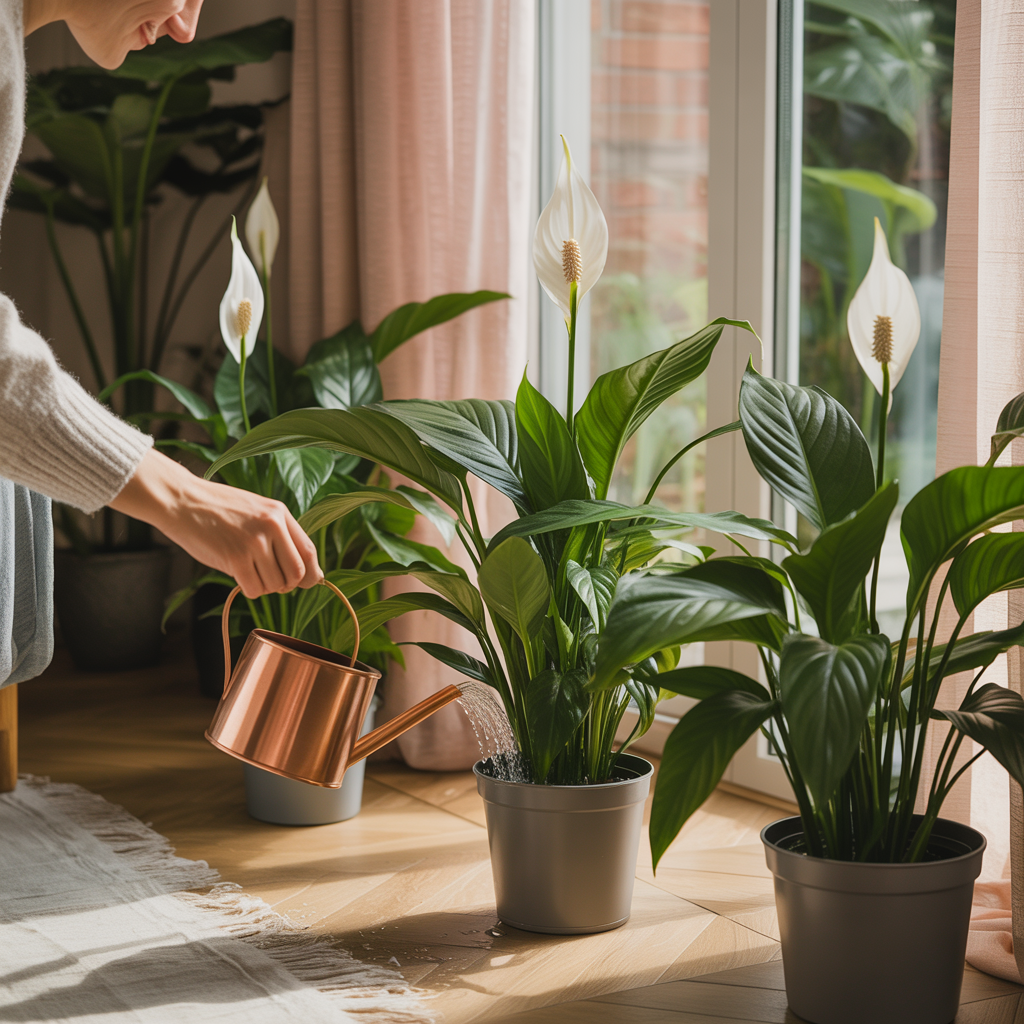
Watering affects how efficiently nutrients move through the plant.
If the soil is too dry for extended periods, the plant may conserve energy and stop flowering. If the soil is too wet, root function may weaken, which also affects energy distribution.
Peace lilies prefer evenly moist soil, but not constant saturation. Maintaining this balance supports both leaf health and flower production.
Consistency is more important than frequency.
Root Condition Plays a Hidden Role
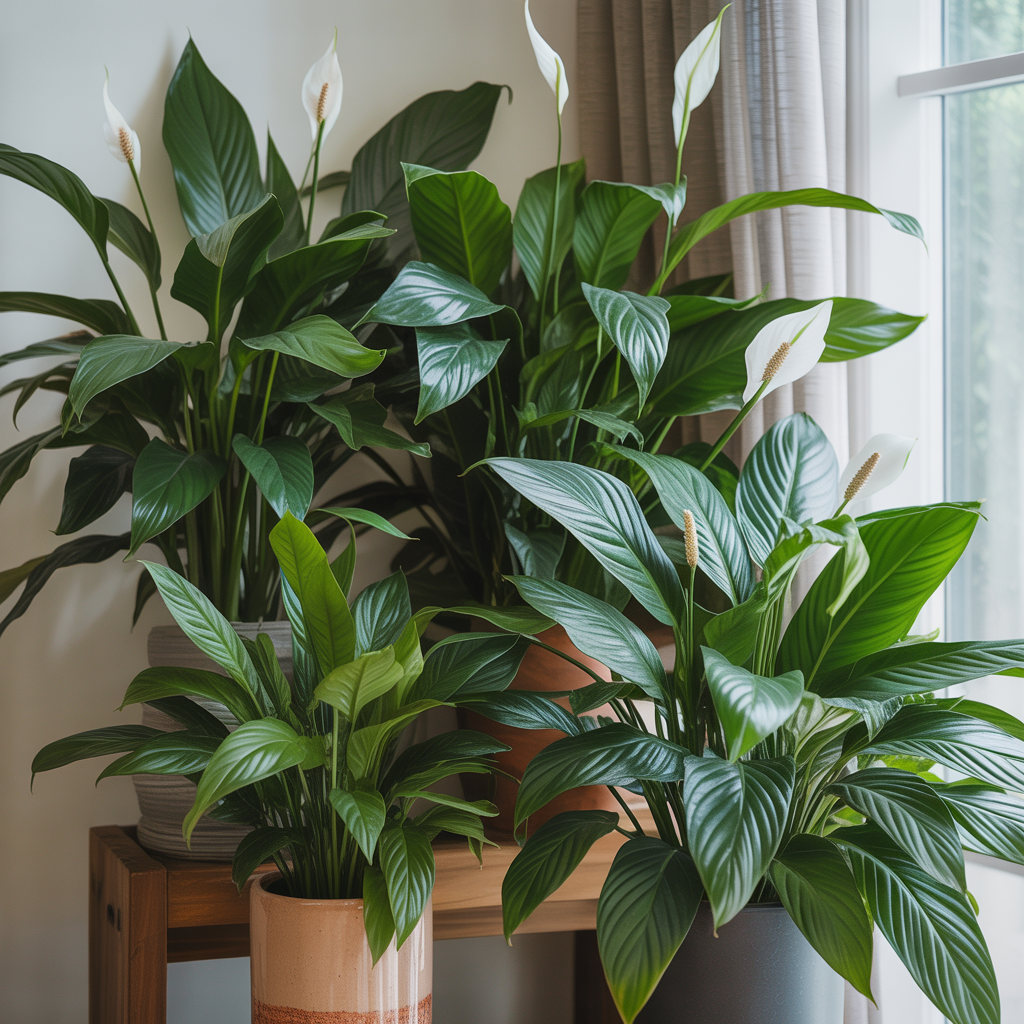
Roots support everything above the soil, including flowering.
When roots are crowded or stressed, the plant may not have enough support to produce blooms. In some cases, a slightly root-bound condition can encourage flowering, but excessive restriction can have the opposite effect.
If the plant has been in the same pot for a long time, refreshing the soil or repotting can improve overall health.
Healthy roots create a stronger foundation for flowering.
Environmental Stability Affects Flowering Cycles
Peace lilies respond to their environment more than many people expect.
Changes in temperature, humidity, or light can interrupt flowering cycles. Even small shifts can cause the plant to pause bloom production.
Keeping the plant in a stable environment helps maintain consistent growth patterns. Avoid placing it near drafts, heating vents, or areas with sudden temperature changes.
Stability allows the plant to direct energy toward flowering rather than adaptation.
Age and Growth Stage Matter
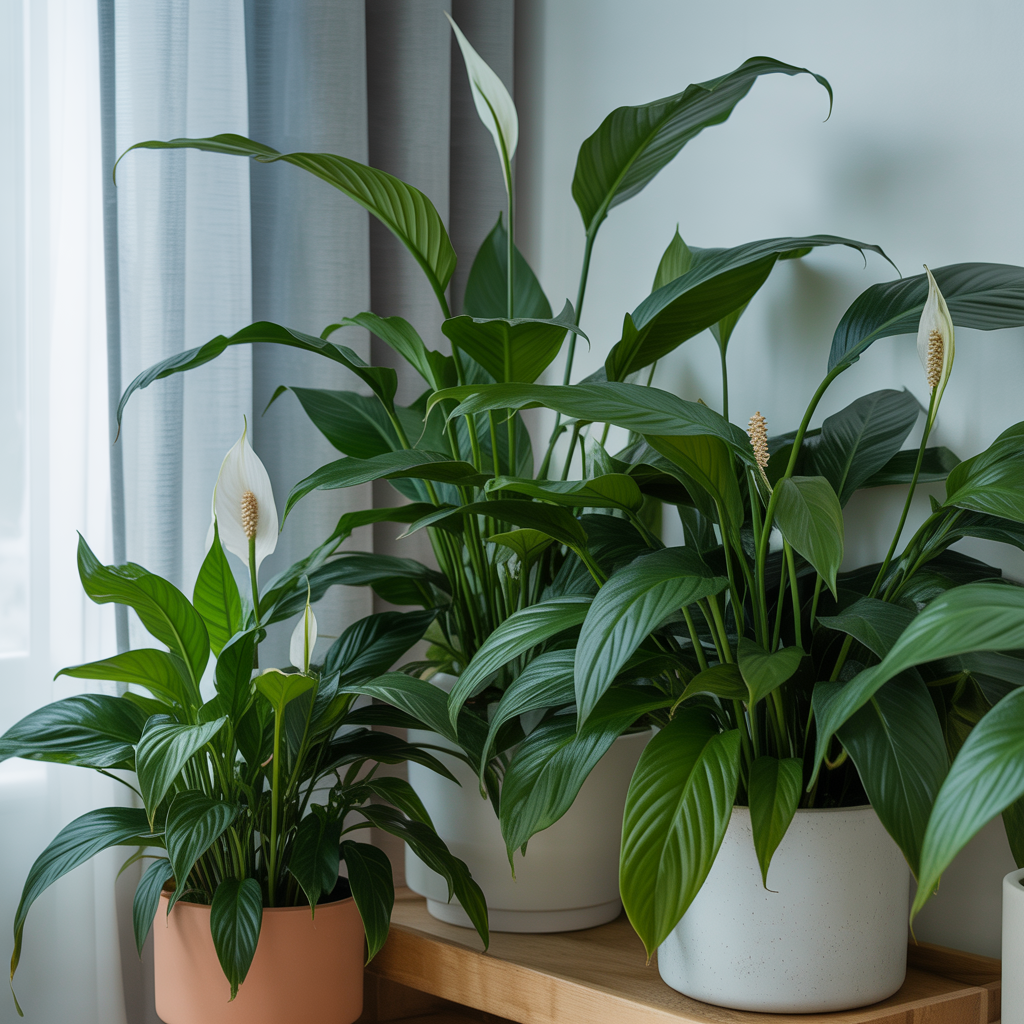
Not all peace lilies flower at the same rate.
Younger plants may need time to mature before they begin producing blooms. Older plants may also go through periods where flowering slows down naturally.
Growth cycles vary depending on conditions. A plant may flower actively for a period, then pause before blooming again.
Understanding this pattern helps prevent unnecessary adjustments.
How to Encourage Peace Lily to Bloom Again
Encouraging blooms requires improving overall conditions rather than focusing on one factor alone.
Increasing light exposure is often the most effective first step. Ensuring the plant receives bright, indirect light supports energy production.
Maintaining consistent watering helps keep the plant stable. The soil should remain evenly moist without becoming overly wet.
Providing light feeding during active growth periods supports nutrient balance. Avoid over-fertilizing, as this can create stress.
Keeping the plant in a stable environment allows it to focus on flowering rather than adjusting to changes.
Over time, these adjustments create conditions where blooming becomes more likely.
How Long Does It Take for Flowers to Return
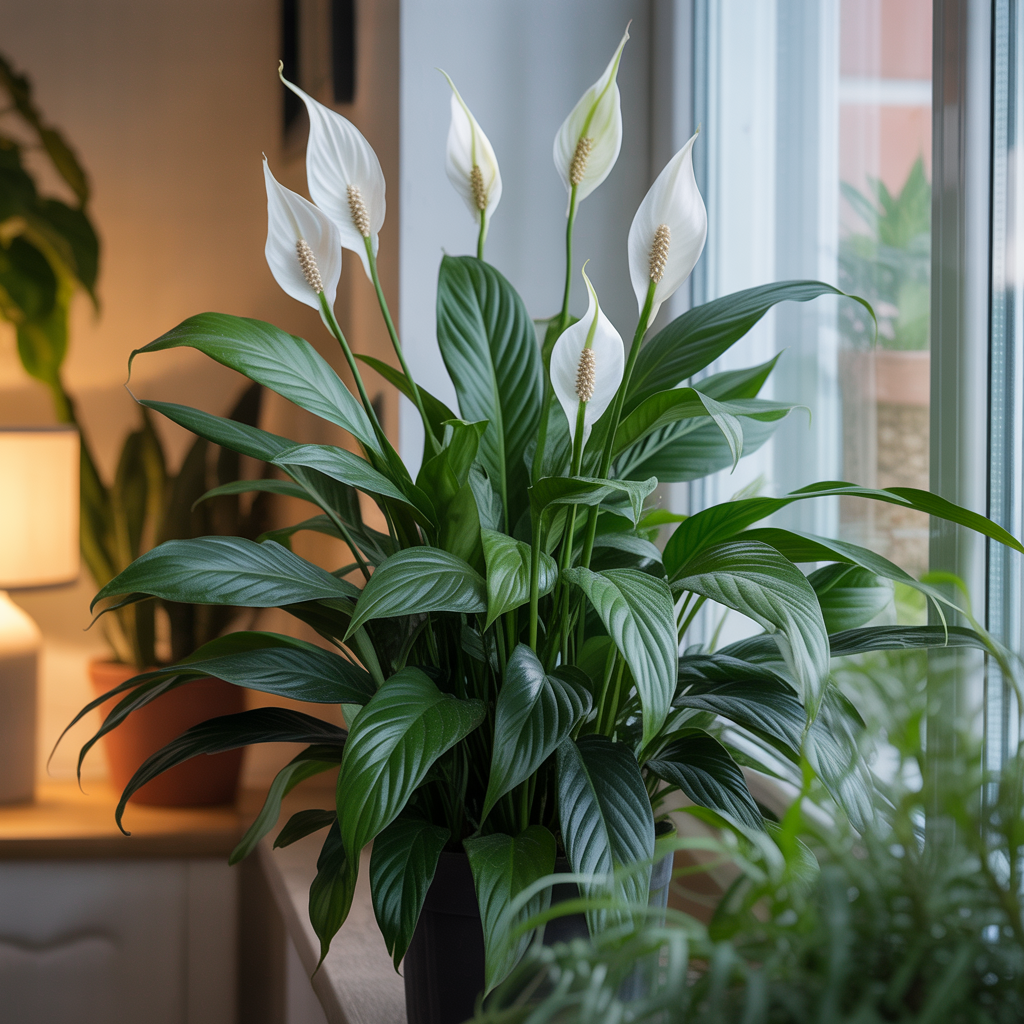
Flowering does not resume immediately after conditions improve.
In most cases, it takes several weeks or longer for the plant to build enough energy to produce blooms. The process is gradual, and patience is important.
New leaves often appear before flowers. This is a sign that the plant is gaining strength and preparing for future blooms.
Consistent care over time leads to more reliable flowering cycles.
Common Mistakes That Prevent Flowering
Many people try to fix the issue by adding more fertilizer or watering more often.
These changes often create more imbalance instead of solving the problem.
Another common mistake is keeping the plant in low light because it “survives there.” Survival conditions rarely support blooming.
The most effective approach is to improve conditions gradually rather than making sudden changes.
How to Tell If Your Plant Is Ready to Bloom
A peace lily that is preparing to bloom shows gradual changes.
New growth appears stronger and more structured. Leaves may look more upright and healthy.
The plant may also produce thicker stems that eventually develop into flowers.
These signs indicate that conditions are supporting flowering.
Frequently Asked Questions
Why does my peace lily have leaves but no flowers?
This usually happens when light or nutrient levels are not sufficient to support flowering.
How can I make my peace lily bloom again?
Improving light, maintaining consistent watering, and providing balanced nutrients can encourage blooms.
Does a peace lily need direct sunlight to flower?
No, bright indirect light is usually enough to support flowering.
How often should a peace lily bloom?
Flowering cycles vary, but healthy plants typically bloom periodically throughout the year under good conditions.
Can fertilizer help a peace lily flower?
Yes, when used in moderation, fertilizer can support flowering during active growth periods.
Final Thoughts
A peace lily that stops flowering is not necessarily unhealthy. It is often responding to conditions that support survival but not blooming.
When light, nutrients, watering, and environment are balanced, the plant gradually shifts its energy toward producing flowers again.
This process takes time, but consistent care creates the conditions needed for long-term flowering success.