Why Peace Lily Leaves Turn Brown at the Tips (Causes + 7 Easy Fixes)
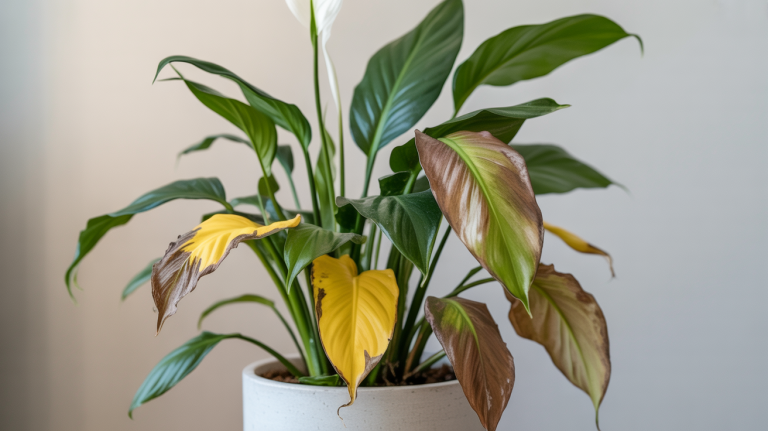
Peace lily leaves often develop brown tips even when the rest of the plant still looks healthy. The leaves remain green and full, but the edges slowly dry out and turn dark over time.
This change usually happens gradually rather than suddenly, which makes it easy to overlook at first. However, the plant is signaling that something in its environment or care routine is slightly unbalanced.
Brown tips are not random damage. They are a response to how water, air, and nutrients move through the plant, especially at the most sensitive parts of the leaves.
What Brown Tips Actually Mean
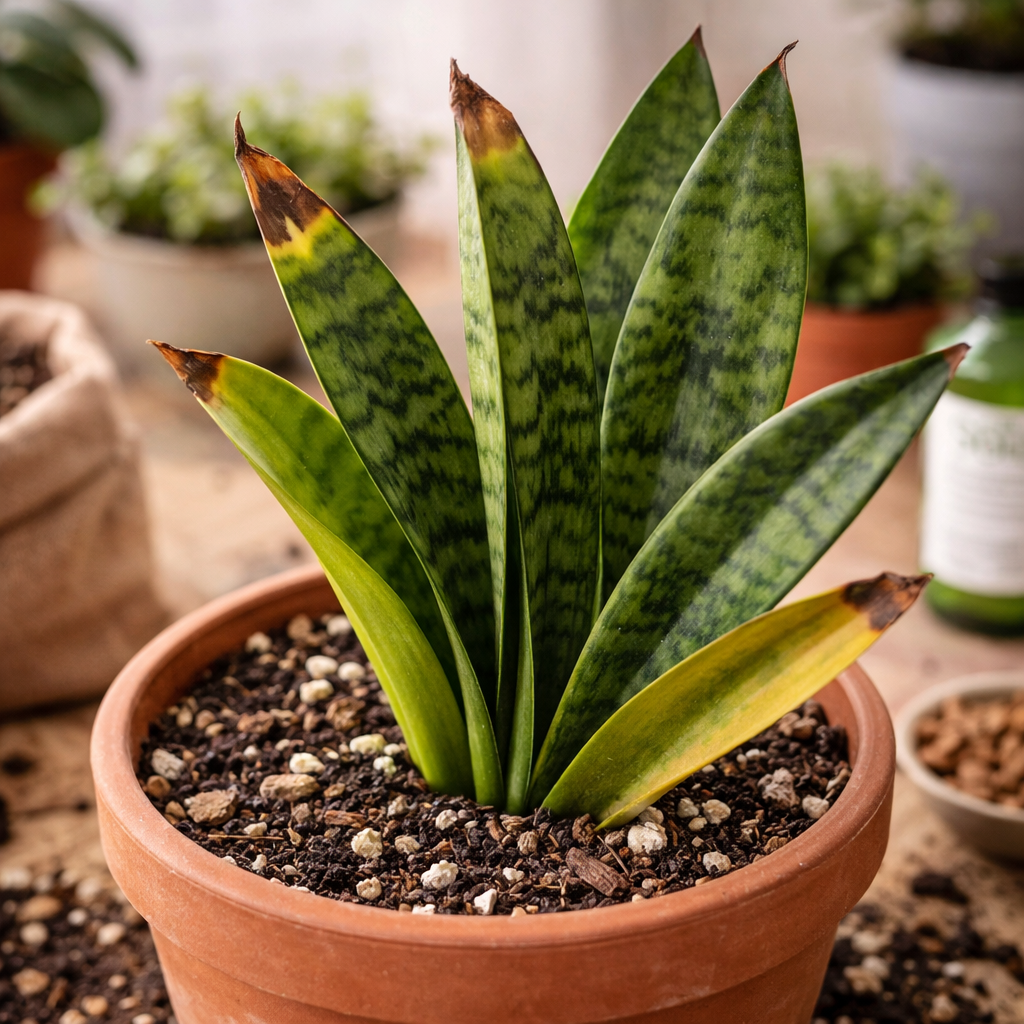
Brown tips form when the plant cannot maintain stable moisture at the leaf edges. These areas lose water faster than the rest of the leaf, so they show stress first.
When internal water balance becomes inconsistent, the plant cannot deliver enough moisture to the outer edges. As a result, those areas begin to dry out and change color.
The plant may still appear healthy overall, which is why this issue often develops without immediate concern.
Why Peace Lily Leaves Turn Brown at the Tips
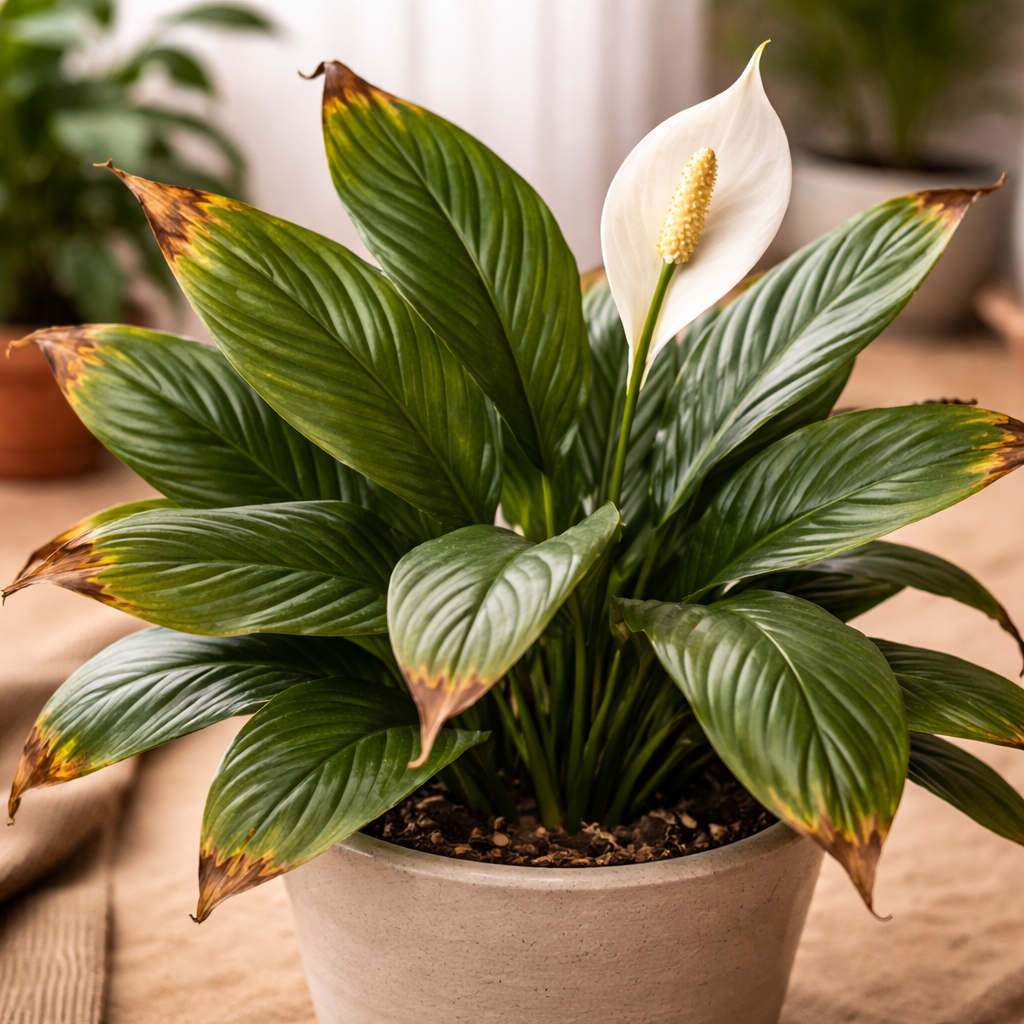
This issue is rarely caused by a single mistake. It usually comes from small but repeated imbalances that affect how the plant manages moisture.
Low humidity, inconsistent watering, and mineral buildup are among the most common causes. Each of these factors interferes with how efficiently water reaches the leaf tips.
When these conditions continue over time, the damage becomes visible and gradually spreads across multiple leaves.
How to Fix Brown Tips on Peace Lily (7 Practical Tips)
1. Keep Soil Consistently Moist
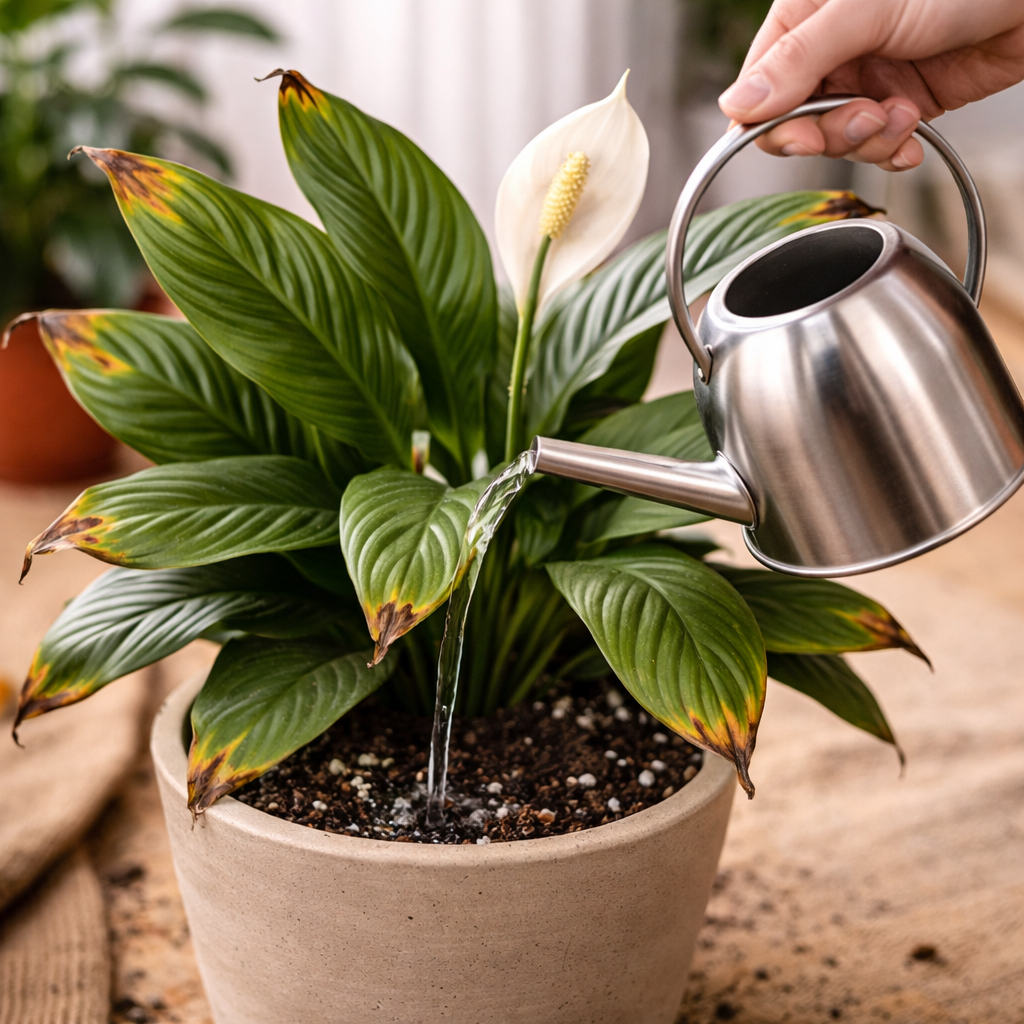
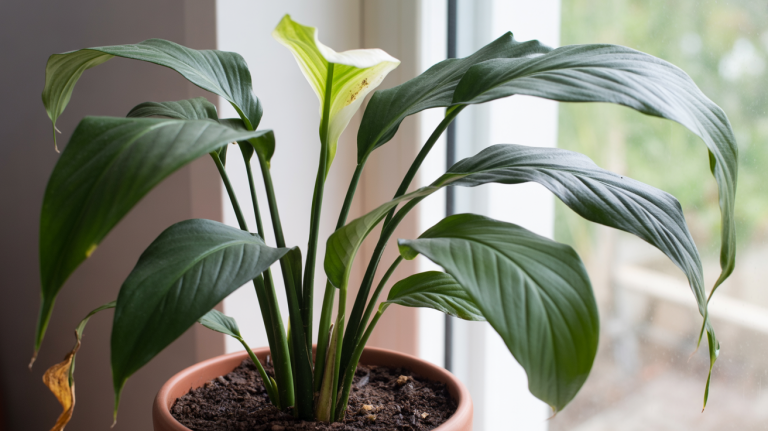
Peace lilies perform best when the soil remains evenly moist rather than alternating between dry and wet extremes. When the plant experiences repeated dry periods, even briefly, the leaf tips are the first areas to show damage.
Water the plant when the top layer of soil feels slightly dry, but avoid letting the soil dry out completely. This helps maintain stable moisture throughout the plant.
2. Avoid Overwatering That Weakens Roots
Overwatering reduces oxygen around the roots and affects how efficiently they function. When roots are stressed, they cannot supply enough water to the leaves, even if the soil appears wet.
This imbalance often leads to browning at the tips because those areas depend on consistent moisture flow. The same pattern can be seen in why peace lily leaves droop even after watering, where water is present but not properly used.
3. Improve Humidity Around the Plant
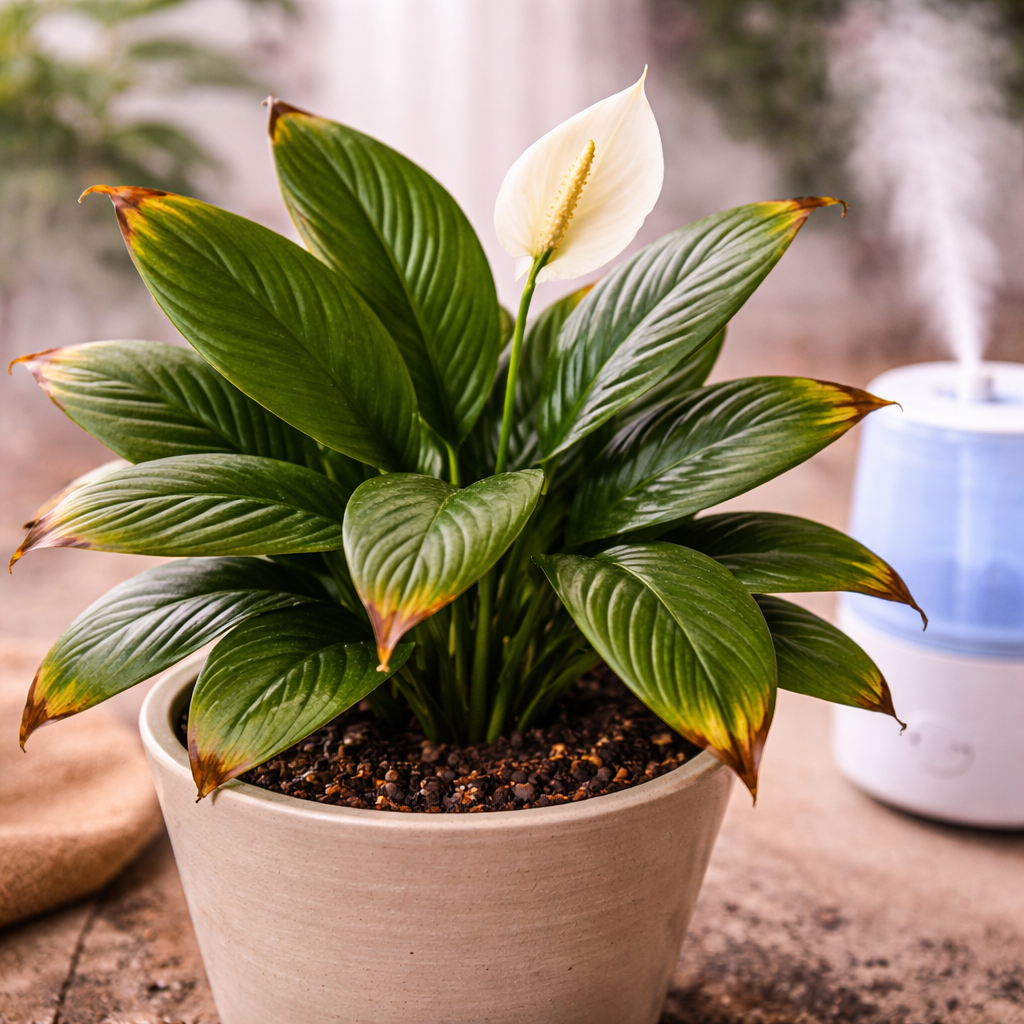
Peace lilies naturally grow in environments with moderate humidity, so dry indoor air can create stress over time. When the air is too dry, moisture evaporates faster from the leaves, especially at the tips.
Maintaining a slightly more humid environment helps reduce this loss. This allows the plant to keep its leaves hydrated and prevents further browning.
4. Pay Attention to Water Quality
Tap water often contains minerals such as chlorine or fluoride, which can build up in the soil over time. These minerals affect how roots absorb water and nutrients.
As buildup increases, the plant may show stress at the leaf tips. Using filtered water or allowing tap water to sit before use can help reduce this effect.
5. Flush the Soil to Remove Buildup
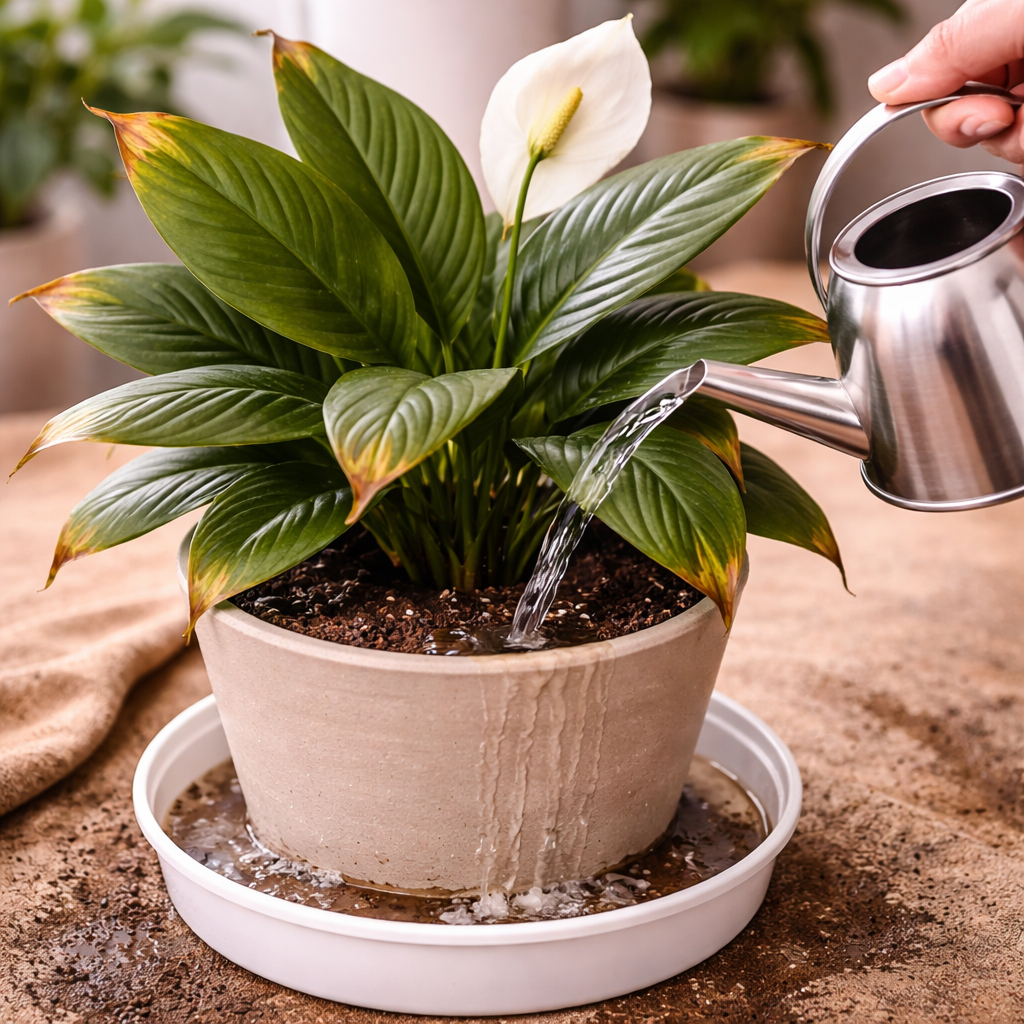
Mineral buildup is not always visible, but it can still affect root performance. When excess minerals accumulate, they interfere with water absorption and create imbalance.
Flushing the soil with clean water occasionally helps remove these deposits. This restores a healthier environment for the roots.
6. Trim Damaged Leaf Tips Properly
Once leaf tips turn brown, they do not recover. Leaving them unchanged does not harm the plant, but it affects the appearance.
Trimming the damaged portion helps maintain a cleaner look and prevents further drying along the leaf edge. Cutting along the natural shape of the leaf produces a more natural result.
7. Keep the Environment Stable
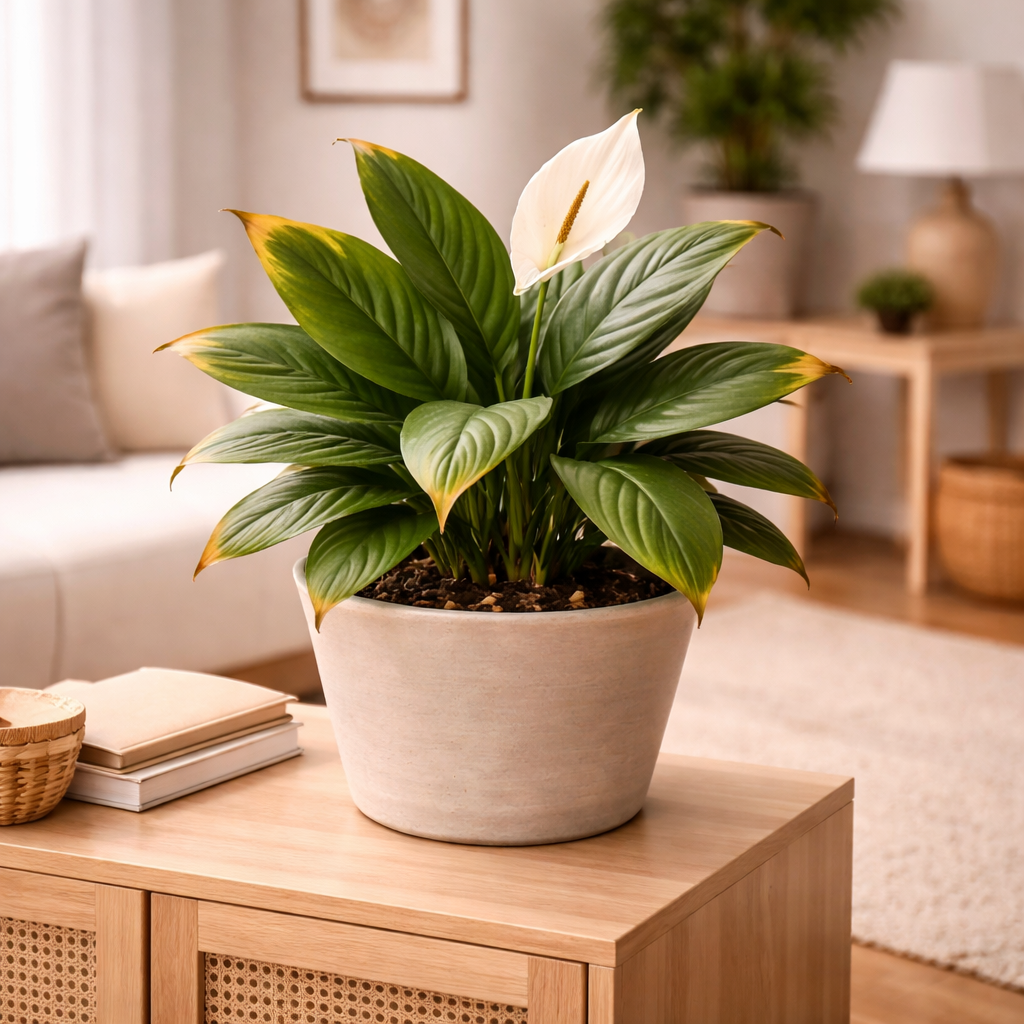
Peace lilies respond strongly to changes in their surroundings. Frequent movement, temperature shifts, or inconsistent care can create stress that affects leaf health.
Keeping the plant in a stable location allows it to maintain balance more easily. Over time, this reduces the likelihood of recurring damage.
Simple Care Routine to Prevent Brown Tips
A consistent care routine is more effective than reacting to problems after they appear. Maintaining even soil moisture, stable humidity, and consistent conditions helps prevent stress before it develops.
Regular observation allows small adjustments to be made early, which reduces the risk of visible damage. This approach supports healthier growth over time.
For a broader understanding of how these factors work together, see complete indoor plant care guide for beginners.
How Long Does It Take to See Improvement
Existing brown tips will not return to green, but improvement becomes visible through new growth. New leaves should develop without damage when conditions are balanced.
This process usually takes several weeks, depending on how consistent care becomes. Gradual improvement is a positive sign that the plant is recovering.
Common Mistakes That Make Brown Tips Worse
Allowing the plant to dry out too often increases stress and leads to more damage. Overwatering weakens roots and prevents proper water distribution.
Using poor-quality water without occasional flushing can cause mineral buildup. Ignoring early signs of imbalance allows the issue to spread across more leaves.
How to Tell If Your Plant Is Recovering
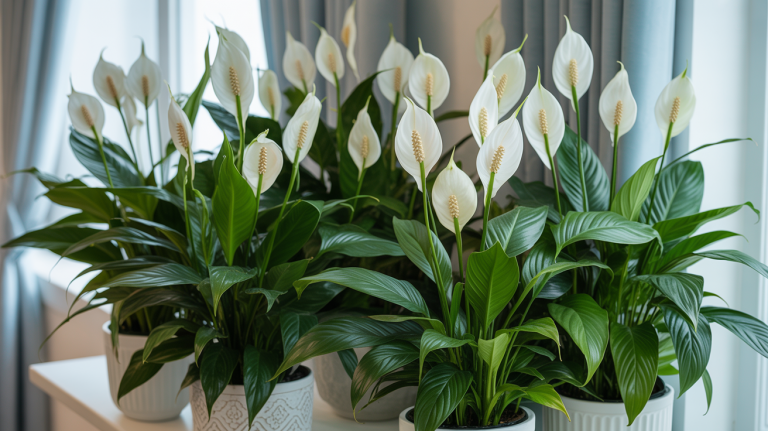
Recovery appears in new leaves rather than old ones. Healthy new growth will have clean edges without browning.
The plant will also look more stable, and changes in leaf condition will become less frequent. These signs indicate that the environment and care routine are improving.
Frequently Asked Questions
Why do peace lily leaves turn brown at the tips?
This usually happens due to low humidity, inconsistent watering, or mineral buildup affecting water balance.
Can brown tips turn green again?
No, damaged tissue does not recover, but new leaves can grow healthy when conditions improve.
Should I cut off brown tips?
Yes, trimming helps improve appearance and prevents further drying.
Is tap water causing brown tips?
It can contribute due to mineral buildup over time.
How do I prevent brown tips from returning?
Maintain consistent watering, improve humidity, and manage water quality carefully.
Final Thoughts
Brown tips are not a sign that the plant is failing, but they do indicate that its environment is slightly out of balance. The plant is still functioning, but it is struggling to maintain moisture at the leaf edges.
When watering, humidity, and root health are aligned, the plant can support strong, healthy leaves without damage. Consistent care over time leads to more stable growth and fewer recurring issues.