Why Peace Lily Leaves Droop Even After Watering (Real Causes + Fixes)
A peace lily can look noticeably droopy even after the soil has just been watered. The leaves hang downward, the structure appears weak, and the plant does not seem to respond the way it normally would after hydration.
This often creates confusion because peace lilies are known to perk up quickly once watered. When that response does not happen, it usually means the issue goes beyond simple dryness.
In many cases, the plant is not lacking water. Instead, it is struggling with how water moves through its system. The roots, soil, and environment all influence this process, and even a small imbalance can affect how the leaves behave.
Why Water Alone Does Not Solve the Problem
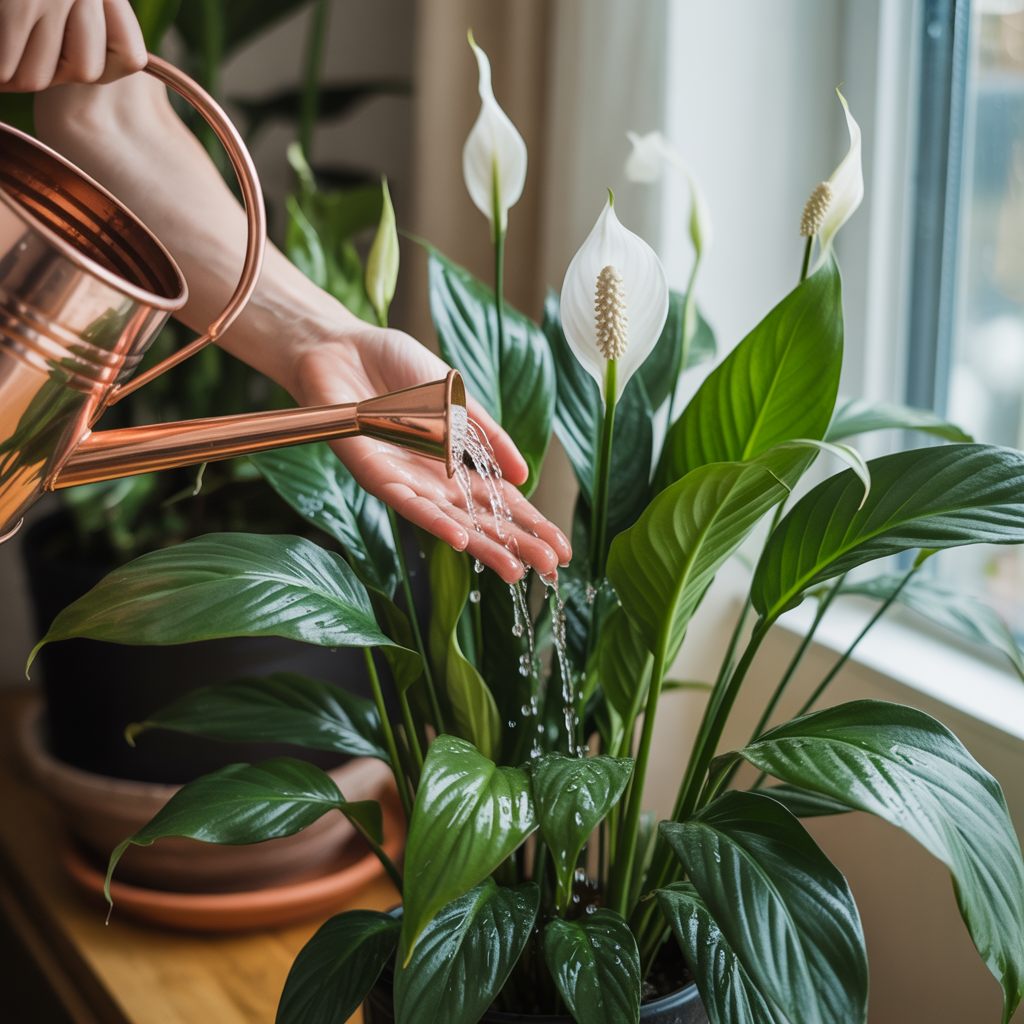
Watering only works when the plant can absorb and distribute moisture efficiently. If that process is interrupted, adding more water does not improve the situation.
Roots must take in water and transport it upward to maintain leaf structure. When roots are stressed or the soil prevents proper flow, this system becomes inefficient.
This is why a plant can sit in moist soil and still appear dehydrated. The issue is not the presence of water, but the plant’s ability to use it.
Understanding What Drooping Really Means
Drooping is a physical response related to internal pressure within the plant. Leaves stay upright when water pressure inside the cells is strong enough to support their structure.
When that pressure drops, the leaves begin to lose firmness and hang downward. This can happen due to both underwatering and overwatering, which is why the symptom can be misleading.
The key is to understand what is preventing the plant from maintaining that internal balance.
The Most Common Reasons Peace Lily Leaves Stay Droopy
1. Roots Are Struggling to Absorb Water
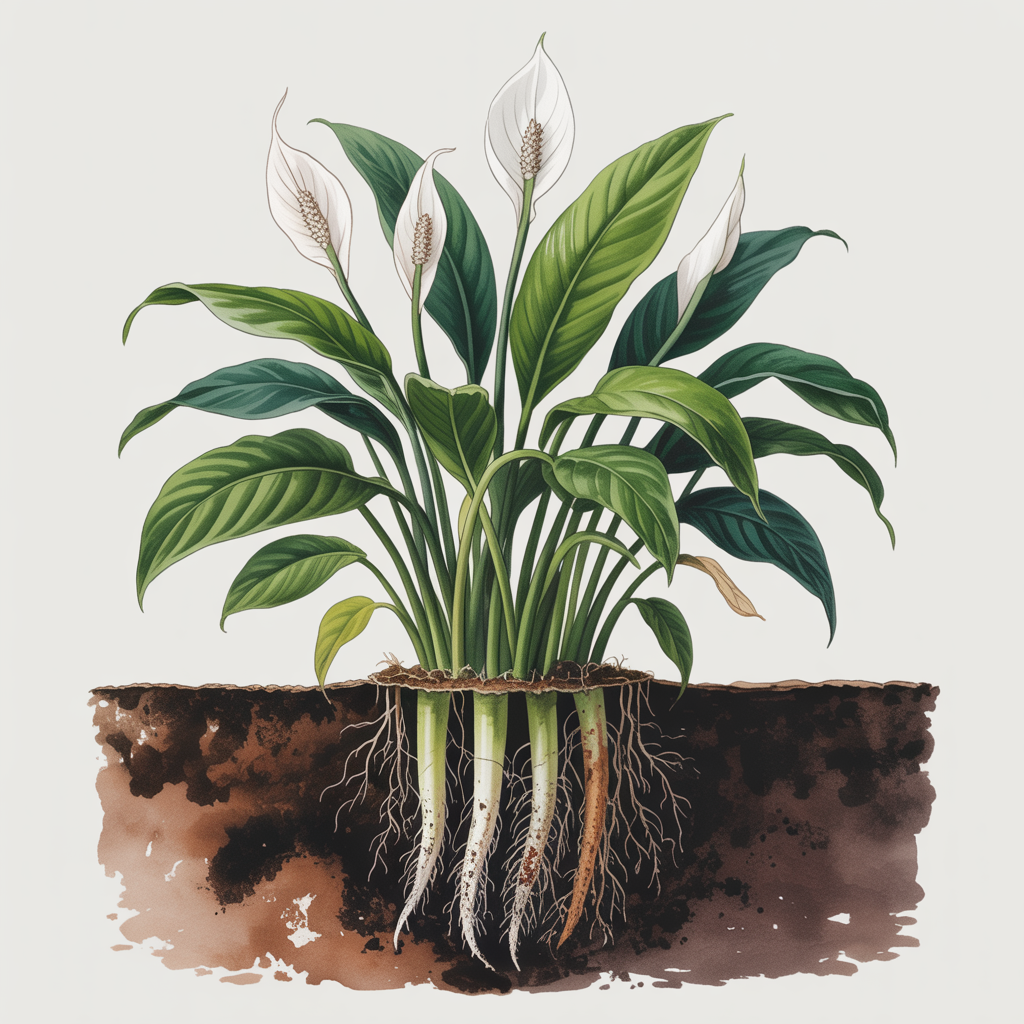
Roots can become less effective even when the soil is moist. This often happens when the soil is compacted or when roots have been slightly damaged.
In these conditions, water does not move freely toward the roots. As a result, the plant cannot maintain the pressure needed to keep leaves upright.
This issue may develop slowly, which makes it harder to recognize at first.
2. Overwatering Has Reduced Oxygen Around the Roots
Peace lilies prefer evenly moist soil, but too much water can limit oxygen availability.
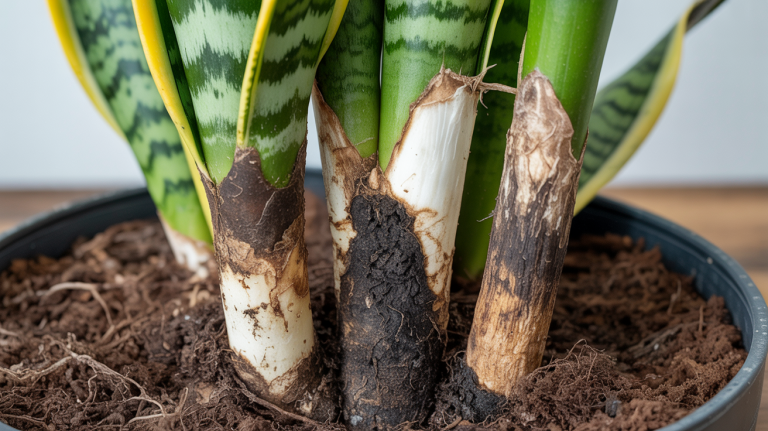
Roots need oxygen to function properly. When soil remains wet for too long, oxygen levels drop, and roots begin to weaken.
This creates a situation where the plant has water but cannot use it efficiently, leading to continued drooping.
👉 Related:
→ Why Snake Plant Roots Rot Even When Watering Seems Normal
3. Soil Structure Is No Longer Balanced
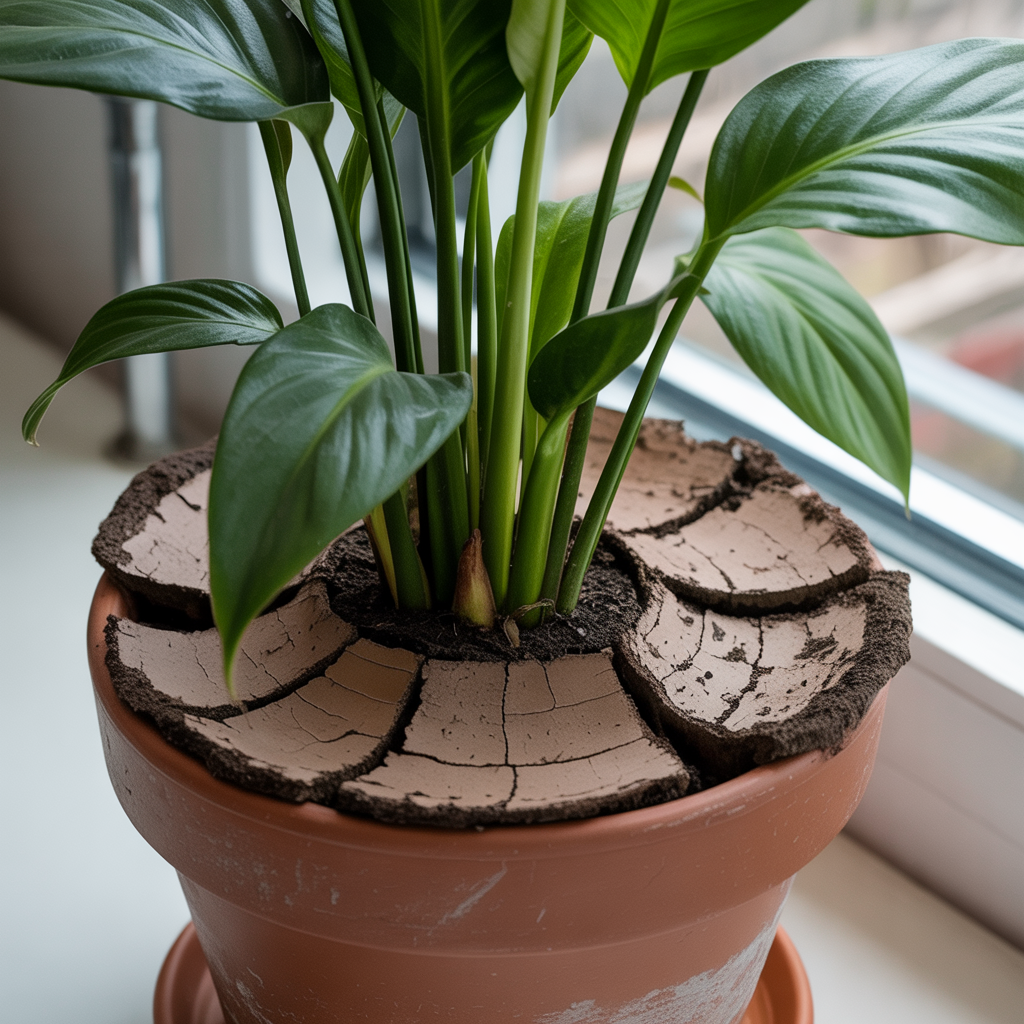
Over time, soil can become compacted or uneven. This affects how water is distributed within the pot.
Some areas may hold too much moisture, while others remain dry. This inconsistency makes it difficult for roots to absorb water evenly.
As a result, the plant experiences stress even when watering appears correct.
4. The Plant Experienced Sudden Dryness Before Watering
Peace lilies react quickly to dry soil. If the plant has been left dry for too long, the roots may temporarily struggle to absorb water after rehydration.
Even after watering, the leaves may remain droopy for a period of time.
This is because the plant needs time to restore internal balance.
5. Environmental Conditions Are Not Stable
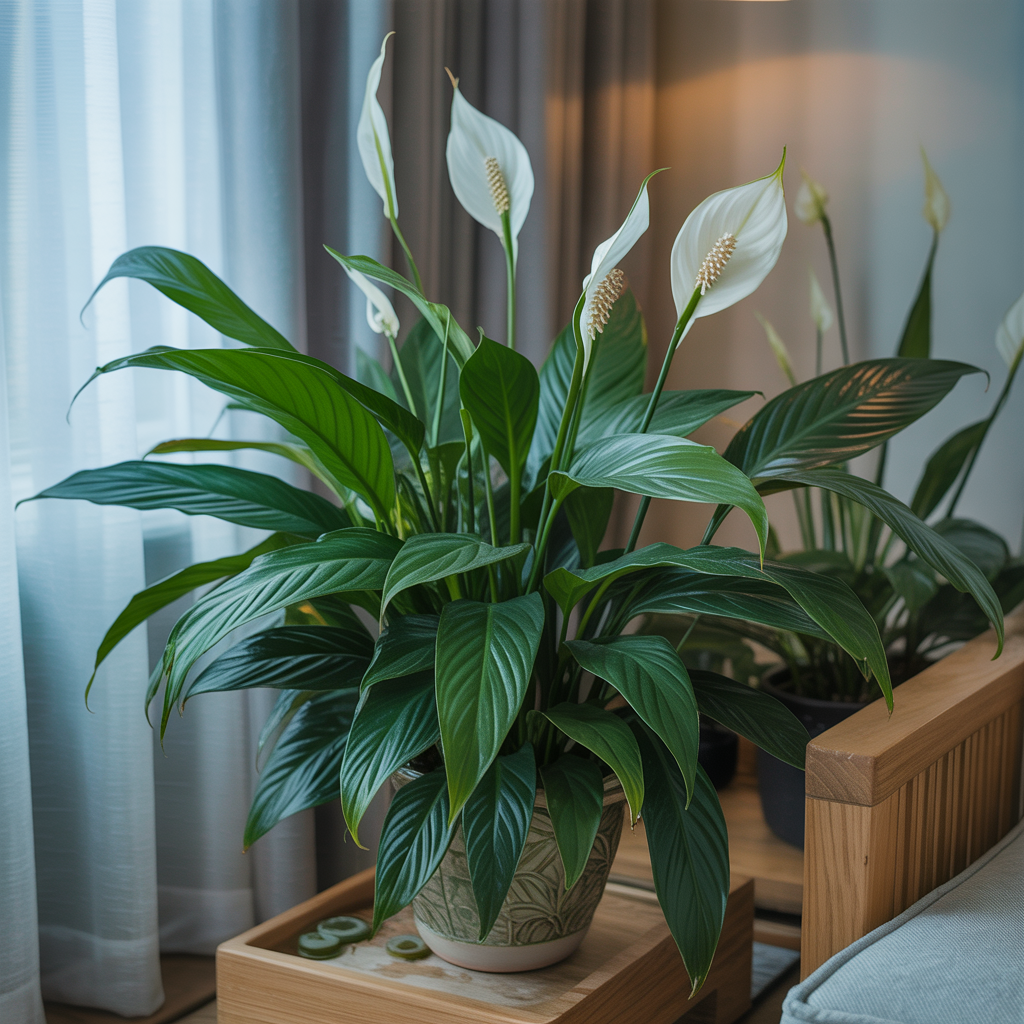
Light, temperature, and humidity all influence how water moves through the plant.
A sudden change in environment can disrupt this balance. For example, dry air or temperature fluctuations can increase stress and slow recovery.
Even if watering is correct, unstable conditions can delay improvement.
6. The Plant Is Root Bound
When roots become crowded, they lose efficiency.
Water may pass through the pot quickly, or it may not reach all parts of the root system evenly. This limits how well the plant can absorb moisture.
In this case, watering alone cannot solve the problem because the roots themselves are restricted.
7. Watering Method Is Not Effective
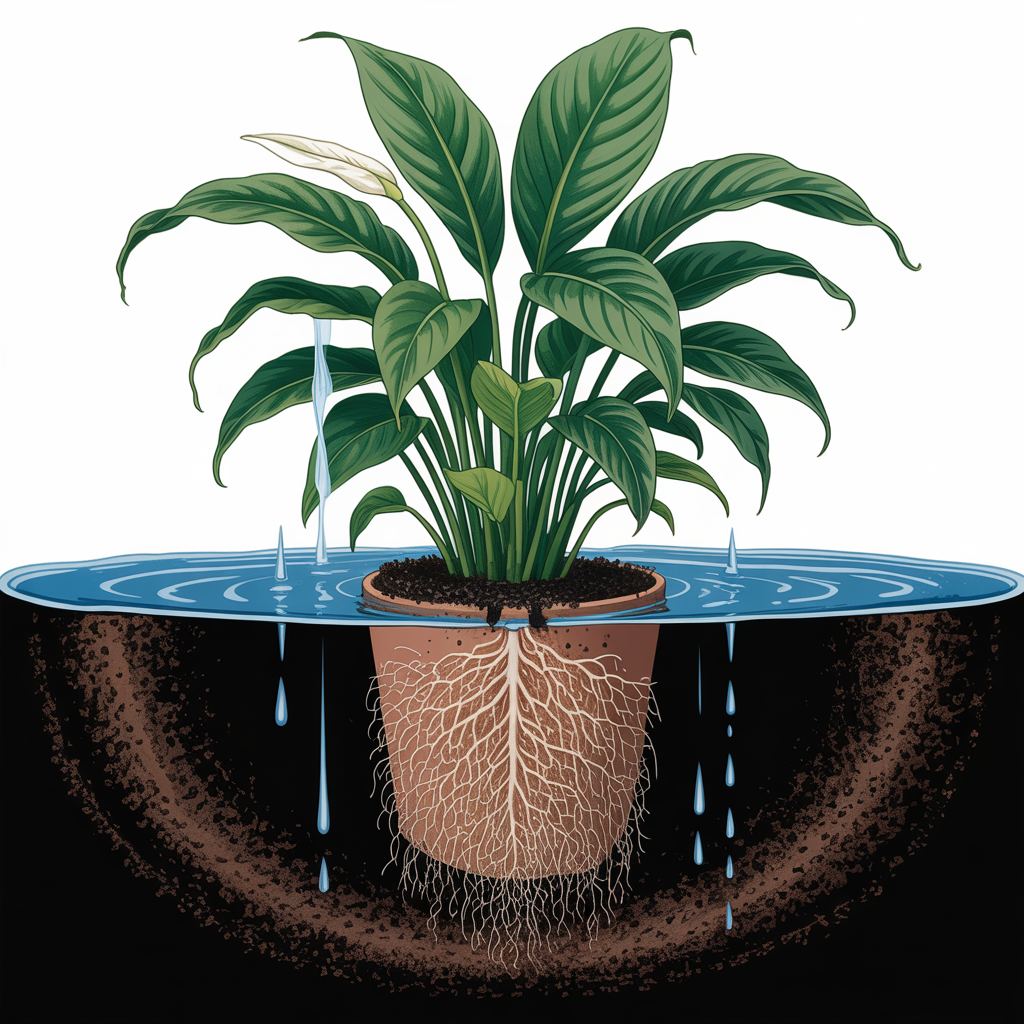
Sometimes the issue is not how often the plant is watered, but how it is watered.
Light surface watering may not reach deeper roots. This leaves parts of the root system dry while the top appears moist.
Over time, this imbalance affects how the plant maintains its structure.
How to Fix Drooping Leaves Step by Step
Start by checking the soil condition rather than assuming the plant needs more water. The soil should feel evenly moist but not saturated.
If the soil is compacted or drains poorly, replacing it with a more balanced mix can improve both airflow and moisture distribution. This helps roots function more effectively.
Next, consider the watering method. Water should be applied thoroughly so that it reaches the entire root system. Excess water should be allowed to drain completely.
It is also important to review environmental conditions. Keeping the plant in a stable location with consistent light and moderate humidity supports recovery.
Avoid making too many changes at once. Gradual adjustments allow the plant to adapt without additional stress.
How Long Does It Take for Recovery
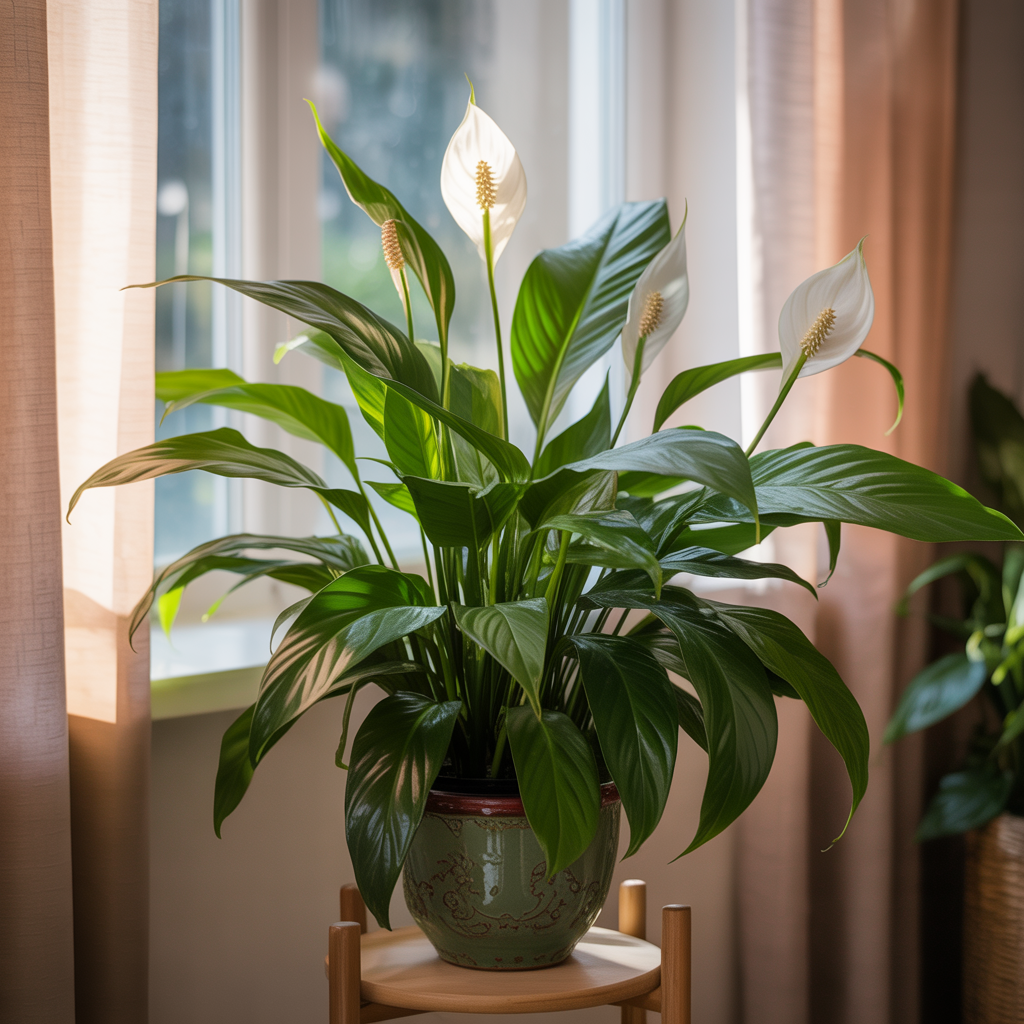
If the issue is mild dehydration, the plant may recover within a few hours after proper watering.
If root stress or soil imbalance is involved, recovery may take several days or longer. In these cases, patience is important.
New growth is often the best sign of improvement. Older leaves may not fully return to their original shape, but healthier new leaves indicate that conditions are improving.
Common Mistakes That Make Drooping Worse
Adding more water without checking the soil can increase root stress.
Using heavy or compact soil reduces airflow and limits root function. Moving the plant frequently can interrupt recovery.
Ignoring early signs of imbalance allows the problem to develop further over time.
These mistakes often come from trying to fix the problem too quickly rather than understanding its cause.
How to Prevent Drooping in the Future
Consistency is the most important factor in preventing drooping.
Watering should be based on soil condition rather than a fixed schedule. The soil should remain evenly moist but not overly wet.
Using well-draining soil helps maintain balance between moisture and airflow. Keeping the plant in a stable environment reduces stress and supports long-term health.
Regular observation allows small adjustments to be made before problems become more serious.
👉 For full care guidance:
→ Complete Indoor Plant Care Guide for Beginners
Frequently Asked Questions
Why does my peace lily droop even after watering?
This usually happens when the roots cannot absorb water efficiently due to soil issues, root stress, or environmental factors.
How long should it take for a peace lily to recover?
Recovery can take a few hours for simple dehydration, but more complex issues may require several days.
Should I water again if the plant is still drooping?
Watering again is not recommended unless the soil is dry, as excess moisture can worsen root problems.
Can drooping be caused by overwatering?
Yes, overwatering can reduce oxygen around the roots, which affects how water is absorbed.
Is drooping always a serious problem?
Not always. In some cases, it is a temporary response, but persistent drooping usually indicates an imbalance.
Final Thoughts
A peace lily that remains droopy after watering is not simply thirsty. It is responding to how water moves through its roots and how stable its environment is.
When soil, roots, and care routines are balanced, the plant is able to maintain strong, upright leaves. This balance takes time to establish, but it leads to more consistent and predictable growth.
Small adjustments made with awareness are often more effective than quick fixes applied without understanding the cause.