Why Orchid Roots Look Healthy but Plant Still Struggles
Why orchid roots look healthy but plant still struggles even with good care?
Many growers rely on root appearance as the main indicator of plant health. When roots look green and firm, it feels safe to assume that everything is working as expected.
However, orchids often behave differently from that assumption. A plant can display healthy roots while showing slow growth, weak leaves, or a complete lack of blooming.
Why Healthy Roots Do Not Guarantee a Healthy Orchid
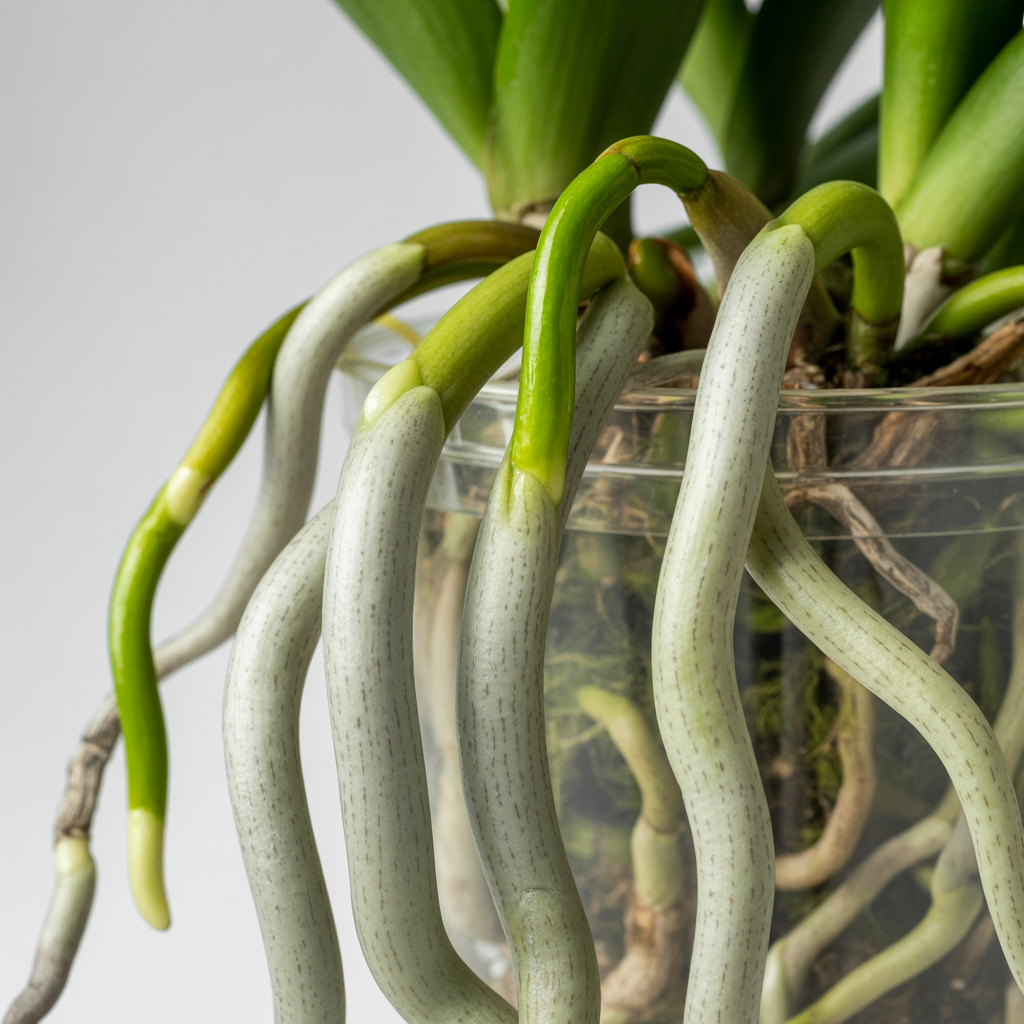
Orchid roots are designed to adapt to changing moisture conditions. Their color and appearance often reflect hydration levels rather than true performance.
A root that appears green and firm may still be functioning below its full capacity. It may not be absorbing water evenly, or it may not be supplying enough support to the rest of the plant.
This creates a situation where the plant remains stable but does not progress. The leaves may look acceptable, yet growth slows or stops entirely.
The Key Difference: Root Appearance vs. Root Function
The most important distinction lies between what roots look like and what they actually do.
Functional roots absorb water efficiently, distribute nutrients evenly, and support energy flow throughout the plant. Roots that only appear healthy may not perform all of these tasks effectively.
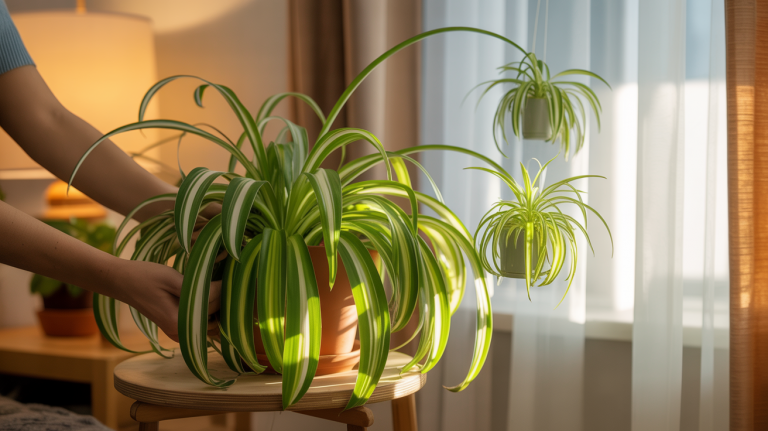
When function declines slightly, the plant adjusts by reducing growth. This pattern is similar to why spider plant looks healthy but doesn’t grow, where stability replaces development.
Hidden Reasons Your Orchid Still Struggles
1. Light Is Too Weak to Support Real Growth
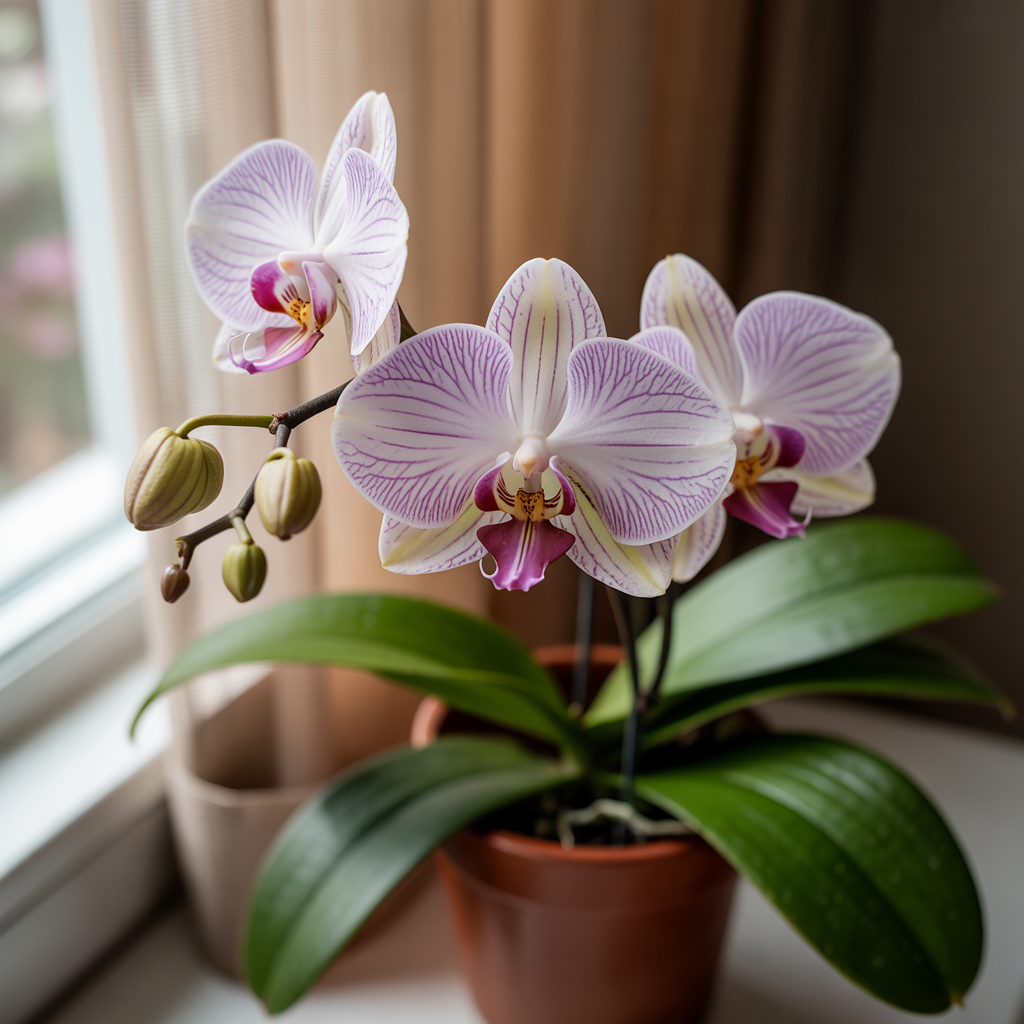
Light determines how much energy the plant can generate.
An orchid in low or moderate light may maintain healthy-looking roots because basic survival is supported. However, growth and blooming require a higher level of energy.
Without sufficient light, the plant remains in a maintenance phase.
2. Water Reaches Roots Unevenly
Watering can appear correct while still being ineffective.
Some parts of the root system may receive enough moisture, while others remain dry or poorly aerated. This uneven distribution reduces overall efficiency.
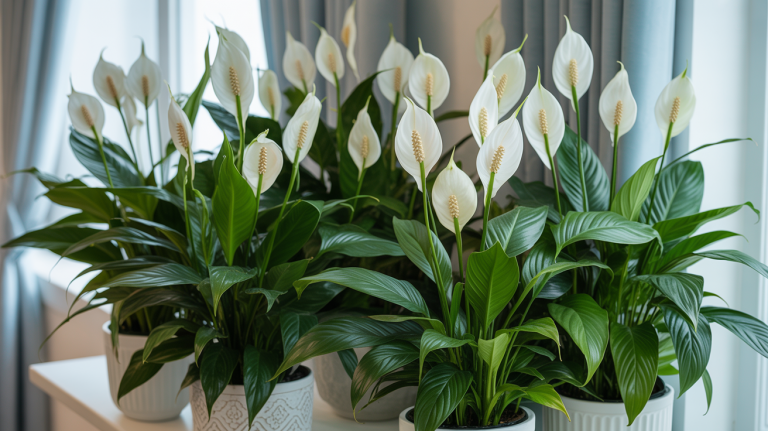
A similar imbalance appears in why peace lily leaves droop even after watering, where water exists but is not properly used.
3. The Growing Medium Has Lost Its Structure
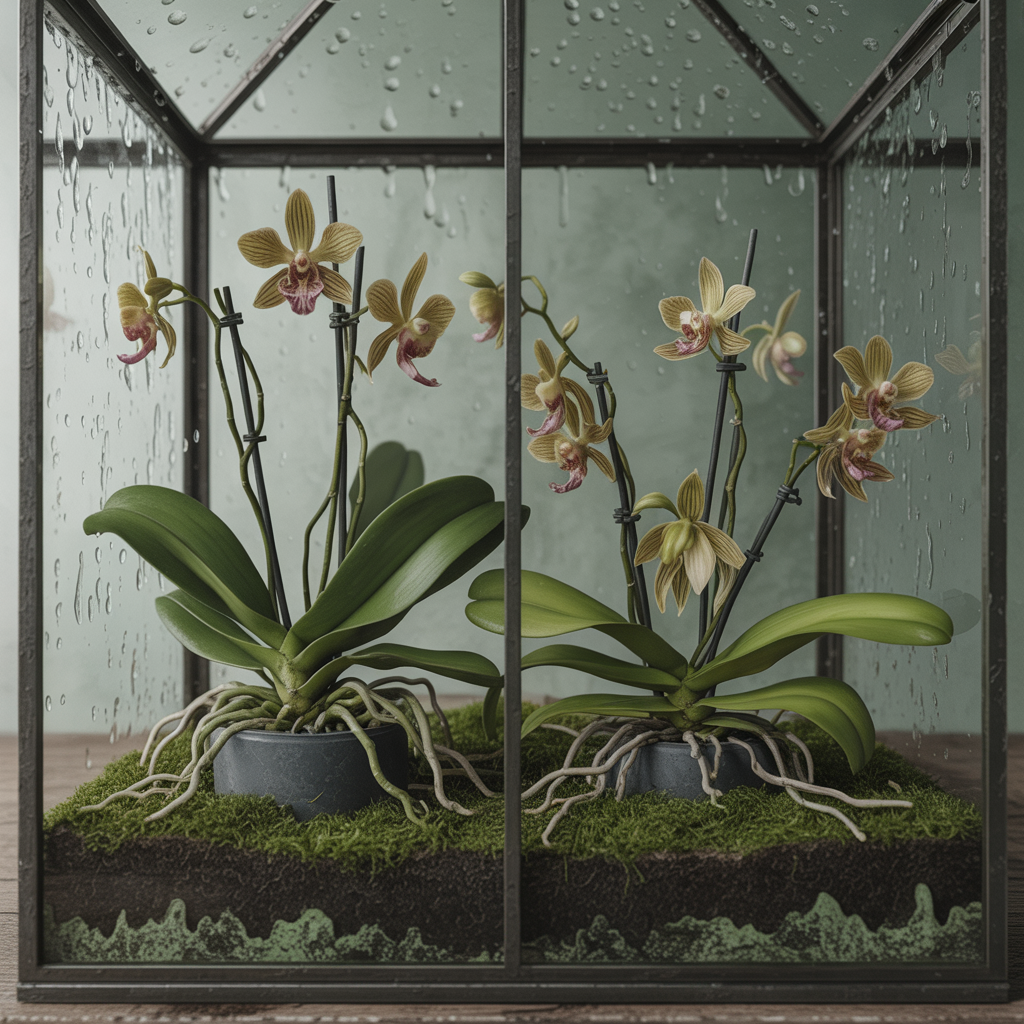
Orchid media changes over time.
Bark breaks down, moss compacts, and airflow decreases. Even if roots still look intact, their environment may no longer support efficient function.
This limits oxygen access and slows down the plant’s internal processes.
4. The Plant Is Recovering, Not Growing
After flowering or stress, orchids often enter a recovery phase.
During this stage, energy is directed toward rebuilding rather than producing visible growth. Roots may appear healthy because they are stable, but the plant is not ready to expand.
This phase is often mistaken for a problem when it is actually part of the cycle.
5. Nutrient Levels Are Too Low to Drive Growth
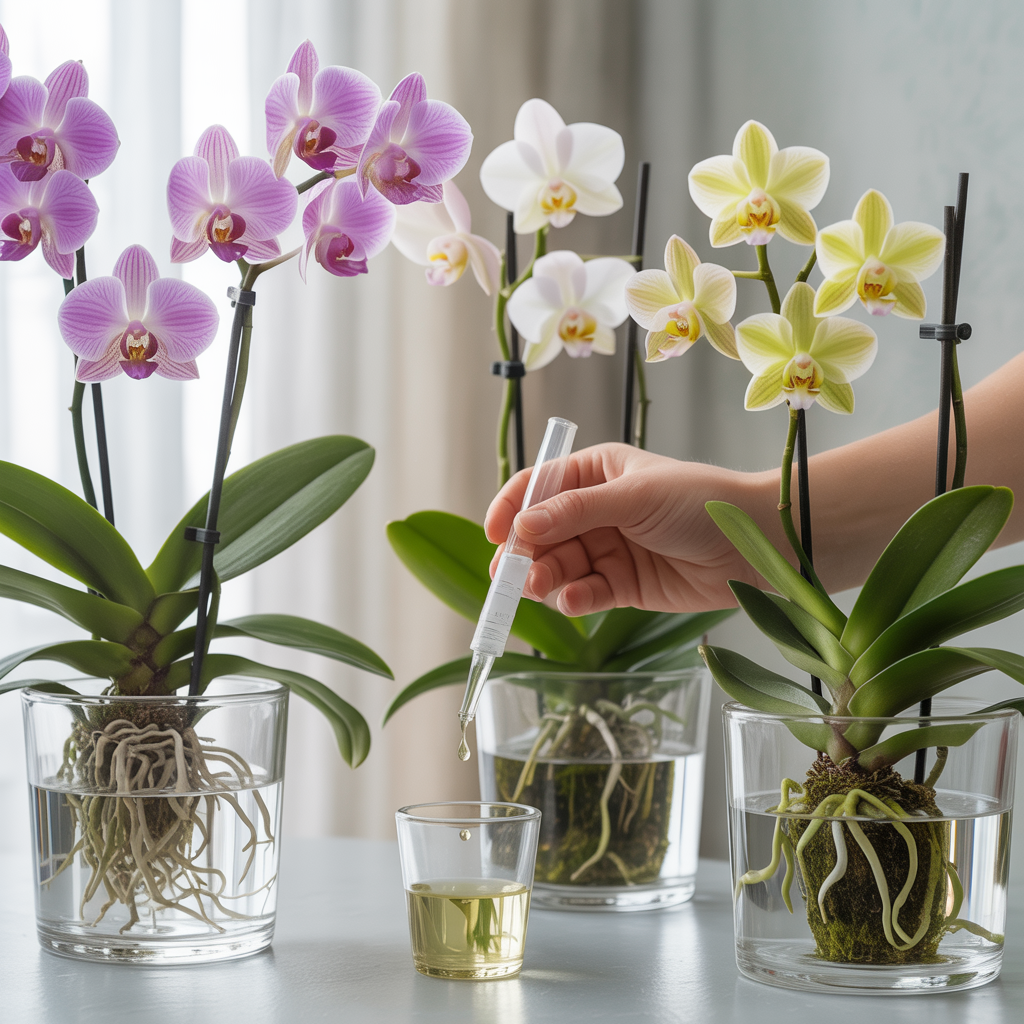
Orchids do not require heavy feeding, but they still depend on consistent nutrient availability.
When nutrients are limited, the plant maintains its structure but does not produce new growth. This creates the appearance of stability without progress.
6. No Environmental Trigger for Growth or Blooming
Orchids rely on environmental signals to shift into new phases.
Without changes in light intensity or temperature, the plant may remain inactive.
This is closely related to why orchid stops blooming after first flowers fall, where missing triggers delay flowering.
How to Fix the Problem Step by Step
1. Improve Light Gradually
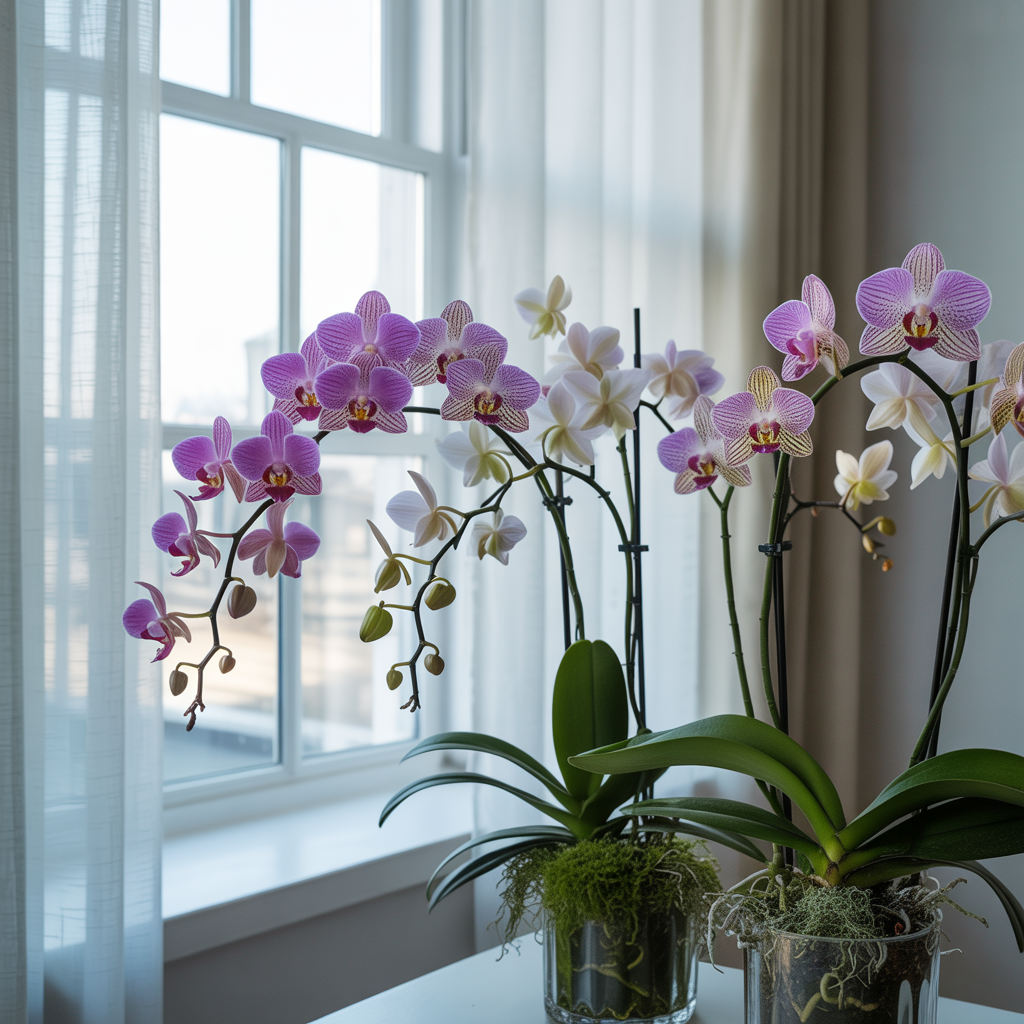
A brighter environment allows the plant to generate more energy.
Indirect light that remains consistent throughout the day is more effective than short periods of strong exposure. Gradual adjustment helps avoid stress.
2. Focus on Water Movement, Not Just Frequency
Watering should ensure even distribution across the entire root system.
A thorough watering followed by proper drainage creates a balanced environment. This supports consistent hydration and improves root performance.
3. Replace Old Growing Medium
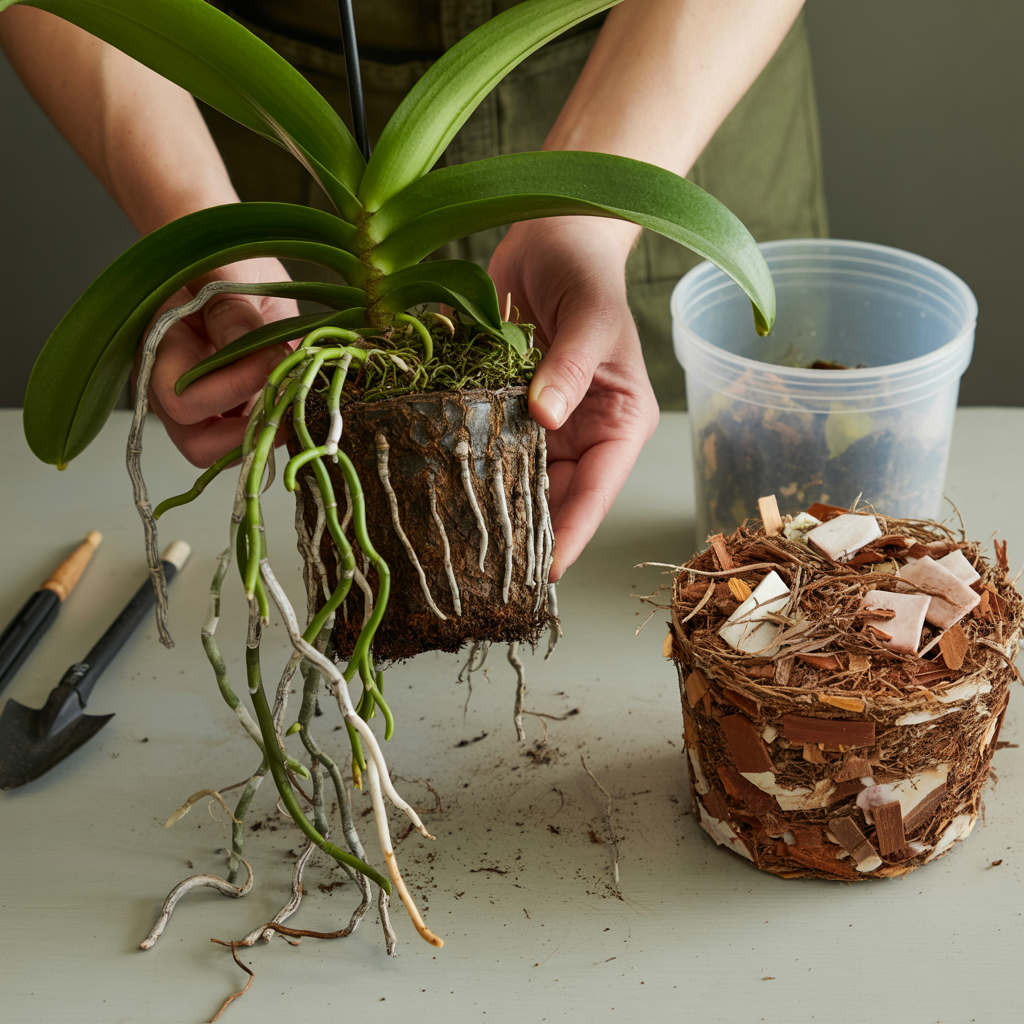
Refreshing the medium restores airflow and moisture balance.
A well-structured mix allows roots to receive both oxygen and water efficiently. This change often leads to noticeable improvement over time.
4. Support Airflow Around Roots
Airflow is essential for root function.
A pot and medium that allow ventilation help maintain oxygen levels. This improves how roots absorb water and nutrients.
5. Add Light, Consistent Feeding
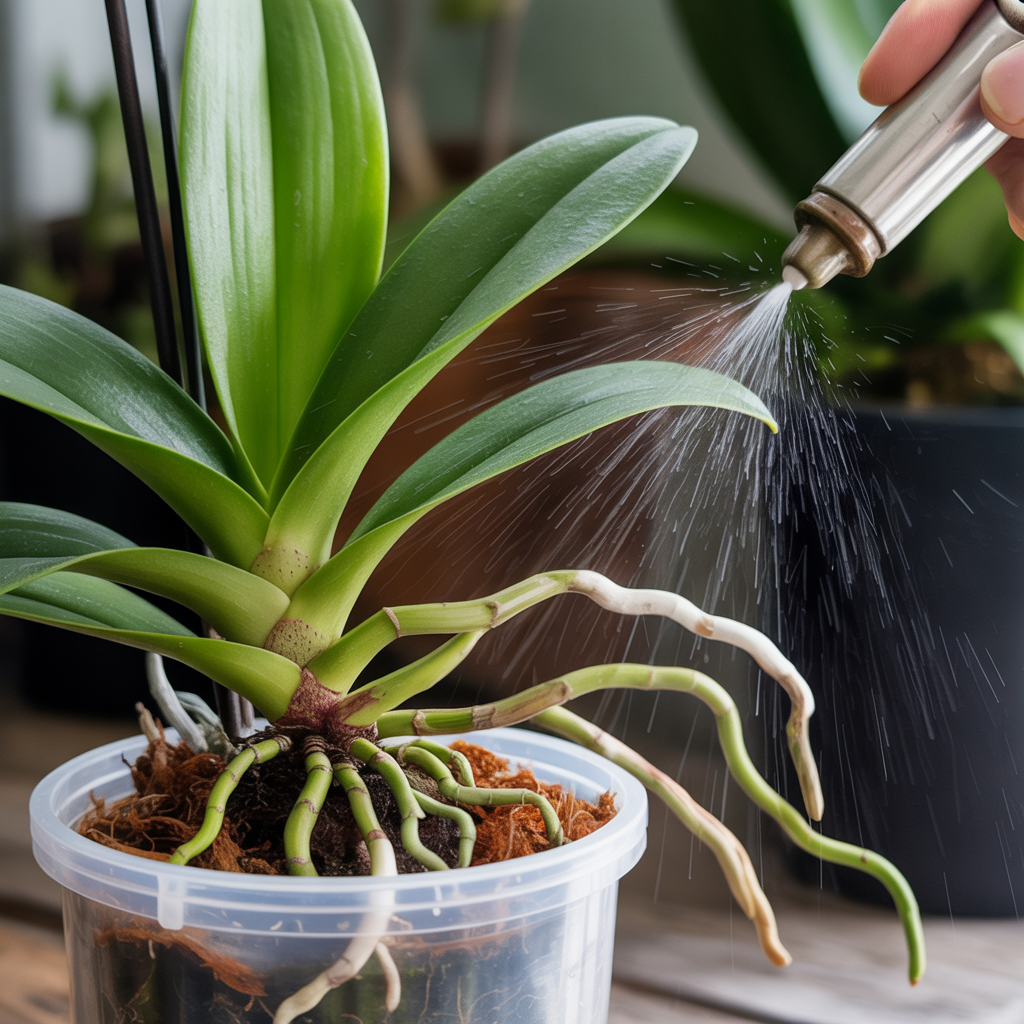
Small amounts of nutrients support energy storage.
Balanced feeding during active growth helps the plant prepare for future development without creating excess.
6. Allow Recovery Before Expecting Growth
A plant that has experienced stress needs time to stabilize.
Consistent conditions help the plant rebuild strength. Growth returns gradually once internal balance is restored.
7. Introduce Gentle Environmental Variation
Slight differences in temperature or light can trigger change.
These variations signal the plant to move beyond maintenance. They should be subtle and consistent rather than extreme.
How to Know Your Orchid Is Improving
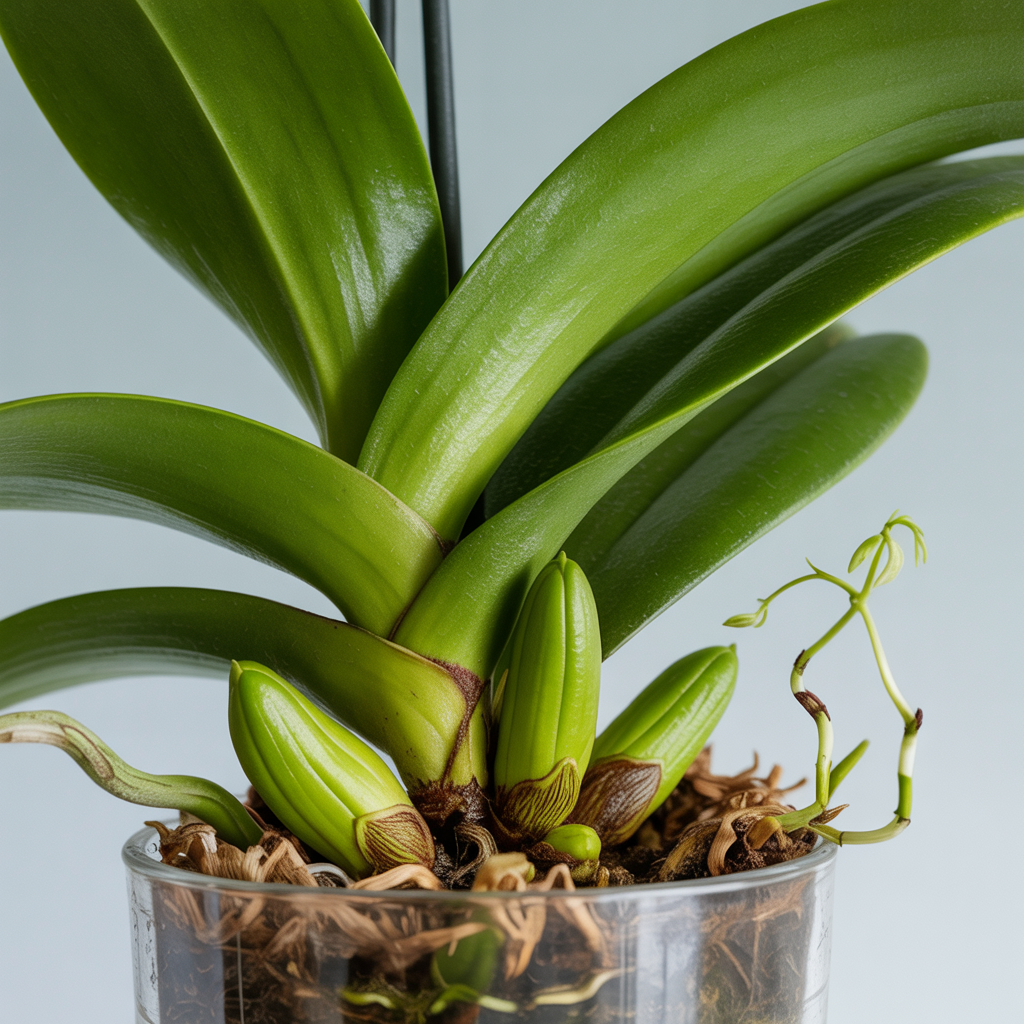
Improvement appears in new growth.
Leaves become firmer, and growth points become more active. Over time, the plant may begin preparing for flowering.
These changes indicate that the system is functioning more effectively.
Common Mistakes That Delay Progress
Focusing only on root appearance often leads to incorrect conclusions.
Increasing watering without improving airflow can create further imbalance. Keeping the plant in low light while expecting growth limits results.
Multiple changes made at once can slow recovery instead of helping.
How This Fits Into a Bigger Care Strategy
Orchid care works best as a system rather than a set of isolated actions.
Light, water, airflow, and nutrients must work together. When one factor is out of balance, the entire system adjusts.
For a broader understanding of how these elements interact, see complete indoor plant care guide for beginners, where these relationships are explained in more detail.
Frequently Asked Questions
Why do orchid roots look healthy but the plant is weak?
This usually happens because root function is limited by environmental conditions.
Can healthy-looking roots still be ineffective?
Yes, appearance does not always reflect performance.
How can I improve orchid growth?
Improving light, refreshing the medium, and supporting airflow can help.
Does repotting solve the issue?
It often helps when the growing medium has degraded.
How long does recovery take?
Improvement usually appears gradually over several weeks.
Final Thoughts
An orchid with healthy-looking roots can still struggle when its internal system is not fully aligned.
Growth returns when light, water movement, airflow, and environmental signals work together. Small, consistent adjustments often lead to the most reliable results.
Understanding this balance allows you to move beyond guesswork and support the plant more effectively over time.