Why Is Your Snake Plant Not Growing Even in Bright Light?
A snake plant can stay unchanged for a long time, even when it is placed in a bright location that should support growth. The leaves remain firm, the color stays consistent, and nothing appears unhealthy, yet no new shoots develop over time.
This lack of progress often leads to confusion because light is usually considered the main driver of plant growth. When a snake plant still does not grow in bright conditions, the issue is rarely caused by light alone. Growth depends on how multiple factors work together, including root condition, watering balance, and environmental stability.
In many cases, the plant is not struggling in an obvious way. Instead, it is maintaining its current state because one or more conditions are limiting its ability to develop further. Identifying these hidden limitations makes it possible to support steady growth without making unnecessary or drastic changes.
Why Bright Light Alone Is Not Enough
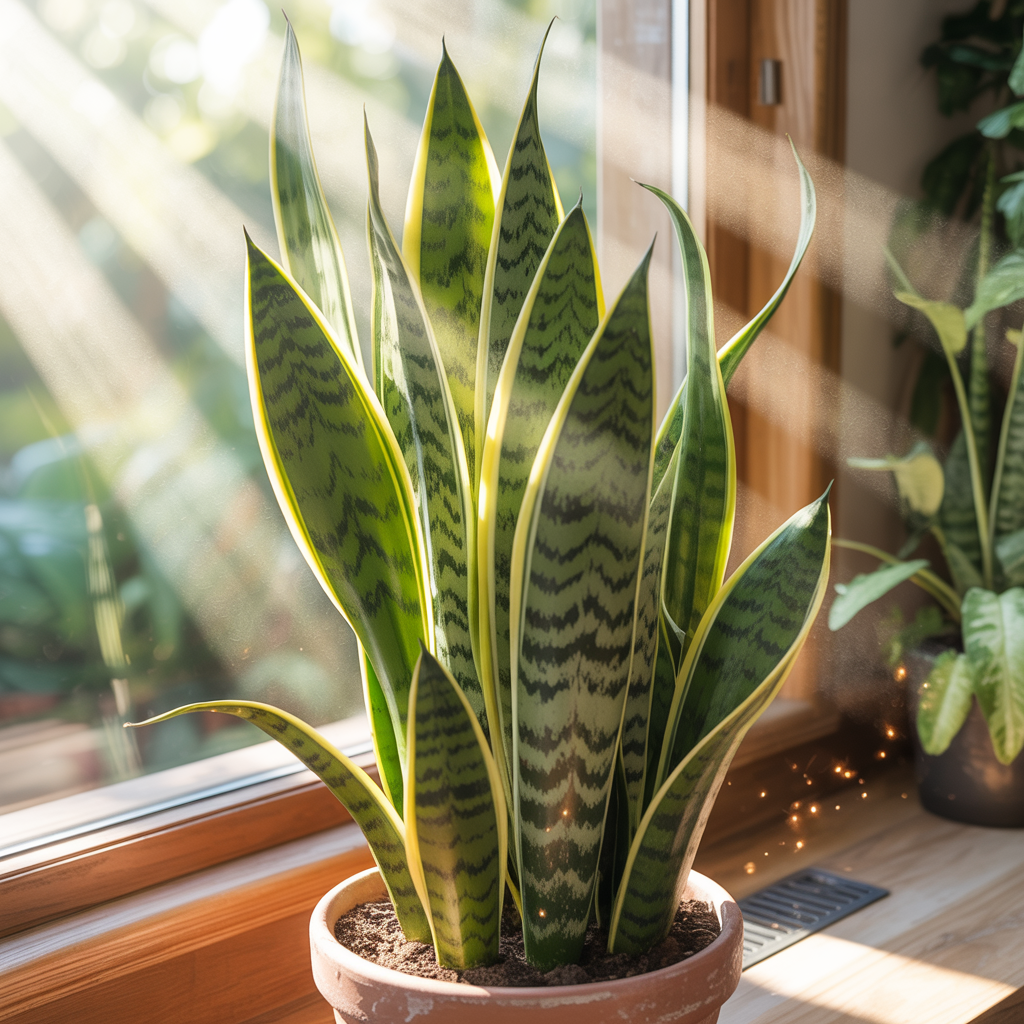
Bright light supports growth, but it does not guarantee it. A snake plant uses light as energy, yet it still relies on proper watering, healthy roots, and stable conditions to convert that energy into new development.
A plant can receive enough light but still fail to grow if:
- The roots are stressed or restricted
- Watering habits are inconsistent
- The environment is unstable
This means that light should be seen as one part of a larger system rather than the only solution.
The Real Reasons Snake Plants Stop Growing
1. The Light Is Bright but Not Effective
Not all bright light supports growth equally. A space may appear bright to the eye, but the intensity or duration of light may still be insufficient for active development.
For example, light filtered through curtains or reflected from walls may not provide enough energy for growth. Seasonal changes can also reduce light intensity even in the same location.
How to Fix It
Place the snake plant closer to a window where it receives consistent, indirect light. Morning light is often more effective than weak, scattered light throughout the day. Adjust placement gradually rather than making sudden changes.
2. Overwatering Slows Down Root Function
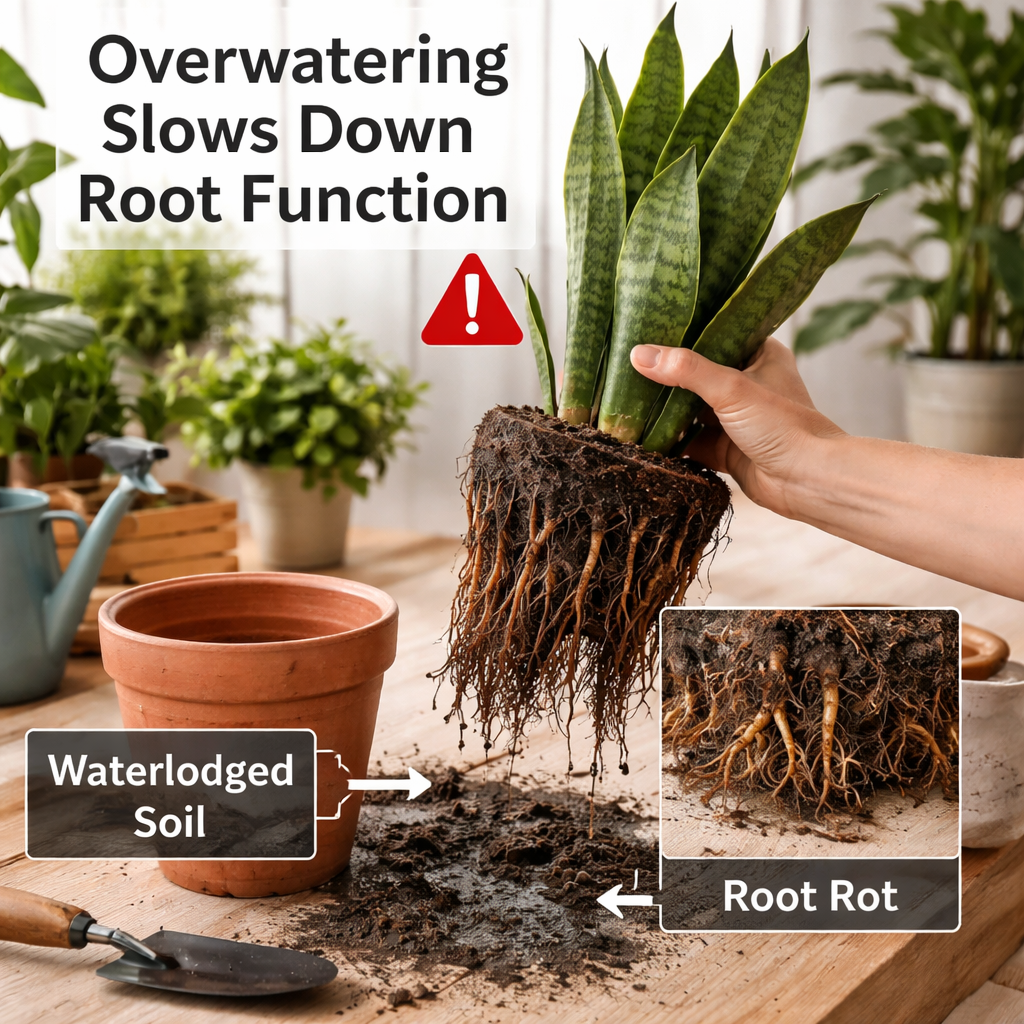
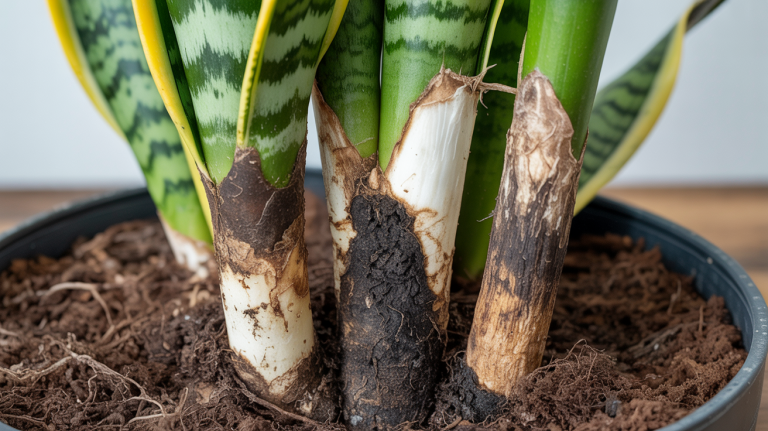
Snake plants prefer dry conditions, and excess moisture can weaken the roots over time. Even when the plant looks healthy, overwatering can reduce its ability to absorb nutrients, which directly affects growth.
This problem often develops slowly, making it difficult to notice at first.
How to Fix It
Allow the soil to dry completely before watering again. Reduce watering frequency, especially during cooler months when growth naturally slows down.
👉 For related root issues:
→ See Why Snake Plant Roots Rot Even When Watering Seems Normal
3. The Roots Are Too Crowded
Snake plants grow slowly above the soil, but their roots continue to expand below the surface. When the pot becomes too small, the roots have no space to support new growth.
This often results in a plant that looks stable but does not develop further.
How to Fix It
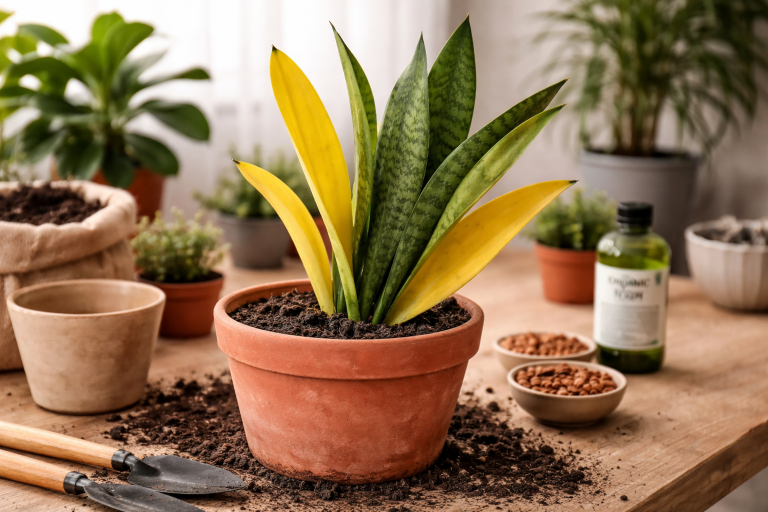
Check if the roots are tightly packed. If so, repot the plant into a slightly larger container with fresh, well-draining soil.
4. The Plant Is Conserving Energy
Snake plants are naturally slow growers. When conditions are not ideal, they often conserve energy instead of producing new leaves.
Even with bright light, a plant may pause growth if:
- Watering is inconsistent
- Temperature fluctuates
- The plant was recently moved
How to Fix It
Keep care routines stable and avoid frequent changes. Consistency allows the plant to use its energy more efficiently.
5. Nutrient Imbalance in the Soil
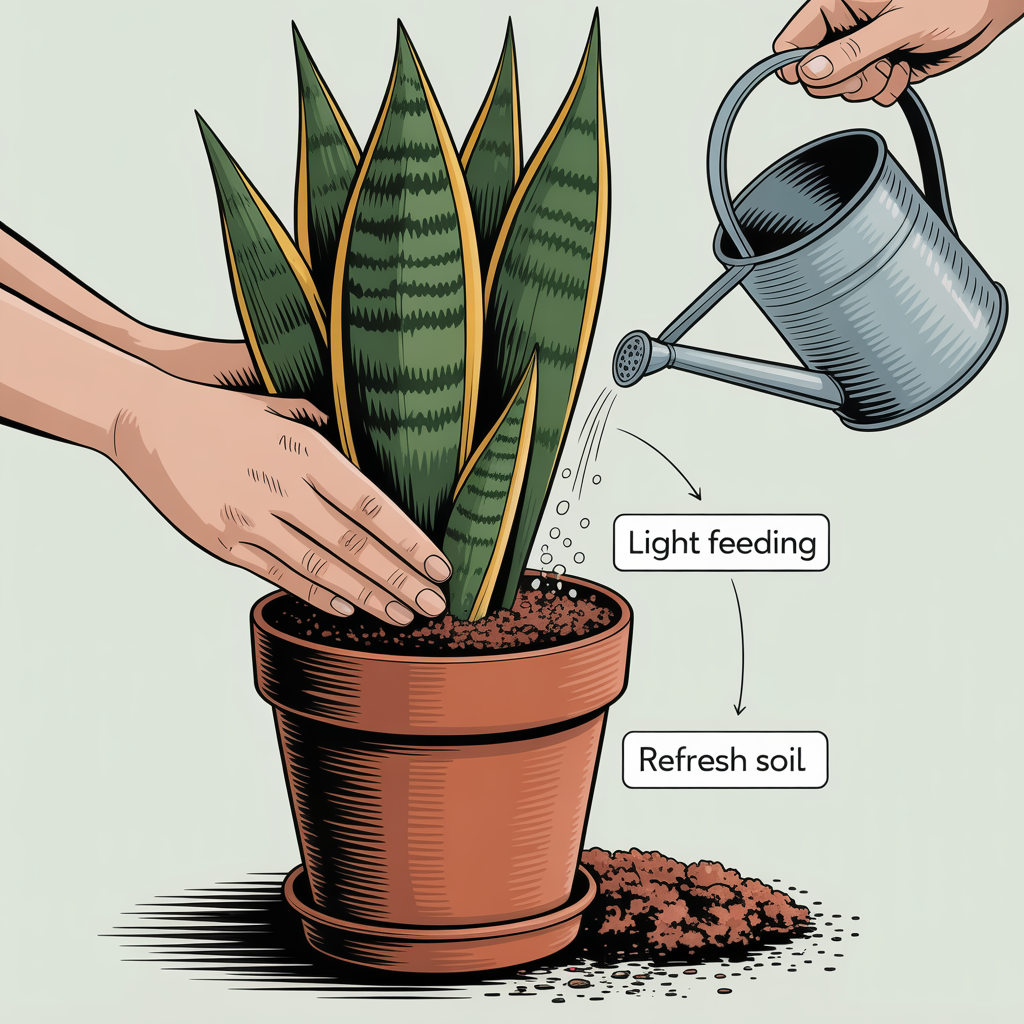
While snake plants do not require heavy feeding, poor soil conditions can limit growth over time. Old soil may lose nutrients or develop buildup that affects root function.
How to Fix It
Refresh the soil periodically and use light feeding during active growth periods. Avoid excessive fertilizer, as this can create imbalance rather than improvement.
How to Encourage Snake Plant Growth Step by Step
Improving growth requires a balanced approach rather than focusing on one factor alone.
First, ensure that light is consistent and strong enough to support development. Next, adjust watering habits so that the soil dries between watering sessions. Then, check root space and repot if necessary.
After these adjustments, maintain stable conditions and allow time for the plant to respond. Growth may not appear immediately, but consistent care usually leads to gradual improvement.
Common Mistakes That Keep Snake Plants Stuck

Many attempts to fix slow growth can unintentionally make the situation worse.
Watering more frequently in an effort to “help” the plant often leads to root stress. Moving the plant repeatedly can disrupt its ability to adapt. Adding fertilizer too early can create imbalance if the plant is not actively growing.
A more effective approach involves making small changes and allowing time for results.
How Long Does It Take for Growth to Return?
Snake plants grow slowly by nature, so changes may not be visible immediately. Once conditions improve, new shoots may begin to appear over several weeks.
The key is to look for gradual progress rather than expecting sudden changes. Consistent care supports long-term development more effectively than quick fixes.
Related Indoor Plant Growth Issues
Growth problems are not unique to snake plants. Similar patterns can appear in other indoor plants.
👉 Explore:
- Why Indoor Plants Stop Growing Suddenly
- Why Spider Plant Looks Healthy But Doesn’t Grow
- Why Pothos Growth Slows Down Indoors
Understanding these patterns helps build a more reliable approach to plant care overall.
Frequently Asked Questions
Why is a snake plant not growing even in good light?
A snake plant may stop growing if other factors such as watering, root space, or environment are not balanced, even when light is sufficient.
Do snake plants grow faster in bright light?
Yes, bright indirect light supports faster growth, but only when combined with proper watering and healthy roots.
How often should a snake plant be watered?
Snake plants should be watered only when the soil is completely dry, which usually means every few weeks depending on conditions.
Should fertilizer be used to boost growth?
Fertilizer can help during active growth periods, but it should be used sparingly to avoid imbalance.
Is slow growth normal for snake plants?
Yes, snake plants are naturally slow growers, but they should still show gradual development over time.
Final Thoughts
A snake plant that does not grow even in bright light is usually responding to a combination of factors rather than a single issue. Light alone cannot drive growth if roots, watering, or environmental conditions are not aligned.
By focusing on balance and consistency, it becomes easier to support steady growth without unnecessary adjustments. Small improvements applied over time often lead to the most reliable results.