Why Indoor Plants Stop Growing Suddenly (Complete Guide + Fixes)
Indoor plants often appear stable for weeks or even months, then suddenly stop showing any new growth. Leaves remain green, stems look upright, and nothing seems obviously wrong. Yet, no new shoots develop, and the plant feels “stuck” in place.
This situation is more common than many expect. In most cases, a plant that stops growing is not dying. Instead, it is responding to subtle changes in its environment.
Growth depends on a balance of light, water, root health, and stability. When one of these factors shifts, even slightly, the plant may pause development to conserve energy.
Understanding these signals makes it possible to restore steady growth without overcorrecting or causing additional stress.
What “Stopped Growth” Really Means
Not all growth pauses indicate a problem. Indoor plants naturally go through periods where development slows down.
A plant may:
- Maintain its current size
- Keep existing leaves healthy
- Pause new growth temporarily
This often happens during seasonal transitions or when environmental conditions change. However, when the pause lasts too long, it usually points to an imbalance that needs attention.
The 5 Main Reasons Indoor Plants Stop Growing
1. Light Is No Longer Enough
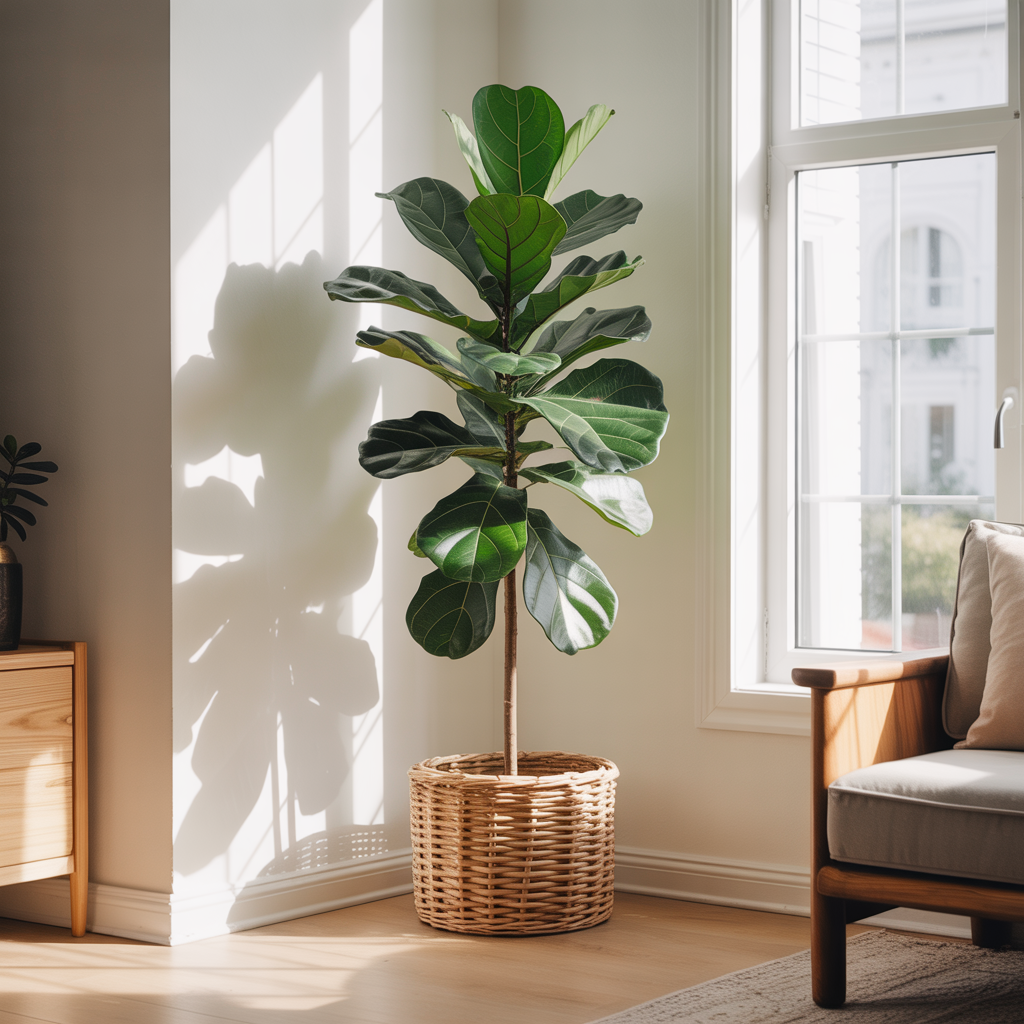
Light is the primary source of energy for plant growth. Even a small reduction can affect development.
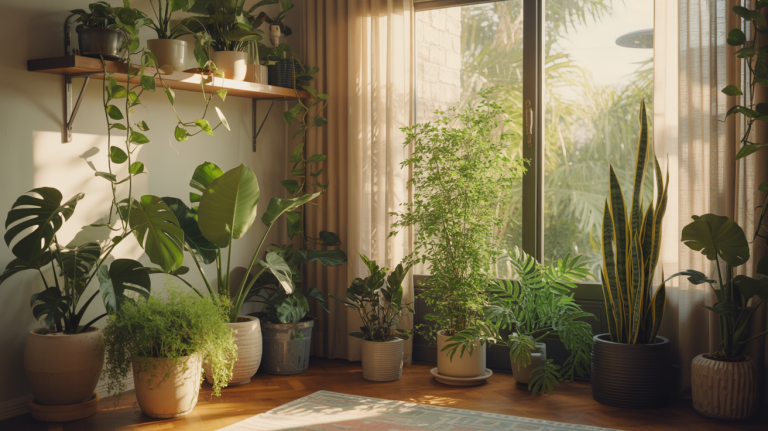
A plant placed near a window may receive:
- Less sunlight due to seasonal changes
- Blocked light from curtains or furniture
- Indirect light that is too weak
When light becomes insufficient:
- Growth slows or stops
- Leaves remain but do not expand
- New shoots fail to appear
👉 What to do:
- Move the plant closer to a bright window
- Ensure light is indirect but consistent
- Rotate the plant occasionally for even exposure
👉 Related guides:
- Best Place to Put Spider Plant Indoors for Faster Growth
- Do Snake Plants Need Sunlight?
2. Watering Habits Are Slightly Off
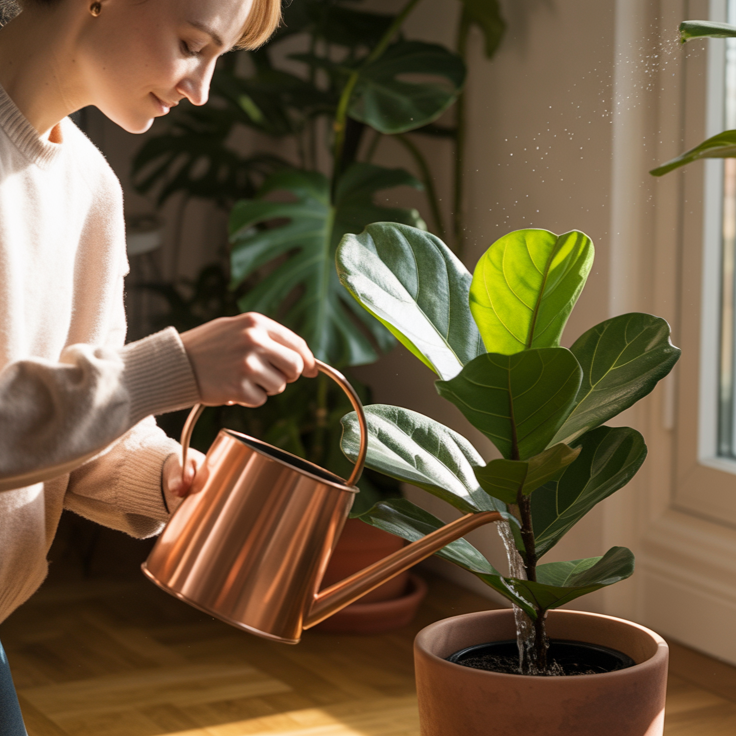
Watering is one of the most misunderstood aspects of plant care. Even small inconsistencies can affect root function.
Common issues:
- Watering too often when growth slows
- Letting soil stay dry for too long during active periods
- Using a fixed schedule instead of checking soil
When watering is unbalanced:
- Roots struggle to function properly
- Nutrient absorption decreases
- Growth slows down gradually
👉 What to do:
- Water based on soil dryness, not routine
- Allow the top layer of soil to dry before watering
- Adjust frequency depending on season
👉 Related guides:
- Why Peace Lily Leaves Droop Even After Watering
- Why Snake Plant Roots Rot Even When Watering Seems Normal
3. Roots Have No Space to Expand
Root health directly affects visible growth. When roots fill the pot completely, they can no longer support expansion.
Signs of limited root space:
- Water drains too quickly
- Soil dries faster than usual
- Growth stops despite proper care
👉 What to do:
- Repot into a slightly larger container
- Use fresh, well-draining soil
- Avoid pots that are too large, as they can retain excess moisture
👉 Related guides:
- How to Repot a Snake Plant
- How to Divide a Snake Plant
4. Environmental Changes Create Hidden Stress
Indoor environments are not always as stable as they seem. Small changes can affect plant behavior.
Common stress factors:
- Air conditioning or heating vents
- Sudden temperature drops
- Dry indoor air
Plants respond to these conditions by conserving energy rather than growing.
👉 What to do:
- Keep plants away from direct airflow
- Maintain stable room temperature
- Avoid placing plants near doors or drafty areas
👉 Related guides:
- Best Temperature for Snake Plants Indoors
- Can Snake Plants Grow Outside?
5. The Plant Is Adjusting or Resting
Not every pause is a problem. Plants may temporarily stop growing while adapting to new conditions.
This can happen after:
- Moving to a new location
- Repotting
- Seasonal changes
During this time:
- The plant stabilizes internally
- Roots adjust before new growth appears
👉 What to do:
- Avoid frequent changes
- Maintain consistent care
- Allow time for adaptation
How to Restart Growth Step by Step
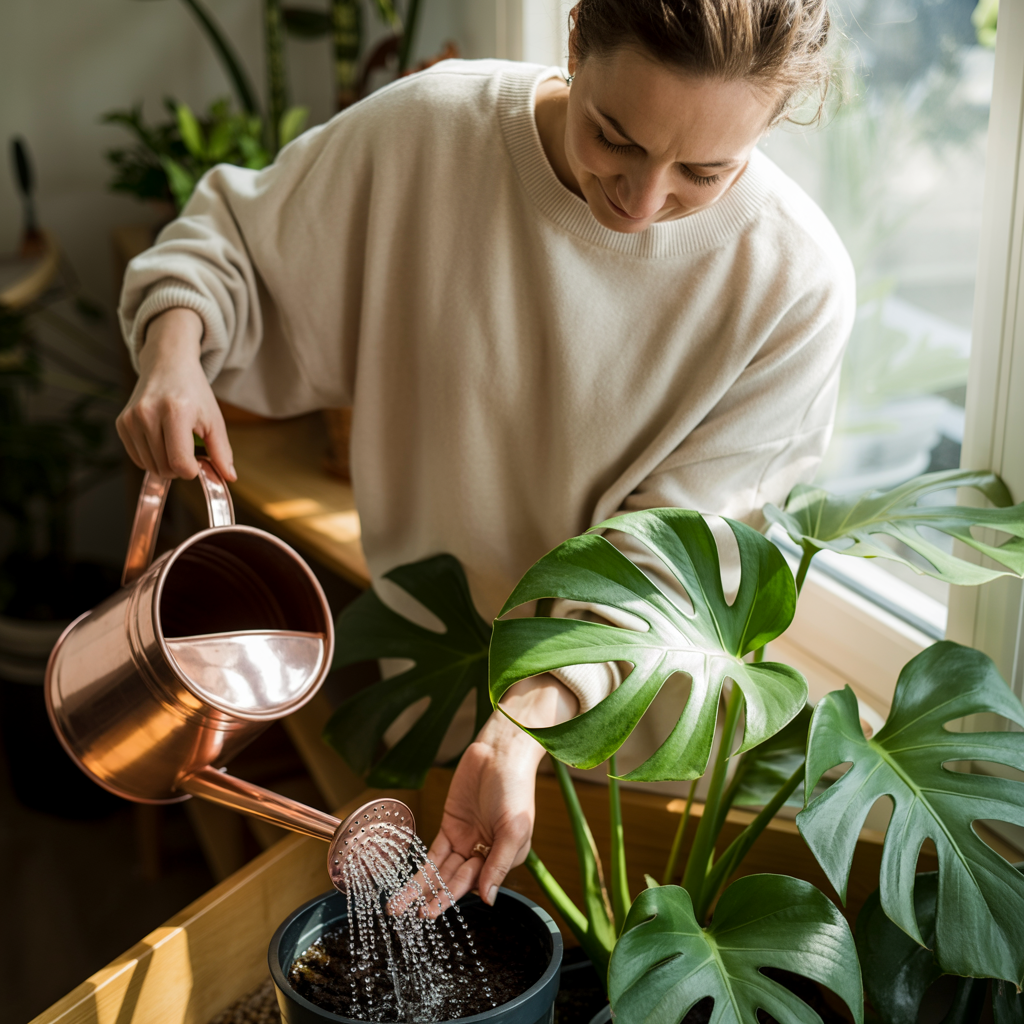
Step 1: Check Light First
Light is the fastest factor to improve. Even a small adjustment can trigger new growth.
Step 2: Review Watering Habits
Ensure soil is neither constantly wet nor completely dry for long periods.
Step 3: Inspect Root Condition
If the plant has not been repotted for a long time, root restriction may be limiting growth.
Step 4: Stabilize the Environment
Avoid moving the plant frequently or changing multiple factors at once.
Step 5: Be Patient
Growth does not return instantly. Once conditions improve, new shoots may appear gradually.
Common Mistakes That Make It Worse
Making too many changes at once
Plants need time to adapt. Multiple adjustments can create confusion and stress.
Overwatering to “force” growth
Excess water weakens roots rather than helping growth.
Moving the plant repeatedly
Plants prefer stability and respond poorly to constant repositioning.
Adding fertilizer too early
Feeding a stressed plant can create further imbalance.
Frequently Asked Questions
Is it normal for indoor plants to stop growing?
Yes, especially during seasonal changes or environmental shifts.
How long does a growth pause last?
It varies, but most plants resume growth within a few weeks after conditions improve.
Should fertilizer be used to restart growth?
Only when the plant shows active growth. Otherwise, it may create stress.
How This Applies to Specific Plants
Different plants react differently to growth issues. Explore detailed guides:
- Snake Plant:
Why Is My Snake Plant Not Growing Even in Bright Light? - Peace Lily:
Why Peace Lily Stops Flowering Indoors - Spider Plant:
Why Spider Plant Looks Healthy But Doesn’t Grow - Pothos:
Why Pothos Growth Slows Down Indoors - Orchid:
Why Orchid Stops Blooming After First Flowers Fall
Final Thoughts
A plant that stops growing is rarely beyond recovery. In most cases, it is simply responding to subtle changes in its environment. By focusing on light, water balance, root health, and stability, growth can return naturally without complicated solutions.
Consistency matters more than perfection. When conditions remain stable and aligned with the plant’s needs, steady growth becomes easier to maintain over time.