What Peace Lily Leaves Can Tell You About Watering Mistakes
A peace lily does not fail silently. Long before serious damage happens, the leaves begin to change in small but meaningful ways.
The challenge is that these signals are often misunderstood. A drooping plant is usually treated as “needs water,” while a yellow leaf is often blamed on “too much water,” but the reality is rarely that simple.
Each change in the leaf is not just a symptom. It is a clue about how water is moving through the plant, and whether the roots are actually able to use it.
Why Reading Leaves Is More Reliable Than Following a Watering Schedule

A fixed watering schedule assumes that conditions stay the same, but indoor environments constantly shift.
Light changes throughout the year. Airflow varies by room. Soil dries faster or slower depending on temperature and pot size.
Because of this, the same watering routine can be correct one week and harmful the next. Leaves provide real-time feedback that a schedule cannot.
The Key Idea Most People Miss
Watering problems are not just about “too much” or “too little.”
Most issues come from poor water movement, where:
- water is in the soil
- but not reaching the leaves effectively
This is why a plant can sit in moist soil and still behave as if it is dehydrated.
How to Read Peace Lily Leaves Like a Diagnosis Tool
1. Drooping That Does Not Fully Recover
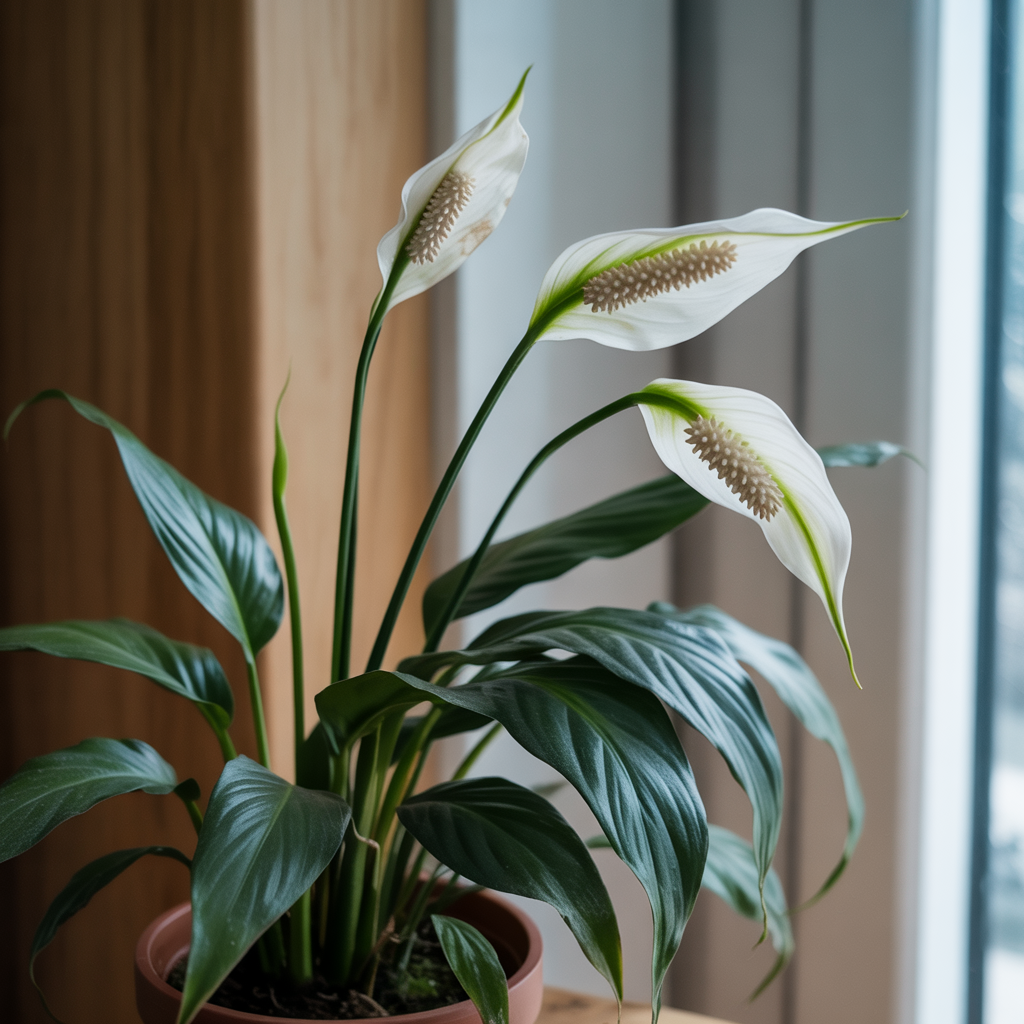
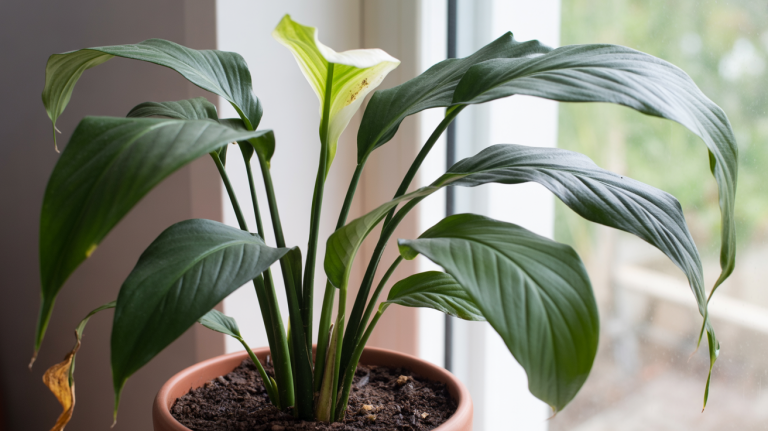
If a peace lily droops and then quickly stands up after watering, the signal is simple. The plant needed water.
If the plant stays slightly droopy even after watering, something deeper is happening. The roots are not moving water efficiently.
This usually points to early root stress or compacted soil. A detailed breakdown of this pattern appears in why peace lily leaves droop even after watering.
2. Yellow Leaves Near the Base
When lower leaves turn yellow slowly, the issue is often related to root condition rather than surface watering.
Roots that stay too wet lose efficiency. Over time, the plant cannot support older leaves and begins to shed them.
This is not always immediate damage. It is often a delayed response to long-term imbalance.
3. Brown Tips That Keep Spreading
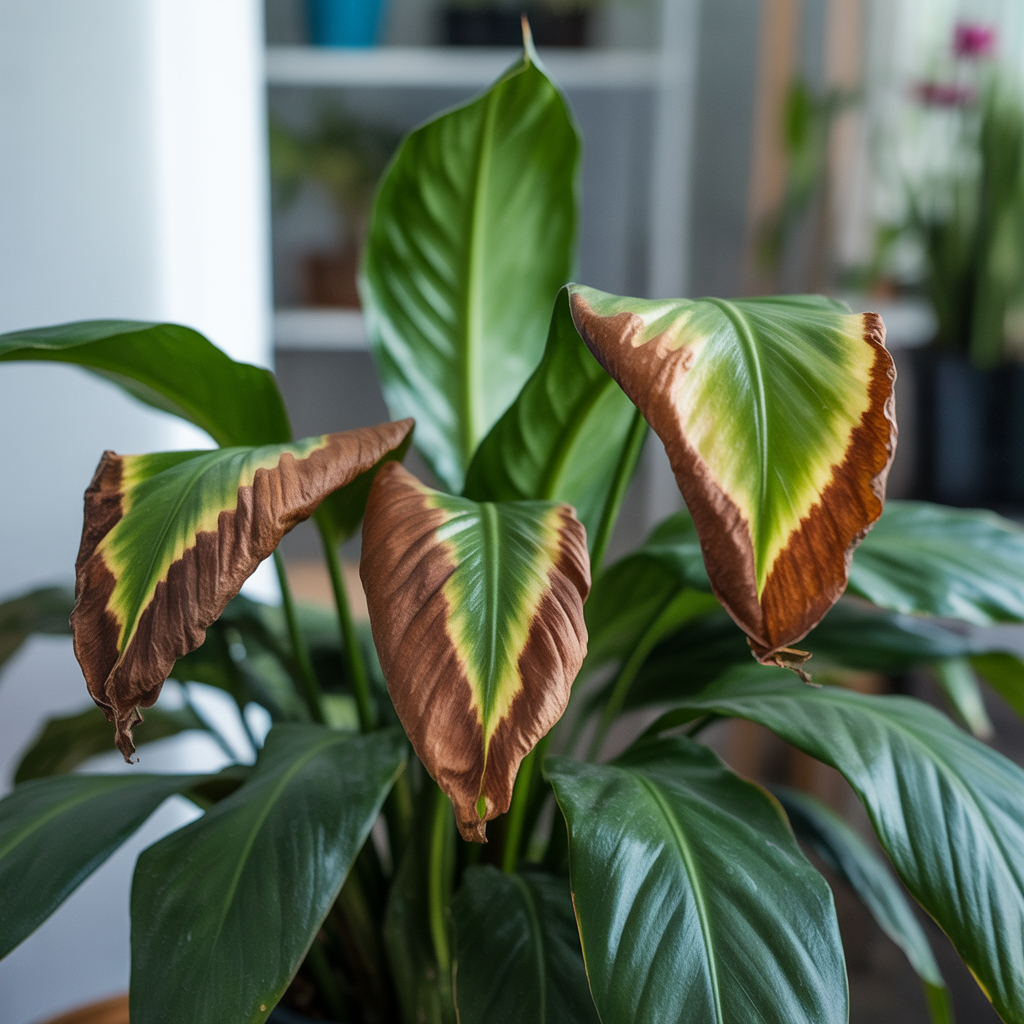
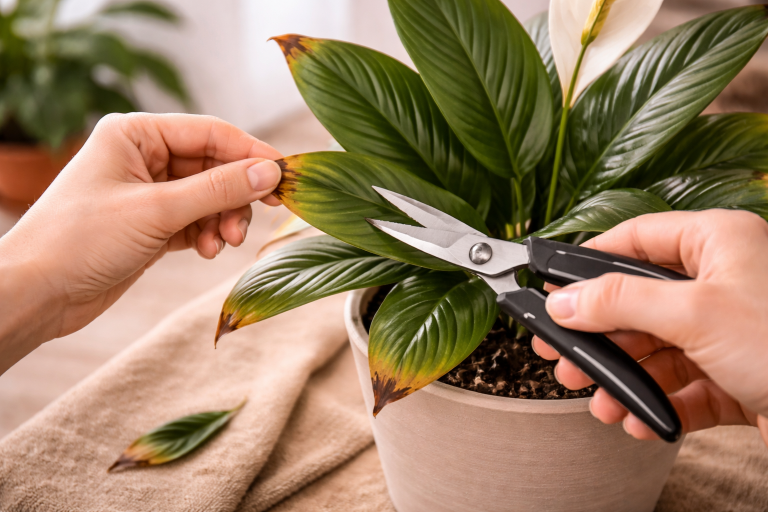
Brown tips are not just cosmetic damage. They show that water is not reaching the leaf edges consistently.
This often happens when watering is uneven or when minerals build up in the soil. Even if the plant is watered regularly, the distribution is not stable.
This pattern is explained more deeply in why peace lily leaves turn brown at the tips, where moisture imbalance becomes visible at the edges first.
4. Leaves That Feel Soft Instead of Firm
Healthy peace lily leaves should feel slightly firm and structured.
When leaves feel soft or weak, the plant is not maintaining internal pressure. This is often caused by overwatering that reduces oxygen around the roots.
In this case, the plant has water, but it cannot use it properly. This is one of the most commonly misunderstood signals.
5. Curling or Slight Folding of Leaves
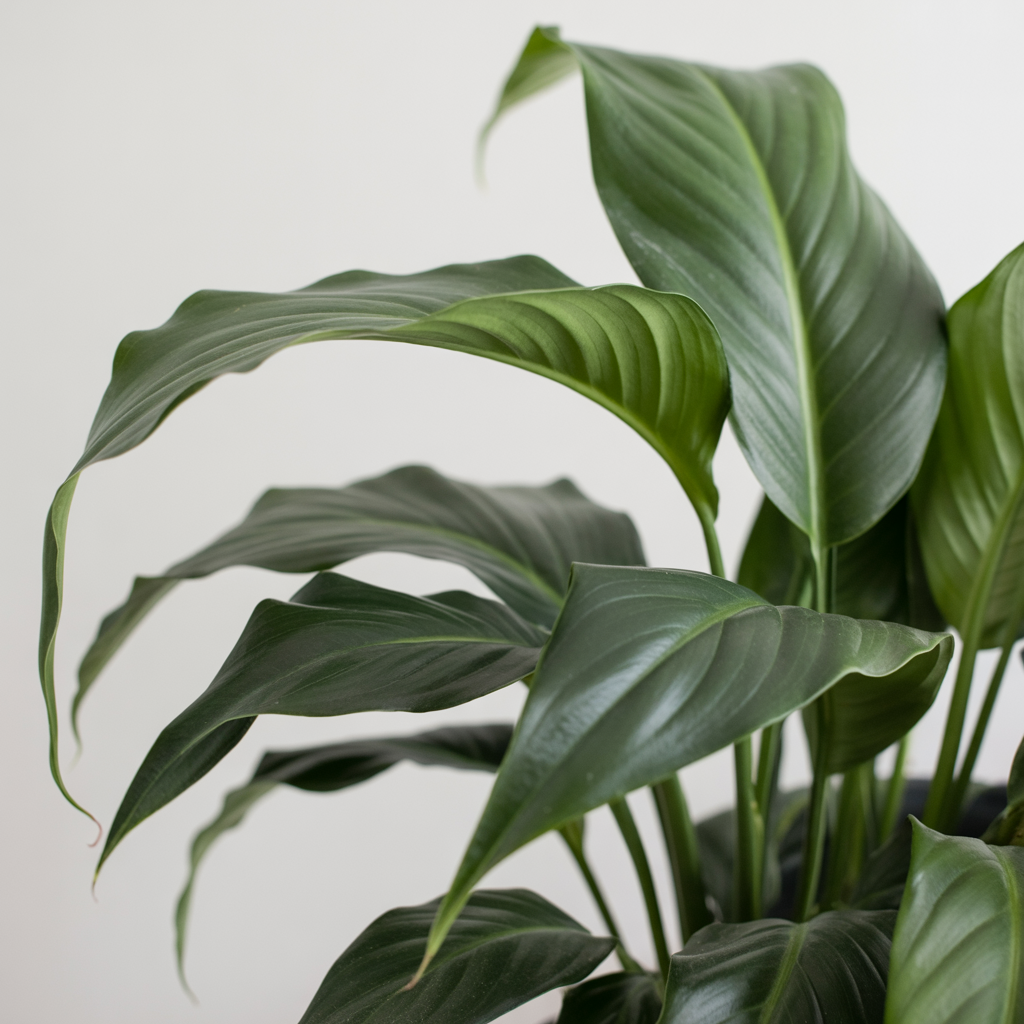
Leaves may curl inward when the plant tries to reduce water loss.
This is often triggered by inconsistent watering, where the plant cycles between slightly dry and slightly overwatered conditions.
It is a protective response rather than damage, but it indicates instability.
How to Fix Watering Mistakes Based on What You See
1. Match Watering to Soil Behavior, Not Time
You will get more consistent results when watering is based on how the soil actually behaves rather than a fixed schedule. Indoor conditions change frequently, so a routine that worked last week may not be suitable now.
The surface of the soil can dry quickly while the deeper layers remain moist, which often leads to accidental overwatering. When you check the soil, your finger should go deeper into the pot so you can feel the true moisture level where the roots are active.
You should aim to water when the soil is gradually losing moisture but not completely dry. This approach allows the roots to stay active without being stressed by sudden dryness or prolonged wetness.
2. Reset Soil If It No Longer Drains Properly
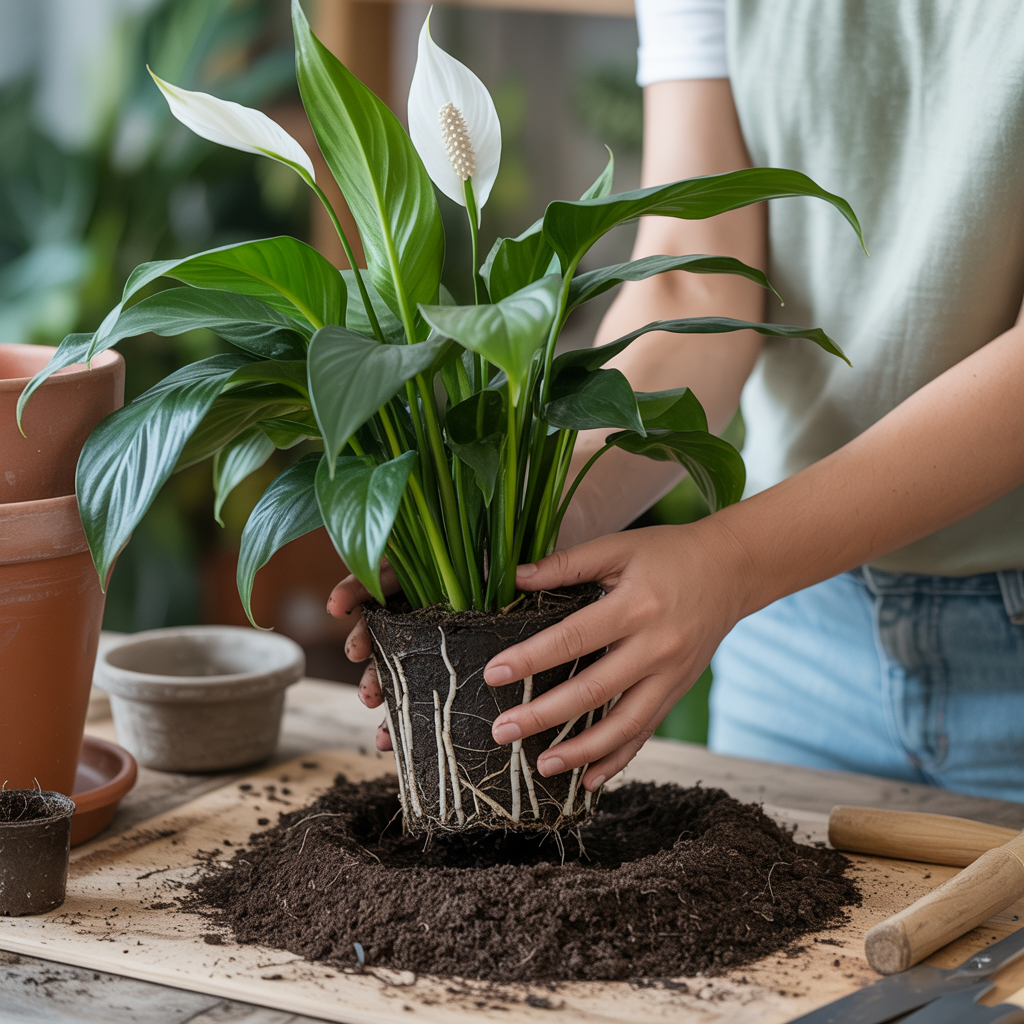
You may notice that water either sits on the surface or drains unevenly, which is a sign that the soil structure is no longer supporting healthy root conditions. Over time, soil can compact or break down, which reduces airflow and traps moisture.
When this happens, the roots cannot function efficiently because they are surrounded by unstable moisture levels. Even if your watering routine is correct, the plant may still show signs of stress.
Repotting into a lighter, well-draining mix gives the roots access to both moisture and oxygen again. This change often improves water movement immediately and helps restore balance within the plant.
3. Change the Way You Water, Not Just How Often
Light watering creates shallow moisture that does not reach deeper roots.
Instead, water thoroughly until excess drains out, then allow the soil to dry gradually. This creates a more stable cycle.
Consistent depth of watering matters more than frequency.
4. Reduce Stress Before Expecting Recovery
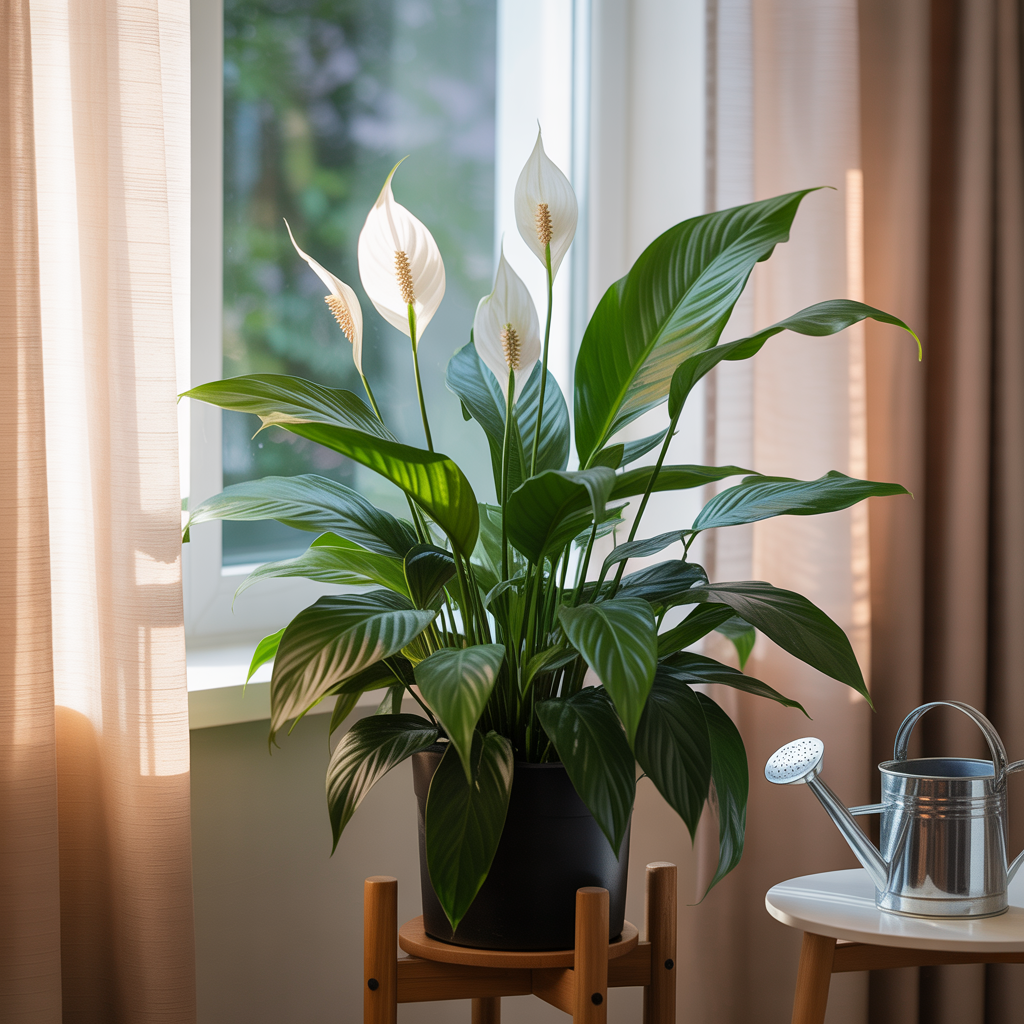
You may feel the need to correct everything quickly when the plant shows signs of stress, but rapid changes can create additional problems. A plant that has experienced repeated watering issues needs time to stabilize.
If multiple adjustments are made at once, the plant cannot adapt properly and may continue to show inconsistent behavior. Recovery depends on creating a steady environment rather than constant correction.
You should keep light, location, and watering method as consistent as possible while the plant adjusts. This stability allows the roots to regain strength and improves how water moves through the plant.
5. Watch New Leaves, Not Old Damage
You may expect damaged leaves to improve once care is corrected, but older leaves rarely return to their original condition. Their appearance reflects past stress rather than current progress.
New leaves provide a much more accurate indication of recovery. When watering becomes balanced, new growth appears more structured, evenly colored, and stable.
You should focus on how the plant develops over time instead of reacting to older damage. This shift in observation helps you evaluate whether your adjustments are actually working.
Simple Diagnostic Routine You Can Use Anytime
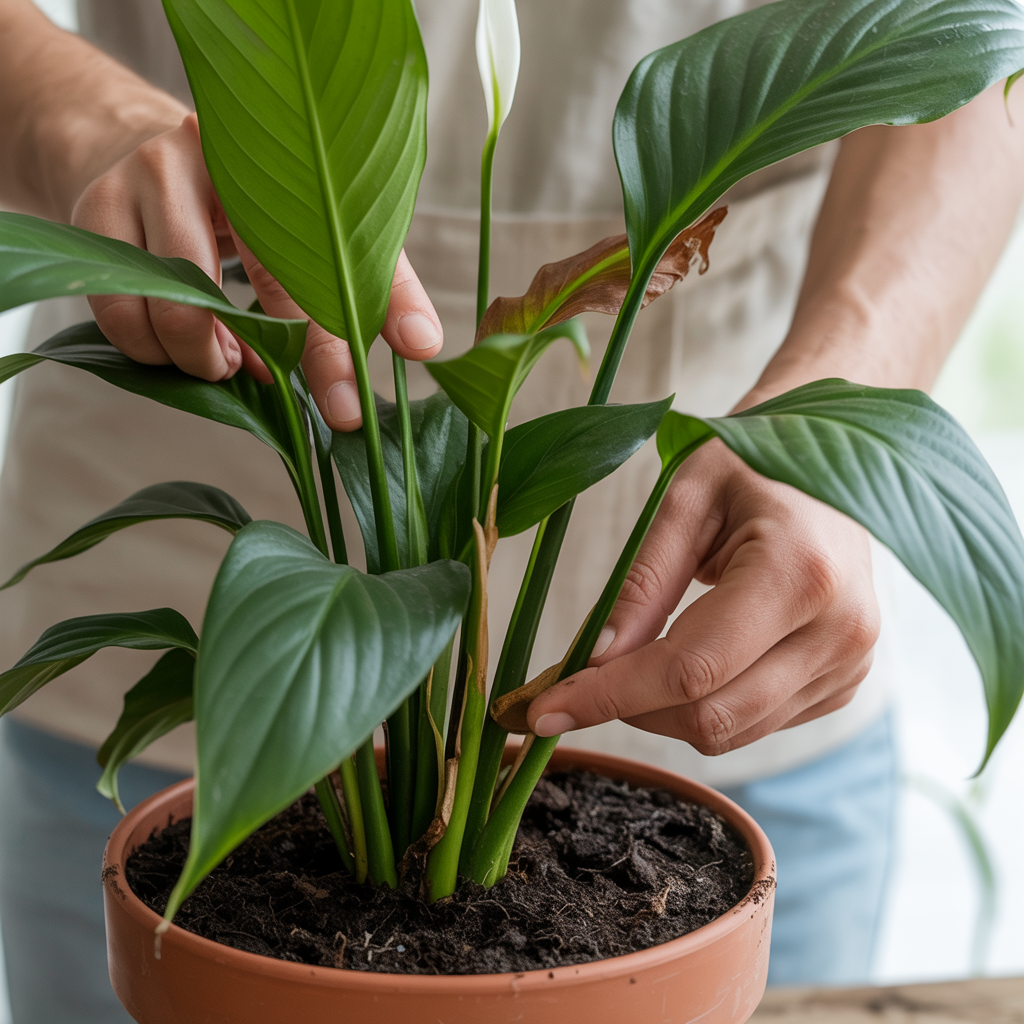
Look at the leaves first, then check the soil.
If leaves are drooping but soil is wet, the issue is root efficiency. If leaves are dry and soil is dry, the plant needs water.
If leaves show mixed signals, such as soft texture with brown tips, the problem is likely inconsistency.
This approach removes guesswork and replaces it with observation.
Common Mistakes That Come From Misreading Leaves
Watering more when the plant is already overwatered is one of the most common mistakes.
Another mistake is ignoring early signs because the plant still looks “mostly fine.”
Waiting until damage becomes obvious often makes recovery slower and more difficult.
Frequently Asked Questions
Can leaves really tell me exactly what is wrong?
They cannot give a perfect answer, but they provide strong clues when combined with soil observation.
Why does my plant look dry but the soil is wet?
This usually means the roots are not functioning properly, so water is not reaching the leaves.
Should I fix everything at once?
No, gradual adjustments are more effective and reduce stress.
How long does it take to see improvement?
New growth usually shows improvement within a few weeks if conditions are corrected.
Is it better to underwater or overwater?
Slight underwatering is easier to correct than overwatering, which can damage roots.
Final Thoughts
Peace lily leaves are not just decorative. They are a communication system that reflects how the plant is functioning internally.
When you stop guessing and start observing patterns, watering becomes more precise and consistent.
Over time, this approach leads to stronger plants, fewer recurring problems, and a much clearer understanding of what your plant actually needs.