The Peace I Find in Watching Bees Work
On warm days, when the flowers in my backyard open fully and the sun softens in the afternoon, I love standing still just to watch the bees work. Their steady movements calm me in a way few things can.
They move from one bloom to the next with such focus that I forget whatever rushed feeling I carried outside. There is something deeply grounding about their presence, as if the whole garden settles into a softer rhythm when they arrive.
The peace I feel while watching them isn’t dramatic. It’s quiet and steady, a kind of comfort that grows stronger each time I notice their tiny legs dusted with pollen or their soft buzzing weaving through the flowers.
When I Began Paying Close Attention
For a long time, I saw bees simply as part of the background. They hovered around my flowers, but I didn’t understand the depth of their role.
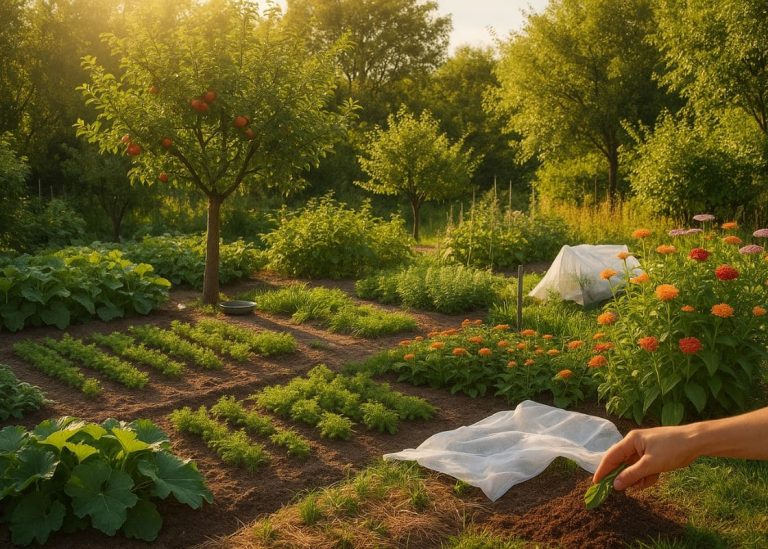
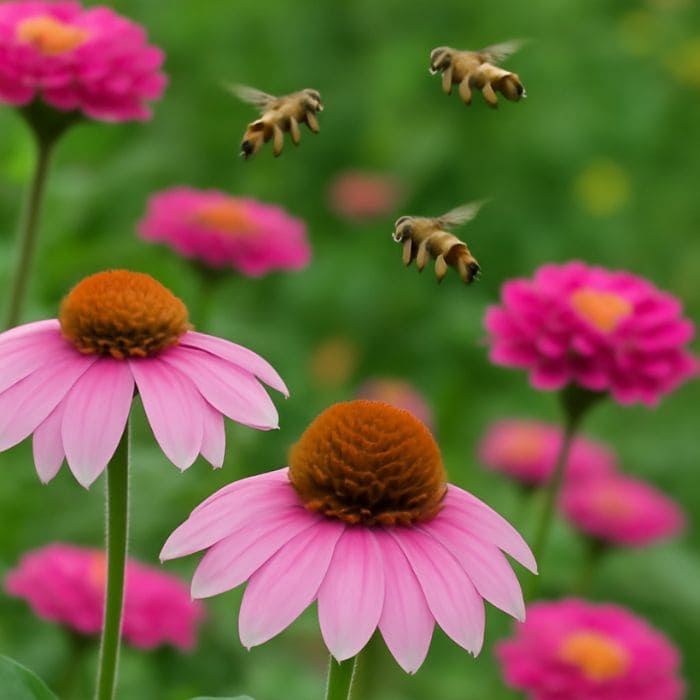
That changed during a season when my flower garden was especially full. I planted lavender, coneflowers, zinnias, mint, and cosmos, and the bees seemed to gather around them constantly.
The more time I spent observing, the more I noticed how intentional their movements were. Bees don’t visit flowers randomly. They look for scent cues, color patterns, and even ultraviolet markings on petals that guide them toward the richest nectar.
They use their antennae to sense pollen and rely on memory to revisit locations that gave them good food earlier in the day. Once they find a group of flowers they like, they work in a loop, visiting each bloom.
That was the moment I understood how much of my garden depended on them. It wasn’t just that the flowers looked healthier. Bees were the reason my cucumbers formed evenly, why the tomatoes set fruit without fuss, and why the herbs grew more vigorously each year.
I Start Building a Bee Hotel to Support Them
Once I realized how much the bees were doing for my garden, I wanted to return the favor. A few years ago, I decided to build a small bee hotel for solitary native bees.
Unlike honeybees, these bees don’t live in big hives or make honey. They spend their lives gathering pollen, creating tiny nests, and helping pollinate plants far more efficiently than most people realize.
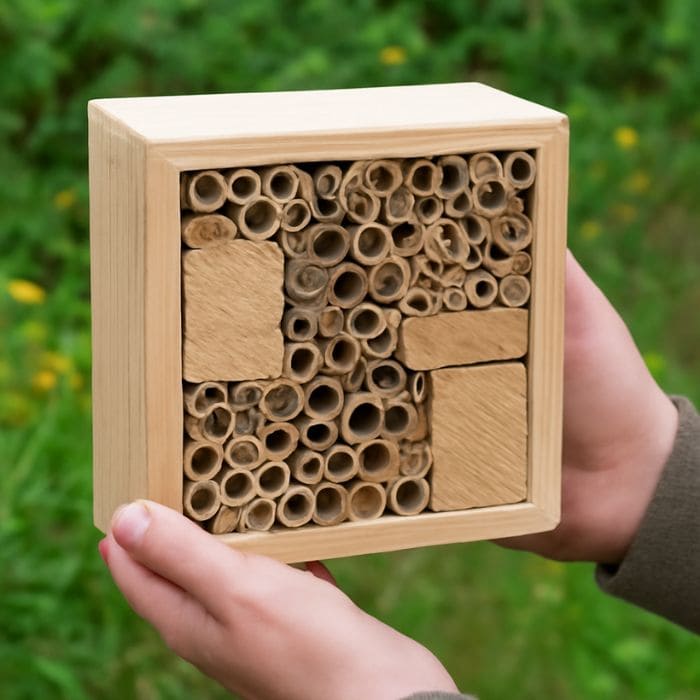
The hotel was simple. I used a wooden box and filled it with bamboo tubes and a few pieces of scrap wood drilled with small holes. The tubes had different diameters to suit different species.
Then I attached the finished hotel to the east side of my garden fence, where morning sunlight warms it gently but the hotter afternoon sun cannot overheat it.
At first, I wasn’t sure if it would work. But as the weeks passed, I noticed small mud plugs forming in some of the tubes. These were signs that bees had chosen my little structure as a nesting place.
I Also Create a Water Source During Hot Summers
I also learned how hard summer heat can be on bees. On extremely hot days, they lose water quickly and risk overheating, especially when temperatures rise beyond what their bodies can tolerate.
There have been summers in certain regions where thousands of bees died simply because they couldn’t find safe water. This pushed me to add one more small feature to the garden – a bee waterer.
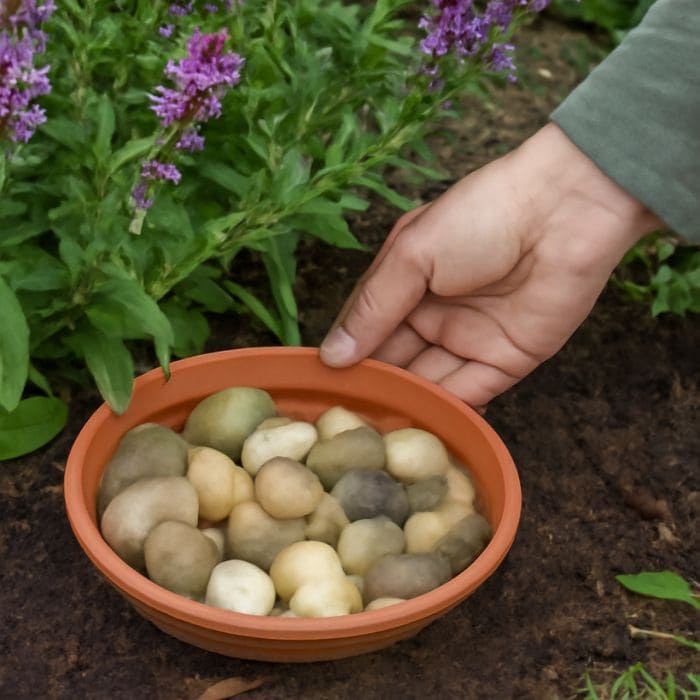
I used a shallow dish, filled it with water, and placed smooth stones inside so the bees had something to stand on. Bees can’t swim, so giving them safe landing spots is essential. I placed the waterer in a shaded corner of the flower bed where the water wouldn’t evaporate too quickly.
Every morning, I refill it with clean water. On very hot days, I check it again in the afternoon. It takes almost no effort, yet the bees use it often enough that I know it helps them through the toughest parts of summer.
How Bees Work in Our Garden
When a bee visits a flower, it gathers nectar by stretching its tongue deep inside the bloom. Nectar becomes its energy source, and the bee stores it in a specialized part of its body as it moves.
During this process, pollen grains cling naturally to its legs, its body hair, and its antennae. When the bee moves to the next flower, some of those grains transfer to the new blossom.
What fascinated me most was how bees communicate and stay organized even when working alone. Honeybees, for example, share information through small movements inside their hive.
Their well-known waggle dance tells other bees exactly where good flower patches are located by describing both direction and distance. Native solitary bees don’t dance, but they follow predictable patterns that help them move efficiently through the garden.
Their work looks gentle, but it is incredibly precise. It has to be as pollination is their main purpose, and every movement supports it.
How Bees Changed My Gardening Approach
Once I realized how much the bees were influencing my garden, I began shaping my backyard with them in mind. I planted flowers that bloom in different seasons so there would always be something available for them to eat. Early spring bulbs like crocus and hyacinth give them food as soon as the weather warms.
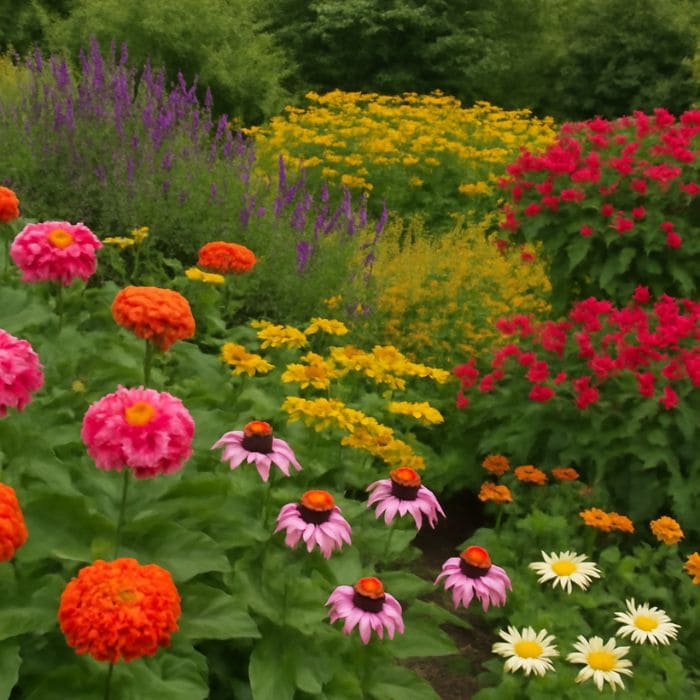
In summer, zinnias, lavender, mint, and coneflowers keep them busy. And in fall, asters and goldenrod become their final buffet before winter arrives.
I stopped using sprays, even the natural ones, because I learned how easily bees can be harmed when chemicals land on open flowers. I also let a small section of the yard grow a bit wild.
Native bees love these undisturbed corners, and seeing them explore those areas reminded me that I don’t need to control every inch of the garden for it to be beautiful.