My Secret Compost Recipe That Turned My Soil Around
A few summers ago, my garden went through a phase where nothing seemed to grow with energy. The soil looked dry and pale, even after watering. My vegetables sprouted slowly. My flowers looked tired before they even opened. The whole garden felt sluggish, almost as if the soil itself was asking for help.
I tried store-bought fertilizer, but it only made the plants perk up for a short time. After that, everything returned to looking dull again. I knew the problem wasn’t the plants, it was the soil. So I decided to focus on feeding the soil instead of forcing the plants to grow.
That was the summer I started making my own compost mixes at home. These secret recipes weren’t fancy. They came from simple things I already had in the kitchen, and they made a bigger difference than anything I had tried before.
Recipe 1: Banana Peel Compost Mix
The first compost idea came from watching a banana peel go into the trash one morning. It seemed wasteful, especially since I’d heard gardeners mention that banana peels contain potassium.
So I saved a few peels, rinsed them lightly, and cut them into smaller pieces. At first, I wasn’t sure how to use them, so I tried three different methods until I found what worked best for my garden.
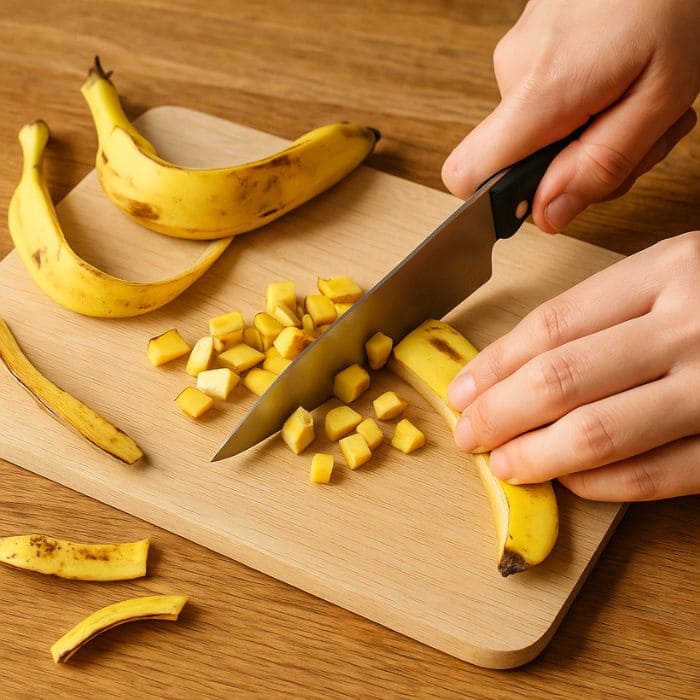
I dried the banana peel pieces in the sun for a day or two, crushed them lightly, and mixed them directly into the soil around the base of my plants. Drying them helped prevent bugs and bad smells, which was the problem with my first attempt when I mixed fresh peels into the soil.
Once I started drying them first, the results were noticeably better. My tomatoes responded the fastest. Within two weeks, the new leaves grew darker and thicker, and the plants looked more energetic. Even the marigolds near the tomato bed perked up, which showed me that the soil was finally getting something it had been missing.
Banana peels became part of my weekly routine. Whenever someone in the house ate a banana, they handed the peel to me like an offering. It turned into a small family habit that fed the garden in the easiest way.
Recipe 2: Coffee Ground Booster
The second recipe came from my morning routine. I drink coffee every day, and one morning I caught myself throwing away the used grounds and thinking, “If plants could talk, they would probably ask for this.” Coffee grounds are rich in organic matter, and my soil desperately needed that.
I let the grounds dry on a small tray near the window. Wet coffee grounds tend to clump together, which doesn’t help the soil much. Drying them for a few hours or overnight solved that problem completely.
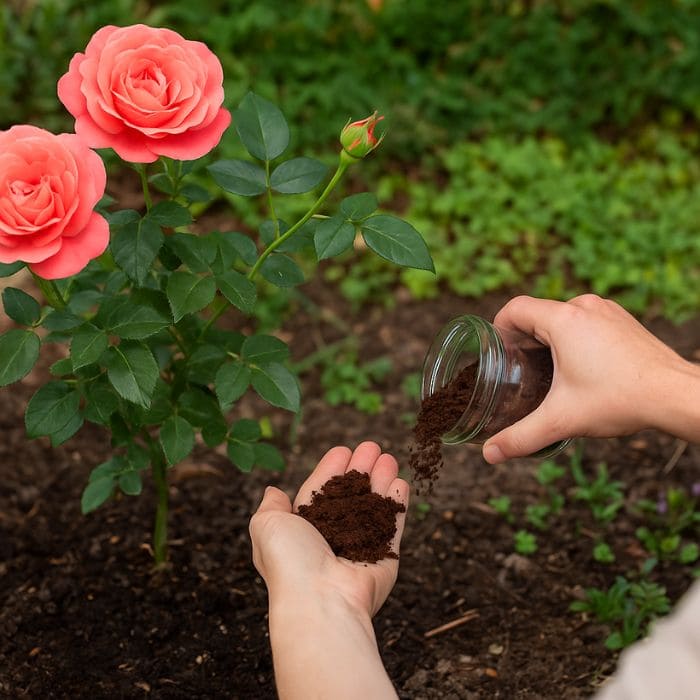
How I used it:
Every two weeks, I sprinkled a thin layer of dried coffee grounds around the base of plants that love rich soil such peppers, basil, roses, and hydrangeas. I mixed the grounds gently into the top layer of soil so they didn’t sit on the surface.
The first major change I noticed was in my roses. Before this, the blooms were small and uneven. After adding coffee grounds for a month or so, the plant produced fuller flowers.
Another benefit was seeing fewer mushrooms and fewer gnats, possibly because the soil became more balanced. The texture improved too. Instead of being dusty and crumbly, it looked richer and darker.
This recipe became one of my favorites because it fits so easily into everyday life. If I drink coffee, the garden gets coffee too.
Recipe 3: Rice Water Soil Refresh
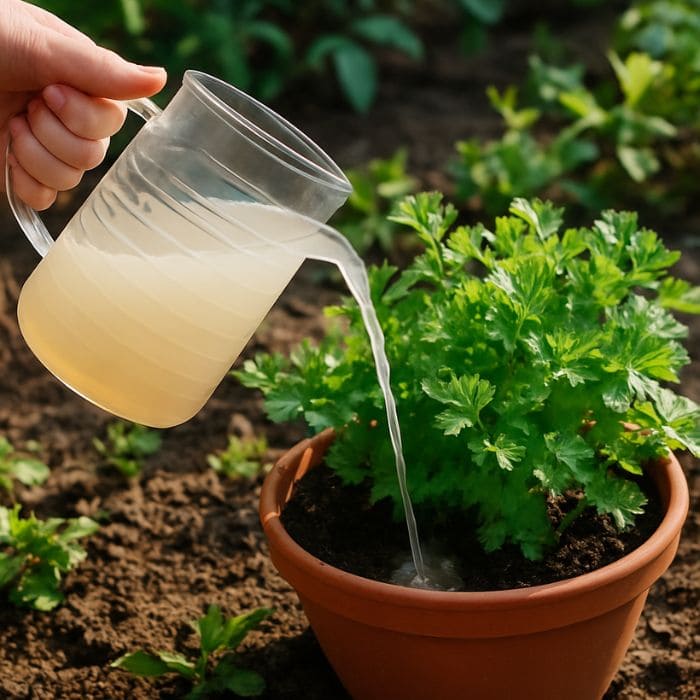
The third recipe has a gentler effect but works beautifully for moisture-loving plants like herbs, flowers, and leafy greens. When I wash rice for cooking, I usually rinse it two or three times. One day, instead of pouring the cloudy water down the sink, I saved it in a jar.
Rice water contains small amounts of starch and minerals that help beneficial microbes grow in the soil. The key is using it in moderation so the soil doesn’t become overly sticky.
I diluted one cup of rice water with three cups of clean water and used it to water the plants every two weeks. My basil and mint responded almost immediately, producing brighter leaves and a stronger aroma. Even the parsley, which had been slow and pale, began to grow more confidently.
One unexpected benefit was how much softer the soil felt afterward. It didn’t compact as easily, and it held moisture in a way that felt balanced. This made watering less stressful during hotter weeks.
Rice water is gentle, so I use it freely during spring and early summer when the garden is actively growing.
Additional Boost: Eggshell Calcium Powder
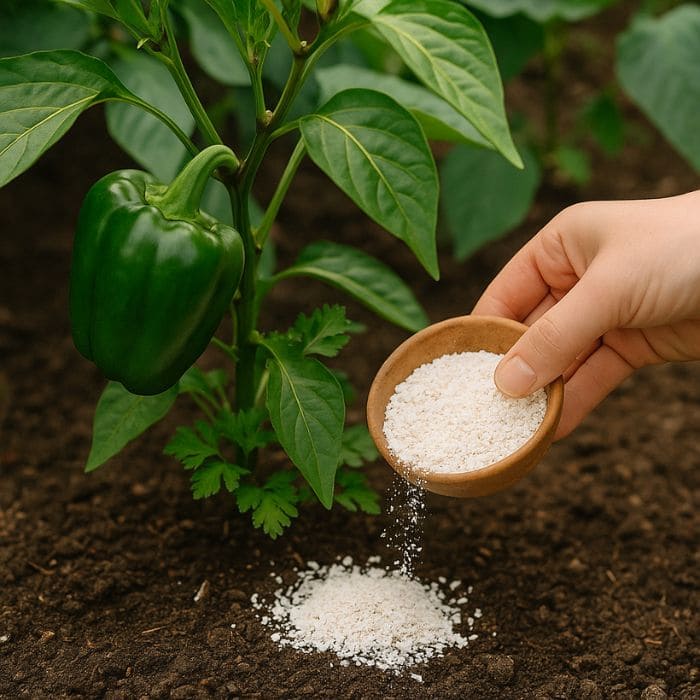
This recipe wasn’t part of my original plan, but it came naturally after I noticed my tomatoes and peppers showing slight blossom-end rot one summer. I needed calcium, and it was already in the house.
I washed the eggshells, dried them fully, and crushed them into a fine powder using a rolling pin. Mixing that powder into the soil gave my vegetables the boost they needed. The plants showed improvement within a few weeks, and the fruit developed more evenly.
What Happened After I Combined These Recipes
Individually, each recipe helped in its own way. But the real transformation happened when I started using them together over several months. I didn’t follow a strict schedule. I simply rotated them:
- One week: banana peel mix
- Two weeks later: coffee grounds
- Two more weeks: rice water
- Occasionally: eggshell powder
Gradually, it slowly became darker and softer, and it held moisture far better than before. After a month or two, the changes in the plants became more noticeable as well.
The tomato plants looked fuller and produced a steady amount of fruit instead of struggling through midseason. The basil grew with so much energy that I found myself clipping it regularly just to give the other herbs space.
The roses, which had always been unpredictable, gradually opened more evenly and with stronger color. Even the small flower patch in the back corner started to look healthier, almost as if the soil there had finally found some strength again.