The Notebook That Keeps My Garden Organized Year After Year
A few summers ago, my garden entered a strange slump that didn’t make sense at first. My tomatoes stopped growing halfway through the season, the peppers remained short no matter how carefully I watered them, and the cucumbers wilted every afternoon even on days that weren’t particularly warm.
I tried adjusting everything I could think of like water schedules, fertilizer, shade cloth, even soil amendments but nothing made a significant difference. It wasn’t until I stood in the yard one evening, feeling frustrated with a bed full of tired plants, that the real problem finally became clear.
I had been planting everything in the same exact spots for two years in a row, and the soil was simply exhausted. Without realizing it, I had created a cycle where the same pests returned to the same beds and the same nutrients were pulled from the same soil pockets year after year.
That season taught me something important: if I wanted a garden that stayed healthy, I needed a clear, organized way to rotate my crops. And since my memory tends to blur by the time spring arrives, I knew I needed a dedicated place to write things down.
Bringing Home a Notebook That Became Essential
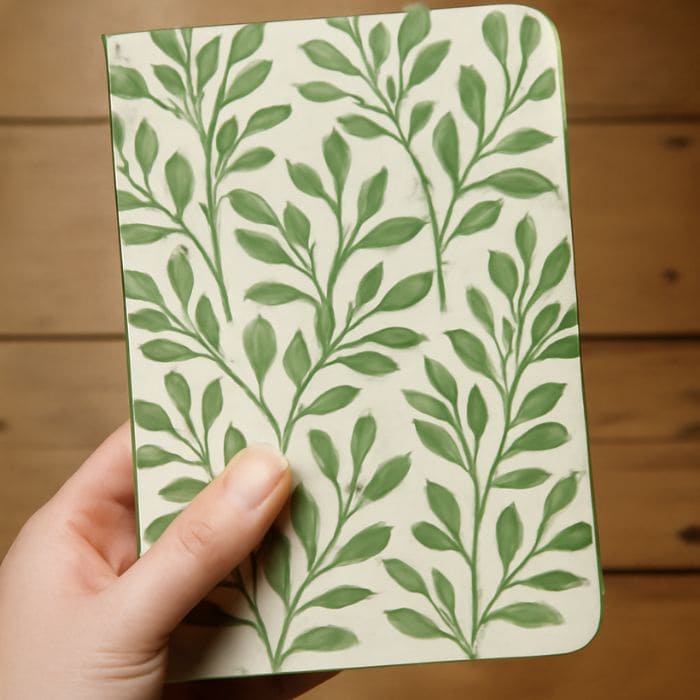
In early March, when Chicago was still cold and the garden looked bare, I walked into a small stationery shop and found a plain soft-cover notebook with a leafy pattern on the front.
I wanted something I could take into the garden, something that could collect soil smudges and pencil marks without feeling precious. I brought it home, made a cup of tea, and wrote the first page title in simple handwriting: Garden Notes – Rotation, Soil, Seasons.
How I Organize My Notebook to Track the Garden
1. A Hand-Drawn Map of the Garden
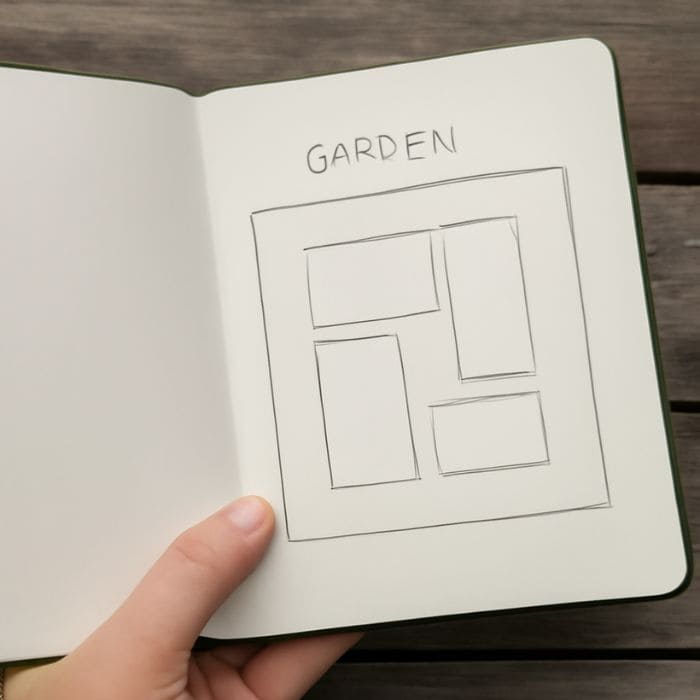
Each new season starts with a sketch. My drawings are far from perfect, but they show exactly where each bed sits, how the sunlight moves across the yard, and where trees cast their shade as the months warm up.
I include the direction of the afternoon sun, the area where water tends to collect after heavy rain, and the corner where soil warms the quickest in early spring. I label every bed with a number so that I don’t confuse them later when planning rotation.
These quick sketches have taught me more than I expected. After comparing maps from several seasons, I noticed that the north side of my garden stays cooler and moist longer, which explains why lettuce and cilantro always do better there.
2. A Full Record of What I Plant and When
Every bed gets its own page where I write down everything I plant in that space for the season. I include the exact variety when I can such as Roma tomatoes, Marketmore cucumbers, Thai basil, Genovese basil, Lemon Boy tomatoes, and so on.
I also write down planting dates because the Chicago weather can shift from cool to warm suddenly, which changes when the soil feels ready each year.
These planting pages often include little extras, like whether I grew the plants from seed or bought them as seedlings, or if a variety I tried didn’t germinate well. Those details matter more than I realized because they help me understand why certain beds succeed and others feel a little behind.
3. Soil Notes That Guide Next Year’s Rotation

As the season moves forward, I pay attention to how each bed behaves. I write down whether the soil dries out quickly, stays damp longer than expected, becomes compact after rain, or needs extra mulch. I note if earthworms appear often or if the soil seems too heavy for delicate roots.
For example, one year I wrote, “Bed #3 drains too quickly during heat waves, add compost and mulch next season.”
The following year, after adding compost early and mulching before summer arrived, everything in that bed performed far better than it had before.
4. Pest and Problem Tracking That Helps Me Prevent Repeat Issues
Every garden faces challenges, and I’ve learned that pests tend to return to places where they’ve succeeded before. In my notebook, I keep track of where aphids built up, where powdery mildew appeared, which corner attracted squash bugs, and which bed suffered slug damage.
One year, I noticed that powdery mildew appeared in the same bed where I grew zucchini the year before.
When I saw that pattern written out, I realized I had been planting zucchini too often in that spot. The next year, I moved them across the garden, and the mildew barely appeared at all.
How I Use the Notebook to Rotate My Garden Each Spring
When spring arrives and the garden feels ready to wake up again, I sit on the porch with the notebook open beside a pencil and map out the new season. I start by flipping back to the previous year and checking what grew where. I follow a simple rotation cycle that works well for my space:
- Leafy crops
- Root vegetables
- Fruiting crops
- Legumes
Each group supports the next one by using different nutrients or helping replenish what was depleted. Fruiting crops like tomatoes pull heavily from the soil, so the next year I replace them with beans or peas, which add nitrogen back.
Beds that held root vegetables become ideal for leafy greens the next year. And areas where I grew herbs or flowers often become flexible spaces for whatever needs a new home.
I also think about sunlight in a more intentional way. Beds that receive strong afternoon sun become perfect places for peppers, zinnias, and tomatoes, while the cooler corners help lettuce survive the early heat.
A Real Example of How Rotation Changed One Stubborn Bed
Bed #4 was once the most challenging bed I had. The soil stayed dense and slow to warm, and most fruiting crops struggled there. One season, I planted peppers in that bed, and they barely grew past knee height. The next year, I planted beans, hoping they would improve the soil, but they also underperformed.
When I looked back through the notebook, I noticed I kept putting heavy-feeding or warm-loving plants in a bed that clearly preferred gentler crops.
The following spring, I planted radishes, lettuce, cilantro, and parsley in that bed, all crops that thrive in cooler soil and don’t demand too much from it. Not only did they grow beautifully, but the soil also softened and improved by the end of the year.

Why My Notebook Stays Open All Summer
My notebook isn’t something I write in only once or twice a year. I keep it inside a small waterproof pouch and bring it outside throughout the season. During my morning walks in the garden, I often jot down small details that would never stay in my memory otherwise.
I write when the first tomatoes appear, when basil starts to form flower buds, how long it takes cucumbers to produce their first fruit, which flowers attract the most pollinators, and which corners of the garden stay shaded longer after the trees fully leaf out.
I also record when I added compost to a bed, when I mulched, and when I noticed changes in the soil after heavy rain.
These ongoing details help me understand my garden’s personality in a deeper way. The more I write, the more I can anticipate what each bed needs the following year.