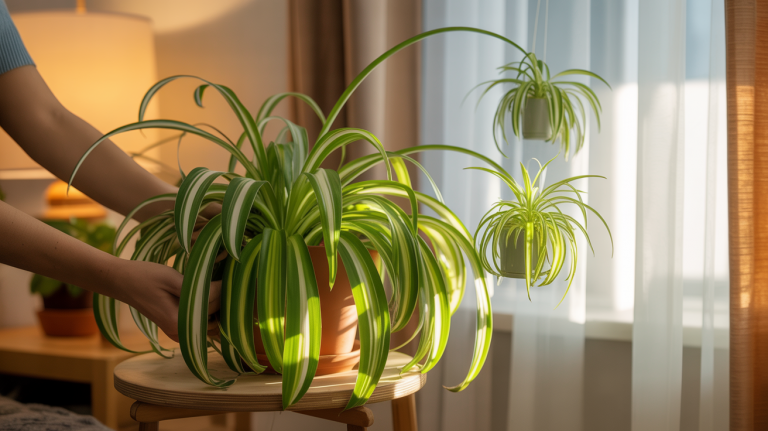
How to Make Spider Plant Produce More Babies (Spiderettes) Naturally
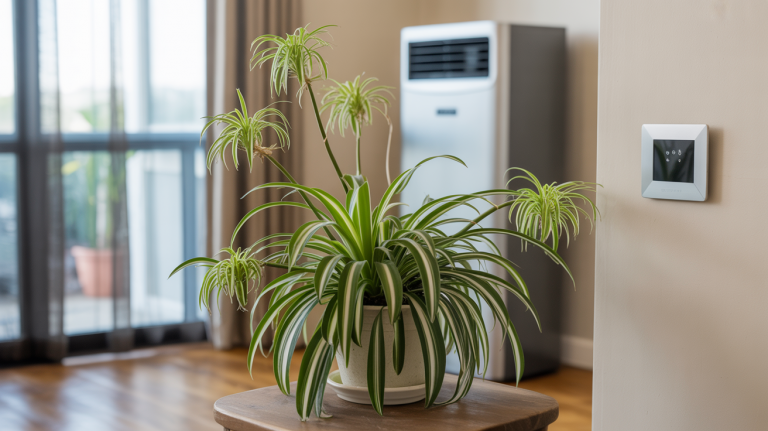
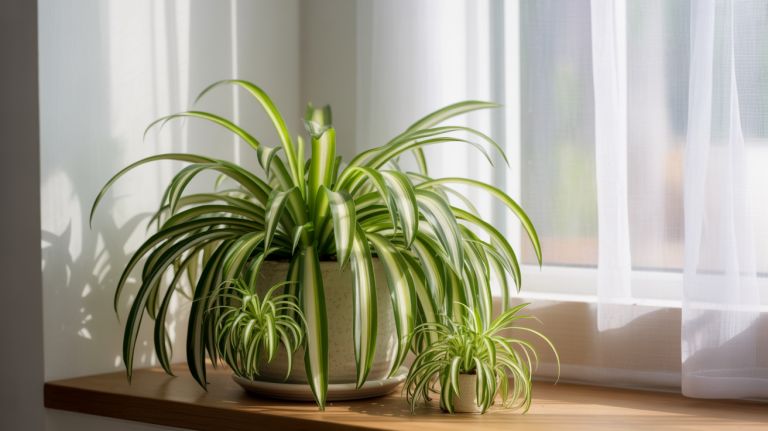
You may notice that your spider plant grows healthy leaves but produces very few or no spiderettes. The plant looks stable, yet it does not develop the long stems that carry baby plants.
This usually happens because the plant does not have enough excess energy to reproduce. Spiderettes are not a basic function, so the plant will only produce them when conditions feel supportive and consistent.
When you adjust the right factors, the plant shifts from survival into reproduction. That is when spiderettes begin to appear more frequently.
What Triggers Spiderette Production
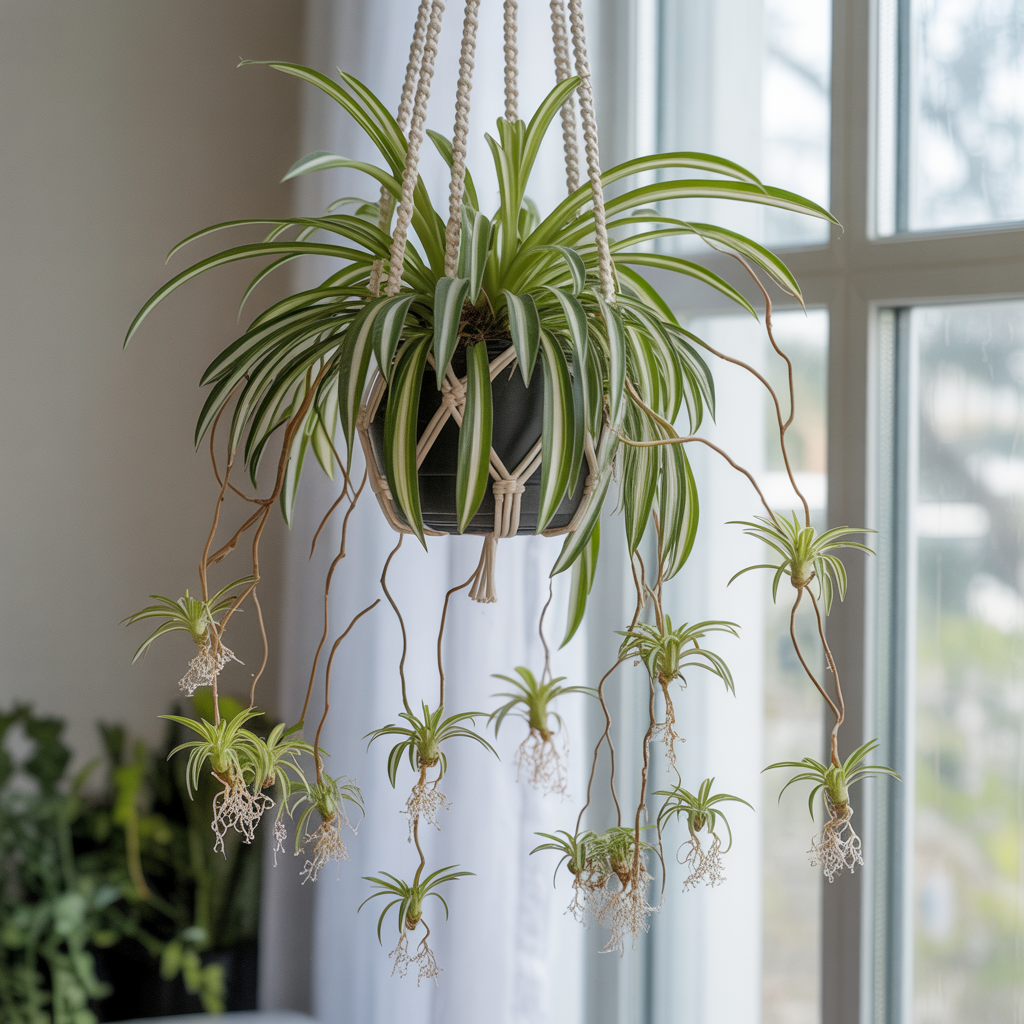
Spider plants produce babies as part of their natural reproduction cycle.
This process begins when the plant develops long arching stems, which later form small plantlets at the ends. These plantlets grow when the parent plant has enough stored energy.
The goal is not to force growth, but to create conditions where the plant feels stable enough to reproduce.
How to Make Spider Plant Produce More Babies (8 Practical Ways)
1. Increase Light Without Exposing to Harsh Sun
You will see more spiderettes when the plant receives stronger, consistent light.
Spider plants tolerate moderate light, but reproduction requires more energy than leaf growth. Brighter indirect light helps the plant build that energy.
You should place the plant near a window where light is steady but not harsh. Direct sunlight can damage leaves, so filtered light works best.
2. Let the Plant Mature Fully
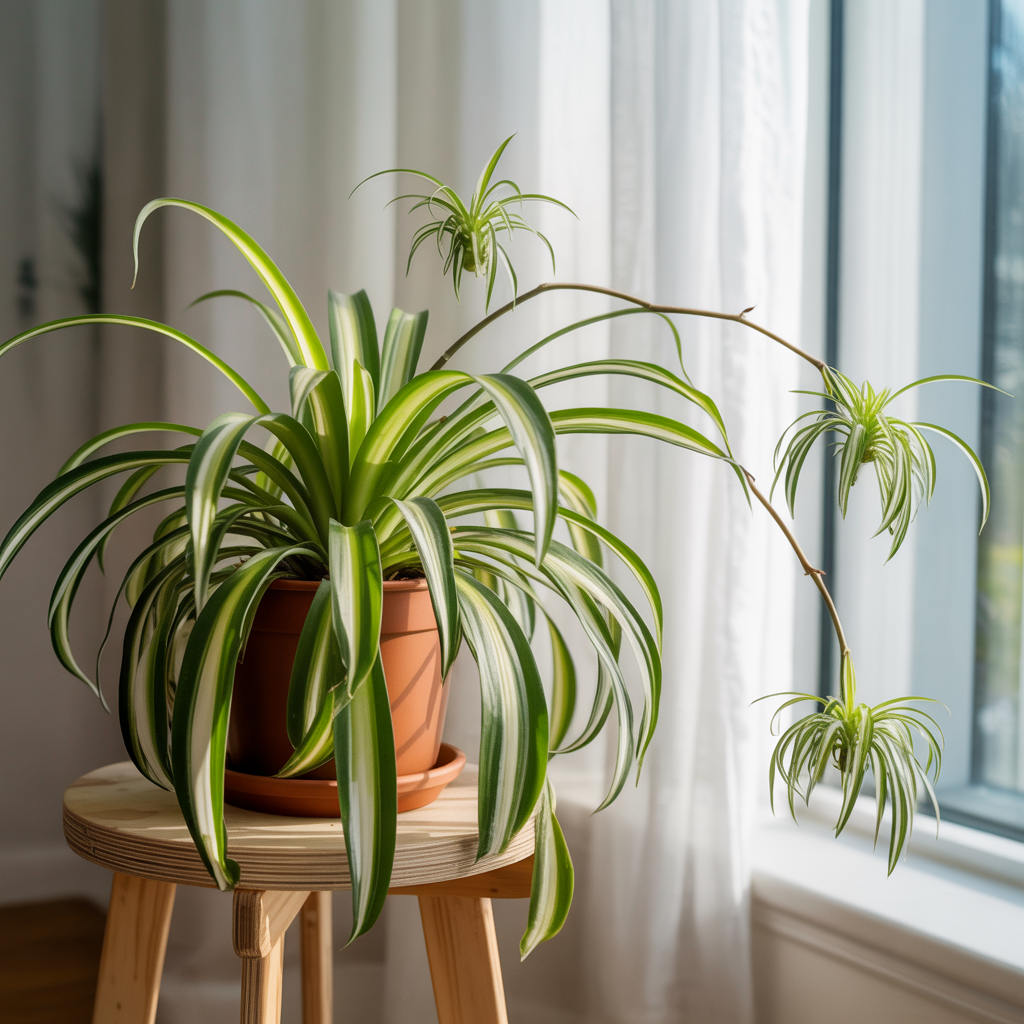
You may expect spiderettes too early.
Young plants focus on building roots and leaves first. They need time to reach a stage where reproduction becomes possible.
You should allow the plant to grow fully before expecting babies. Once mature, the plant naturally shifts toward producing spiderettes.
3. Keep the Plant Slightly Root-Bound
You may notice that spider plants produce more babies when slightly root-bound.
When roots fill the pot, the plant begins to shift energy toward reproduction instead of expansion.
You should avoid oversized pots. A slightly tight root system encourages the plant to produce stems and spiderettes.
4. Maintain Consistent Watering
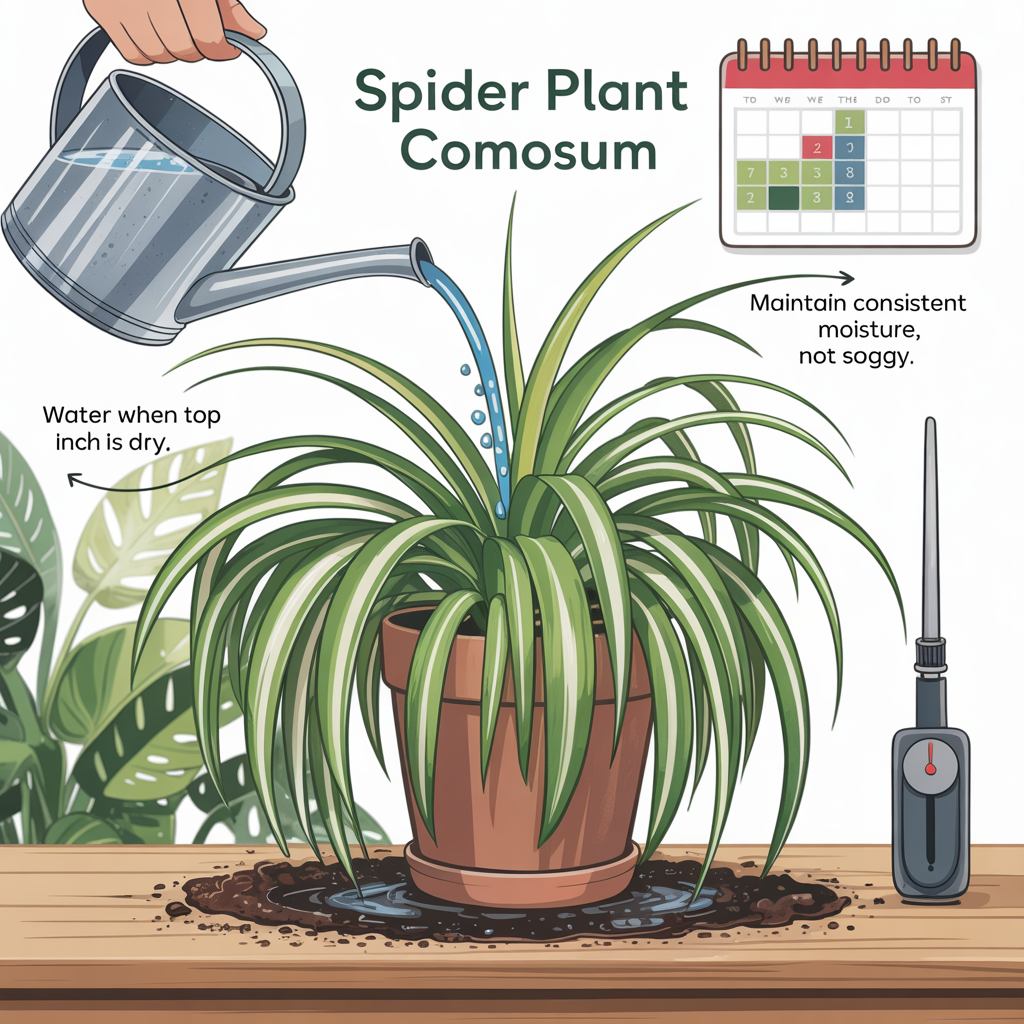
You will get better results when watering is stable.
Spider plants prefer evenly moist soil, but they also tolerate slight drying. Large swings between dry and wet conditions reduce the plant’s ability to maintain energy.
You should water when the soil begins to dry evenly. This supports steady growth and helps the plant move toward reproduction.
5. Feed Lightly During Active Growth
You may think more fertilizer leads to more babies, but balance is more important than quantity.
Too much fertilizer encourages leaf growth instead of reproduction. Too little can limit energy production.
You should use light feeding during active growth periods to support overall plant strength without disrupting balance.
6. Avoid Frequent Changes in Environment
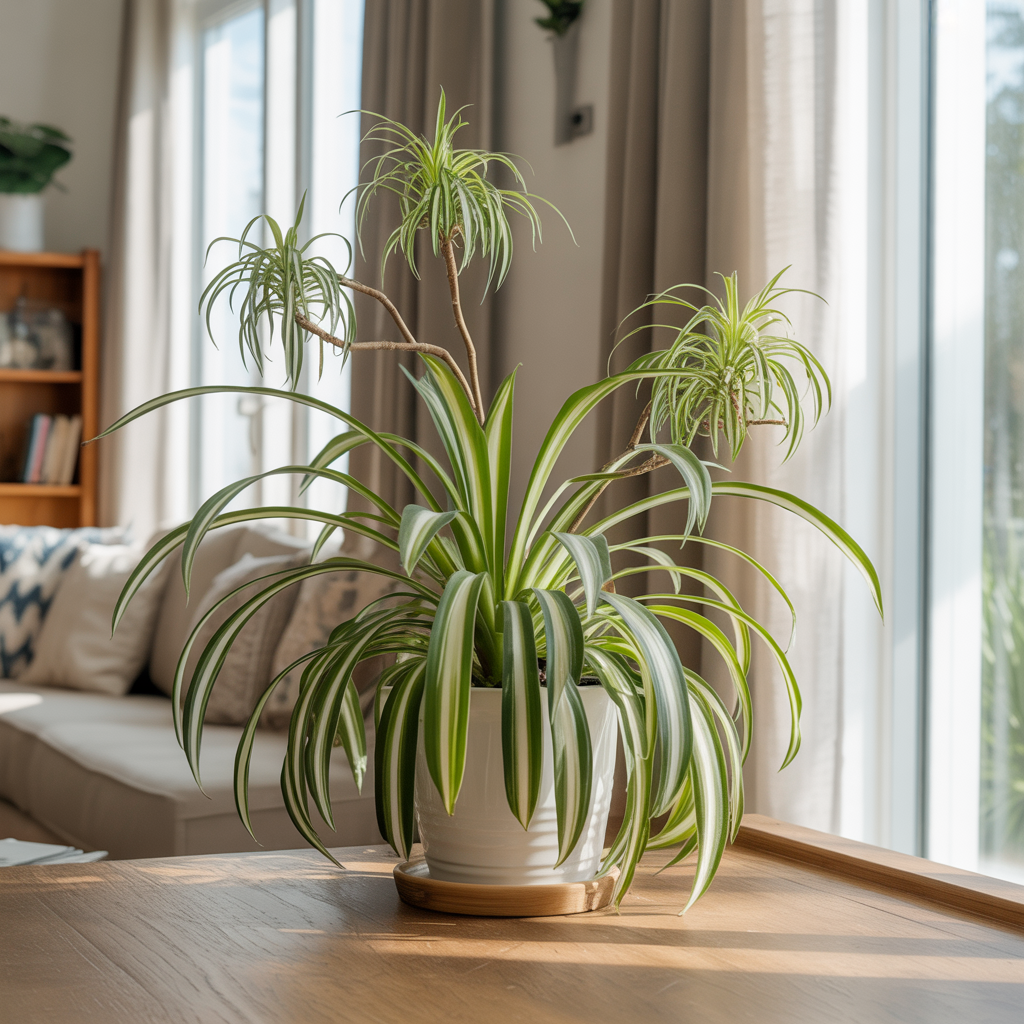
You may move the plant often to adjust light or placement, but this can slow down reproduction.
Spider plants respond to stability. When conditions change frequently, the plant focuses on adapting rather than producing spiderettes.
You should keep the plant in a consistent location once conditions are suitable.
7. Allow Stems to Develop Naturally
You may be tempted to trim long stems early, but those stems are where spiderettes form.
When the plant begins producing long runners, it is entering its reproductive phase.
You should allow these stems to grow fully. Over time, small plantlets will appear along them.
8. Support Overall Plant Health First
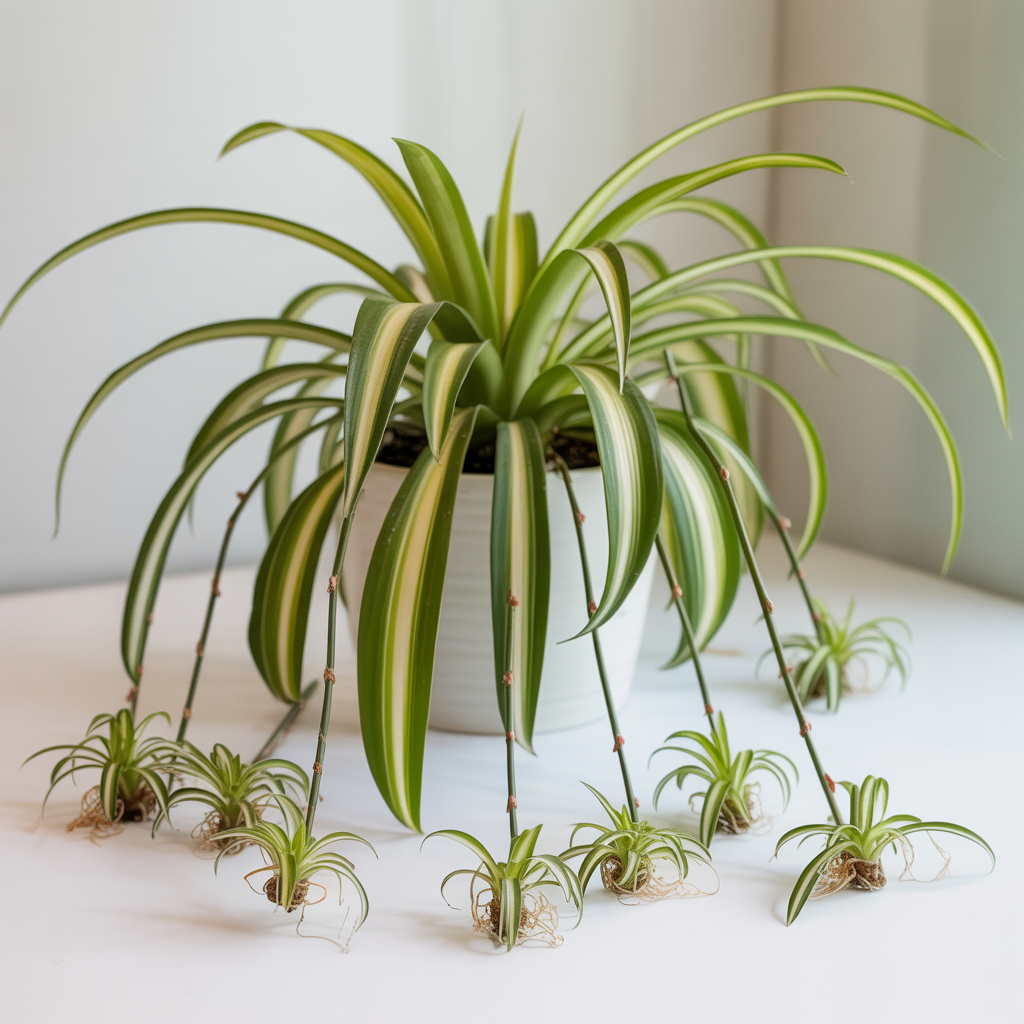
You will not see spiderettes if the plant is struggling.
Leaf health, root condition, and environmental balance all contribute to reproduction. If any of these are weak, the plant will delay producing babies.
You should focus on overall stability first, then expect spiderettes as a natural result.
Simple Routine to Encourage More Spiderettes
You will get the best results by combining several small improvements rather than making one large change.
Consistent light, balanced watering, and a stable environment create the conditions needed for reproduction. The plant responds gradually as it builds energy.
For a broader understanding of how plant balance affects growth and reproduction, see complete indoor plant care guide for beginners.
How Long Does It Take to See Spiderettes
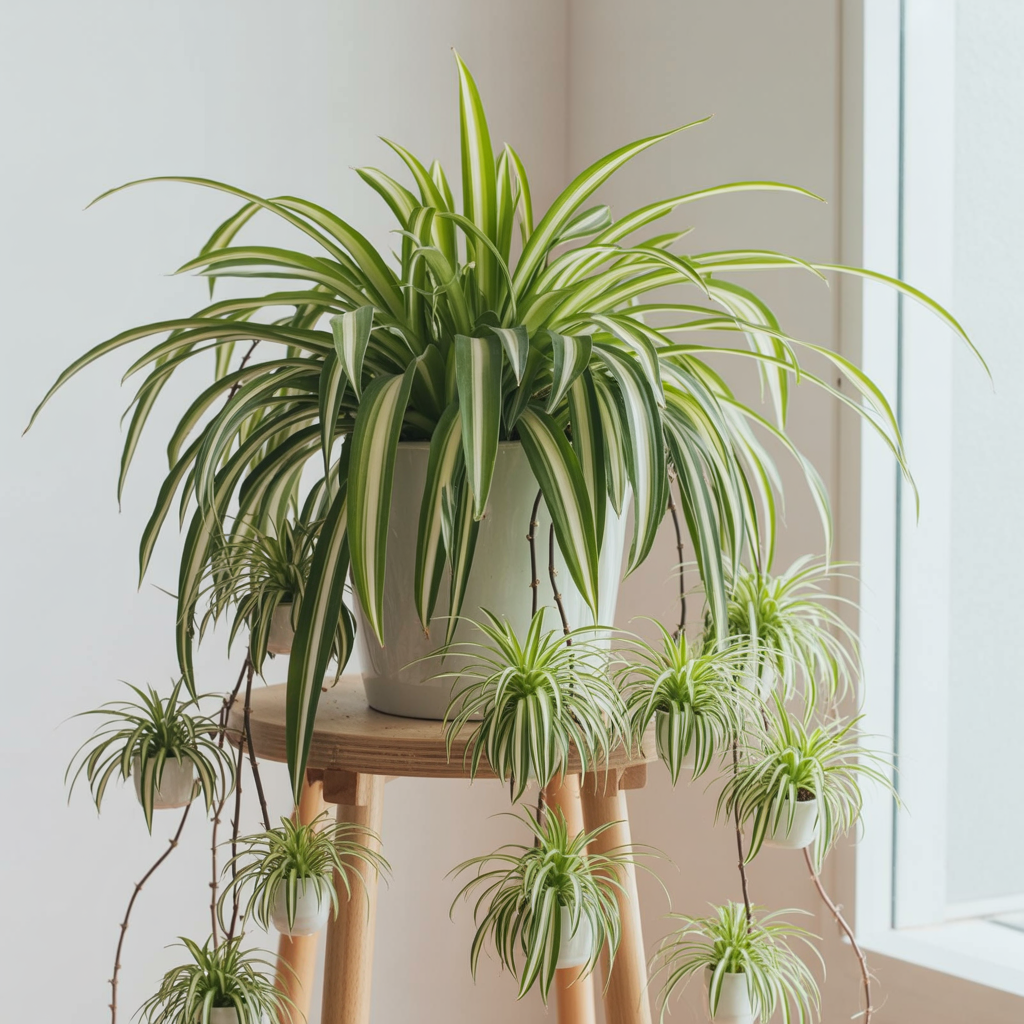
You may not see immediate results after making changes.
Spider plants take time to build energy before producing stems and babies. In most cases, spiderettes appear during active growth periods.
You should look for long arching stems first, as they indicate that reproduction is beginning.
Common Reasons Spider Plants Do Not Produce Babies
Low light is one of the most common causes.
Overpotting can prevent the plant from becoming slightly root-bound. Inconsistent watering or unstable conditions can also delay reproduction.
These factors often work together, which is why correcting one issue may not be enough.
How to Tell If Your Plant Is About to Produce Babies
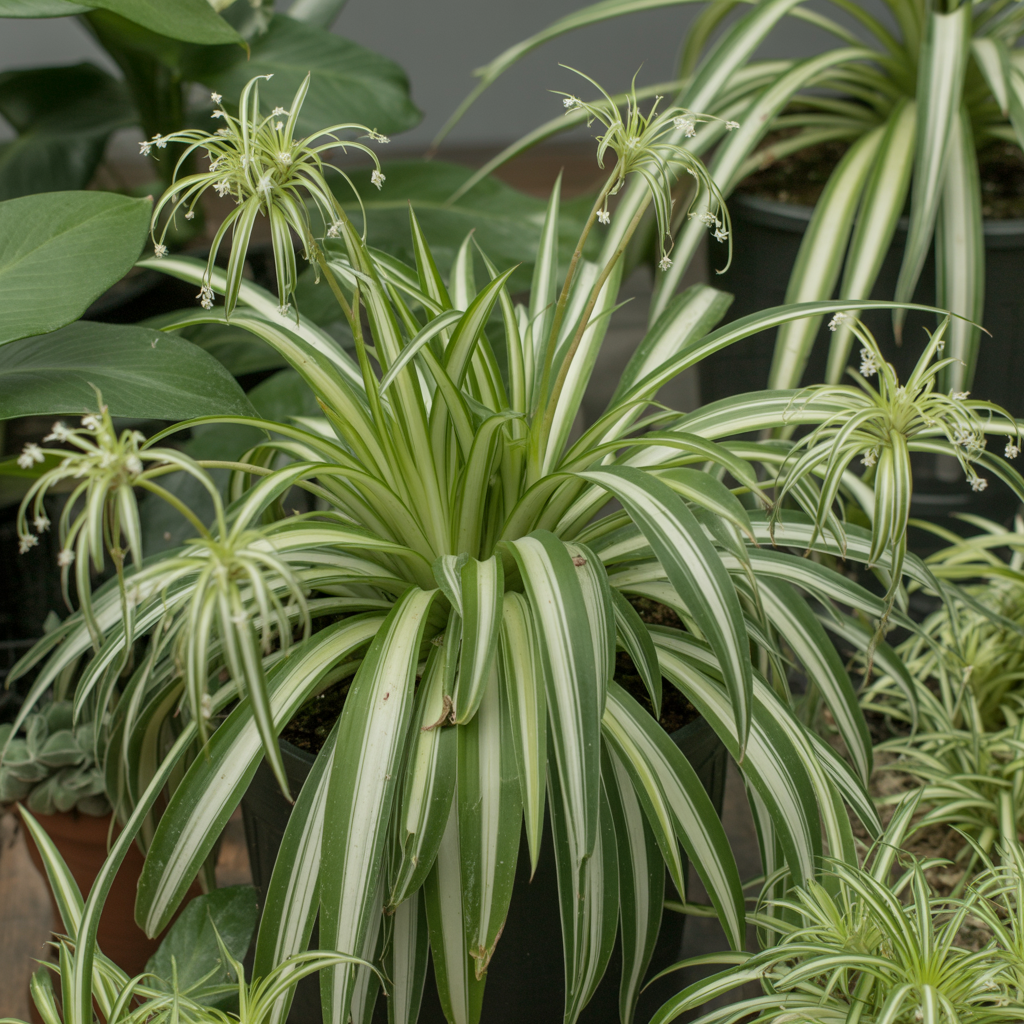
You may notice subtle changes before spiderettes appear.
The plant begins producing longer stems that extend beyond the main foliage. These stems become the base for future plantlets.
Once this stage begins, spiderettes usually follow.
Frequently Asked Questions
Why is my spider plant not producing babies?
This usually happens due to low light, lack of maturity, or unstable conditions.
How can I encourage more spiderettes naturally?
Providing brighter light, consistent watering, and a slightly root-bound pot can help.
Does fertilizer increase spiderette production?
Light feeding helps, but too much fertilizer can reduce reproduction.
How long does it take for spiderettes to grow?
It depends on conditions, but they usually appear during active growth periods.
Should I cut off spiderettes early?
It is better to let them develop fully before removing them.
Final Thoughts
You will not need to force a spider plant to produce babies when conditions are right. The plant naturally shifts toward reproduction when it feels stable and supported.
Spiderettes are a result of balance, not effort. When light, water, roots, and environment work together, the plant responds by producing new growth beyond its own needs.
With consistent care and patience, you will begin to see more spiderettes appear over time.