How to Make Snake Plant Grow Taller, Not Just Wider (Practical Guide)
A snake plant often grows in a way that surprises many indoor plant owners. Instead of becoming taller over time, it spreads outward by producing new shoots around the base. The plant may look fuller, but its height remains almost unchanged.
This growth pattern is completely natural, yet it can feel limiting when the goal is to achieve a taller, more upright look. Even in good conditions, a snake plant does not always prioritize vertical growth.
Height depends on how the plant distributes its energy. When conditions support strong, upward development, the plant is more likely to produce taller leaves instead of focusing on spreading outward.
Why Snake Plants Grow Wider Instead of Taller
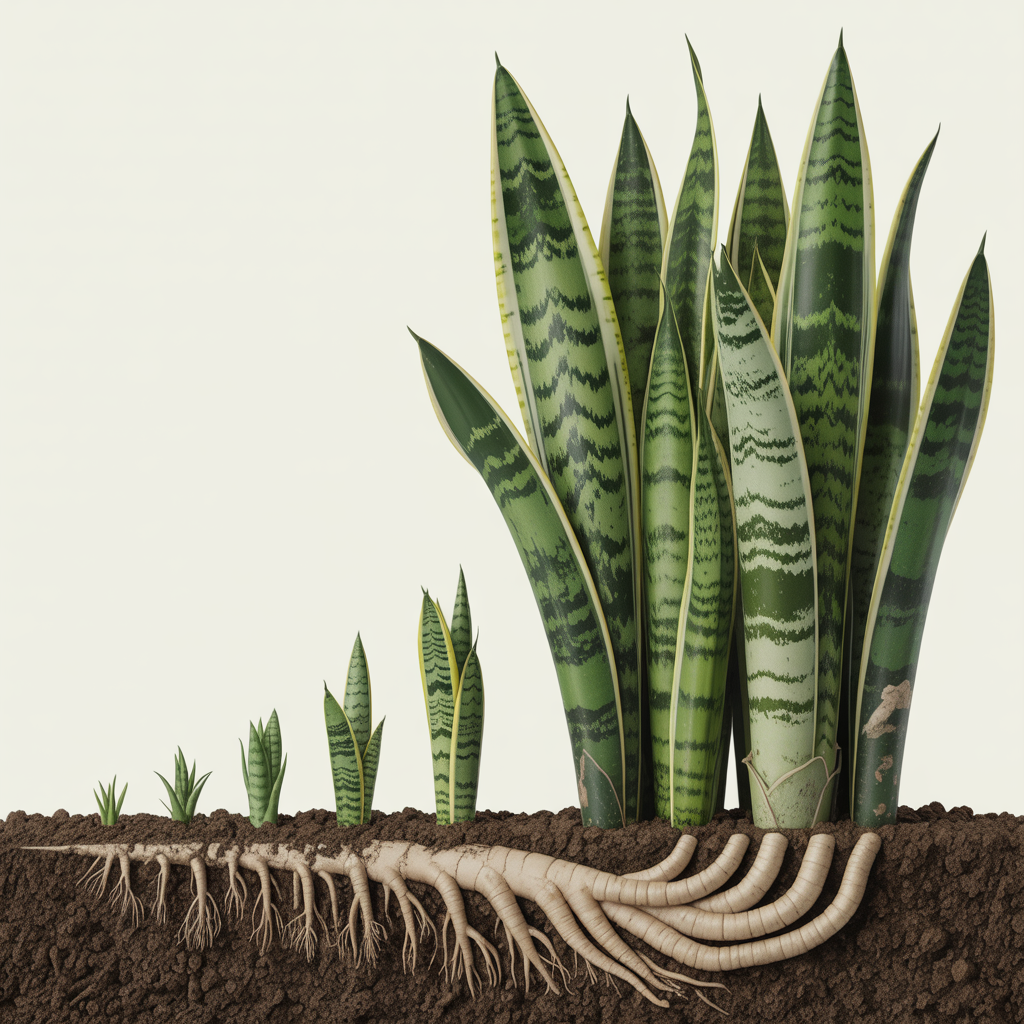
Snake plants grow through rhizomes, which are underground stems that produce new shoots. These shoots appear around the base, making the plant wider over time.
This behavior allows the plant to expand and store energy efficiently. However, it also means that vertical growth is not always the plant’s first priority.
When conditions are only moderately supportive, the plant tends to produce more shoots rather than taller leaves. This is why many snake plants look dense but not tall.
What Controls Vertical Growth
Vertical growth depends on several key factors working together rather than a single condition.
Light intensity and direction influence how strong and upright new leaves become. When light is consistent and well-positioned, leaves tend to grow vertically rather than spreading outward.
Root space determines how much energy the plant can use for development, while also affecting stability. Watering habits influence how efficiently nutrients and moisture move through the plant, which directly impacts leaf strength and structure.
These factors are closely connected. If one of them is slightly off, the plant may still survive, but it will not prioritize height. When they are balanced, the plant is more likely to produce taller, stronger leaves instead of continuing to expand sideways.
How to Encourage Taller Growth
1. Improve Light Direction and Consistency
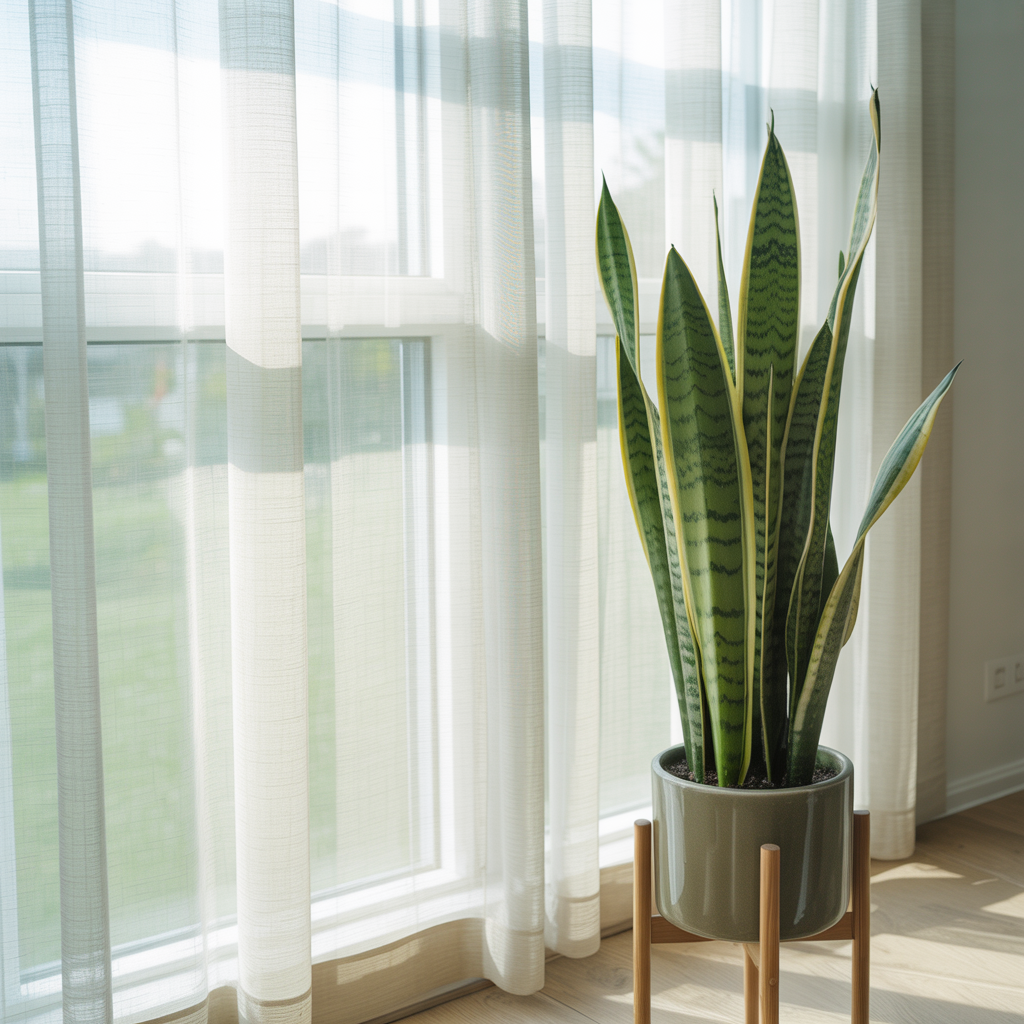
Light is the strongest driver of vertical growth, but its direction is just as important as its intensity. When light reaches the plant unevenly or primarily from one side, the leaves tend to lean or spread toward the source. Over time, this creates a wider and less structured appearance.
When light is more evenly distributed or slightly above the plant, new leaves grow upward in a more controlled and balanced way. This encourages a taller and more upright form.
How to apply this in practice
Place the plant near a bright, indirect light source where exposure remains consistent throughout the day. Instead of relying only on brightness, observe how the light moves across the plant. Rotating the plant every one or two weeks helps prevent uneven growth and keeps the structure balanced.
👉 Related:
→ Why Snake Plant Not Growing Even in Bright Light
2. Limit Overcrowding at the Base
A snake plant that produces many shoots at once spreads its energy across multiple growth points. While this makes the plant look fuller, it reduces the amount of energy available for each individual leaf to grow taller.
When too many shoots compete for the same resources, the result is often a dense plant with shorter leaves.
How to apply this in practice
If the base becomes crowded, consider removing weaker shoots or dividing the plant into separate pots. This allows the remaining leaves to receive more energy and develop stronger vertical growth. The goal is not to reduce the plant drastically, but to create enough space for each leaf to grow properly.
3. Use the Right Pot Size
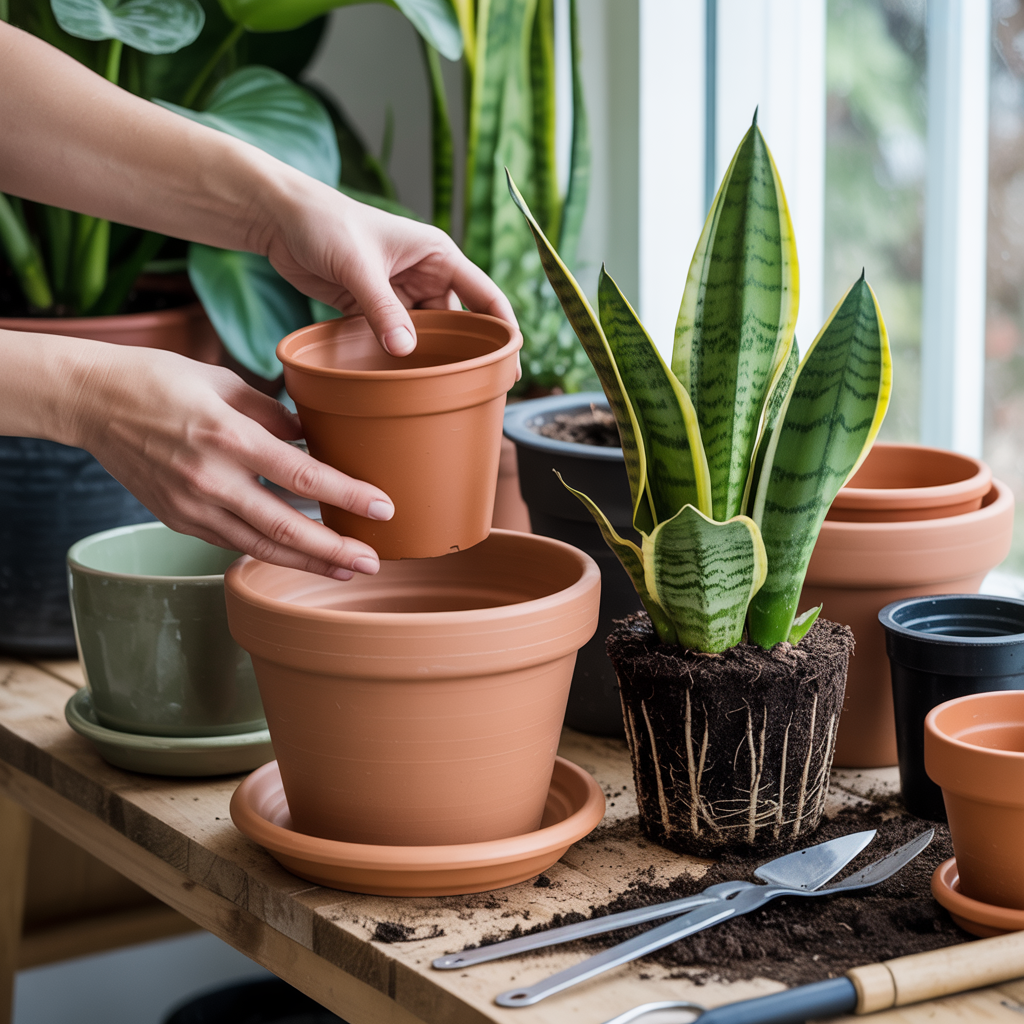
Pot size has a direct impact on how roots develop and how efficiently the plant uses water and nutrients. A pot that is too large can hold excess moisture, which reduces oxygen around the roots. A pot that is too small can restrict root expansion and limit growth potential.
Both situations can prevent the plant from developing taller leaves.
How to apply this in practice
Choose a pot that is slightly larger than the root system, rather than significantly bigger. This creates a balanced environment where roots can expand gradually without being overwhelmed by excess moisture. Repotting should be done when roots become crowded, not simply to increase size quickly.
4. Maintain Proper Watering Balance
Watering affects more than hydration. It directly influences how strong and structured the leaves become. When watering is too frequent, the roots may weaken, which leads to softer and less stable leaves. When watering is too limited, growth slows down because the plant does not receive enough support.
How to apply this in practice
Allow the soil to dry between watering sessions, then water thoroughly so that moisture reaches deeper roots. Avoid frequent shallow watering, as this encourages weak surface root growth. A consistent cycle of drying and deep watering supports stronger internal structure.
5. Support Strong Root Health
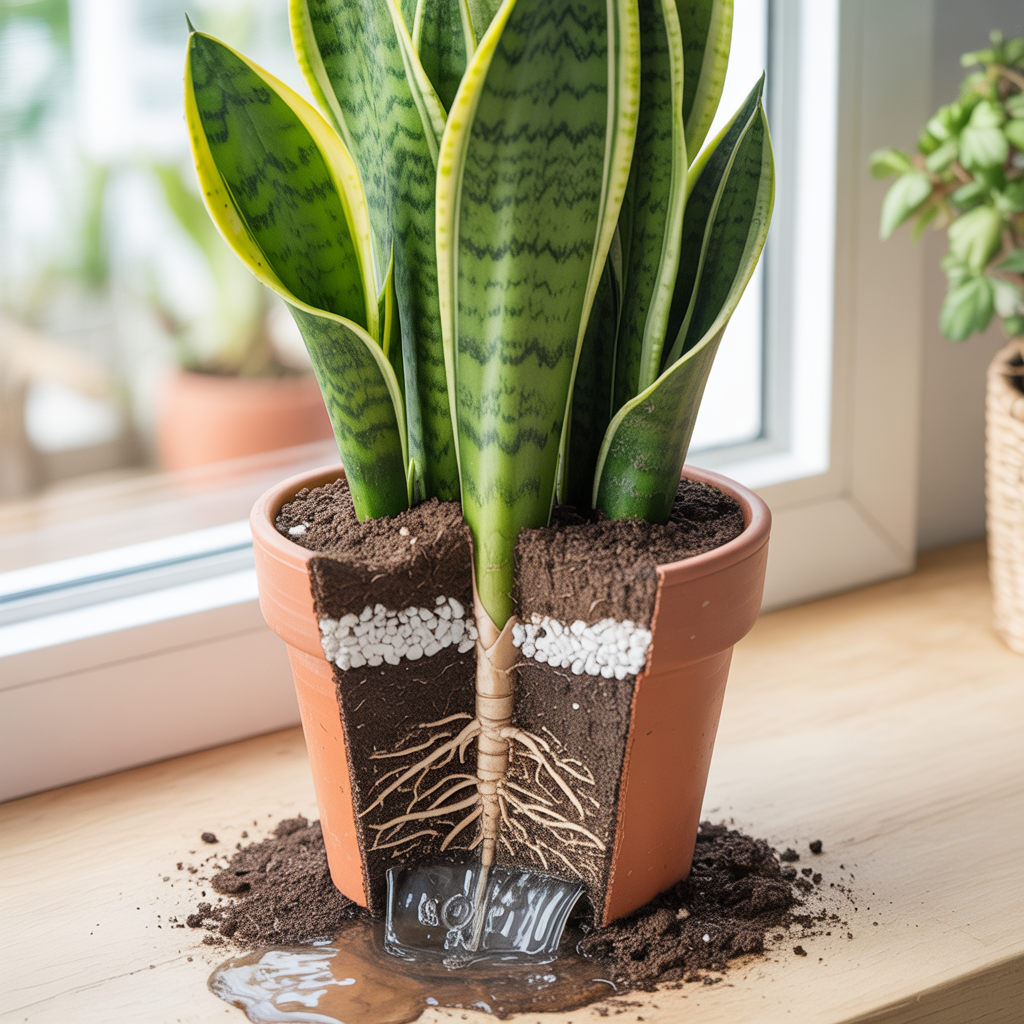
Roots provide both stability and resource distribution. When roots function efficiently, they support upright growth by maintaining internal pressure within the leaves.
Poor soil structure or limited airflow can reduce root efficiency, which affects the plant’s ability to grow vertically.
How to apply this in practice
Use well-draining soil that allows both moisture retention and airflow. Avoid compact soil that restricts root movement. Healthy roots create the foundation for taller, stronger leaves.
👉 Related:
→ Why Snake Plant Roots Rot Even When Watering Seems Normal
6. Avoid Frequent Changes
Snake plants rely on stability to grow properly. Frequent changes in location, lighting conditions, or watering routines can disrupt their ability to adapt.
When a plant is constantly adjusting, it focuses on survival rather than growth.
How to apply this in practice
Choose a suitable location and maintain consistent care. Small adjustments can be made when necessary, but large or frequent changes should be avoided. Stability allows the plant to direct energy toward growth rather than adaptation.
7. Be Patient With Growth Patterns
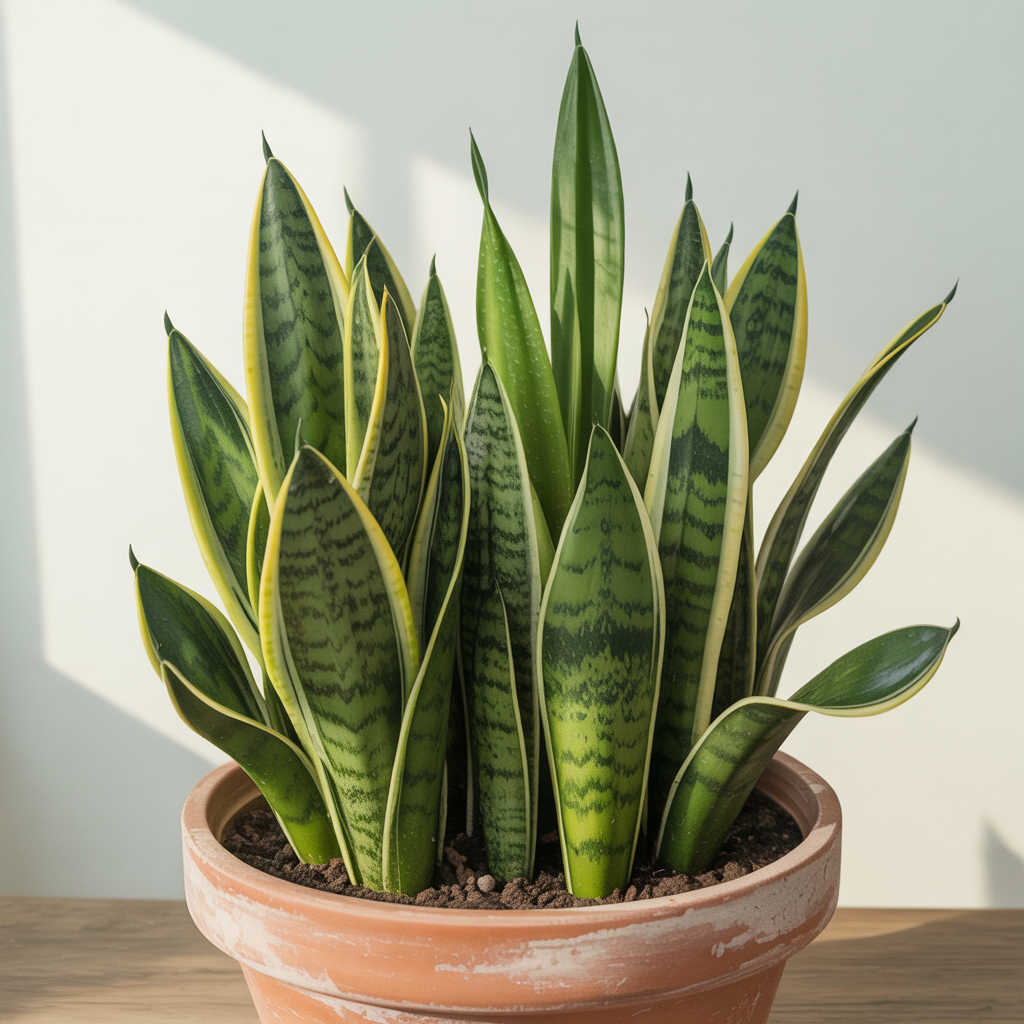
Snake plants are naturally slow growers. Even in ideal conditions, height increases gradually rather than quickly. Expecting rapid results often leads to overcorrection, which can create imbalance.
How to apply this in practice
Focus on maintaining consistent conditions rather than trying to accelerate growth. Over time, new leaves will become taller and more structured as the plant responds to its environment.
Common Mistakes That Prevent Taller Growth
Encouraging height in the wrong way often leads to disappointing results. Overwatering can weaken the plant’s structure and reduce its ability to support upright leaves. Keeping the plant in low or uneven light limits vertical development, even if the plant appears healthy.
Allowing too many shoots to grow close together divides energy and prevents individual leaves from reaching their full height. Moving the plant frequently can also interrupt its growth cycle, as it must continuously adjust to new conditions.
These mistakes are subtle but have a cumulative effect over time. Correcting them gradually creates a more stable foundation for growth.
How to Tell If Growth Is Improving
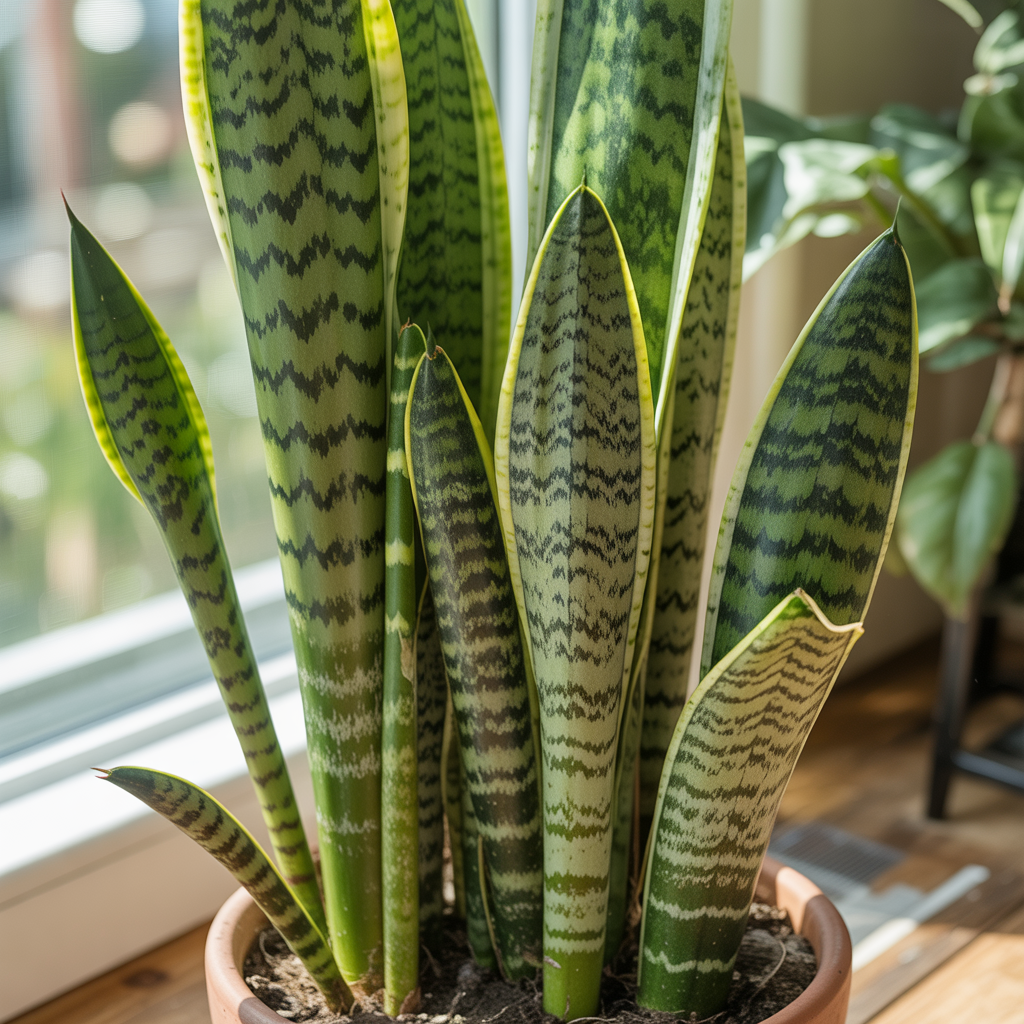
A snake plant that is beginning to grow taller shows gradual and consistent changes rather than sudden transformation.
New leaves tend to appear more upright and often grow longer than older ones. The overall structure of the plant becomes more balanced, with fewer leaves spreading outward. The plant may also feel more stable in the pot as root health improves.
These changes may take time to become noticeable, but they indicate that the plant is responding positively to improved conditions. Growth becomes more predictable when care remains consistent.
Related Indoor Plant Growth Topics
Growth patterns vary across different plants, but many follow similar principles.
👉 Explore:
- Why Indoor Plants Stop Growing Suddenly
- Why Snake Plant Leaves Are Bending or Falling Over
- Why Pothos Growth Slows Down Indoors
Understanding these patterns helps create a more consistent approach to plant care.
Frequently Asked Questions
Why does my snake plant grow wider instead of taller?
Snake plants naturally produce new shoots around the base, which causes them to spread outward rather than grow vertically.
Can a snake plant be trained to grow taller?
While it cannot be forced, providing the right light, spacing, and care conditions can encourage taller growth.
How long does it take for a snake plant to grow taller?
Growth is slow and gradual, and noticeable changes may take several weeks or months.
Should you remove smaller shoots to promote height?
Removing some shoots can help redirect energy toward vertical growth.
Does fertilizer help snake plants grow taller?
Fertilizer can support growth when used in moderation, but it is not the main factor for height.
Final Thoughts
A snake plant that grows wider instead of taller is simply following its natural pattern. Encouraging vertical growth requires adjusting conditions so that the plant directs its energy upward rather than outward.
By focusing on light, spacing, root health, and consistency, it becomes possible to support taller, stronger growth over time. Small adjustments made consistently often produce the best results.