How to Build a Simple Indoor Plant Care Routine That Actually Works
Indoor plants often start out looking healthy and easy to manage, yet over time, many people begin to notice small issues that slowly affect growth. Leaves may change color, growth may slow down, or the plant may stop developing altogether, even when care seems consistent.
This situation usually does not come from a lack of effort. Instead, it often comes from routines that are either too rigid or too inconsistent. Indoor plant care is not about doing more tasks, but about doing the right things at the right time.
A simple routine that focuses on observation and balance can make plant care easier and more reliable. When light, water, and environment are managed consistently, plants are more likely to grow steadily and remain healthy over time.
Why Most Plant Care Routines Fail
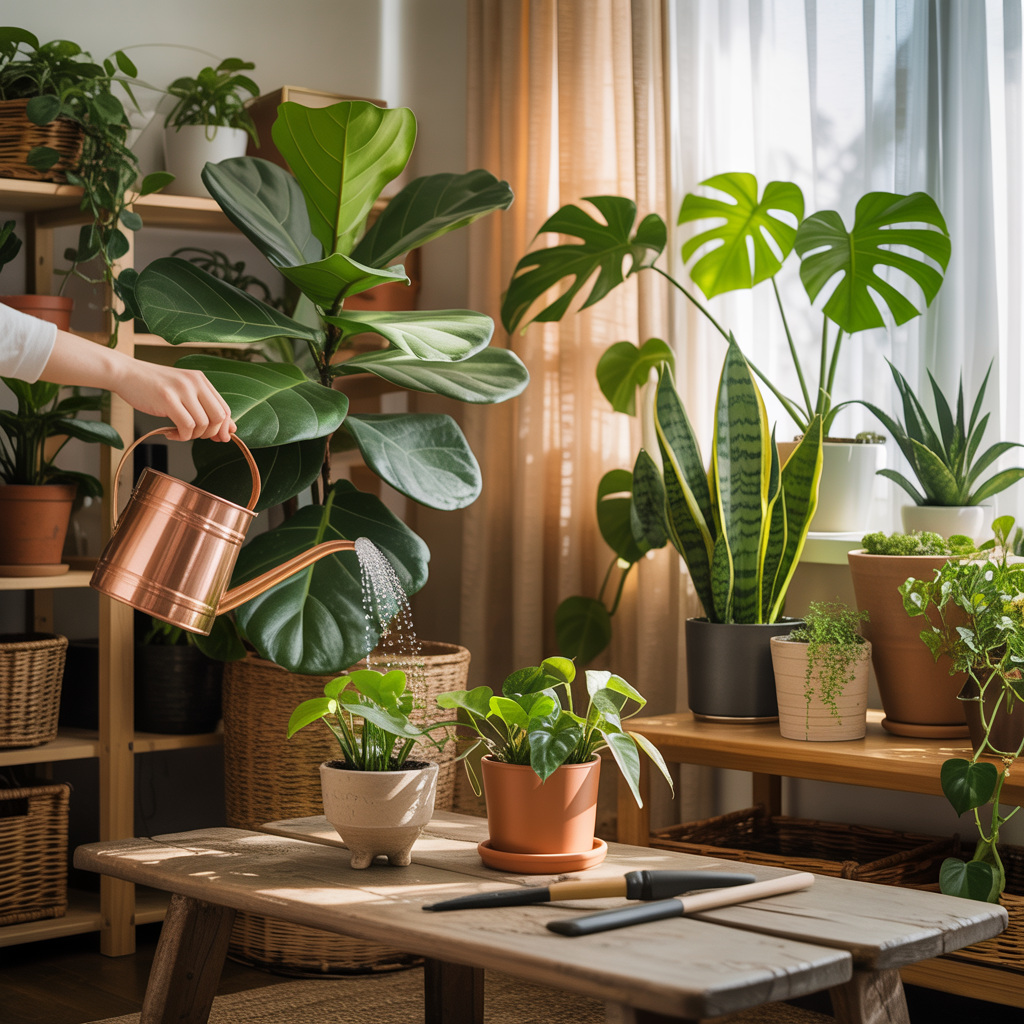
Many beginners rely on fixed schedules or general advice that does not adapt to changing conditions. For example, watering a plant every week may work temporarily, but indoor environments are not constant. Temperature, humidity, and light exposure change throughout the year, which affects how plants respond.
A routine that does not adjust to these changes can lead to problems such as overwatering, underwatering, or slow growth. In some cases, a plant may look healthy while its development gradually slows down.
Another common issue is overcomplicating care. Adding too many steps or trying multiple changes at once can create confusion rather than improvement.
A reliable routine should be simple, flexible, and based on observation rather than strict timing.
The Core Principles of a Simple Plant Care Routine
A routine that works consistently is built around a few key principles rather than many detailed steps.
First, plant care should respond to conditions rather than follow a fixed schedule. This means observing light, soil, and leaf condition regularly instead of relying on specific days.
Second, consistency matters more than intensity. Small, regular actions support growth better than occasional major adjustments.
Third, stability is essential. Plants adapt slowly, so frequent changes in placement or care routines can disrupt their development.
When these principles are applied, plant care becomes more predictable and less dependent on guesswork.
Step 1: Check Light Conditions Regularly

Light is the foundation of plant growth, and it should be the first factor to evaluate in any routine.
Indoor light conditions can change gradually due to seasons, weather, or room layout. A plant that once received sufficient light may begin to struggle if the environment shifts.
Checking light does not require complex tools. Observing how much natural light reaches the plant during the day is often enough to determine whether adjustments are needed.
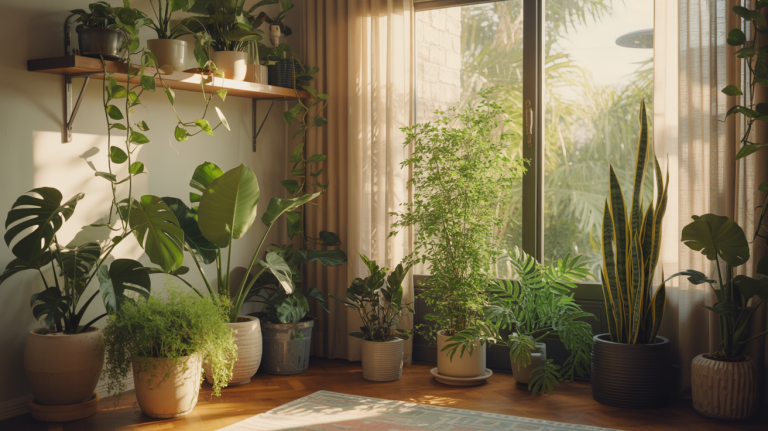
Placing plants near a consistent source of bright, indirect light supports steady growth. Rotating the plant occasionally also helps ensure even exposure.
👉 For deeper insight into growth issues:
→ See Why Indoor Plants Stop Growing Suddenly
Step 2: Water Based on Soil, Not Schedule
Watering should always depend on soil condition rather than a fixed routine.
Indoor environments vary, which means soil may dry faster or slower depending on temperature, humidity, and light. Watering on a schedule without checking the soil can lead to imbalance.
A simple method involves checking the top layer of soil before watering. If it feels dry, watering is appropriate. If it still feels moist, waiting helps prevent overwatering.
This approach reduces common problems such as root stress and slow growth.
👉 For symptom-related issues:
→ See Plant Problems & Symptoms
Step 3: Observe the Leaves for Early Signals
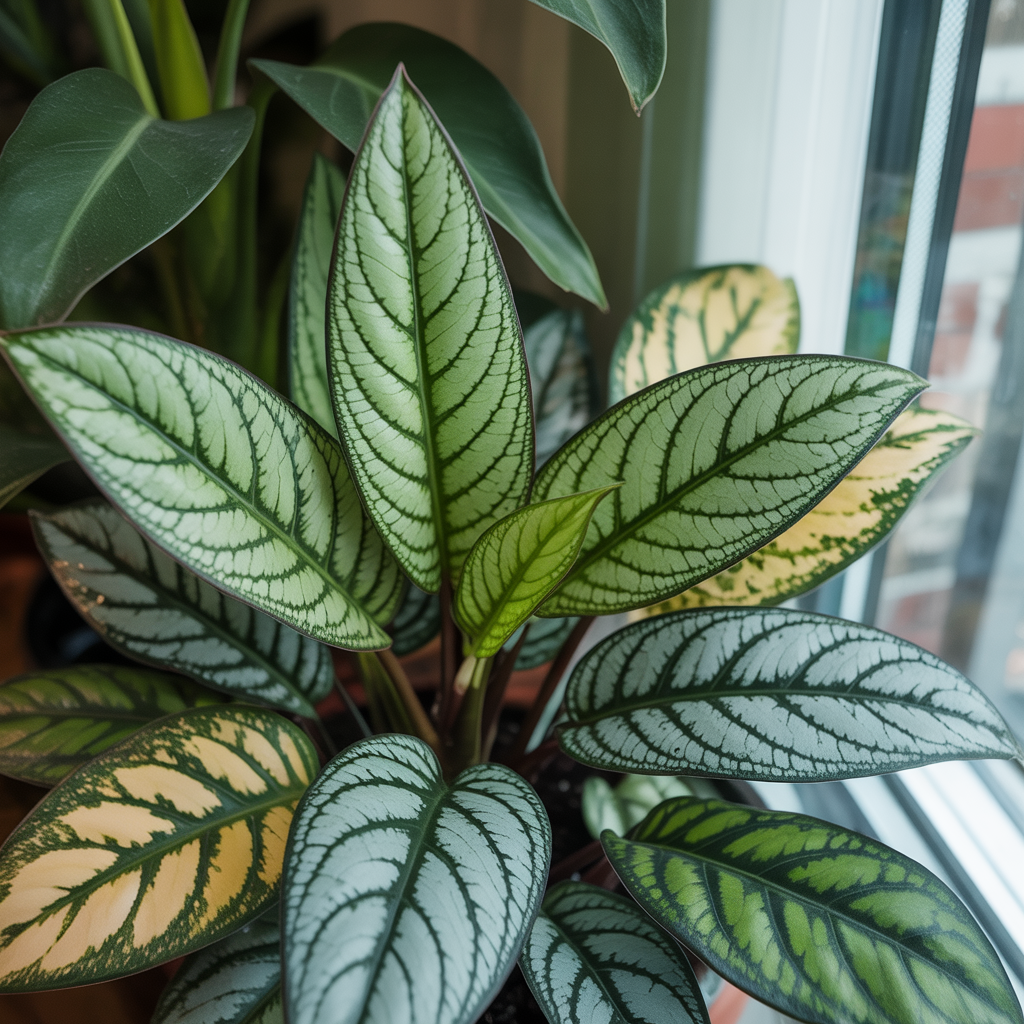
Leaves provide valuable information about plant health. Changes in color, texture, or structure often appear before more serious problems develop.
Yellow leaves, brown edges, or slight drooping can indicate issues related to watering, light, or environment. Observing these changes regularly allows adjustments to be made early.
This step does not require detailed analysis. Simply noticing patterns over time is enough to understand how the plant is responding.
Step 4: Keep Placement Stable
Plants adapt to their environment gradually. Frequent changes in location can disrupt this process and slow down growth.
Moving a plant repeatedly exposes it to different light levels, temperatures, and airflow conditions. This can cause the plant to spend more time adjusting than growing.
Choosing a suitable location and keeping it consistent helps maintain stability and supports long-term development.
👉 For environmental factors:
→ See Plant Environment & Behavior
Step 5: Adjust the Routine Based on Seasons
Indoor conditions change throughout the year, even if they appear stable.
During warmer months, plants may grow more actively and require more frequent watering. During cooler months, growth slows down, and watering needs decrease.
Adjusting care based on these changes helps maintain balance and prevents common mistakes such as overwatering in winter.
A Simple Weekly Routine That Works
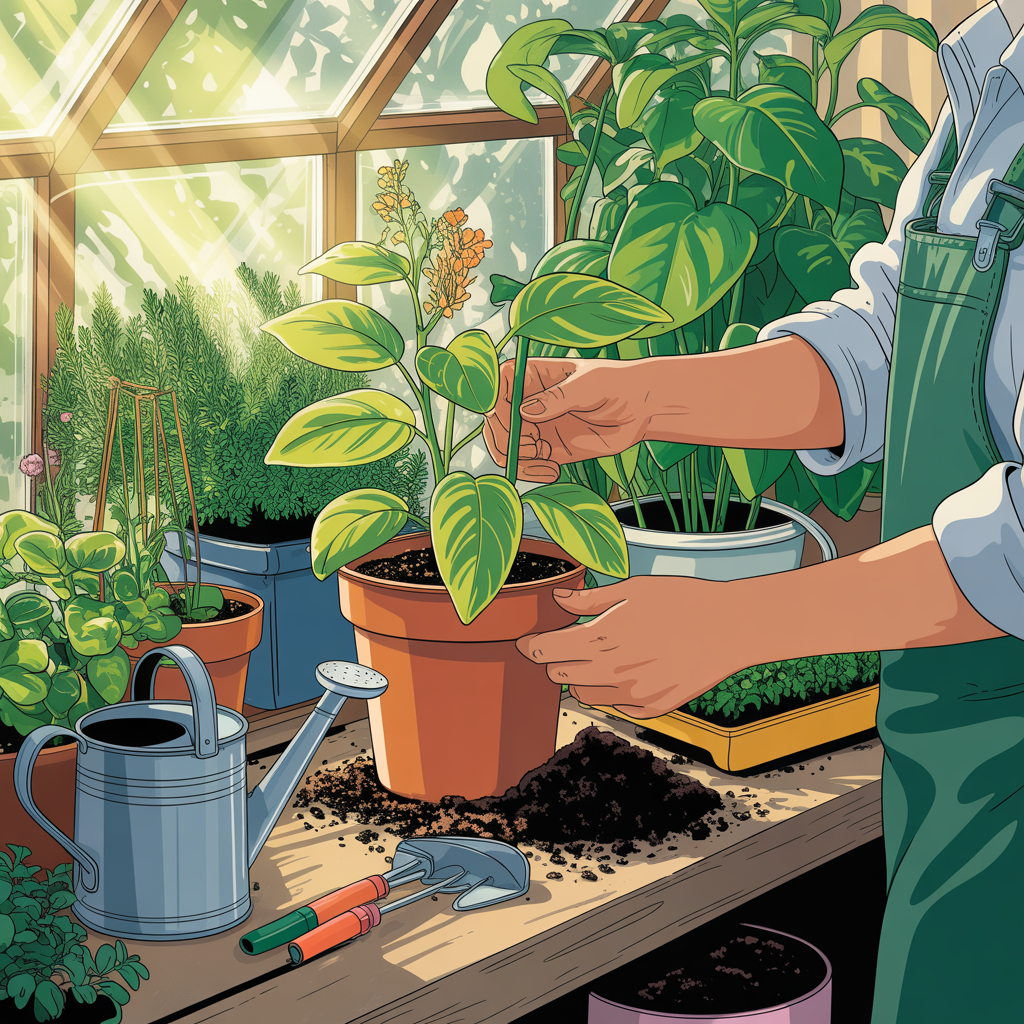
A practical routine does not need to be complicated. A simple weekly check is often enough to maintain plant health.
This routine can include observing light conditions, checking soil moisture, and reviewing leaf appearance. Each step takes only a few minutes but provides valuable insight into plant health.
Consistency is more important than frequency. A routine that is easy to follow is more likely to be maintained over time.
Common Mistakes When Building a Routine
Many routines fail because they are too rigid or too complex.
Following a strict watering schedule without checking soil conditions often leads to imbalance. Making multiple changes at once can create stress and confusion.
Ignoring early signs of stress allows small issues to develop into larger problems. Expecting immediate results can also lead to unnecessary adjustments.
A simple routine that focuses on observation and gradual changes is more effective.
How to Know If Your Routine Is Working
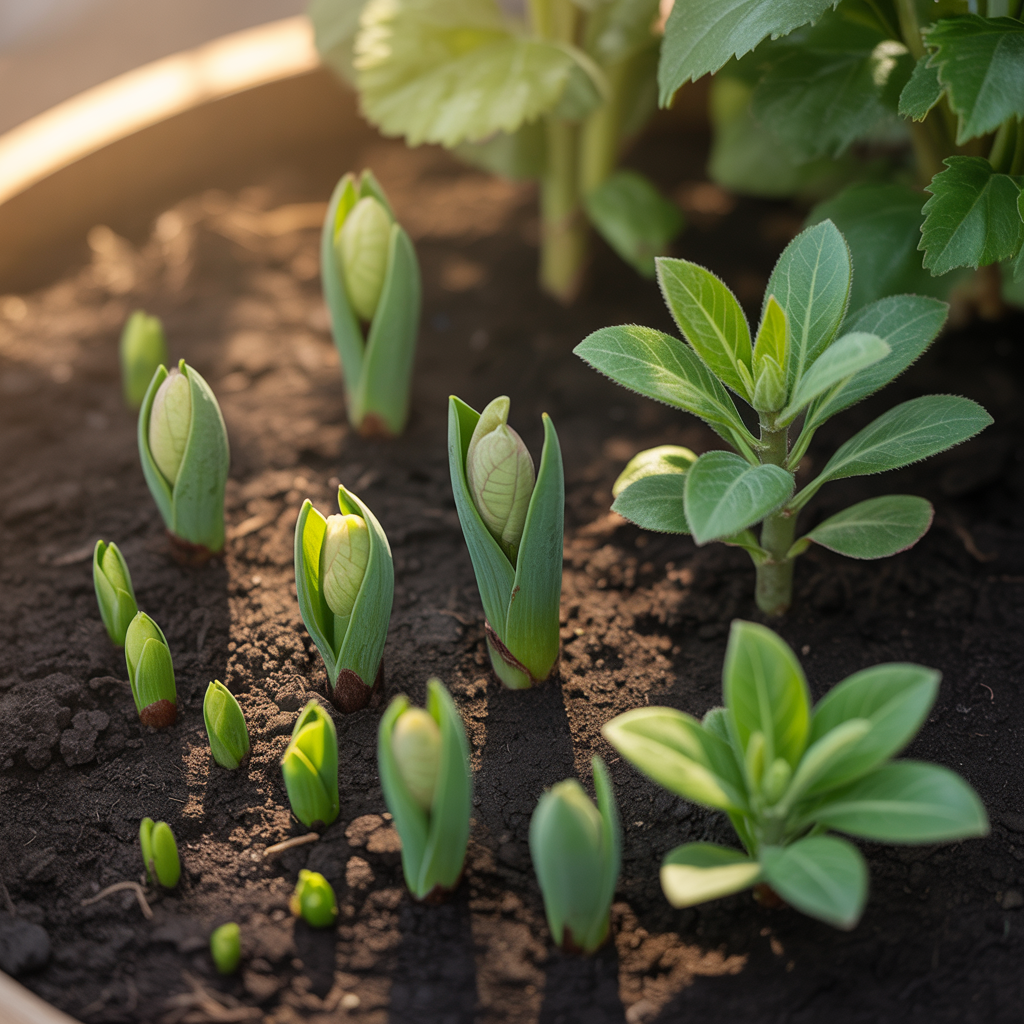
A routine is effective when the plant shows steady, gradual growth over time.
New leaves or shoots should appear periodically, and the overall structure of the plant should remain stable. The plant should not show frequent signs of stress such as yellowing or drooping.
If growth remains slow or stagnant, reviewing light, watering, and environment can help identify areas for improvement.
Frequently Asked Questions
How often should a plant care routine be followed?
A simple weekly check is usually enough, as long as watering is based on soil condition rather than schedule.
Why is a fixed routine not always effective?
Indoor conditions change frequently, so a routine must adapt to factors such as light, temperature, and humidity.
What is the most important part of a plant care routine?
Light and watering balance are the most important factors, as they directly affect growth and root health.
Can a routine be too simple?
A simple routine is often more effective because it is easier to maintain consistently over time.
How long does it take to see improvement?
Most plants show improvement gradually over several weeks once conditions are adjusted.
Final Thoughts
A simple plant care routine that actually works is built on observation, consistency, and balance. Instead of relying on fixed schedules or complex methods, focusing on light, watering, and stability creates a more reliable approach.
Indoor plants respond best when their environment remains consistent and their needs are met gradually. Over time, this approach leads to healthier plants and more predictable growth without unnecessary effort.