How I Keep My Garden Thriving Through the Hottest Summer Days
Chicago summers can surprise me every year. Some days feel mild and breezy, and then suddenly July arrives with a week of heavy heat that sits over the backyard like a warm blanket.
When the temperature climbs past what feels comfortable, my garden usually shows it first. I can see clearly that leaves curl a little, soil dries faster, and of course, the whole place seems to slow down.
Because of this, I’ve learned that the best approach isn’t to fight the heat, but to help the garden adjust to it. Over a few summers, I figured out a practical routine that keeps everything alive.
My garden is divided into different sections, and each one reacts to heat in its own way. Caring for them has become one of those quiet routines that keep me grounded during long summer days.
The Vegetable Beds: Early Mornings and Steady Moisture

The vegetable beds always feel the heat first. Tomatoes droop, peppers look tired, and lettuce behaves like it wants to give up entirely. Because vegetables rely so much on water, I’ve seen that timing matters more than quantity.
In summer, I water the vegetable beds early in the morning, before the sun gets strong. This gives the soil enough time to absorb moisture before heat turns the water into steam. When I water too late, the plants always look stressed.
I also added mulch – nothing fancy, just a mix of straw and dried leaves from the yard. It keeps the soil cool and slows evaporation. One summer I skipped mulching because I underestimated how hot it would get, and my basil shriveled within two days. After that, I stopped taking chances.
Also, tomatoes and cucumbers also get a light trim during heat waves so air can move through the leaves. This simple change helped prevent mildew and kept the plants from overheating.
The Orchard Corner: Slow, Deep Watering
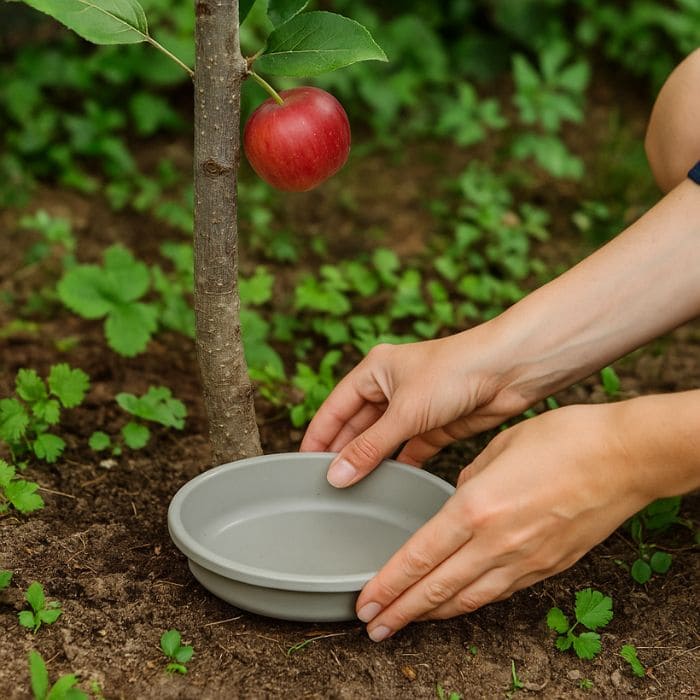
In the back of the yard, I have a small orchard corner with young fruit trees. They’re still establishing their roots, so heat affects them differently. Instead of frequent watering, they need slow and deep watering to reach the lower soil layers.
I place a shallow basin at the base of each tree and fill it with water so it soaks gradually. This helps the water reach deeper roots instead of running off the surface. It also helps the soil hold moisture longer.
My peach tree suffered during one particularly hot summer, and its leaves curled tightly. My husband pointed at it, and said, “That tree looks thirsty in a way water can’t fix in one go.” He was right. After switching to deeper watering, the tree recovered, and I haven’t changed the method since.
Another thing that helps is keeping the area around the fruit trees weed-free. When weeds take over, they steal moisture from the soil much faster than you’d expect.
The Flower Beds: Afternoon Shade and Light Pruning
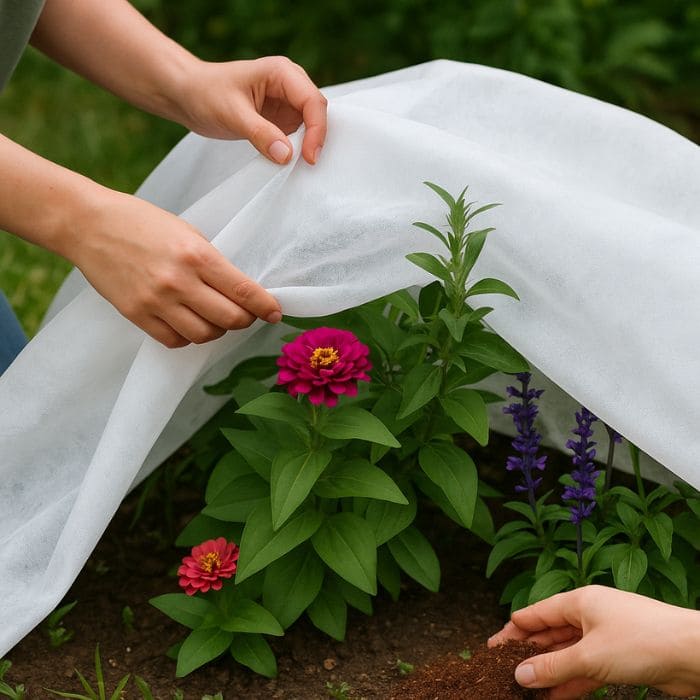
Flowers show stress quickly when the sun becomes too intense. Their petals wilt, and their leaves burn around the edges. The flower beds in my garden contain marigolds, zinnias, salvia, and a few delicate varieties like impatiens.
On hot days, I set up temporary shade using lightweight fabric or even a gardening umbrella if I’m in a rush. It looks improvised, but it saves so many blooms from sun scorch.
I also avoid heavy pruning during heat waves. Flowers don’t like big changes when they’re already under stress. Instead, I stick to trimming only the dead blossoms so the plants can focus on staying hydrated.
One habit that helps is misting the soil around the flowers, not the petals. Remember that spray on petals can cause burns in strong sunlight.
The Herb Ladder and Containers: Close Monitoring
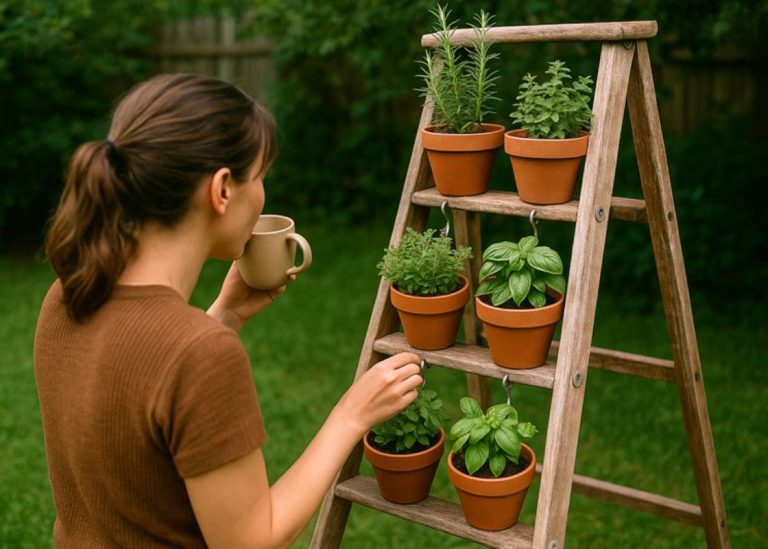
Herbs in containers dry out faster than anything planted in the ground. My herb ladder becomes a hotspot in summer because the pots warm up quickly.
To keep them alive, I check them twice a day during heat waves. Morning watering is essential, but sometimes I give them a tiny evening refresh if the soil looks dry. Mint, basil, rosemary, and oregano each behave differently, so I’ve learned to adjust:
- Mint prefers slightly moist soil, so I keep it lower on the ladder where it gets more shade.
- Basil wilts fast but recovers quickly once watered.
- Rosemary hates soggy soil, so I water it lightly even in summer.
- Oregano handles heat better than most herbs and usually needs the least attention.
Because the containers lose moisture faster, I also add a thin layer of mulch on top, even small pieces of bark or coconut fiber help.
Succulent Corner: Letting Them Handle the Heat
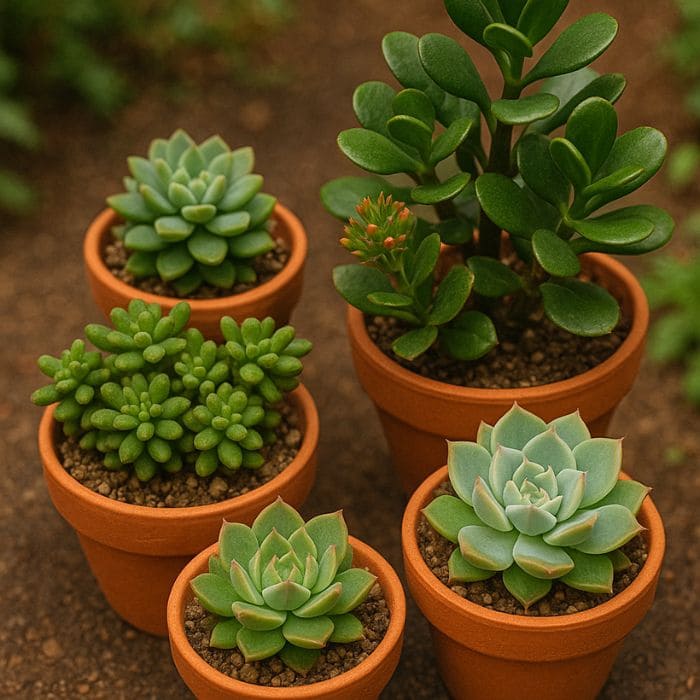
The succulent corner is the one place in the yard where heat actually helps the plants grow stronger. My jade plant, kalanchoe, sedum, and echeveria varieties love the warmth, but they still need protection from extreme afternoon sun.
I move them to a spot with strong morning sunlight and soft afternoon shade during the hottest weeks. This prevents leaf burn, which always shows up as brown patches on the surface.
Even with heat, I avoid overwatering as succulents prefer dry soil, and heat doesn’t change that. In fact, heat makes it even easier to drown them. I water deeply once every 10 to 14 days, depending on how quickly the soil dries.
One trick that helped: using unglazed terracotta pots. They release moisture gradually, which keeps the roots cooler.
The Lawn: Fewer Mows, Higher Blades
The lawn used to suffer every summer until I changed how I mow during heat waves. Cutting the grass short made it burn faster, so now I set the mower blade higher. Taller grass helps shade the soil and keeps everything cooler.
I also avoid mowing during the afternoon. Early morning or early evening works better so the lawn doesn’t go into shock. Watering happens early as well, allowing the moisture to sink in before the sun reaches its peak.
My dad once pointed out, “Grass is tougher than we think, but not when we push it too hard.” That stuck with me. Since changing how I mow, the lawn looks greener throughout the summer.