Complete Indoor Plant Care Guide for Beginners (Simple & Practical)
Indoor plants can look easy to care for at first, yet many beginners quickly feel confused when growth slows down or leaves start to change unexpectedly. A plant may appear healthy for weeks, then suddenly stop growing, develop yellow leaves, or show signs of stress without any clear reason.
These problems rarely happen randomly. In most cases, they come from small misunderstandings about light, watering, soil, or placement. Indoor plants rely on a stable balance of these factors, and even slight changes can affect how they grow over time.
A clear and simple care routine makes a noticeable difference. Instead of relying on guesswork, understanding how each factor works allows indoor plants to grow more consistently and remain healthy long term. This guide explains the fundamentals in a practical way, so each step can be applied easily in a real home environment.
Understanding How Indoor Plants Grow
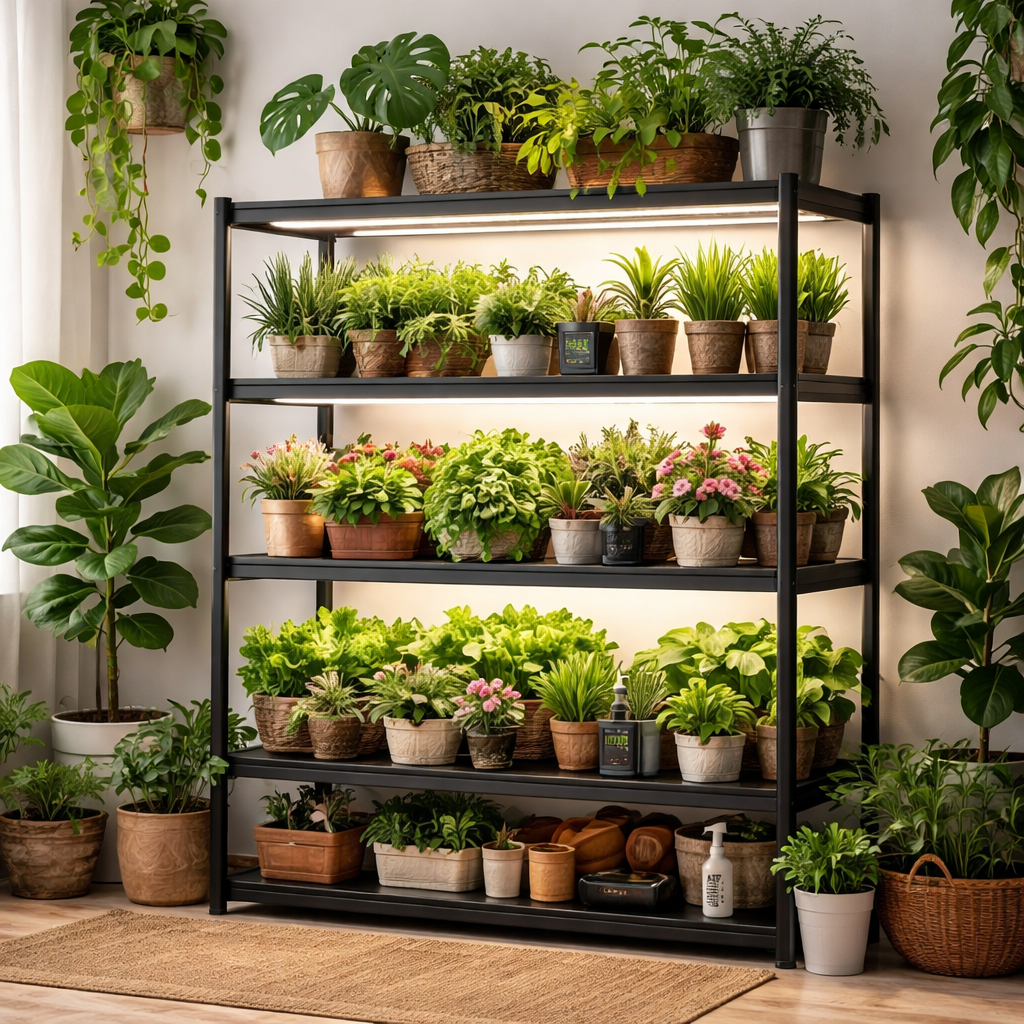
Indoor plants grow by converting light into energy, which supports the development of leaves, stems, and roots. This process depends on several key elements working together.
Light provides energy, water supports nutrient movement, soil anchors the roots and supplies minerals, and the environment determines how efficiently these processes happen.
When all of these factors are balanced, plants grow steadily and produce new leaves over time. When one element becomes limited or excessive, growth may slow down or stop.
In many cases, the plant continues to look healthy while silently adjusting to less favorable conditions.
This is why plant care is not about doing more, but about maintaining the right balance consistently.
Light: The Foundation of Plant Health
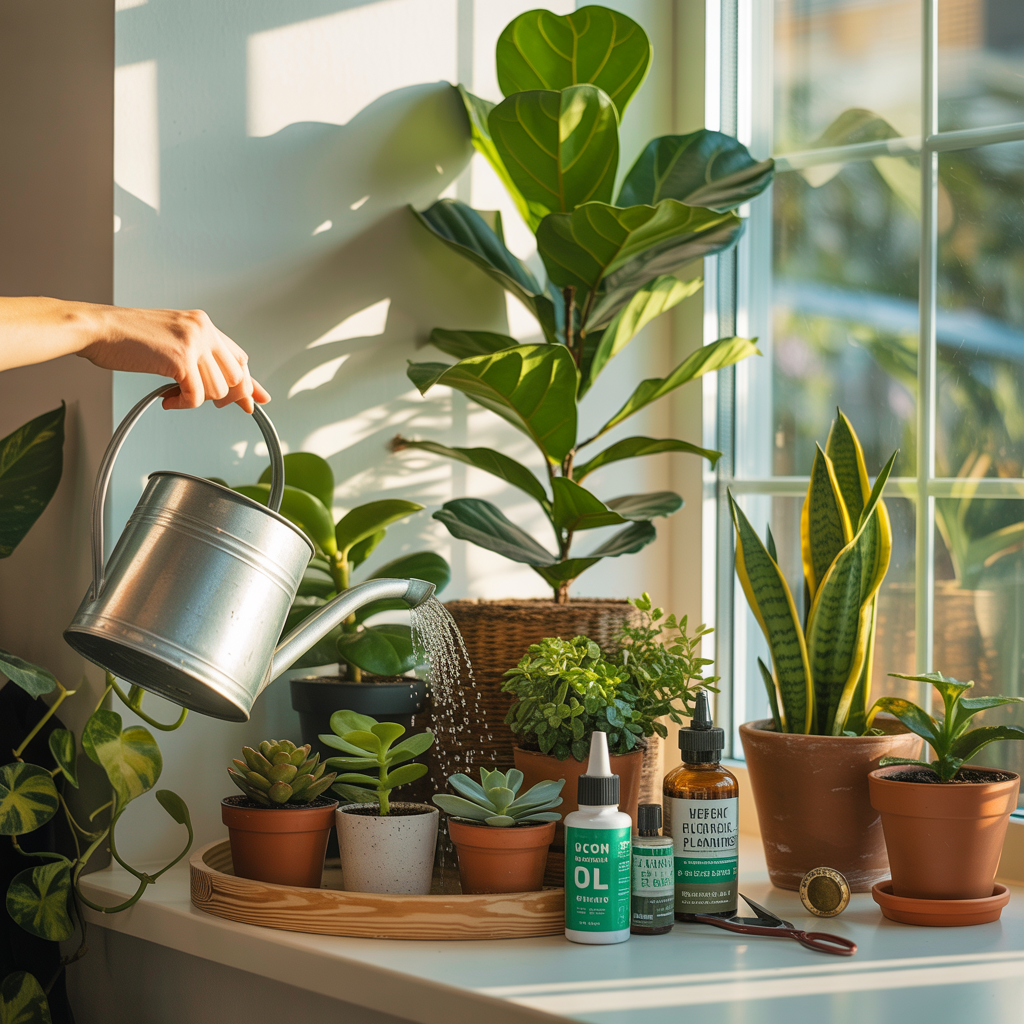
Light is the most important factor in indoor plant care because it directly affects growth speed and overall structure. Many plants are labeled as low-light tolerant, but this usually means they can survive, not that they will grow actively.
Plants placed in insufficient light often show slow growth, smaller leaves, or no new development at all. Over time, this can make the plant appear stagnant even when other care factors are correct.
The best approach is to provide bright, indirect light whenever possible. A position near a window that receives filtered sunlight works well for most indoor plants. Direct sunlight can be too intense for certain species, while very low light may limit growth entirely.
Light conditions also change throughout the year, so a spot that works in one season may need adjustment in another.
👉 For growth-related issues caused by light:
→ See Why Indoor Plants Stop Growing Suddenly
Watering: Finding the Right Balance
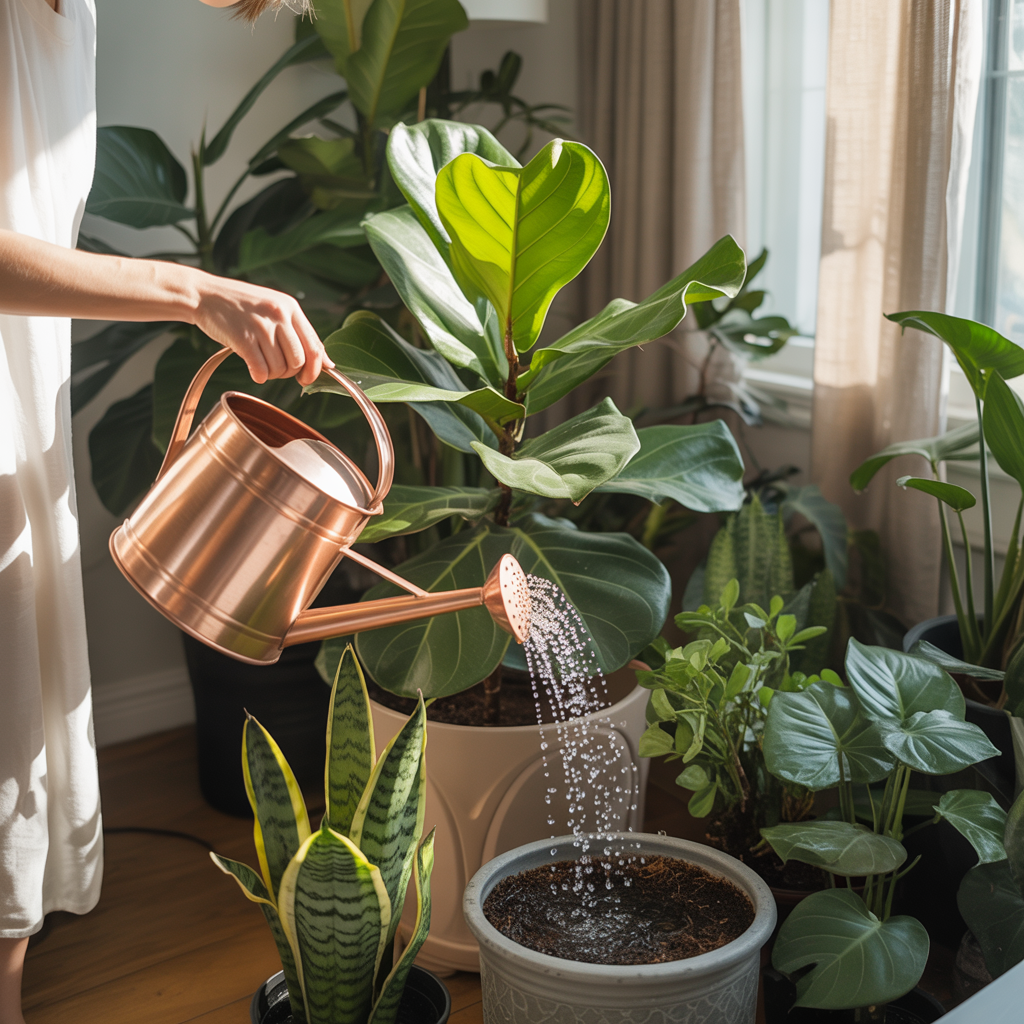
Watering is one of the most common challenges for beginners because it depends on multiple factors, including plant type, temperature, humidity, and soil condition.
Many people follow a fixed schedule, but indoor plants respond better when watering is based on soil moisture rather than routine.
Soil that stays wet for too long can reduce oxygen around the roots, while soil that stays dry for extended periods can limit nutrient absorption.
A practical method involves checking the top layer of soil before watering. If it feels dry, watering is usually appropriate. If it still feels moist, waiting a little longer helps prevent overwatering.
Different plants have different preferences. Some prefer drier conditions, while others need more consistent moisture. Understanding this difference improves plant health significantly.
👉 For specific watering issues:
→ See Plant Problems & Symptoms
Soil and Pot: Supporting Healthy Roots
Soil plays an essential role in maintaining root health. It provides structure, nutrients, and drainage, all of which affect how well a plant grows.
Indoor plants generally perform best in soil that drains well while still retaining enough moisture to support roots. Heavy soil that holds water for too long can lead to root stress, while soil that drains too quickly may not provide enough hydration.
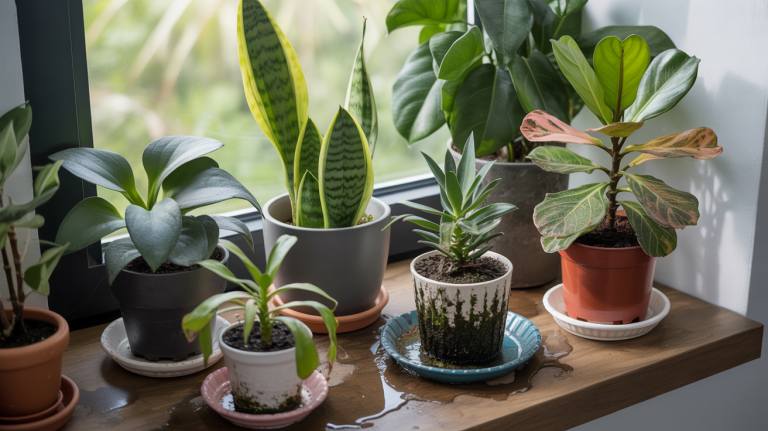
Choosing a pot with drainage holes is equally important. Excess water needs a way to escape, otherwise it can accumulate and damage the roots over time.
Repotting becomes necessary when roots outgrow the container. A plant that has limited root space may stop growing even if all other conditions are correct.
Temperature and Environment
Indoor plants are sensitive to their surroundings, even when changes are subtle. Temperature, airflow, and humidity all influence plant behavior.
Most indoor plants prefer stable conditions. Sudden temperature changes, drafts, or dry air can create stress that slows growth. Air conditioning units and heating systems can also affect moisture levels in the air.
Keeping plants in a consistent environment allows them to adapt more easily and maintain steady growth. Avoid placing plants near vents, doors, or areas where conditions change frequently.
👉 For deeper insight into environmental effects:
→ See Plant Environment & Behavior
How to Build a Simple Plant Care Routine
A simple routine is more effective than a complicated one. Indoor plants respond best to consistent care rather than frequent changes.
A practical routine includes:
- Checking light conditions regularly
- Observing soil before watering
- Monitoring leaf condition for early signs of stress
- Keeping placement stable
This approach reduces guesswork and helps maintain balance over time.
👉 For a full routine breakdown:
→ See How to Build a Plant Care Routine
Common Mistakes Beginners Should Avoid
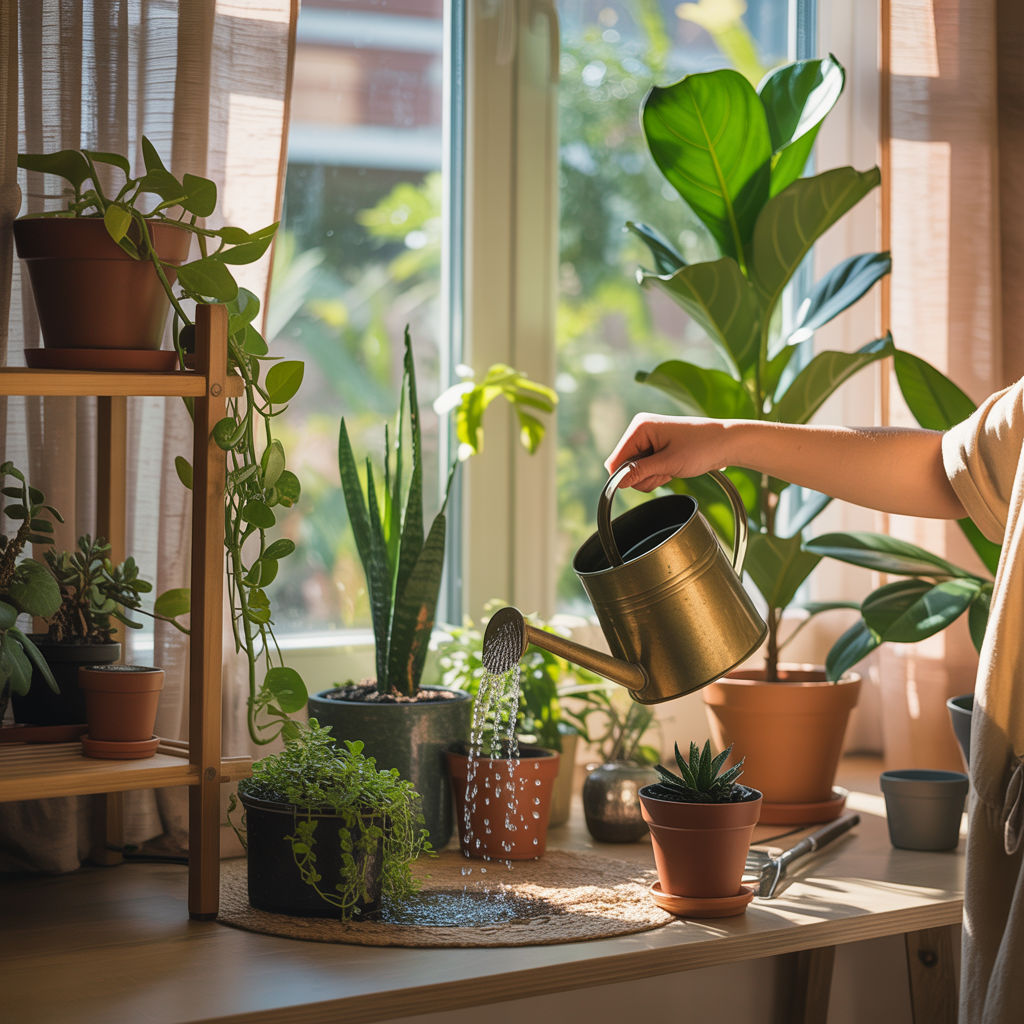
Many plant care issues come from small but common mistakes.
Overwatering is one of the most frequent problems. Adding water too often can damage roots even when the plant appears healthy on the surface.
Placing plants in very low light can also limit growth, even if the plant survives for a long time.
Using pots without drainage can trap excess moisture and lead to long-term root issues.
Making too many changes at once can create stress instead of improvement. Plants need time to adjust, so gradual changes are more effective.
How to Tell If Your Plant Is Healthy
A healthy indoor plant shows clear signs over time.
Leaves should appear firm and consistent in color. Growth may not always be fast, but new leaves or shoots should develop periodically. The plant should also feel stable rather than weak or drooping.
If a plant maintains its appearance but does not grow for an extended period, it may be surviving rather than thriving.
👉 To understand this difference:
→ See Surviving vs Thriving Plants
How This Applies to Popular Indoor Plants
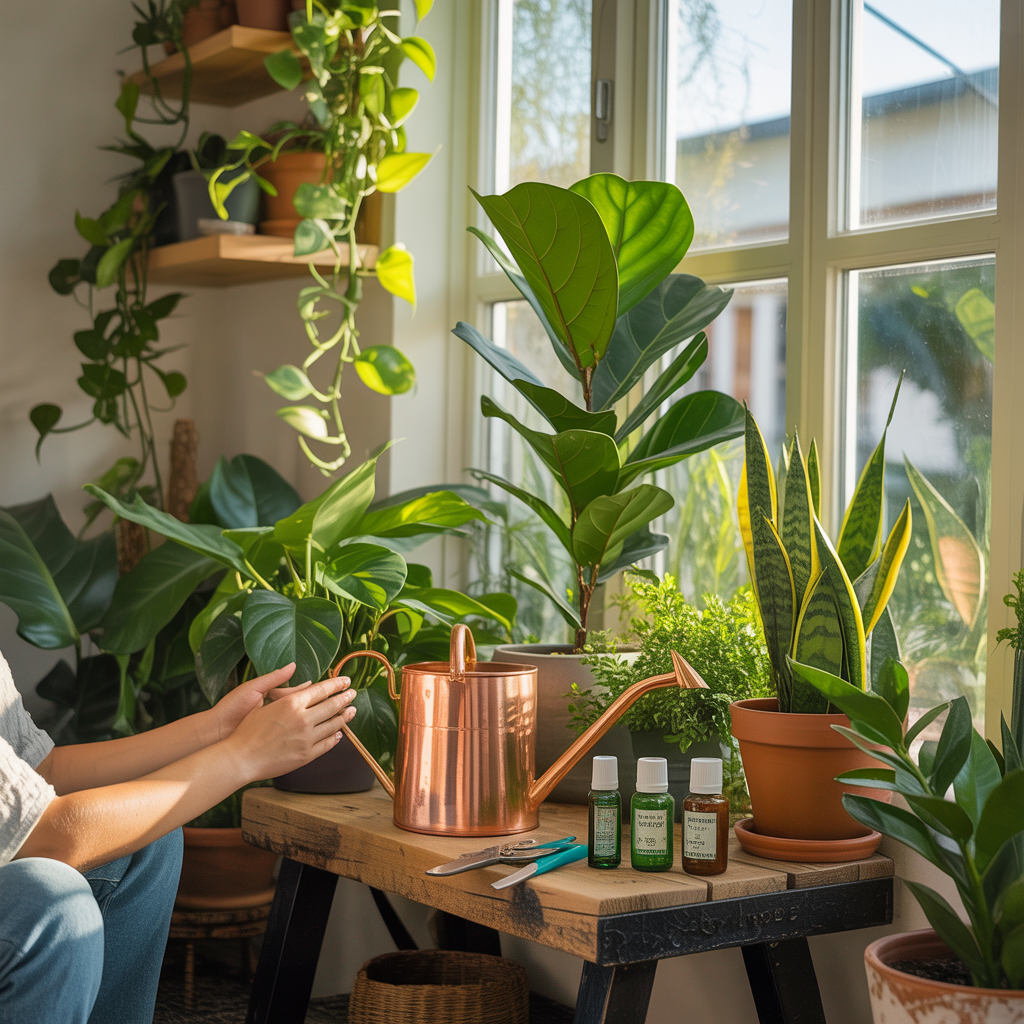
Different plants respond differently to care conditions, which is why understanding their specific needs can improve results.
👉 Explore detailed guides:
- Snake Plant care and growth issues
- Peace Lily watering and flowering
- Spider Plant placement and growth
- Pothos propagation and development
- Orchid blooming and root care
Each plant has unique preferences, but the core principles remain the same.
Frequently Asked Questions
How often should indoor plants be watered?
Indoor plants should be watered based on soil condition rather than a fixed schedule. The top layer of soil should be allowed to dry before watering again, as this helps prevent overwatering and supports healthy root function.
Why do indoor plants stop growing even when they look healthy?
Indoor plants may stop growing when light, watering, or environmental conditions are slightly unbalanced. Even if leaves remain green, insufficient light or restricted root space can slow down development.
What is the most common mistake in indoor plant care?
Overwatering is the most common mistake. Excess moisture reduces oxygen around the roots, which can lead to root stress and slow growth over time.
Do indoor plants need direct sunlight to grow?
Most indoor plants do not require direct sunlight, but they do need bright, indirect light to grow properly. Direct sunlight can sometimes damage leaves, while low light may limit growth.
How can you tell if a plant is healthy or just surviving?
A healthy plant produces new growth over time, while a plant that is only surviving may maintain its current appearance without developing new leaves or shoots.
Should fertilizer be used regularly for indoor plants?
Fertilizer should be used only during active growth periods and in moderate amounts. Overusing fertilizer can create imbalance and may damage the plant instead of helping it grow.
Final Thoughts
Indoor plant care becomes much simpler when the focus shifts from doing more to maintaining balance.
Light, water, soil, and environment all work together, and small adjustments in these areas can produce noticeable improvements over time.
A plant that receives consistent care in a stable environment is far more likely to grow steadily and remain healthy. Rather than relying on complex techniques, a simple and practical approach often leads to better long-term results.