12 Cheap Garden Ideas Using Everyday Materials (Simple, Practical & Effective)
Cheap garden ideas using everyday materials can make starting a garden feel possible, even on a tight budget. Have you ever looked around your home and wondered if those unused containers or old items could actually grow something? The good news is they can, and when used the right way, they often work just as well as store-bought solutions.
Most beginner gardens fail not because of a lack of money, but because of unclear structure. After testing simple setups with basic materials, it becomes clear that what matters most is how you use what you have, not how much you spend.
In this guide, you will learn practical, real-life ways to turn everyday items into a working garden, along with simple layouts that help plants grow consistently without adding complexity.
Why Everyday Materials Work Better Than You Think
A lot of people assume gardening requires special tools, expensive pots, or a perfectly planned setup. That idea alone stops many beginners before they even start.
In reality, most plants do not care what container they grow in. They care about three things: soil, water, and light. If those are right, the container becomes secondary.
That is why everyday materials can work surprisingly well. A bucket, a crate, or even an old bottle can do the job, as long as it allows proper drainage and gives roots enough space.
Once you understand that, gardening becomes much more flexible and much less expensive.
How to Choose the Right Materials (Without Overthinking It)
Before turning random items into planters, it helps to look at them in a practical way.
First, check drainage. If water cannot escape, roots will struggle. Most containers can be fixed easily by adding a few holes at the bottom.
Second, think about size. Small containers dry out faster, while larger ones hold moisture longer. Matching container size to plant type makes a big difference.
Third, consider durability. Some materials break down quickly when exposed to water and sun, so it is better to choose items that can last at least one growing season.
Once these basics are covered, almost anything can become part of your garden.
Cheap Garden Ideas Using Everyday Materials (That Actually Work)
1. Buckets and Storage Bins as Planters
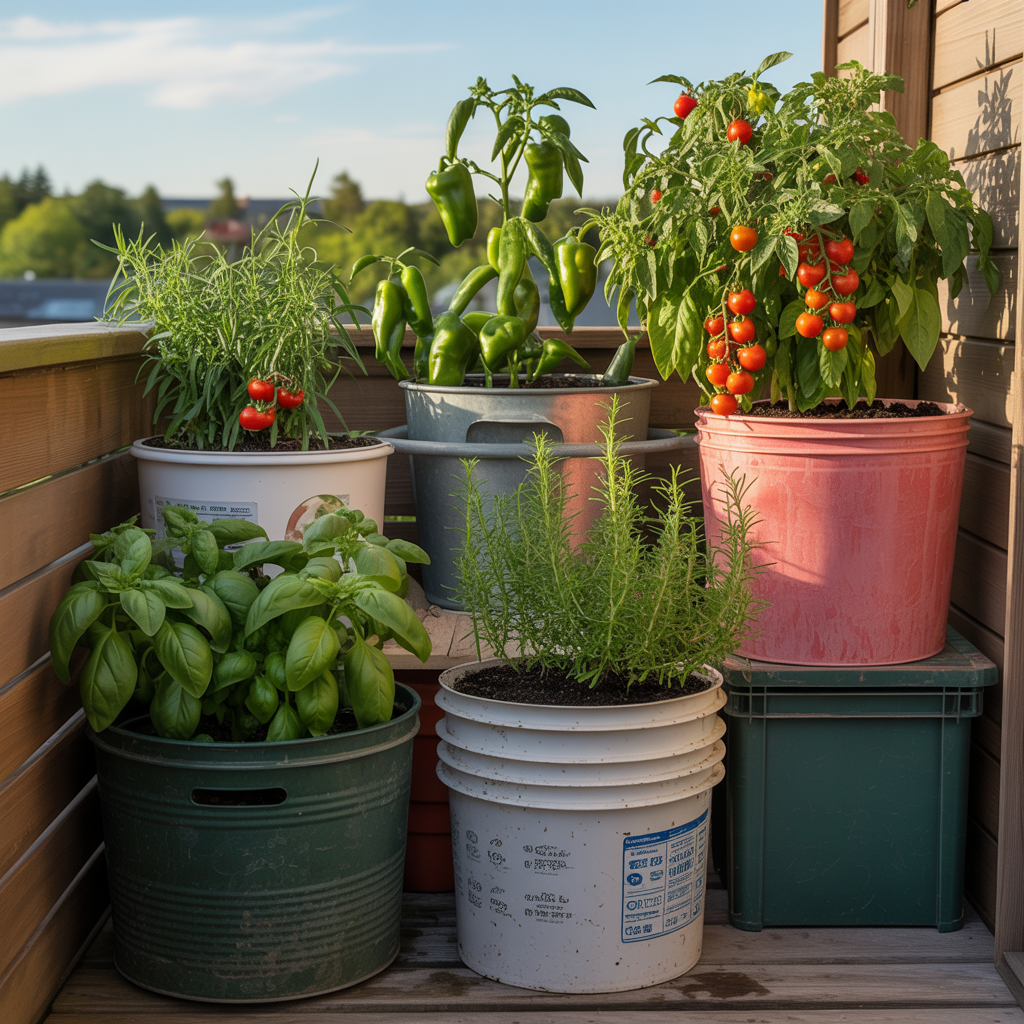
Buckets are one of the easiest ways to start. They are deep enough for roots, easy to move, and simple to modify. A few drainage holes at the bottom turn them into reliable containers.
This setup works especially well for vegetables like tomatoes, peppers, and even potatoes. Larger containers help maintain moisture more consistently, which reduces the risk of overwatering or underwatering.
If you are just starting out, this is often the most practical first step.
2. Wooden Crates for a Clean, Structured Look
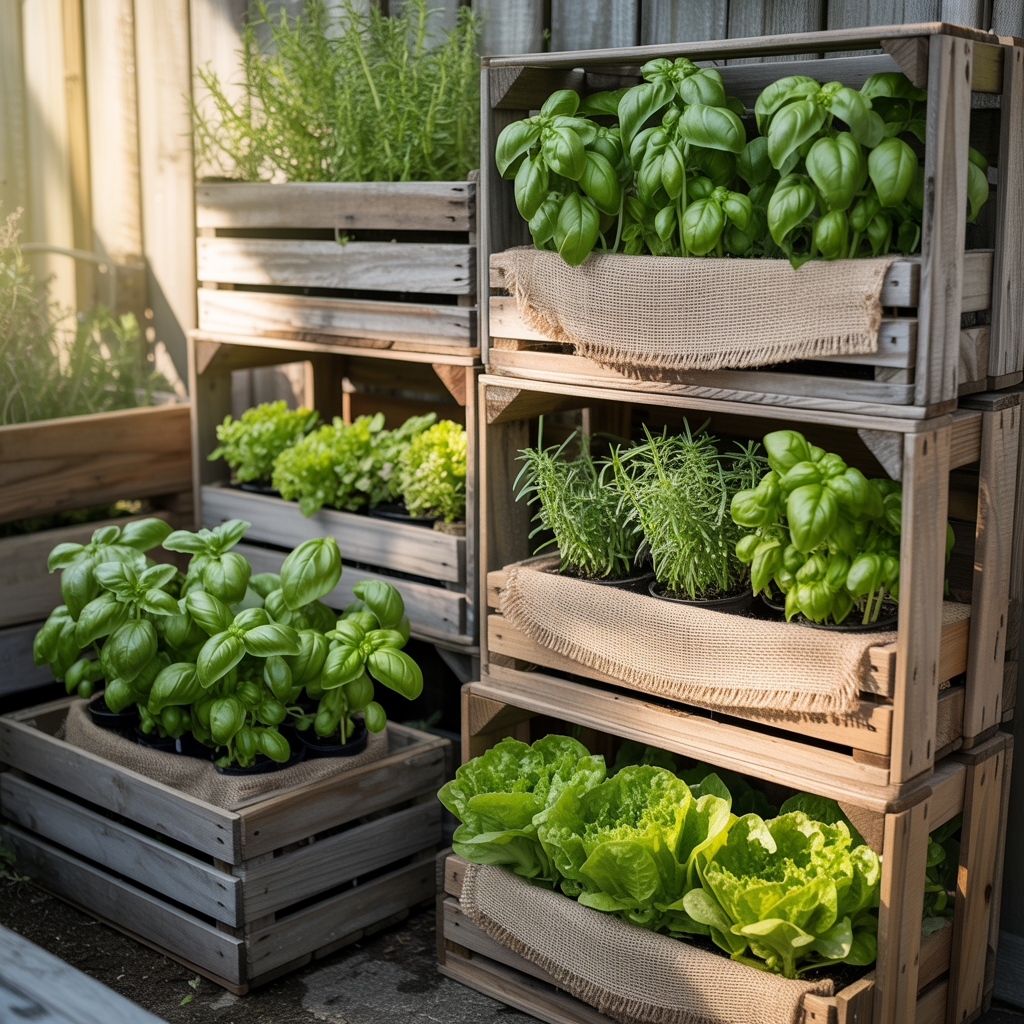
Wooden crates are useful when you want something a bit more organized.
They naturally create sections, which makes spacing easier. You can place them on the ground or stack them to create levels.
Lining the inside with fabric or mesh helps keep the soil in place while still allowing water to drain. Herbs and leafy greens tend to do well in this type of setup.
It is a simple way to make a garden feel more intentional without adding complexity.
3. Plastic Bottle Vertical Garden
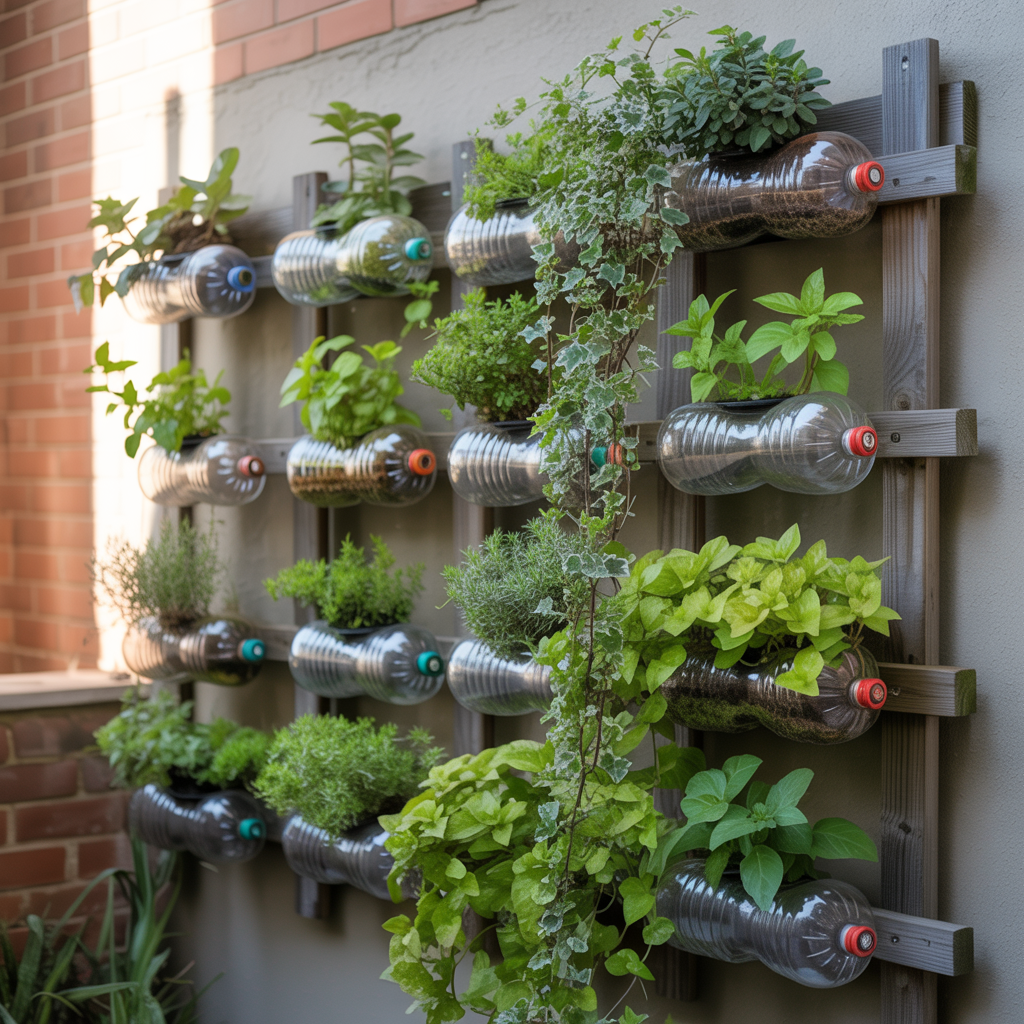
Plastic bottles are often thrown away, but they can be turned into a space-saving system.
By cutting openings and attaching bottles to a wall or frame, you can grow multiple plants vertically. This works well in small spaces where floor area is limited.
Herbs, lettuce, and small plants are good choices here because their roots do not need much depth.
This idea connects naturally with small balcony garden layout ideas that actually work, where vertical space becomes essential.
4. Old Tire Planting Beds
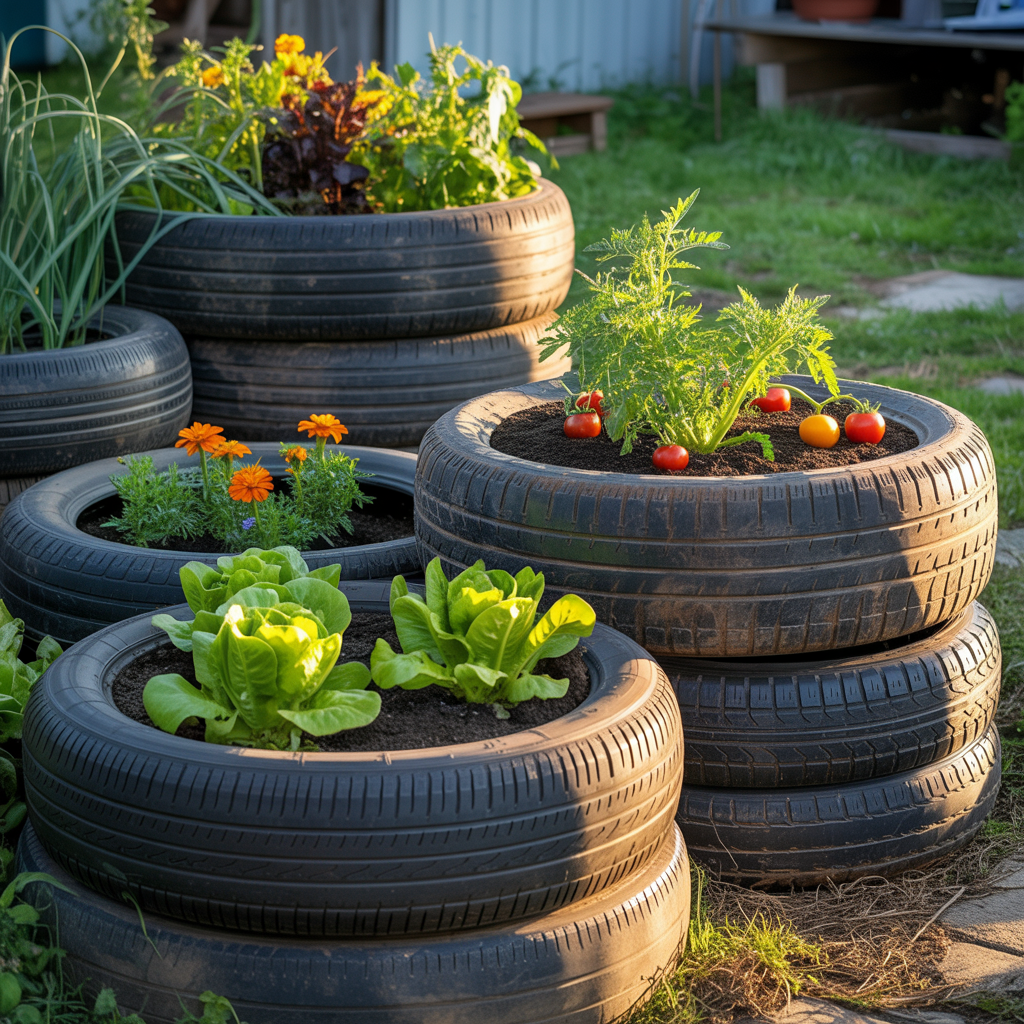
Old tires can be reused as raised planting areas.
They hold soil well and can be stacked to create deeper growing space. This helps with drainage and gives roots more room.
They are often used for flowers or hardy vegetables. However, placement matters. It is better to keep them in stable, open areas where heat buildup is not an issue.
With a bit of creativity, they can also become a strong visual feature in the garden.
5. Broken Bricks and Stones for Paths
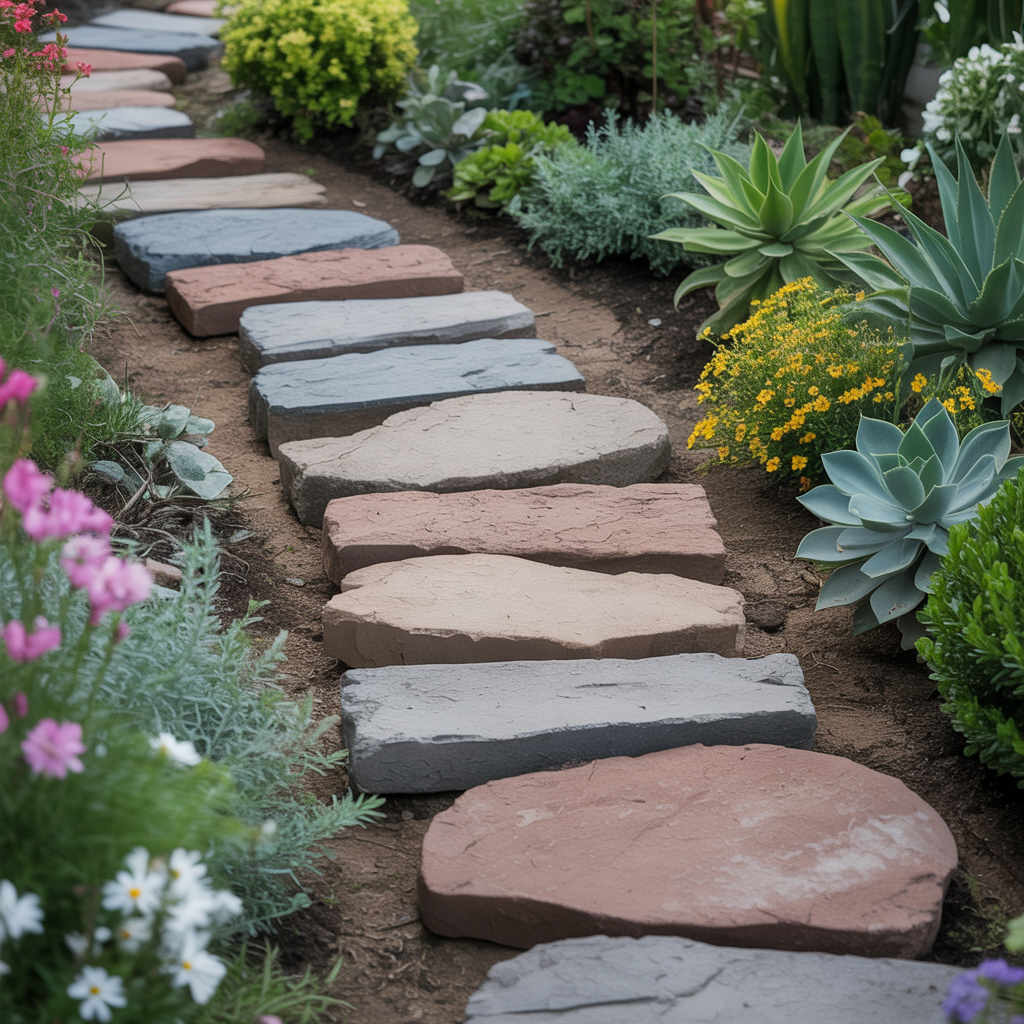
Instead of buying new materials, broken bricks or stones can be used to build pathways.
These paths allow water to pass through gaps, which helps prevent pooling. They also protect the soil from being compacted when you walk through the garden.
A simple path can make the entire garden easier to maintain, especially during watering or rainy days.
6. Hanging Planters from Everyday Containers
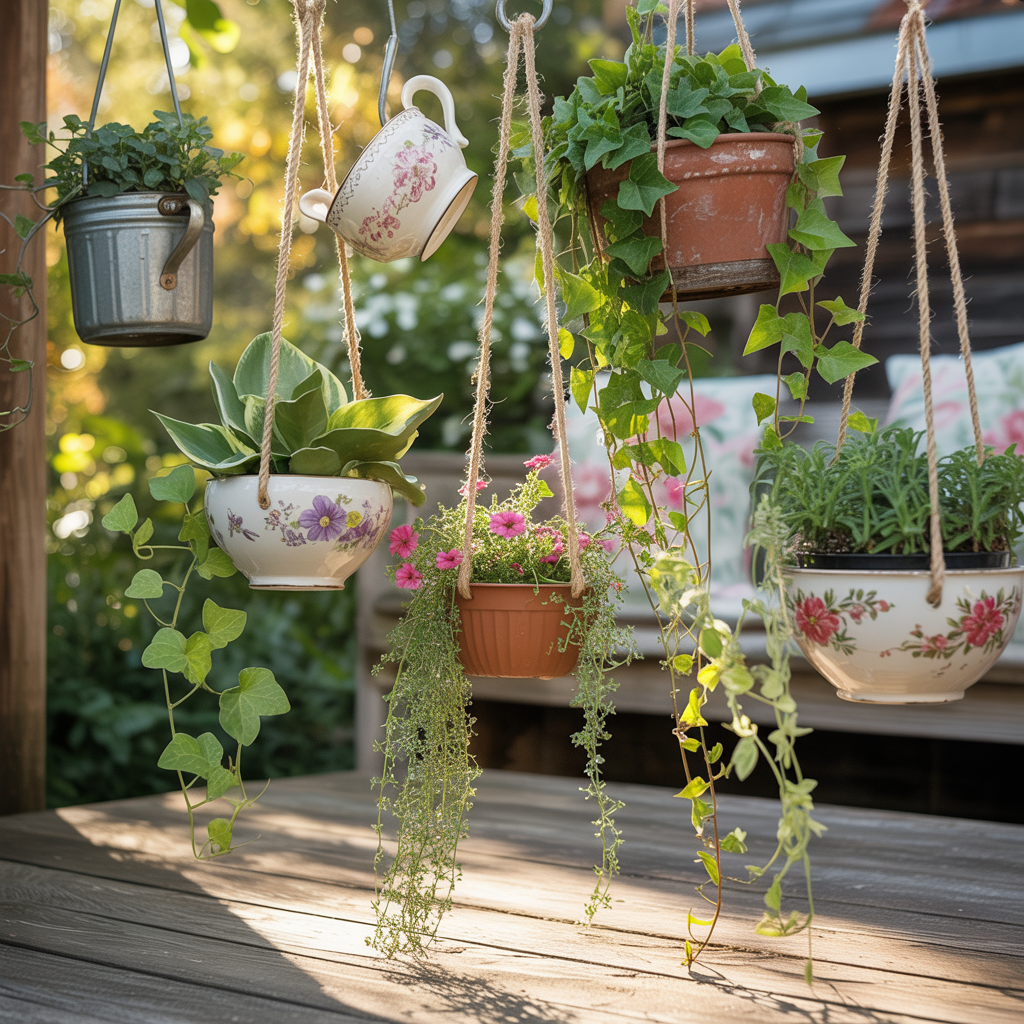
Old containers can be turned into hanging planters with minimal effort.
Adding rope or hooks allows you to lift plants off the ground, which improves airflow and saves space. This is especially useful in small gardens.
Trailing plants or lightweight pots work best in this setup. It creates a layered look while keeping the floor area clear.
7. Pallet Garden for Vertical Growing
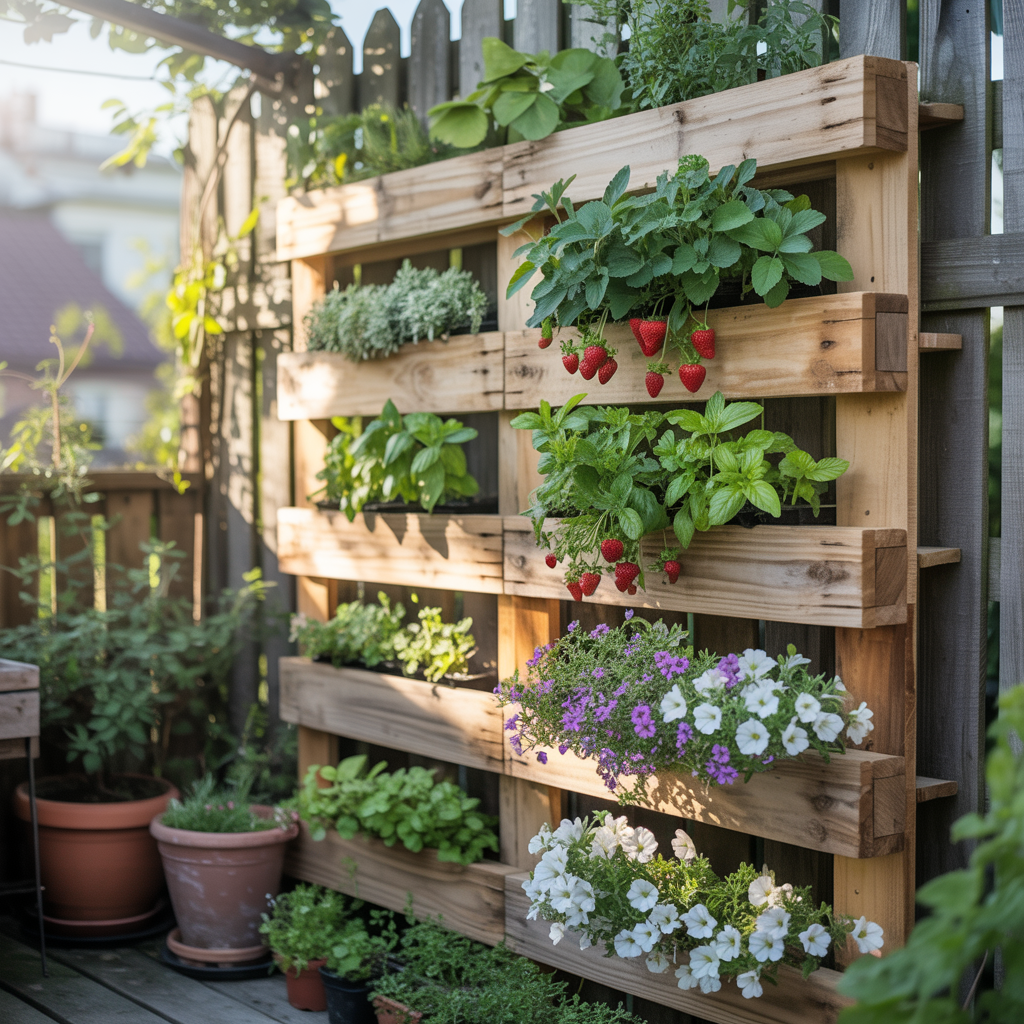
Wooden pallets are often easy to find and can be turned into vertical gardens.
The spaces between the slats can hold soil and plants, creating a compact growing system. It works well for herbs, strawberries, and small decorative plants.
The key is to secure the pallet properly and ensure that soil stays in place. Once set up, it becomes a very efficient use of space.
8. Regrowing Plants from Kitchen Scraps
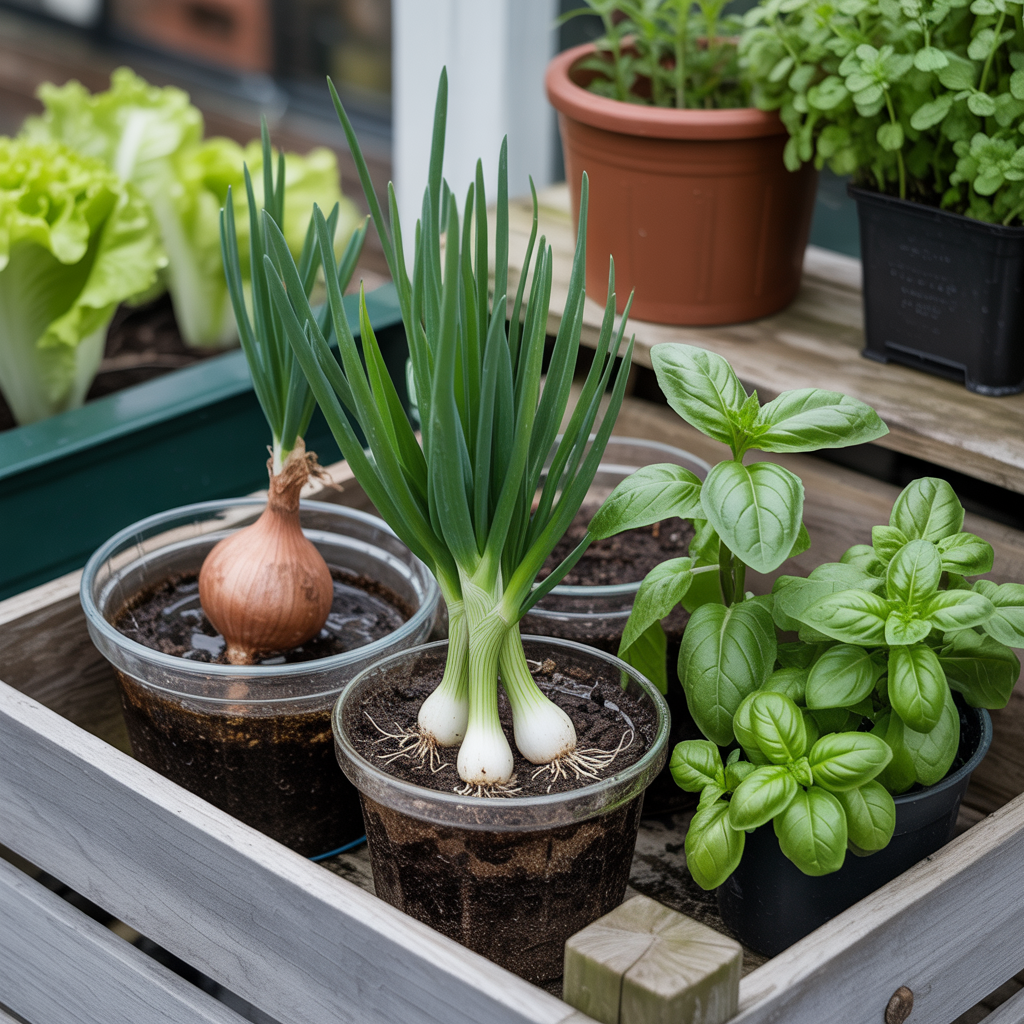
Some plants can grow again from leftover parts. Green onions, lettuce bases, and certain herbs can be placed in water or soil and will start producing new growth.
This is one of the simplest ways to begin gardening. It does not replace a full garden, but it helps you understand how plants grow without needing any investment.
9. Tin Can Herb Garden
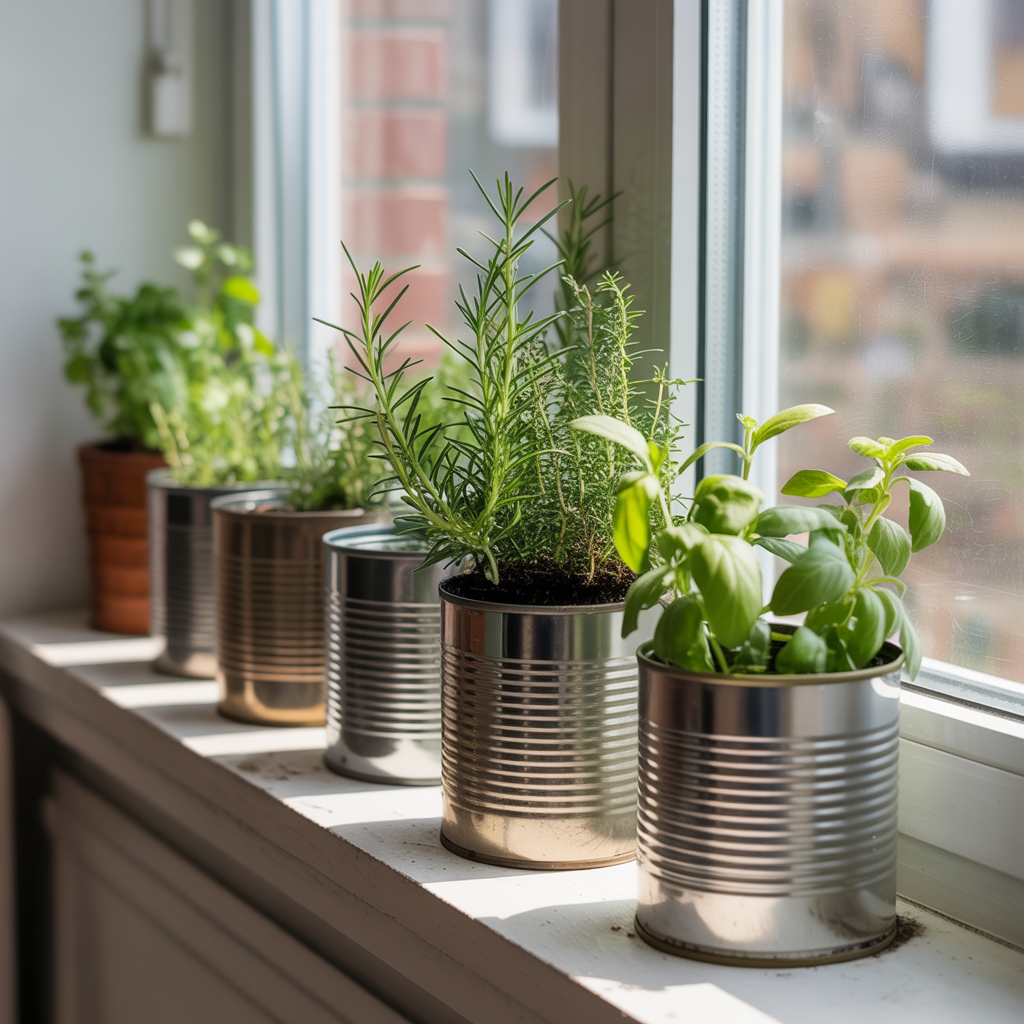
Tin cans are small but surprisingly effective.
After cleaning and adding drainage holes, they can hold herbs or small plants. Grouping several cans together creates a neat, compact setup.
This works well for windowsills, balconies, or small outdoor spaces. It is simple, practical, and easy to expand.
10. Fabric Grow Bags from Old Materials
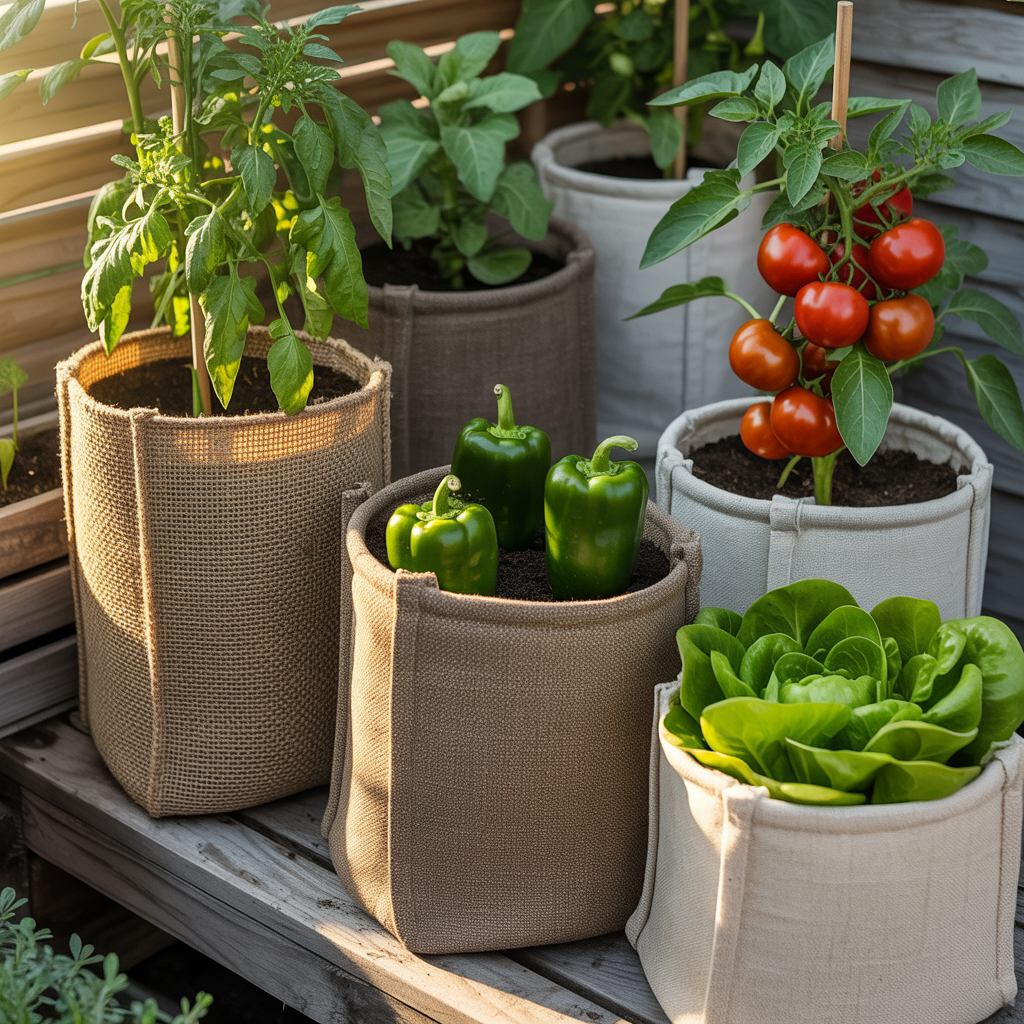
Old fabric can be repurposed into grow bags.
Fabric allows air to reach the roots, which improves drainage and prevents water buildup. These bags are also lightweight and easy to move.
They work well for vegetables and medium-sized plants. It is a flexible option that adapts easily to different spaces.
11. Ladder as a Plant Stand
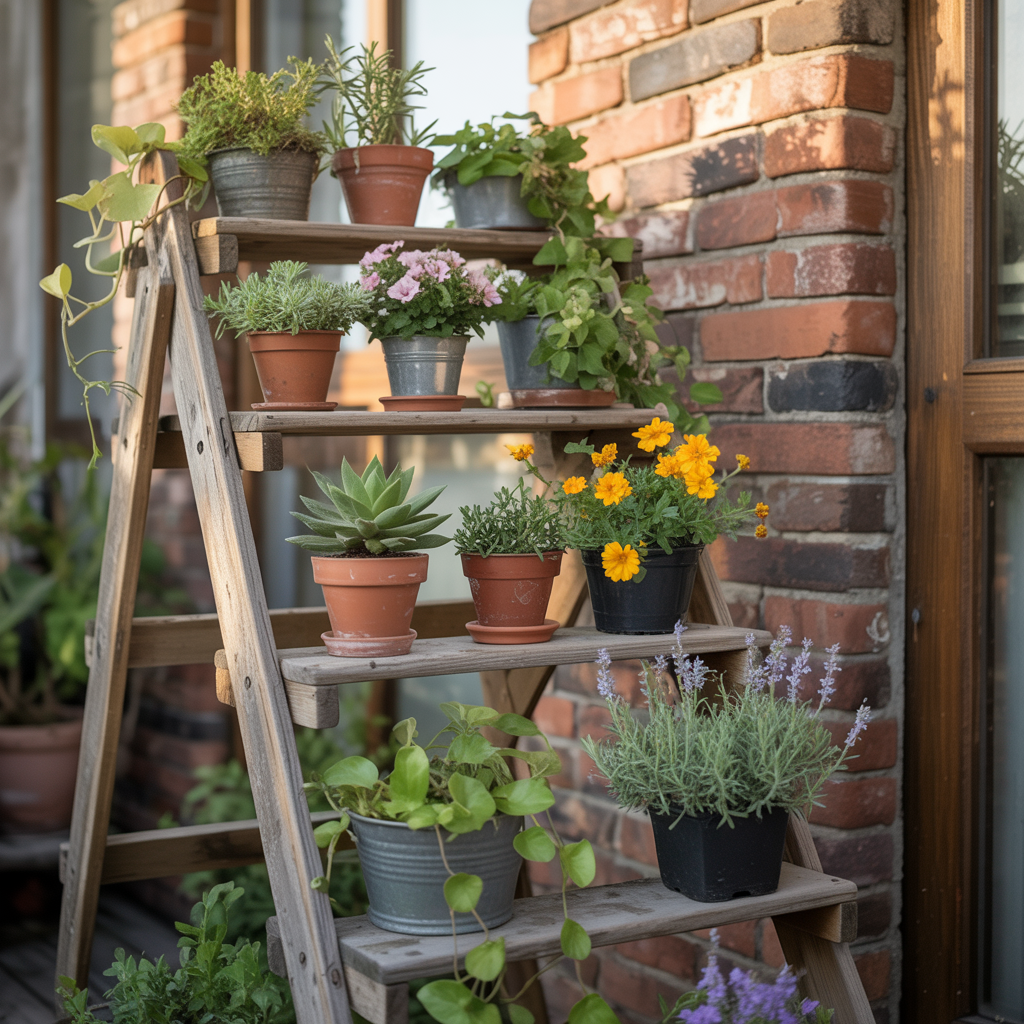
An old ladder can become a multi-level plant display.
Each step holds a different pot, which improves light distribution and keeps plants organized. It also makes watering easier because everything is visible and accessible.
This setup works well in both small and medium spaces.
12. Simple Bottle Drip Watering System
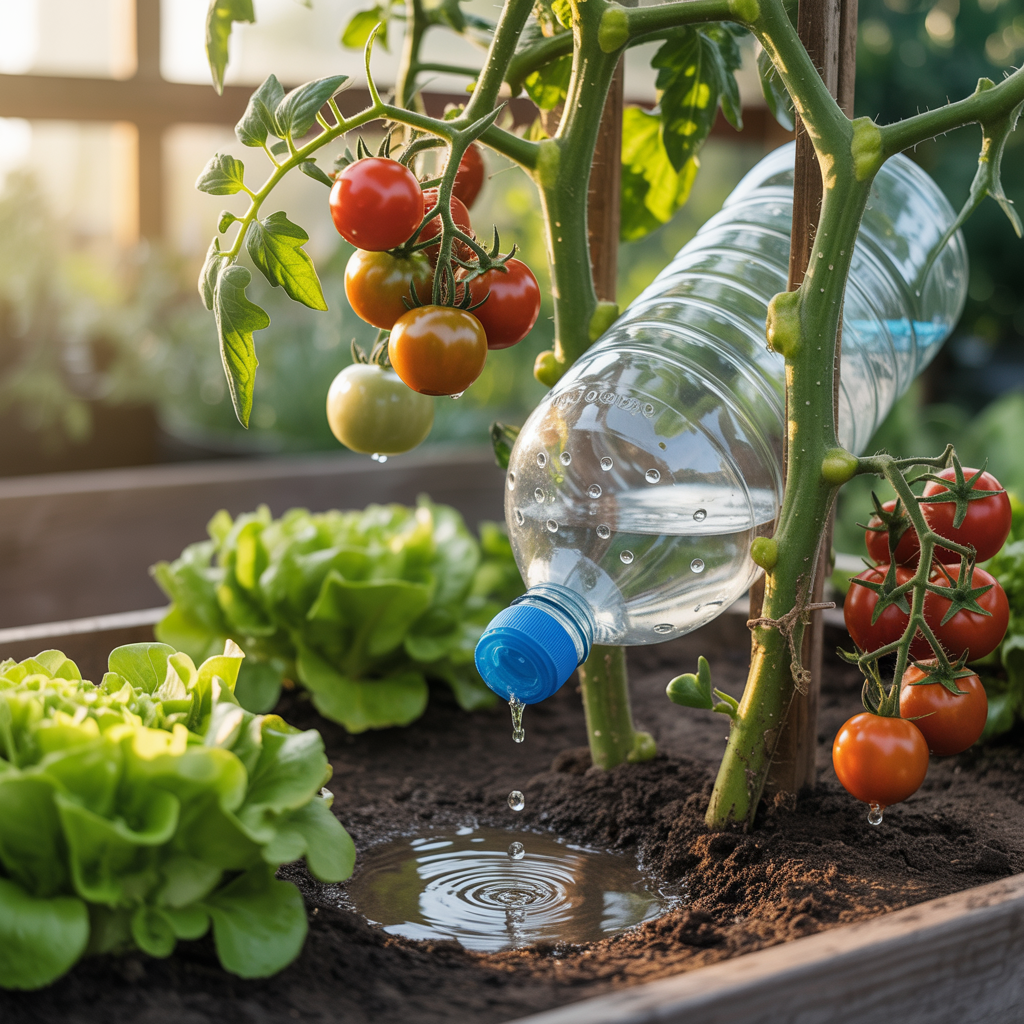
A plastic bottle can be used to create a slow watering system.
By making small holes and placing the bottle near the roots, water is released gradually. This helps maintain consistent moisture.
It is especially useful if you are still learning how often to water, since it reduces the risk of overwatering.
How to Combine These Ideas Into a Real Garden
Using just one idea can work, but combining a few creates a much better system.
For example, containers can be paired with vertical setups to save space. Paths can improve access and drainage. A simple watering system can help maintain consistency.
The goal is not to make the garden more complex, but to make it more balanced.
This approach follows the same principle used in garden layout ideas that improve drainage naturally, where structure supports plant health.
Common Mistakes to Avoid
One of the biggest mistakes is ignoring drainage.
Even the best-looking setup will fail if water cannot move properly. Adding drainage holes and using the right soil solves most problems.
Another mistake is trying to use too many ideas at once. It is better to start simple and expand gradually.
Choosing materials without thinking about durability can also lead to extra work later.
How to Keep a Low-Cost Garden Working Long-Term
A garden made from everyday materials still needs regular attention.
Check containers for damage, refresh soil when needed, and adjust placement based on light changes. These small actions keep the system working over time.
The advantage of a low-cost garden is flexibility. It is easy to change and improve without worrying about wasted investment.
Frequently Asked Questions
Can I really build a garden without spending much money?
Yes, many everyday materials can be used effectively with proper adjustments.
What is the easiest material to start with?
Containers such as buckets or bins are often the simplest option.
Do recycled materials affect plant growth?
When used safely and correctly, they can support healthy growth.
How do I ensure proper drainage?
Adding drainage holes and using well-structured soil is essential.
Is a cheap garden less effective than a traditional one?
Effectiveness depends on design and care rather than cost.
Final Thoughts
A good garden does not depend on expensive materials.
It depends on how well the setup supports plant growth. When you focus on drainage, light, and structure, everyday materials become more than enough.
Starting simple makes the process easier, and over time, the garden can grow along with your experience.