20 Easy Garden Ideas for Beginners (No Experience Needed)
Starting a garden often feels overwhelming because there is too much information and too many choices. Many beginners try to follow complex methods or copy advanced setups, which leads to frustration when results do not match expectations.
The goal of this guide is different. It focuses on helping you build a simple, reliable system that works in real conditions. Instead of trying to do everything at once, you will learn how to create a garden that is easy to manage, easy to adjust, and capable of improving over time.
By the end of this article, you will understand how to choose the right setup, avoid common mistakes, and build a garden that grows with your experience.
What Makes a Garden “Easy” for Beginners
An easy garden is not defined by how simple it looks. It is defined by how well it supports consistent care and stable growth.
A beginner-friendly garden has three main qualities. It is manageable in size, predictable in behavior, and forgiving when mistakes happen. These qualities reduce stress and allow you to learn without constant setbacks.
Complex layouts, high-maintenance plants, and inconsistent environments often create unnecessary difficulty. A simpler structure allows you to focus on understanding how plants respond to light, water, and soil.
How to Start Without Overcomplicating Things
Before choosing plants or tools, it is important to start with a clear approach.
Begin with a small area that you can observe easily. This could be a section of your yard, a balcony, or even a few containers. A smaller space makes it easier to understand how conditions change throughout the day.
Observe how light moves, how quickly soil dries, and how water behaves. These observations will guide your decisions more effectively than any general advice.
For a deeper understanding of how these factors work together, see complete indoor plant care guide for beginners, where environmental balance is explained in detail.
Easy Garden Ideas That Actually Work for Beginners
1. Container Garden Layout (Most Beginner-Friendly Option)
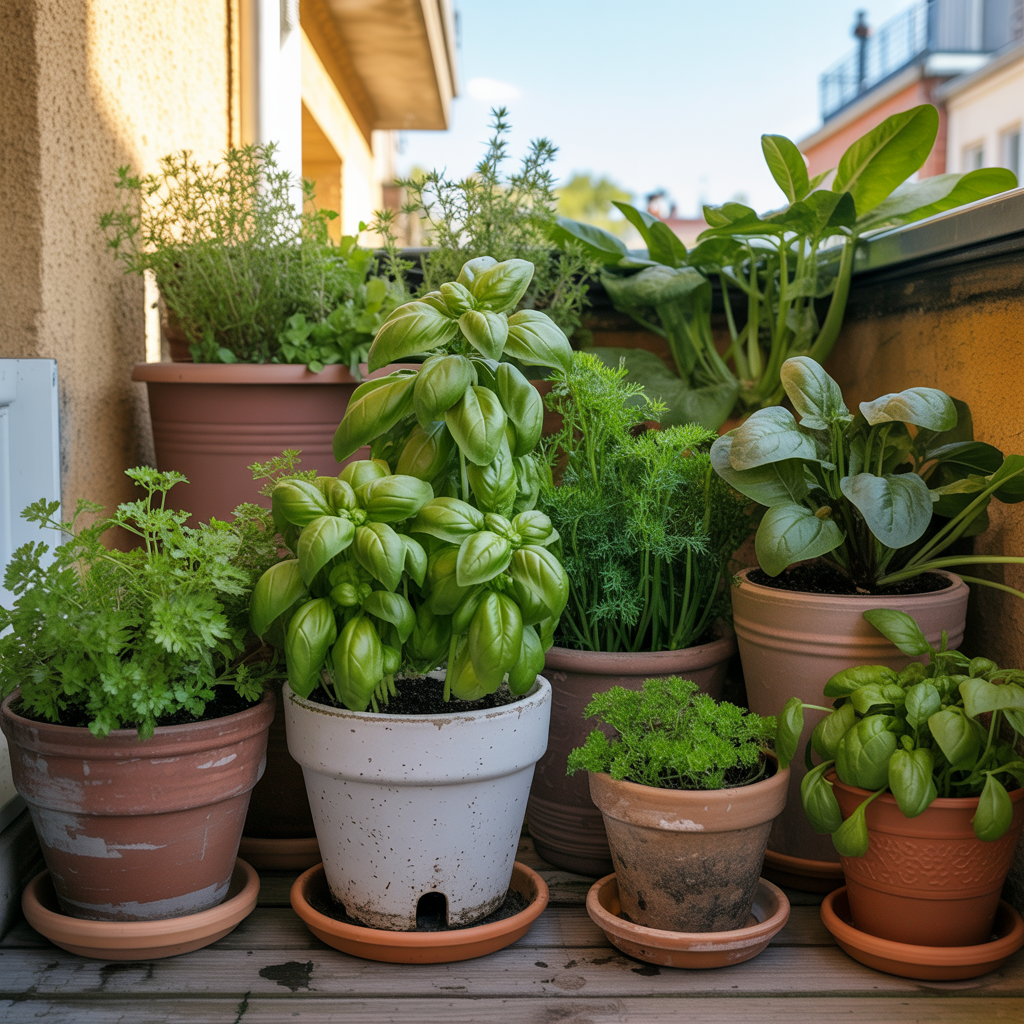
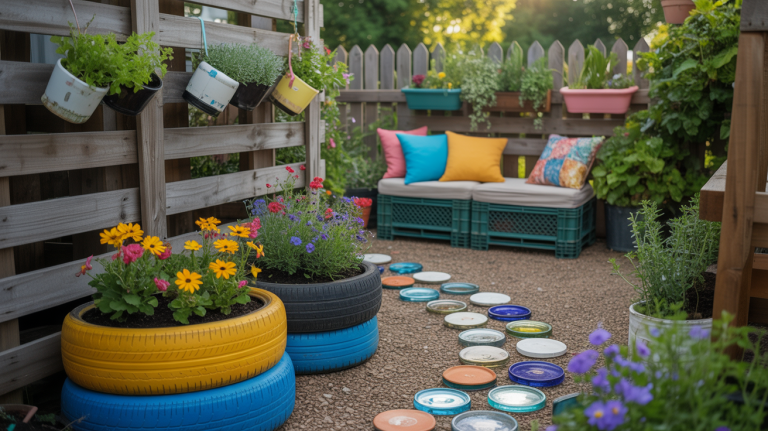
Container gardening is one of the easiest ways to start. Plants are grown in pots, which gives you full control over soil, drainage, and placement. This flexibility makes it easier to adjust conditions as you learn.
To set this up, choose containers with drainage holes and use a well-balanced soil mix. Place the containers where they receive appropriate light based on the plants you choose.
This method works well for herbs, leafy greens, and small flowering plants. It is also ideal for balconies or limited spaces.
2. Raised Bed Garden (Simple Structure, Better Control)
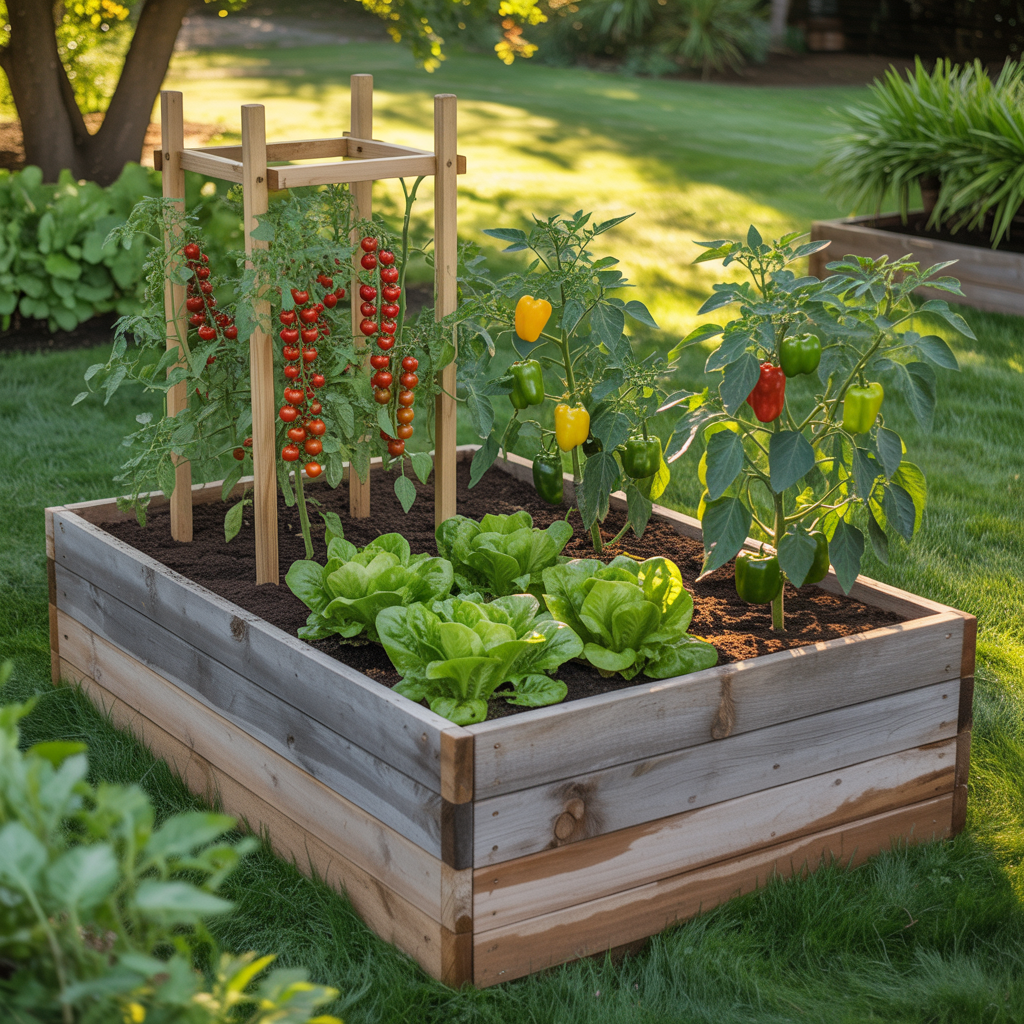
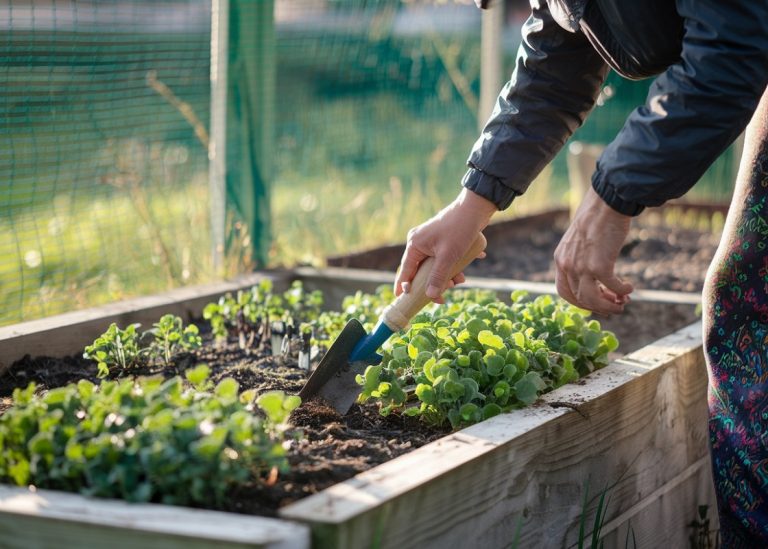
Raised beds provide a defined space that is easy to manage. By lifting the soil above ground level, you improve drainage and reduce the impact of poor native soil. This creates a more stable growing environment.
Start with a small raised bed and fill it with a mix of compost and well-draining soil. Avoid overcrowding by spacing plants properly.
Vegetables such as lettuce, tomatoes, and peppers perform well in raised beds, along with many flowering plants.
3. Small Grid Garden Layout (Organized and Easy to Maintain)
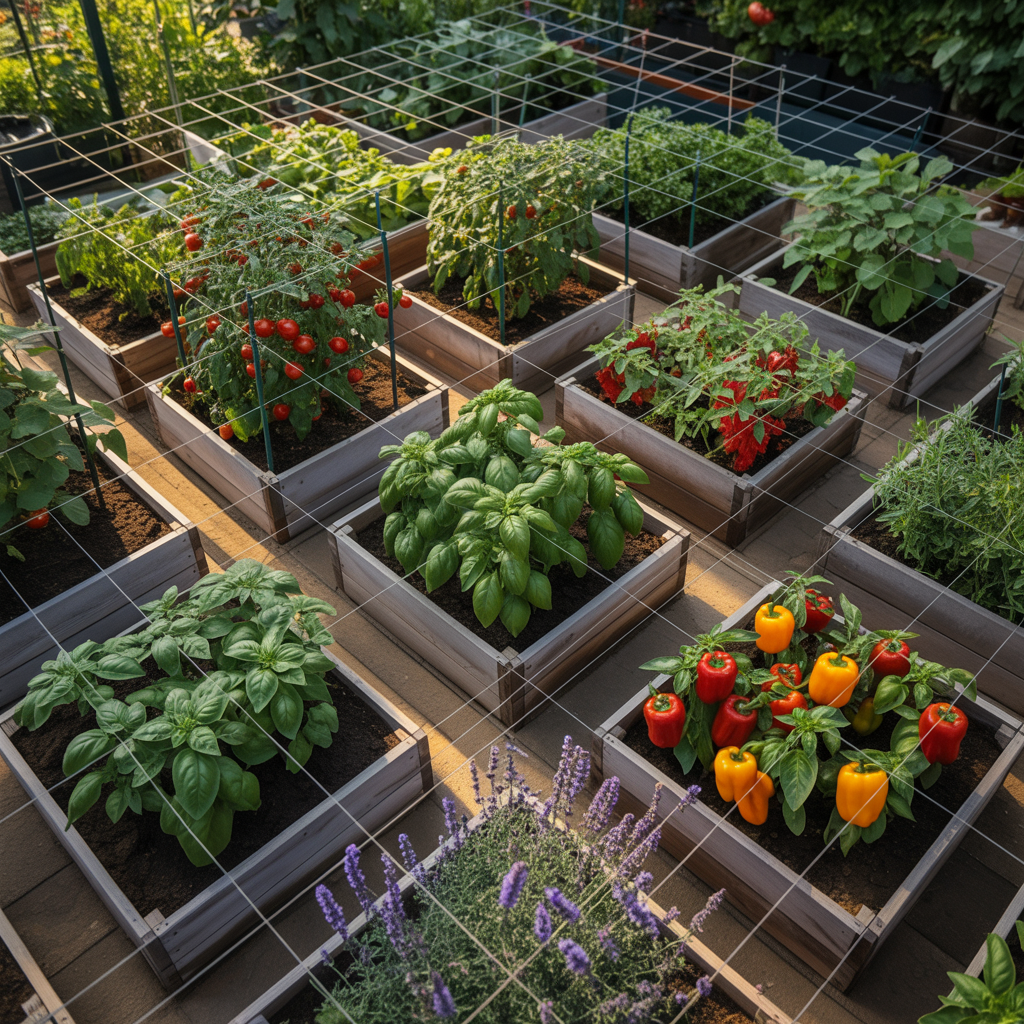
A grid layout divides the garden into small sections. Each section holds a specific plant or group of plants, which makes it easier to manage spacing and watering. This structure reduces confusion and helps you track plant growth.
To create this layout, mark equal sections using string or simple dividers. Plant each section based on light and spacing needs.
This method works well for beginners who prefer a clear, organized system.
4. Vertical Garden for Limited Space
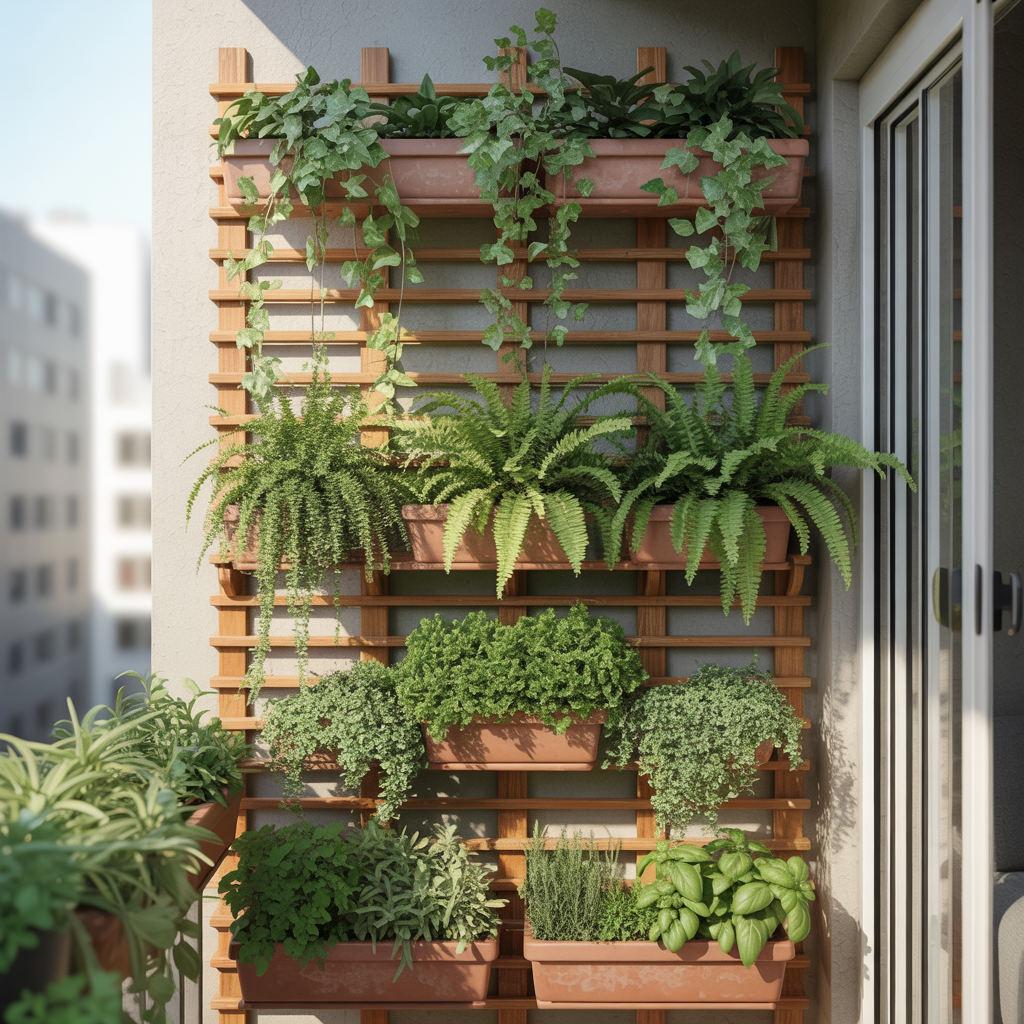
A vertical garden uses walls or frames to grow plants upward. This layout is ideal when floor space is limited. It allows you to grow multiple plants without overcrowding the ground.
Use shelves, hanging pots, or vertical planters to build this system. Make sure each level receives enough light.
This approach connects well with small balcony garden layout ideas that actually work, where vertical space becomes essential.
5. Herb Garden (Fast Results, Easy Care)
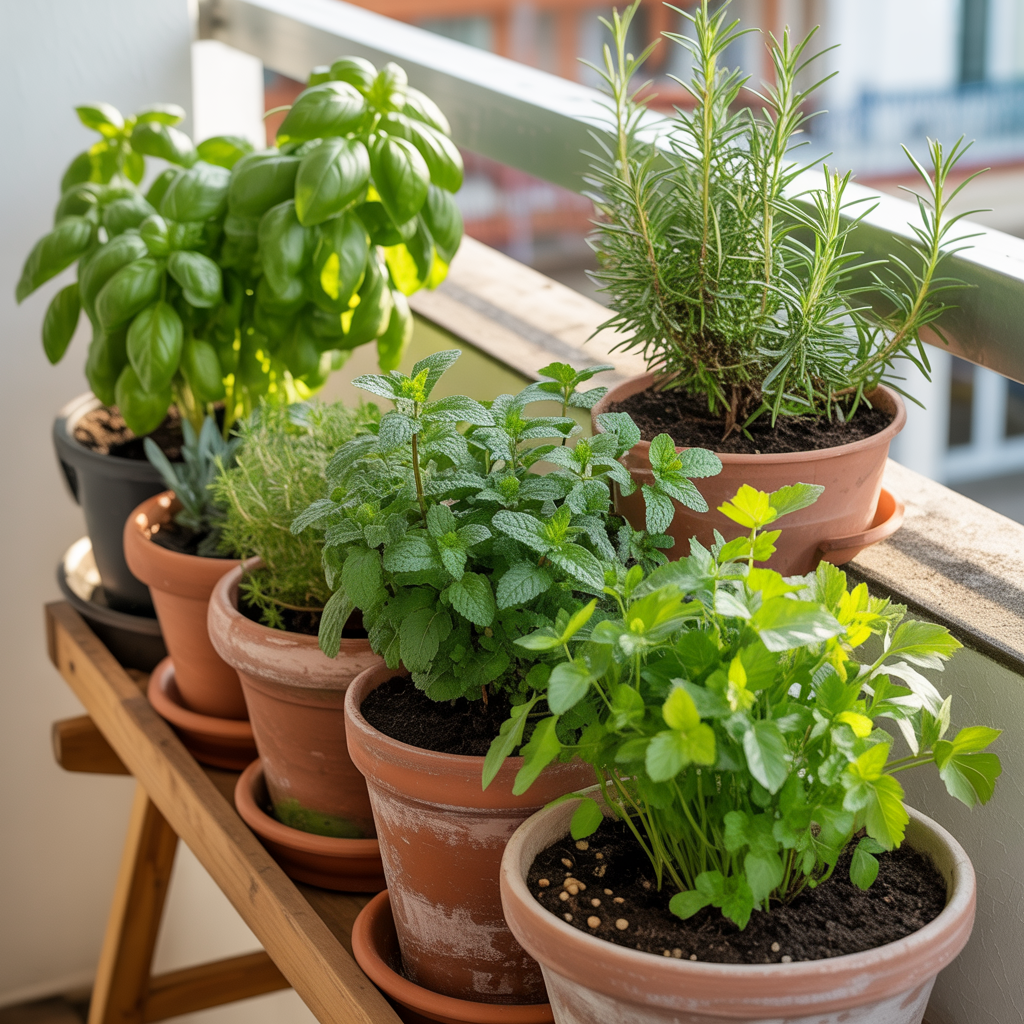
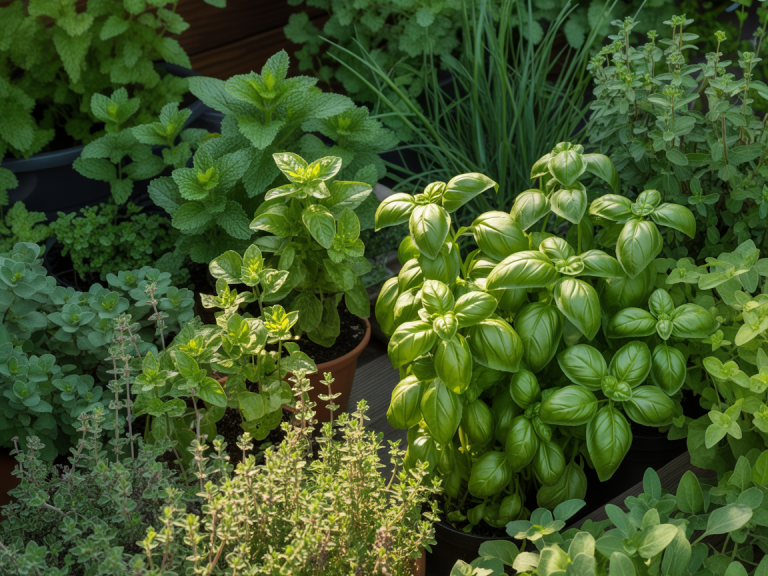
An herb garden is one of the most rewarding starting points. Herbs grow quickly, require minimal space, and are forgiving when conditions are not perfect. They also provide immediate practical use.
Start with herbs such as basil, mint, parsley, or rosemary. Place them in a sunny location and water when the soil begins to dry.
For more structured setups, see herb garden ideas that fit small spaces, which expands on how to organize herbs efficiently.
6. Mixed Beginner Garden (Balanced Variety)
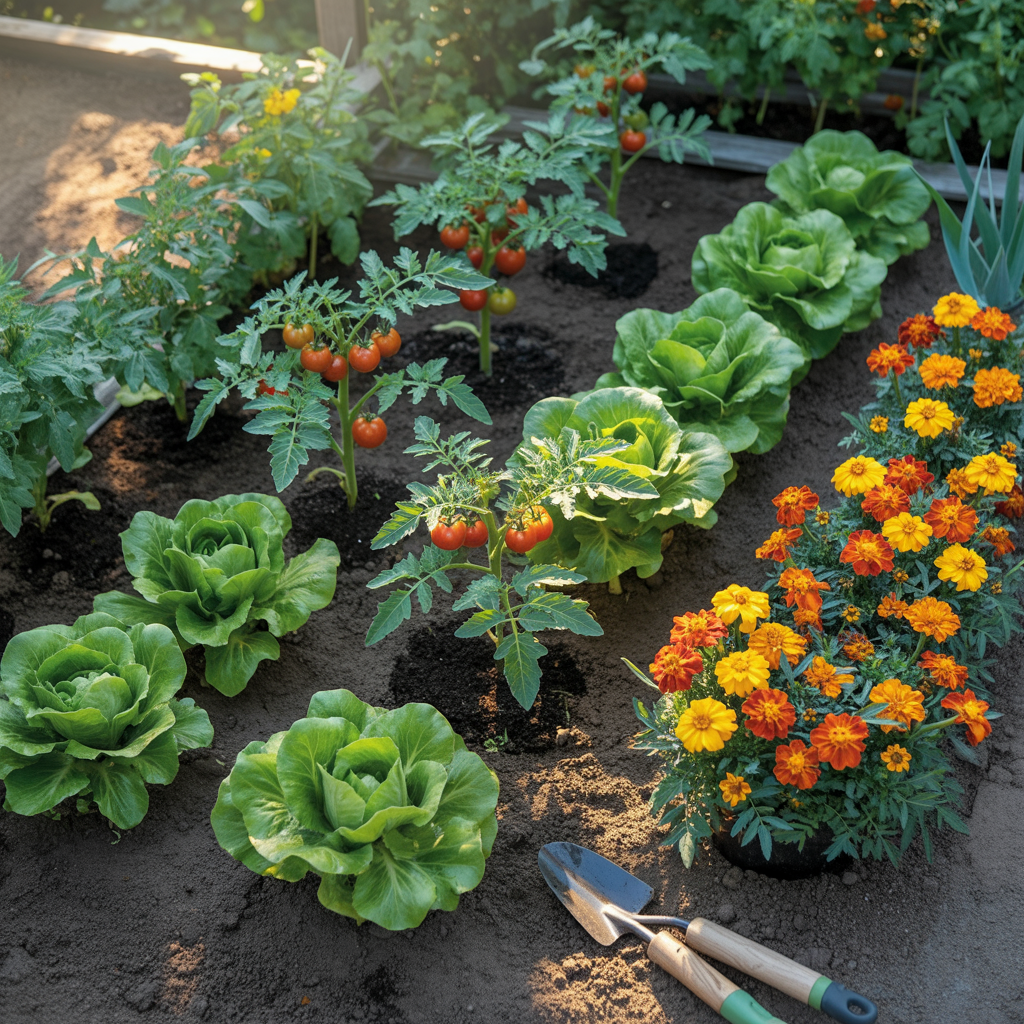
A mixed garden combines a few types of plants instead of focusing on one category.
This approach allows you to learn how different plants respond to the same environment. It also makes the garden more visually interesting.
Combine easy vegetables, herbs, and flowers in a simple layout. Avoid adding too many varieties at once.
This layout works well for beginners who want both functionality and variety.
7. Low-Maintenance Garden Layout
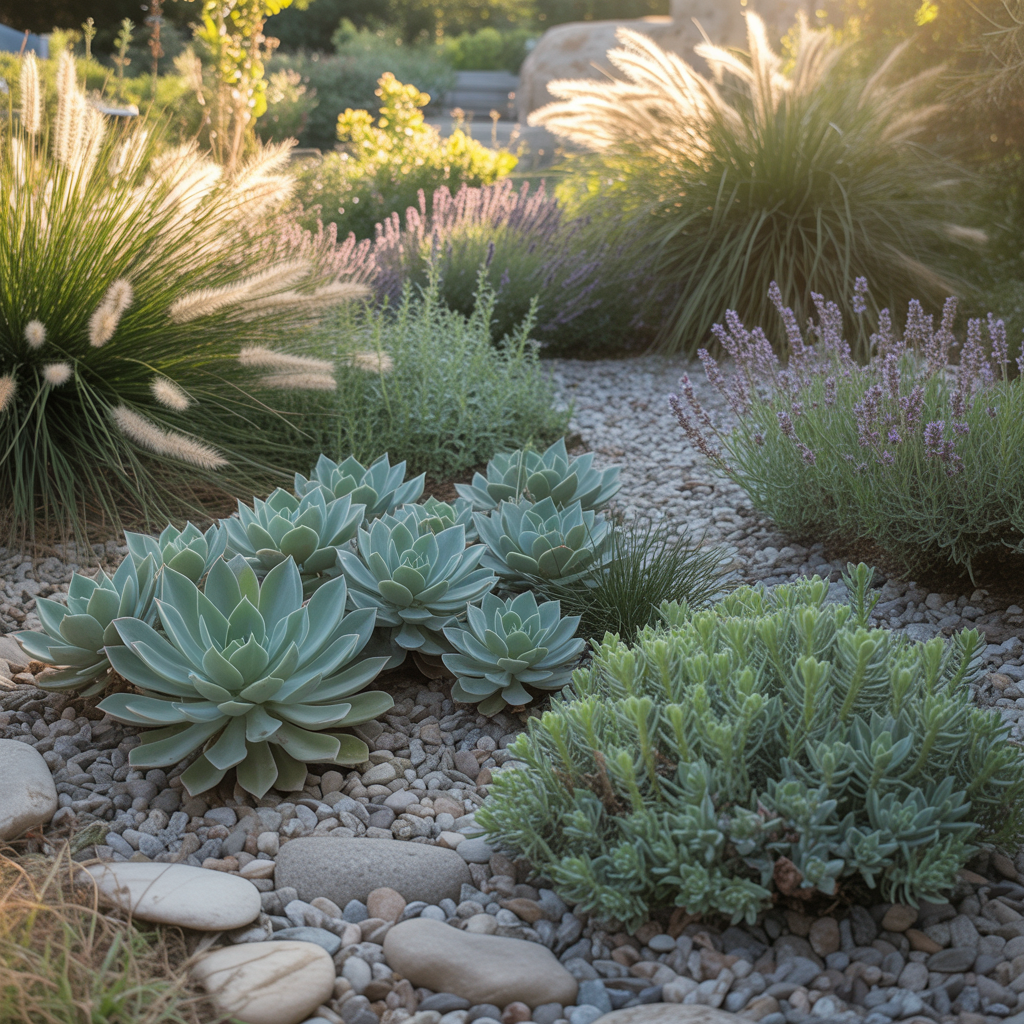
A low-maintenance garden focuses on reducing effort. Plants are chosen based on their ability to tolerate variations in watering and light.
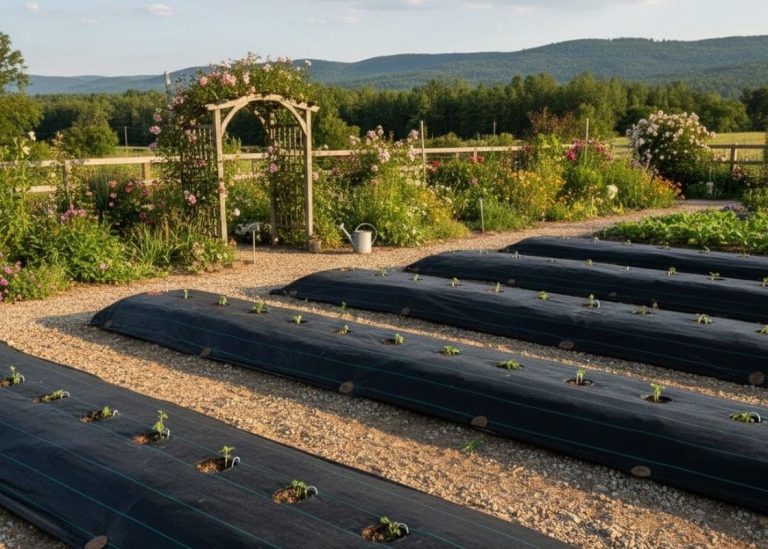
The layout allows easy access and minimizes the need for constant adjustments. Use drought-tolerant plants, apply mulch to retain moisture, and avoid overcrowding.
This type of garden is ideal for busy schedules or those who prefer a more relaxed approach.
8. Starter Edible Garden (Simple Food Production)
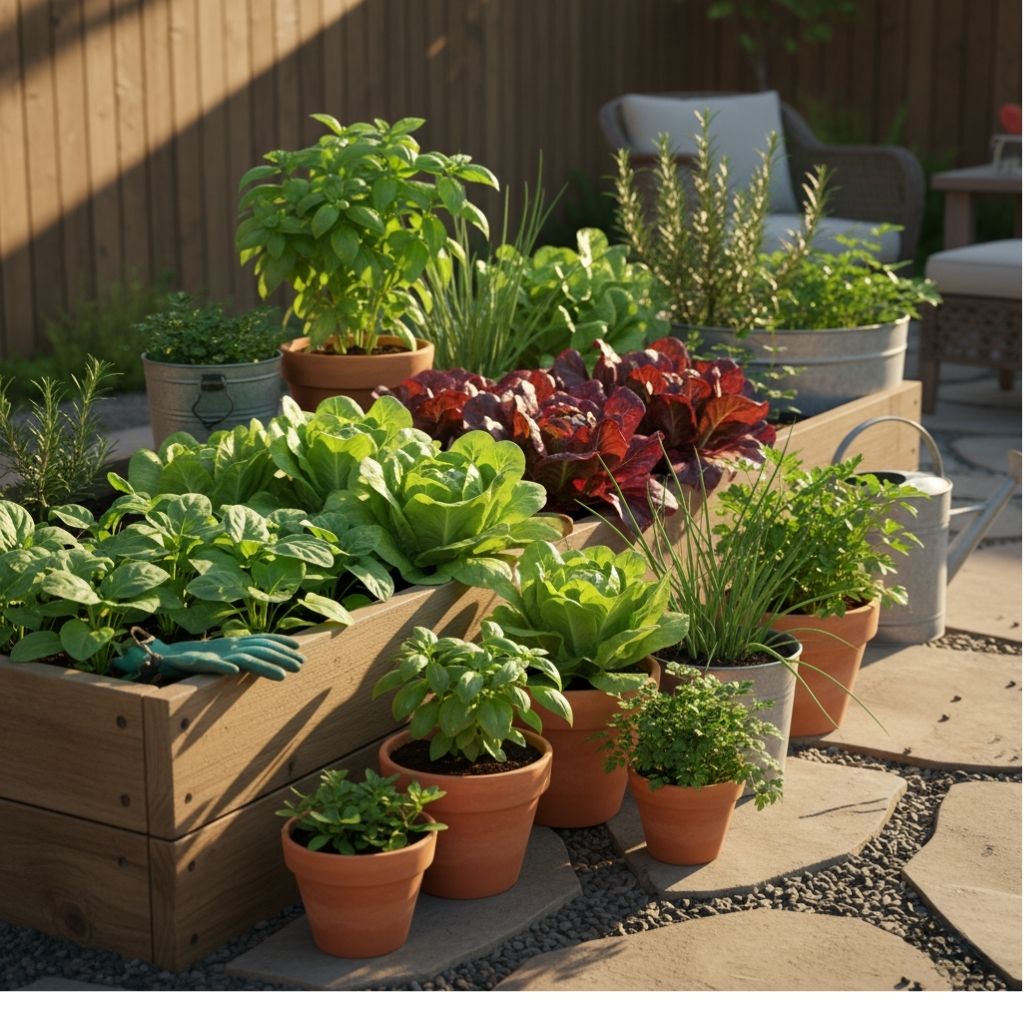
An edible garden can be simple when designed correctly. Focus on a few easy crops that grow reliably in your conditions. Arrange them based on light exposure and spacing needs.
Start with plants such as lettuce, spinach, or herbs. These crops grow quickly and provide clear feedback on how your garden is performing.
This layout helps beginners understand the connection between care and results.
9. “Start Small, Grow Bigger” Expandable Garden Layout
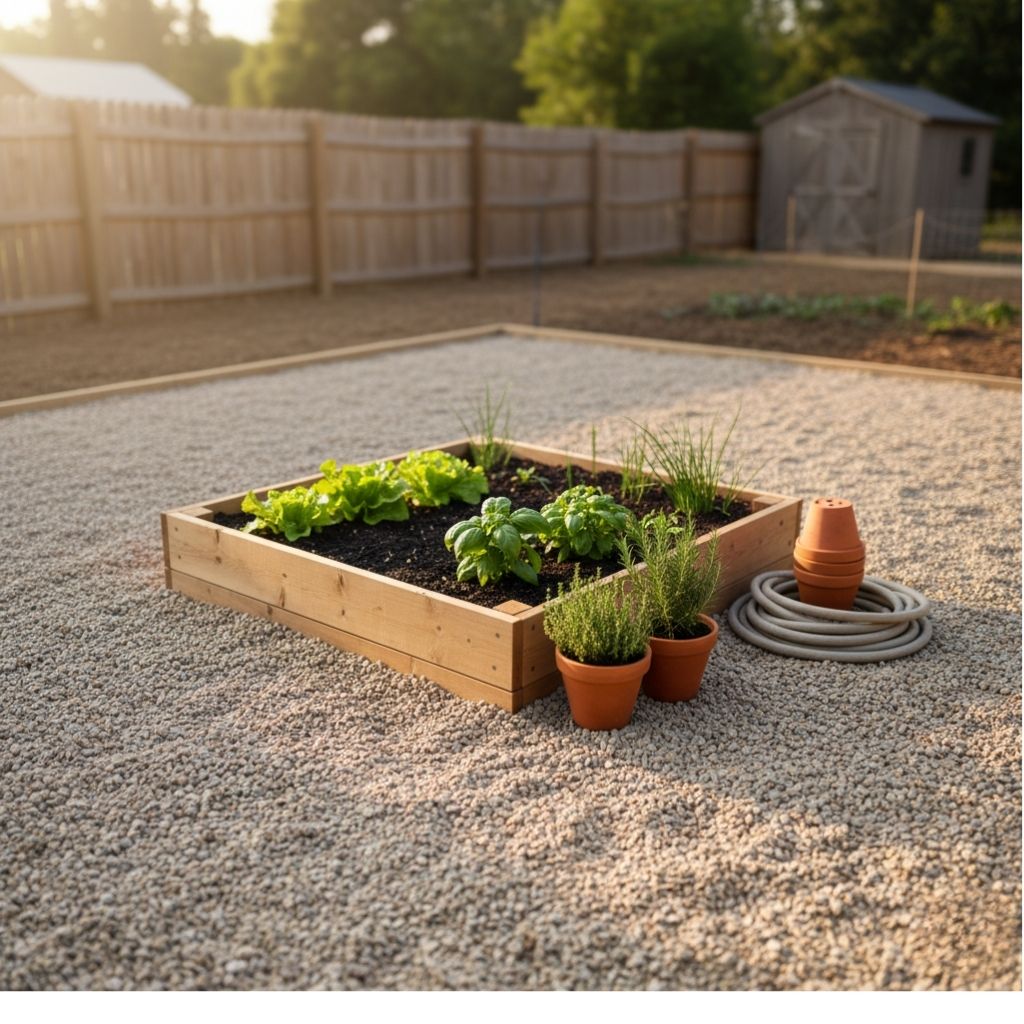
This idea focuses on building a garden that can grow over time instead of trying to plan everything at once.
Begin with a small section, such as a few containers or a single raised bed. Leave space around it so you can expand later without redesigning the entire layout.
This approach reduces pressure and allows you to learn step by step. It also prevents common beginner mistakes like overcrowding or choosing too many plants at once.
It works especially well for anyone who is unsure about long-term commitment or still learning how plants behave.
10. “One-Type Garden” for Faster Learning
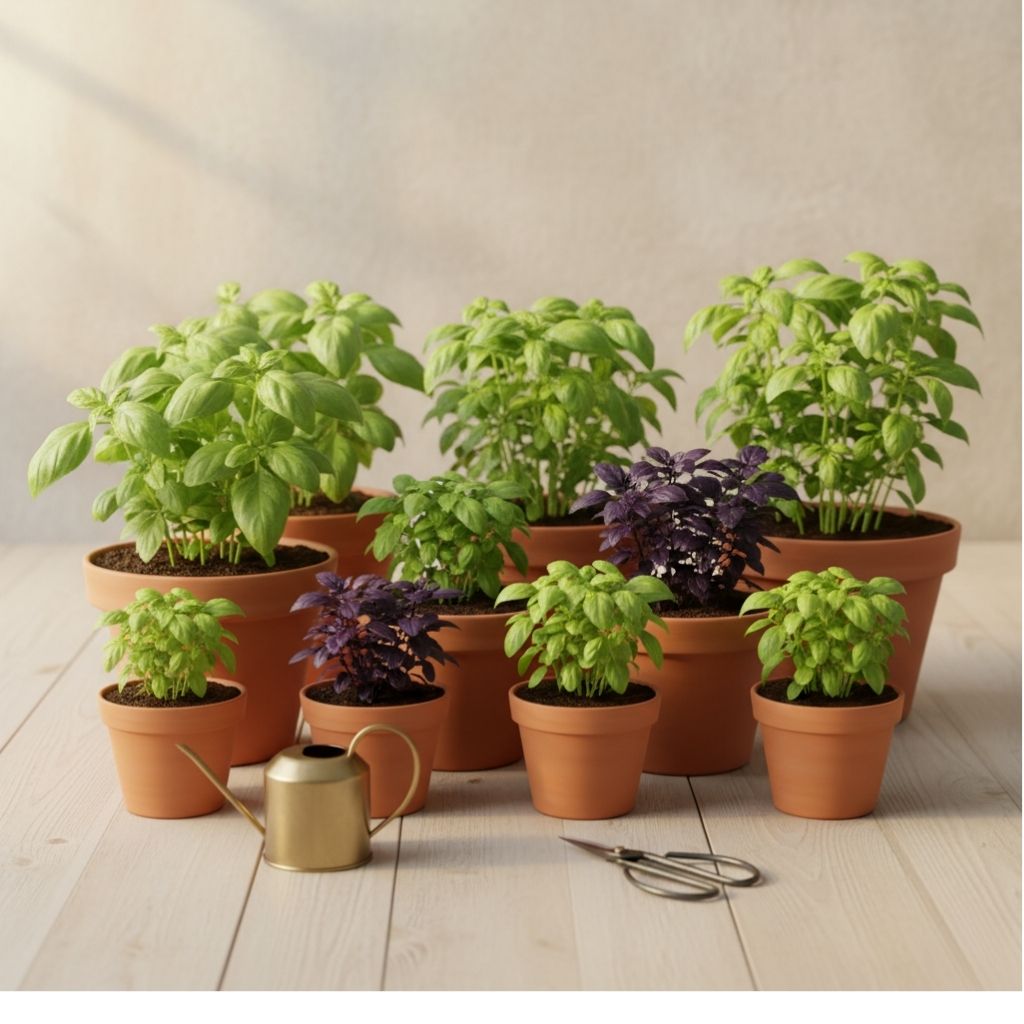
Instead of mixing many plants, this idea focuses on growing one type at a time. For example, you can start with only herbs or only leafy greens.
This makes it easier to understand watering, light needs, and growth patterns because all plants behave similarly.
This setup reduces confusion and helps you gain confidence quickly. Once you understand one type of plant well, expanding becomes much easier.
11. “Moveable Garden” for Changing Light Conditions
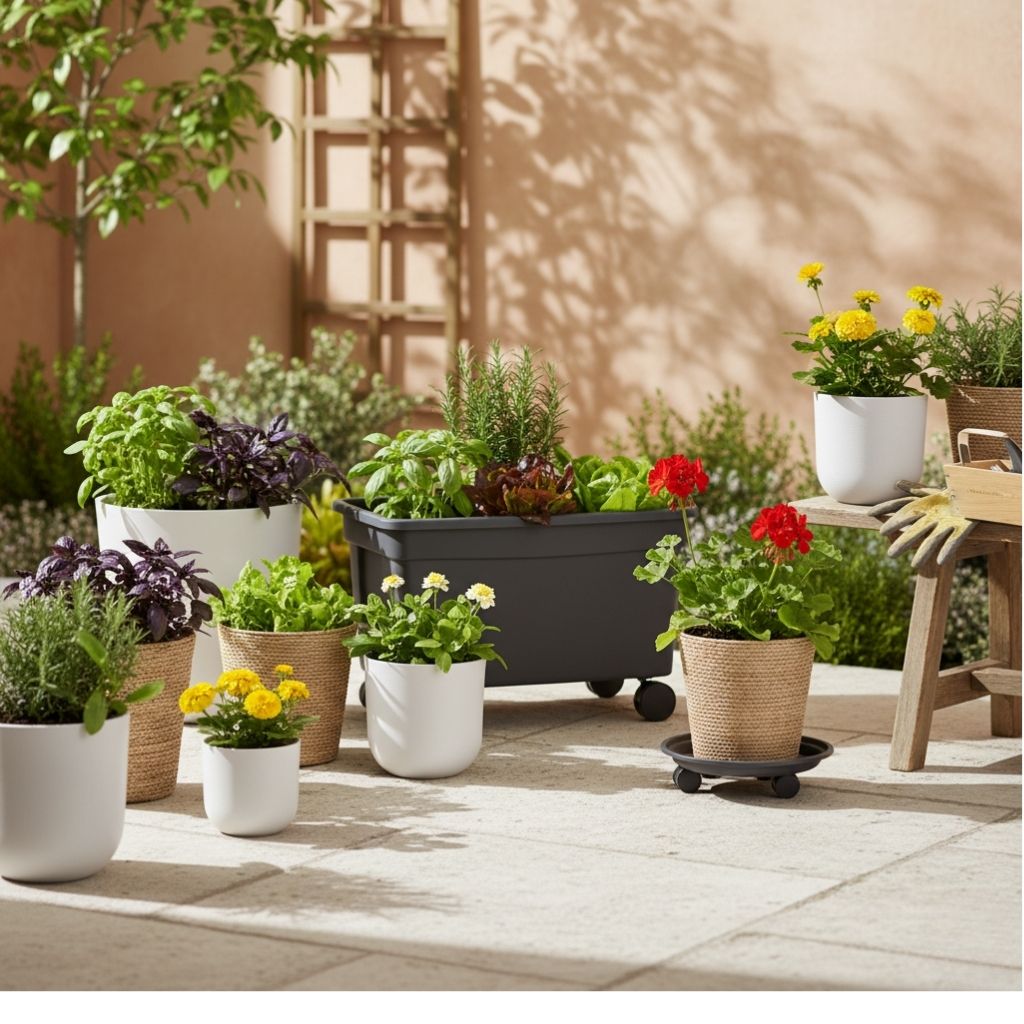
A moveable garden uses lightweight pots or containers that can be repositioned easily.
This is especially helpful when light changes throughout the day or across seasons. Plants can be moved closer to light or away from harsh exposure when needed.
This idea works well for balconies, patios, or indoor spaces where light is not consistent. It also allows beginners to experiment without making permanent changes.
12. “Water-Smart Grouping” Garden Layout
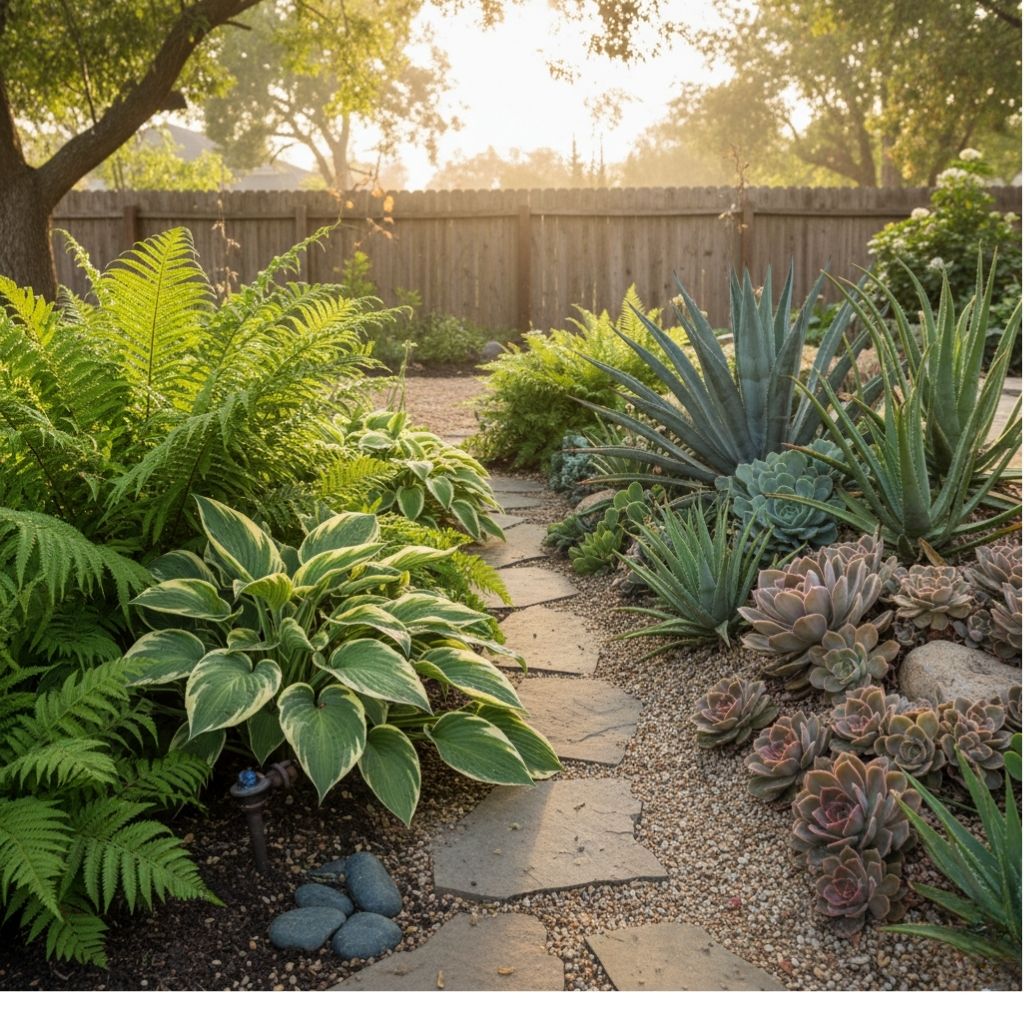
This idea groups plants based on how much water they need. Plants that prefer moist soil are placed together, while drought-tolerant plants are grouped separately.
This makes watering more efficient and prevents overwatering or underwatering. Instead of adjusting care for each plant individually, you can care for each group in a consistent way.
This method simplifies maintenance and reduces common beginner mistakes.
13. “Low-Effort Weekend Garden” Setup
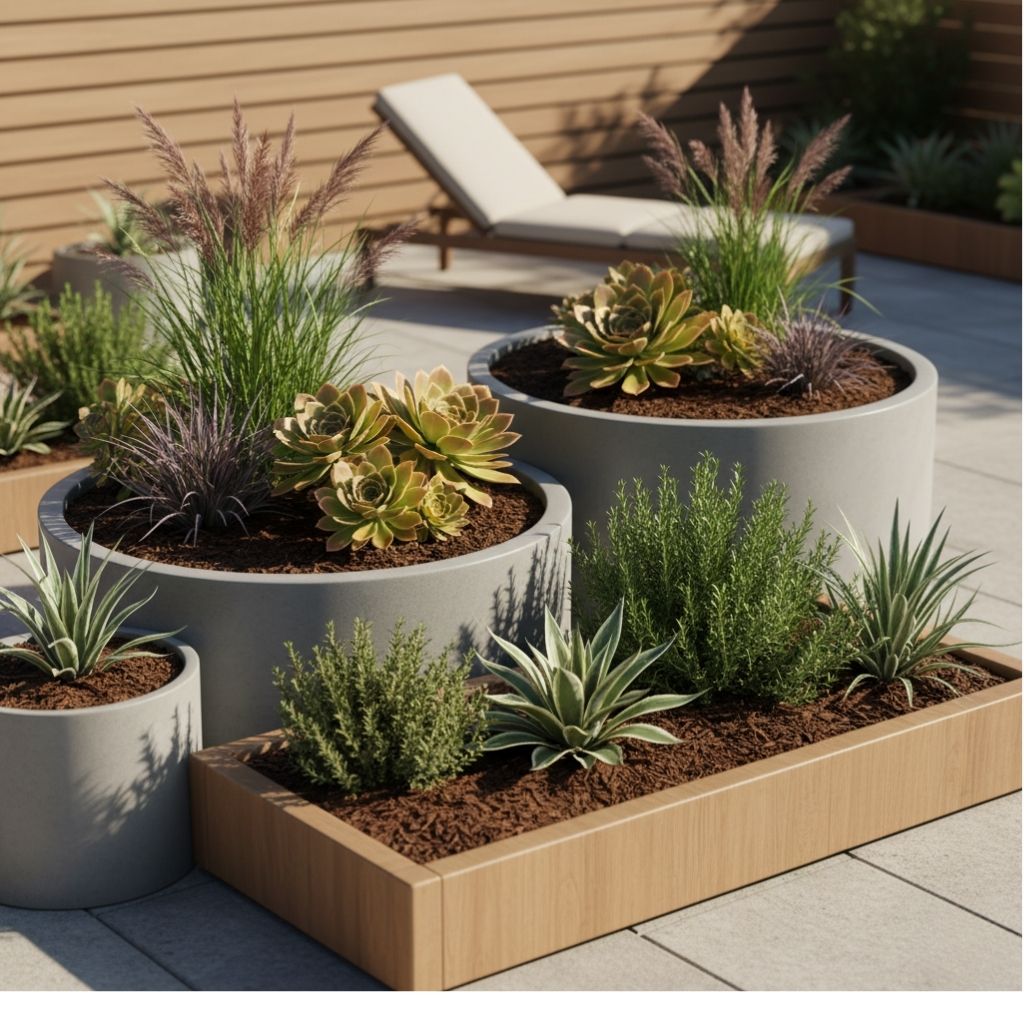
This layout is designed for people who do not have time for daily care. Plants are chosen based on their ability to tolerate slight neglect. The layout allows easy watering and minimal maintenance.
Use larger containers, add mulch to retain moisture, and space plants to allow airflow.
This idea is perfect for busy schedules while still providing satisfying results.
14. “Test Zone Garden” for Experimenting Safely
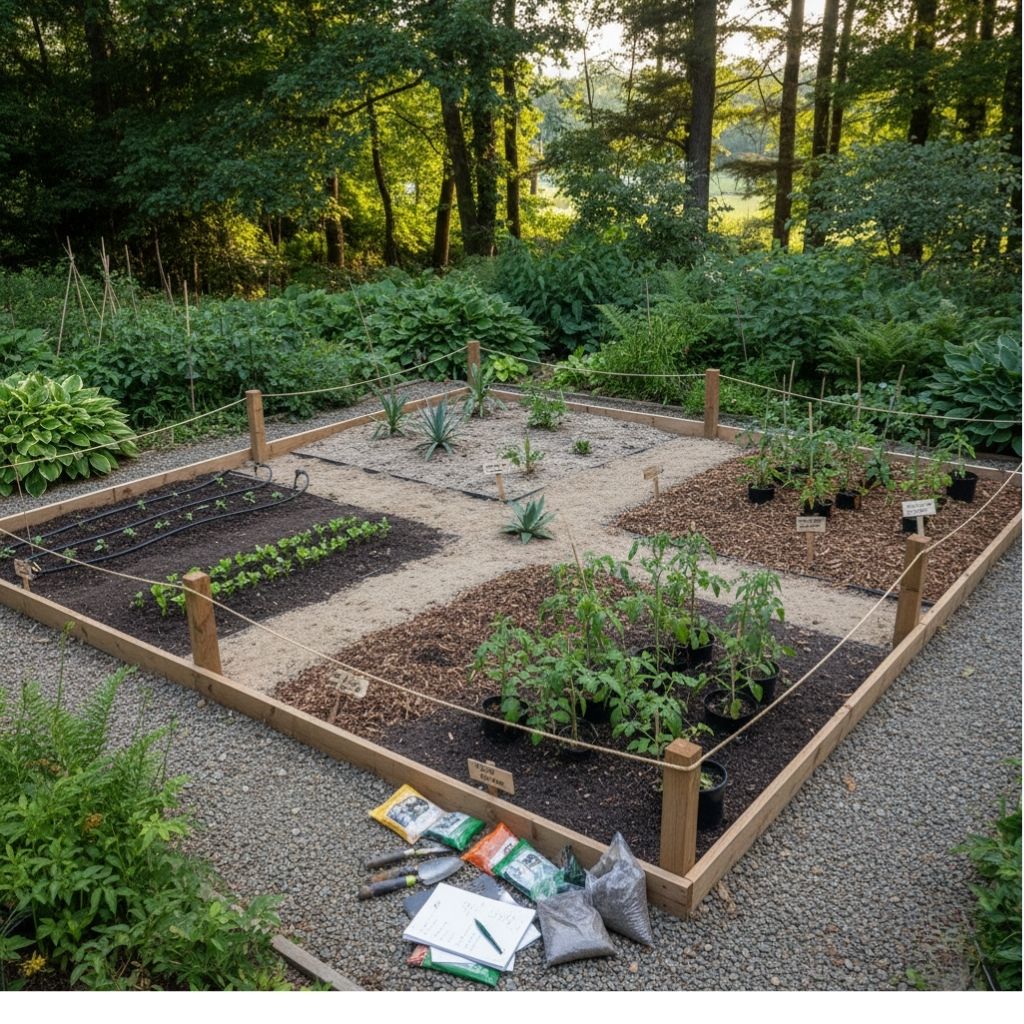
A test zone is a small section of your garden used for trying new plants or techniques.
Instead of changing your entire setup, you experiment in one controlled area. This reduces risk and helps you learn what works before expanding.
It is especially useful when trying new soil mixes, watering methods, or plant types. This idea builds confidence and prevents large-scale mistakes.
15. “Shade-Friendly Beginner Garden”
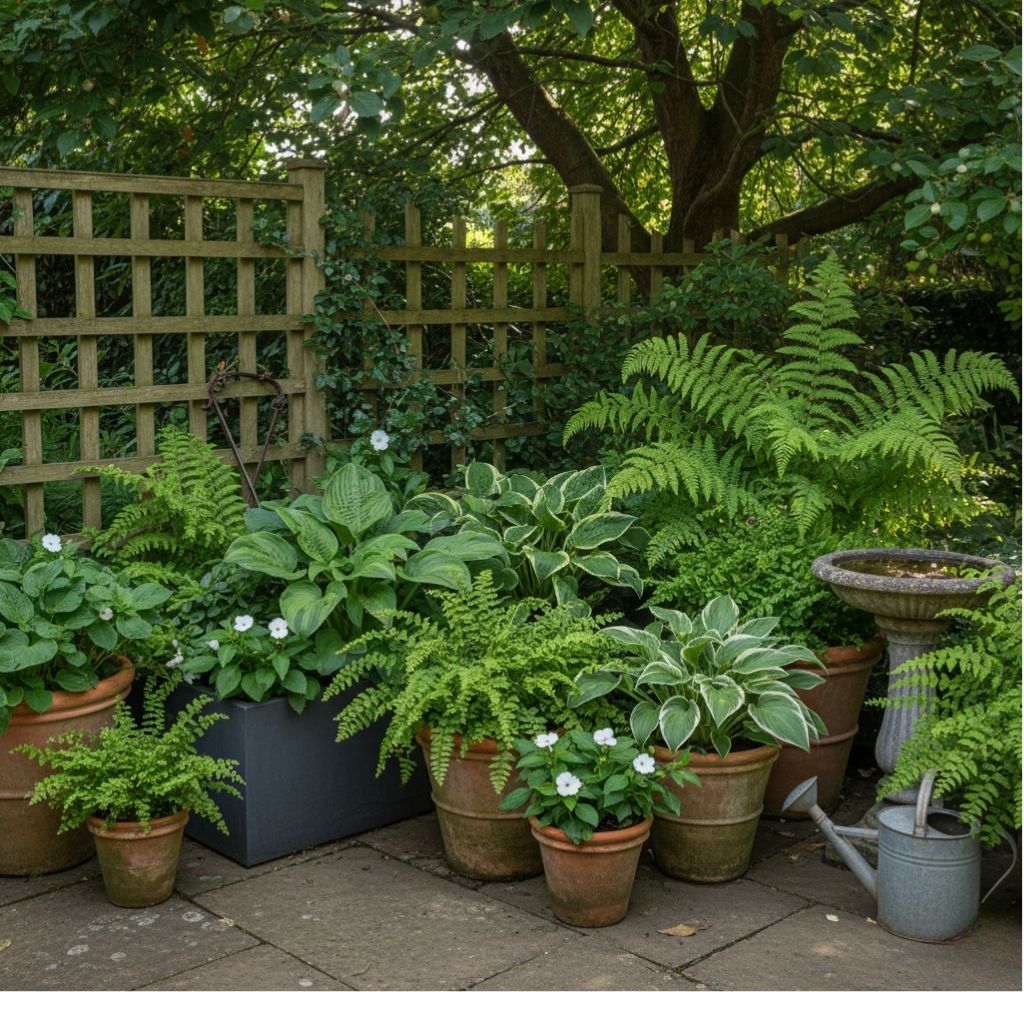
Not all gardens have strong sunlight, and this idea focuses on making the most of shaded spaces.
Choose plants that tolerate lower light and arrange them where they receive indirect brightness throughout the day.
This layout avoids the frustration of trying to grow sun-loving plants in unsuitable conditions. It works well for balconies facing walls or gardens surrounded by buildings.
16. “Easy Access Garden Layout” (Maintenance First Design)
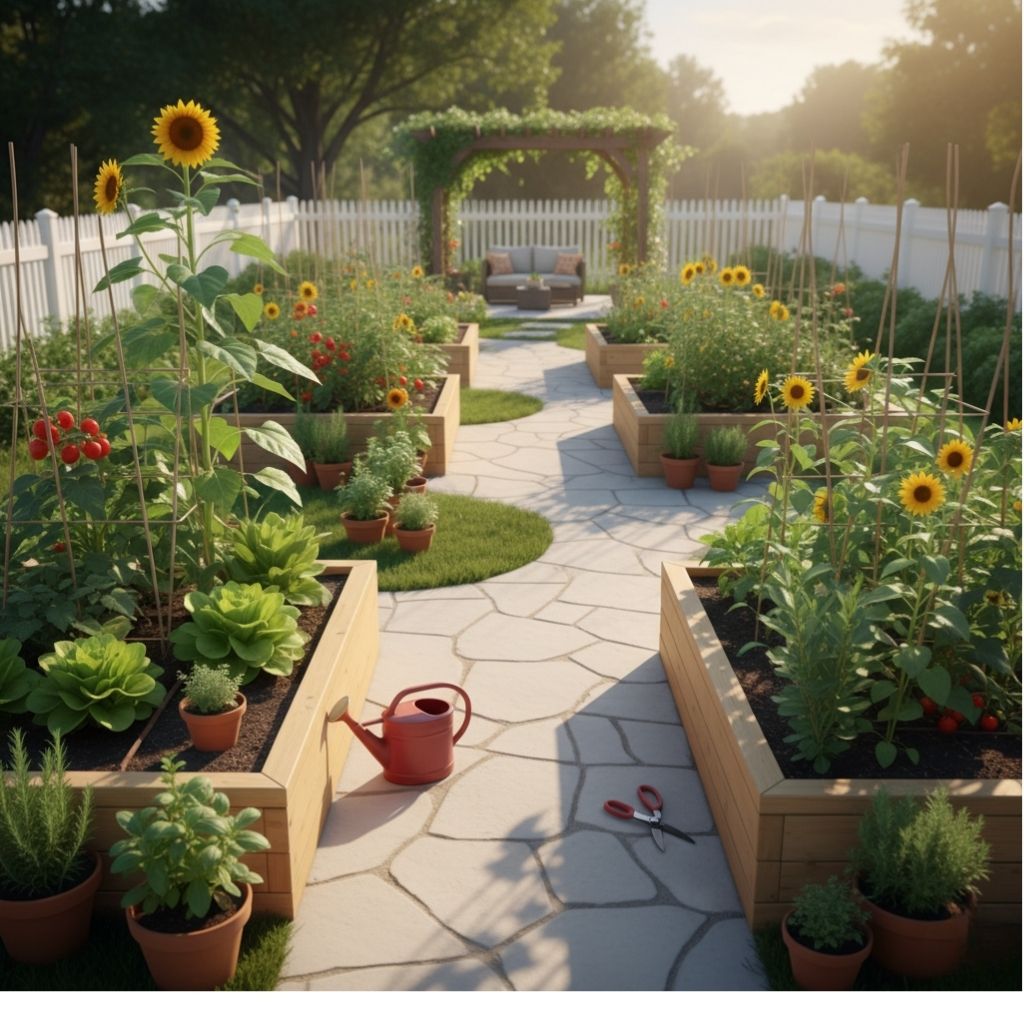
This idea prioritizes accessibility over appearance. Plants are arranged so that every pot or bed can be reached easily without moving others.
Paths or open spaces are included from the beginning. This makes watering, pruning, and checking plant health much easier.
It is one of the most overlooked factors but has a major impact on long-term success.
17. “Seasonal Rotation Garden” for Continuous Learning
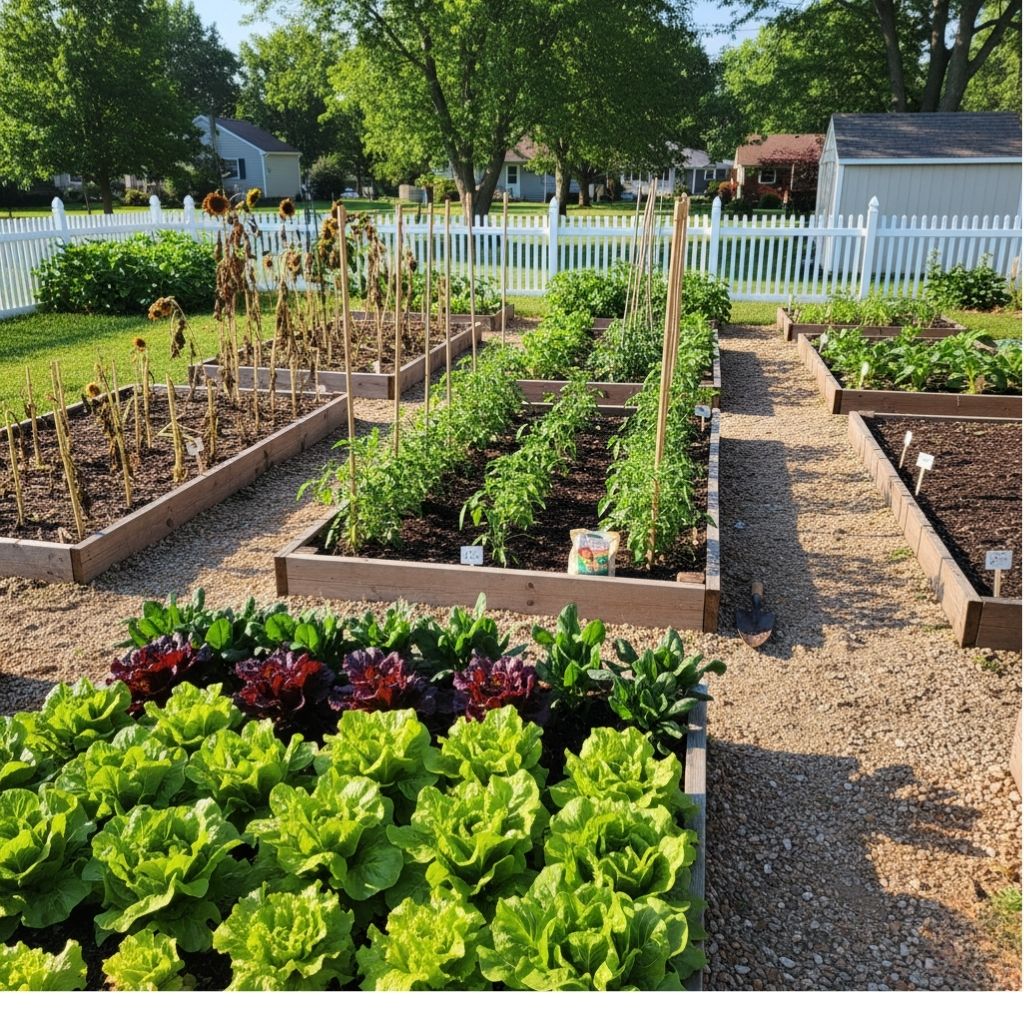
This layout changes throughout the year. Instead of keeping the same plants permanently, you rotate crops or flowers based on the season.
This helps you learn how different plants respond to changing conditions. It also keeps the garden productive and interesting over time.
This approach works well for edible gardens and small spaces.
18. “Minimal Tools Garden” (Simplify Everything)
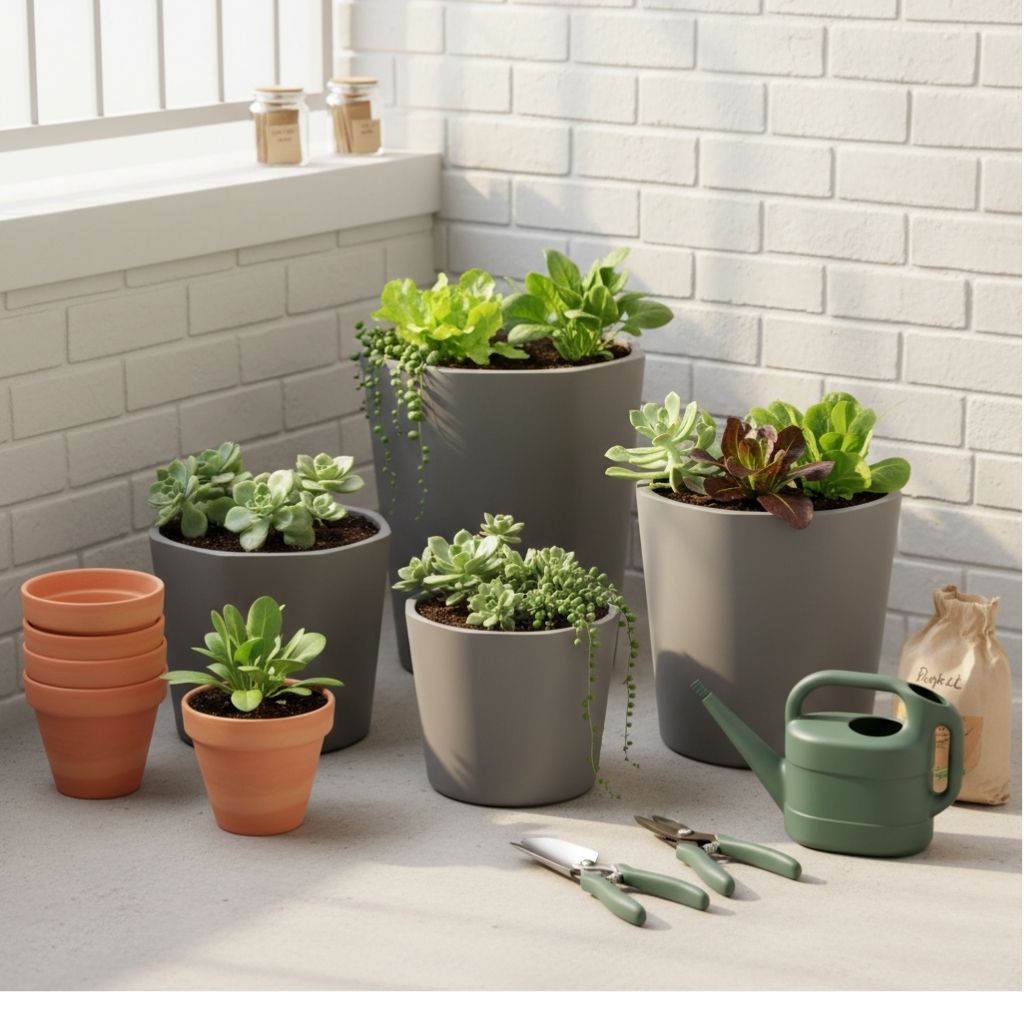
This idea focuses on reducing the need for tools and complex setups.
Use basic containers, simple soil mixes, and easy-care plants. Avoid complicated systems that require constant adjustment.
This makes gardening more approachable and removes the barrier of needing specialized equipment. It is ideal for complete beginners who want to start quickly.
19. “Visual Balance Garden” (Easy but Structured)
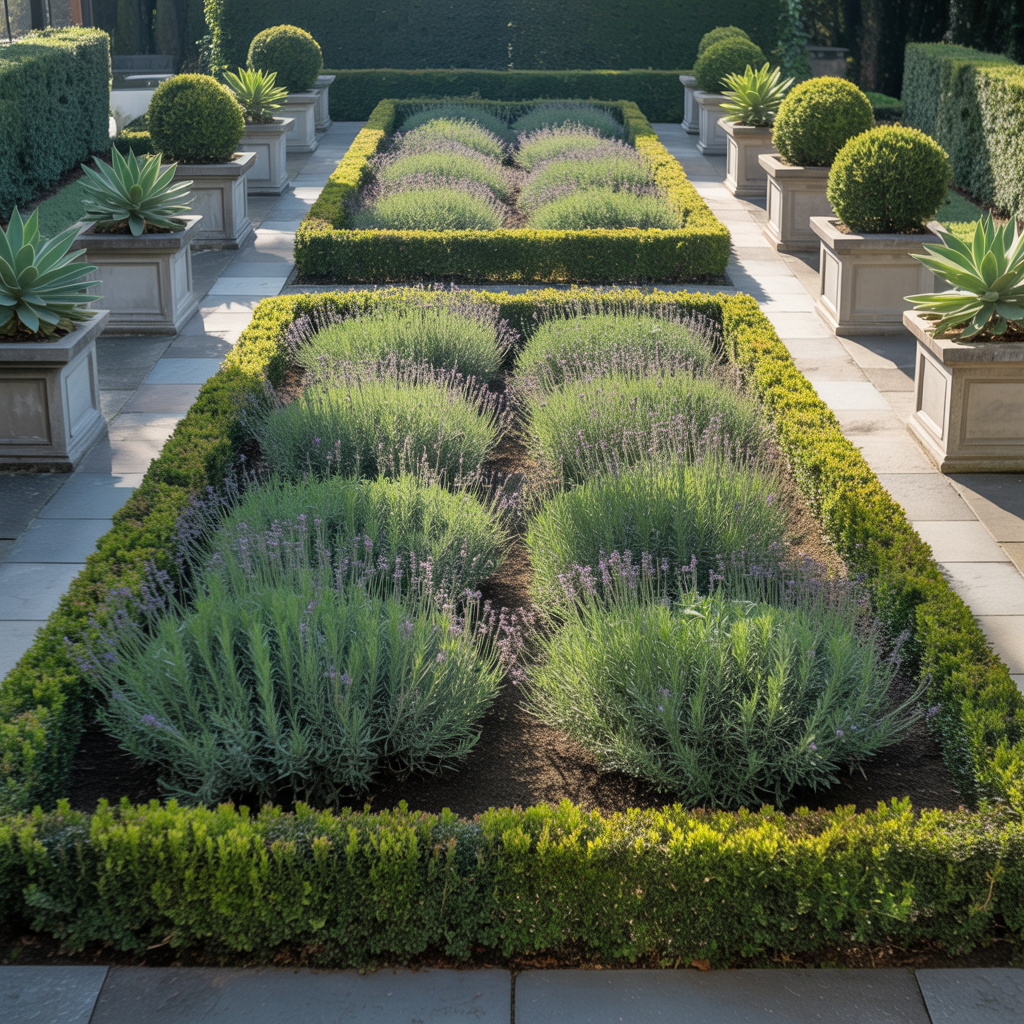
This layout combines simplicity with a clean visual structure.
Plants are arranged in a balanced way, with equal spacing and similar heights. This creates a tidy look while maintaining proper airflow and light distribution.
It helps beginners avoid clutter while still creating an attractive garden.
20. “Beginner-Friendly Mixed Container Cluster”
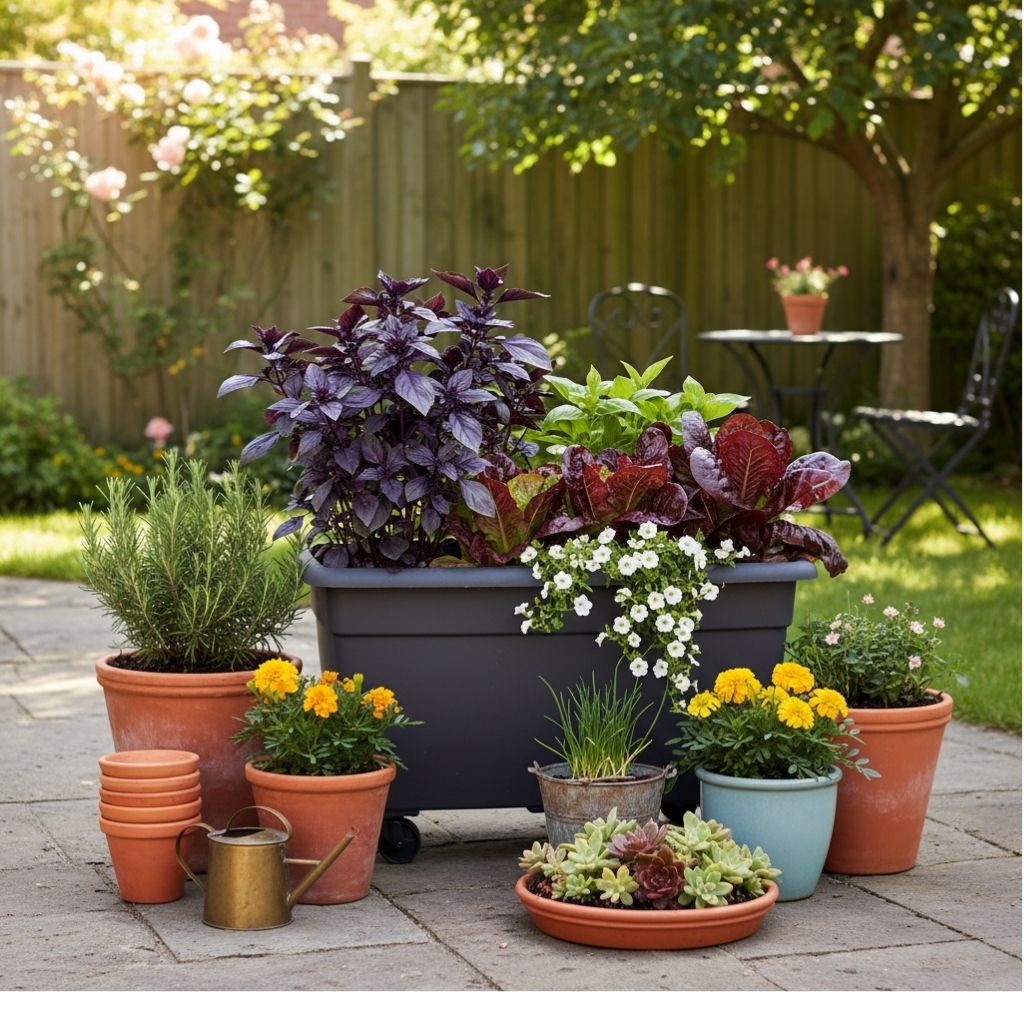
This idea groups several containers together in a structured cluster.
Each container can hold a different type of plant, but they are arranged as a single unit. This creates a cohesive layout while maintaining flexibility.
It is easy to manage, easy to adjust, and visually organized. This approach works well for small spaces and first-time gardeners.
How to Choose the Right Idea for Your Situation
The best garden idea depends on your space and goals.
If space is limited, container or vertical gardening is often the best choice. If you have access to outdoor soil, raised beds provide more control.
If your goal is learning, a mixed or grid layout allows you to experiment without overwhelming complexity.
Choosing the right approach from the beginning reduces frustration and increases the chances of success.
Common Beginner Mistakes (And Why They Happen)
One of the most common mistakes is starting too large.
A large garden requires more time, attention, and adjustment. When beginners take on too much, it becomes difficult to maintain consistency.
Another mistake is choosing plants that are not suited to the environment. This often leads to poor results even when care is correct.
Overwatering is also a frequent issue. Many beginners assume more water will help plants grow, but it often creates imbalance.
Step-by-Step Plan to Start Your First Garden
Start by choosing a small, manageable area.
Observe light patterns and select plants that match those conditions. Prepare soil or containers with proper drainage.
Place plants with enough spacing to allow airflow and growth. Water consistently based on how the soil dries rather than on a fixed schedule.
Monitor changes over time and adjust gradually instead of making large changes all at once.
How to Keep Your Garden Simple and Effective
Simplicity is what makes a garden sustainable.
Focus on a few plants and understand their needs before expanding. Keep the layout accessible so that maintenance remains easy.
Adjust based on observation rather than routine. This approach allows the garden to improve naturally over time.
How Beginner Gardens Improve Over Time
A beginner garden does not stay basic.
As you gain experience, you will notice patterns in how plants respond. This allows you to refine your layout, adjust care methods, and introduce new plants gradually.
The goal is not perfection at the start. The goal is building a system that evolves.
Frequently Asked Questions
What is the easiest garden to start for beginners?
Container and herb gardens are often the easiest because they offer control and quick results.
How much space do I need to start a garden?
Even a small balcony or a few containers can be enough.
How often should I water plants?
Watering depends on how quickly the soil dries rather than a fixed schedule.
Can beginners grow vegetables successfully?
Yes, especially with simple crops such as lettuce and herbs.
What is the biggest mistake beginners make?
Starting too large or choosing plants that do not match their environment.
Final Thoughts
Starting a garden does not require experience, but it does require a simple and thoughtful approach.
When the layout supports light, water, and accessibility, the garden becomes easier to manage and more consistent in performance.
By starting small, observing carefully, and making gradual adjustments, you can build a garden that grows alongside your skills and becomes more effective over time.