Why Orchid Stops Blooming After First Flowers Fall
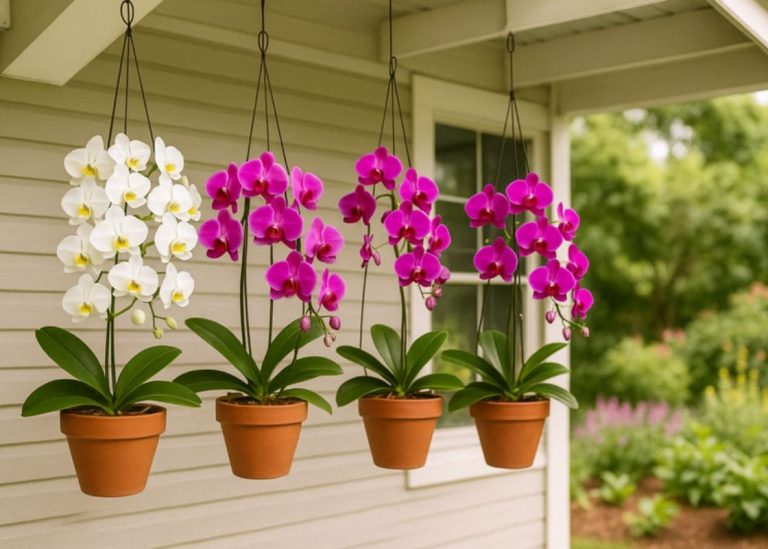
If your orchid bloomed once and then stopped, you are not alone. This is one of the most common situations for indoor growers, and it often leads to confusion because the plant does not appear unhealthy.
The key idea to understand is simple but often overlooked. Orchids do not bloom because they are “well cared for.” They bloom when specific environmental signals tell them it is time to reproduce.
This article explains exactly what those signals are, why they are often missing indoors, and how you can recreate them in a controlled and realistic way. By the end, you will understand not only how to make your orchid bloom again, but also how to repeat that cycle consistently.
Why Orchids Stop Blooming After the First Cycle
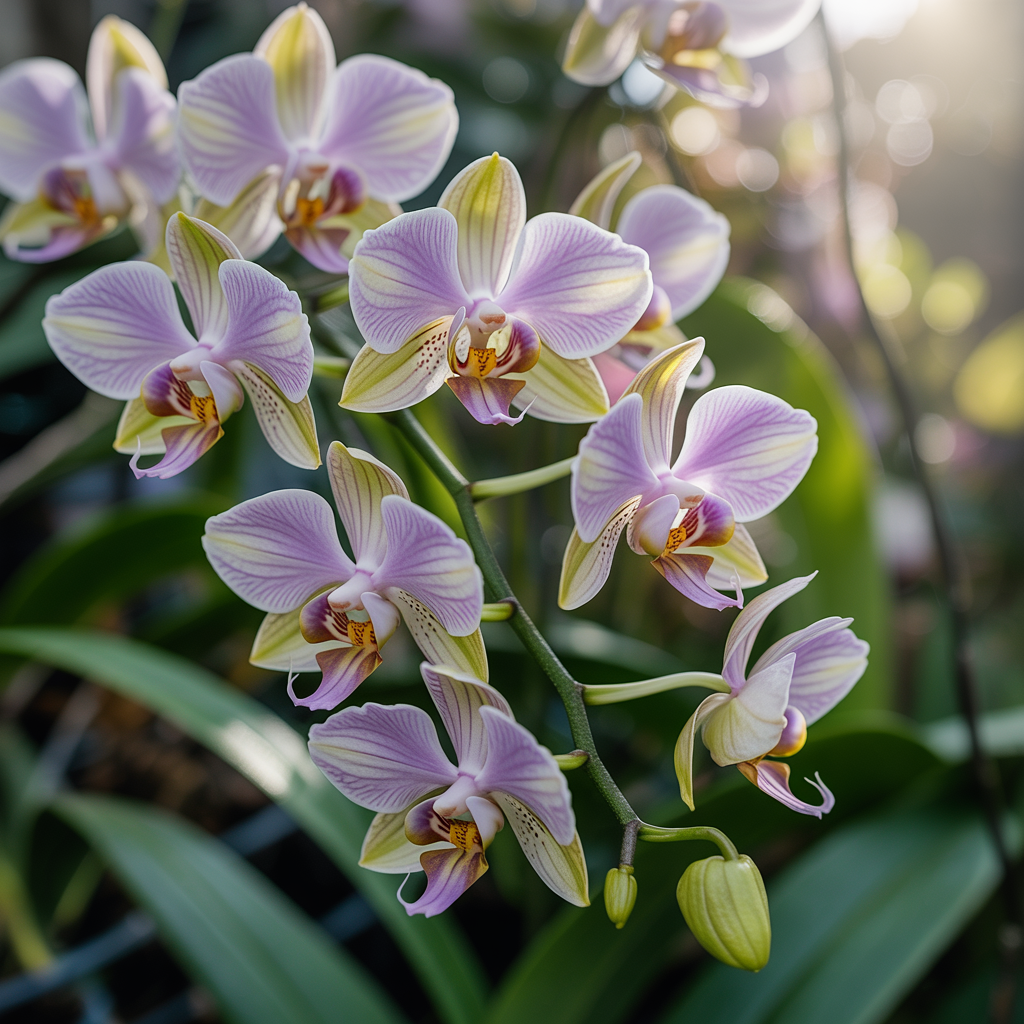
After the first bloom, an orchid enters a different phase. The plant shifts its energy away from flowers and into rebuilding its internal systems.
Leaves become stronger, roots expand, and stored energy increases. This phase is necessary, but it often looks like nothing is happening.
The problem is not that the orchid cannot bloom again. The problem is that it does not receive the signal to do so.
In nature, orchids rely on environmental changes such as temperature variation and seasonal light shifts. Indoors, those changes are often missing, so the plant remains in a stable but non-flowering state.
The Missing Link: Orchids Need Triggers, Not Just Care
Many care routines focus on watering, feeding, and keeping the plant alive. While those factors are important, they do not directly trigger blooming.
An orchid can receive perfect watering and still never flower if it does not experience the right combination of light intensity and temperature change.
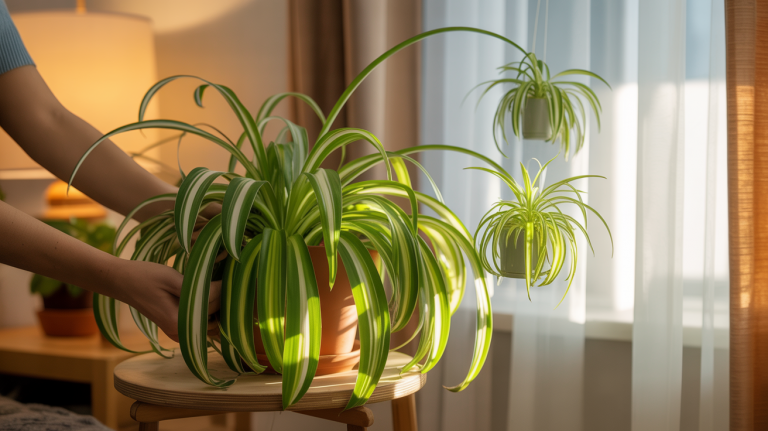
This is similar to patterns seen in why spider plant looks healthy but doesn’t grow, where a plant remains stable but does not move into a new phase of development.
Understanding this distinction changes how you approach orchid care. Instead of maintaining conditions, you begin to guide the plant toward a specific outcome.
How Orchids Decide to Bloom
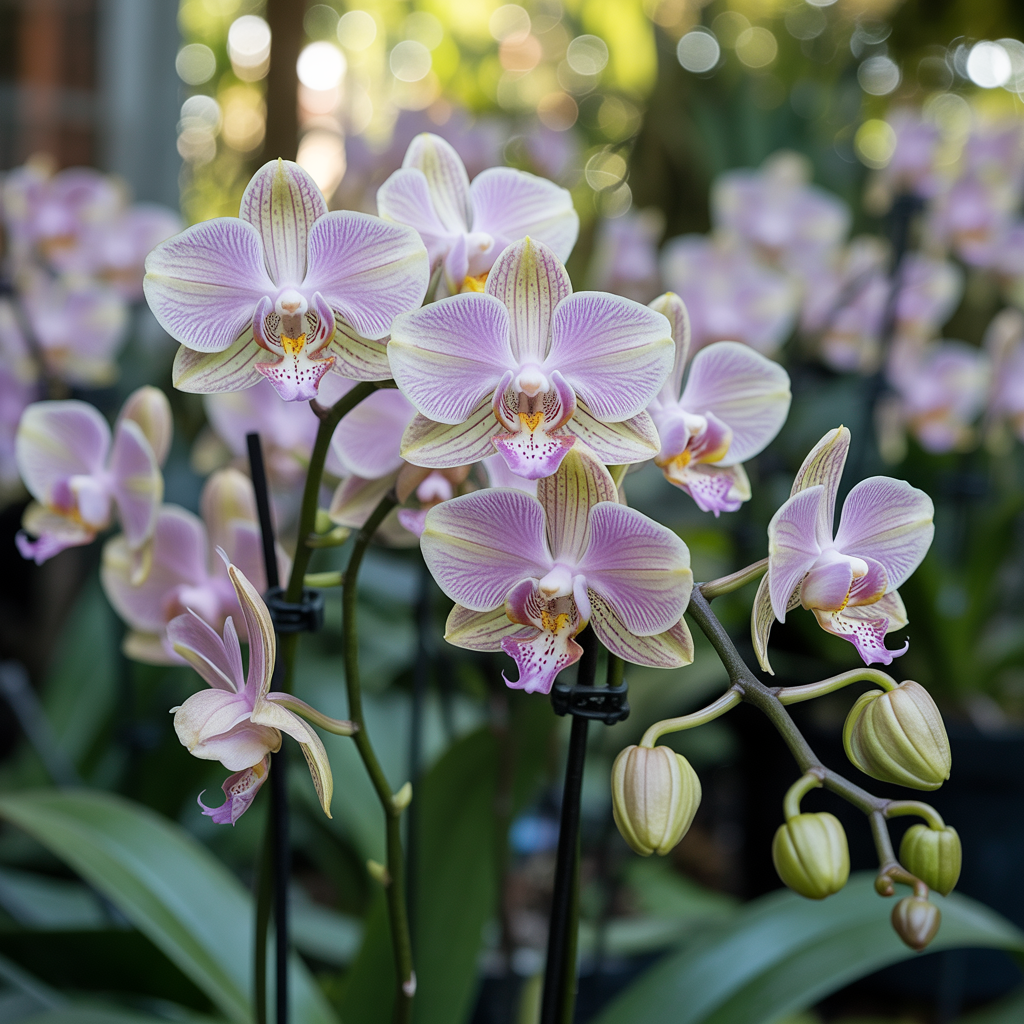
Orchids respond to environmental patterns rather than isolated actions.
When light reaches a certain level and nighttime temperatures drop slightly, the plant interprets this as a seasonal signal. This triggers the formation of a flower spike.
At the same time, the plant must have enough stored energy to support blooming. If energy is insufficient, the plant delays flowering even if the signal is present.
This means that blooming depends on both external triggers and internal readiness.
How to Make Orchids Bloom Again (Complete Practical System)
1. Increase Light to a Functional Level
Light is the primary source of energy for the plant.
An orchid placed in low or moderate light may survive indefinitely, but it will not store enough energy to support flowering. The plant prioritizes leaf maintenance instead.
A brighter location with indirect light allows the plant to produce more energy throughout the day. Over time, this builds the reserves needed for a new bloom cycle.
2. Introduce a Noticeable Temperature Drop at Night
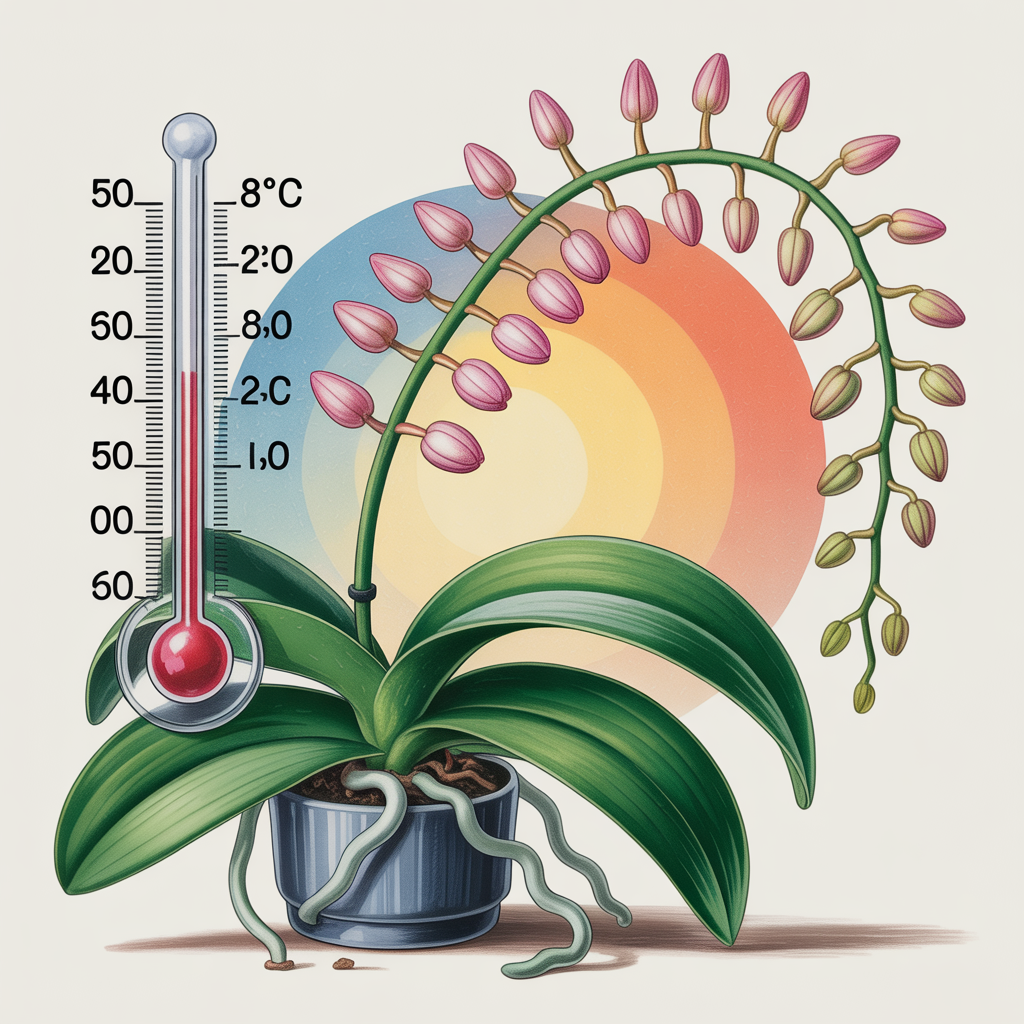
Temperature variation is one of the most reliable triggers for reblooming.
A difference of approximately 5–8°C between day and night conditions signals the plant that a seasonal shift is occurring. This encourages the development of a flower spike.
Without this variation, the plant may remain in a vegetative state even if light and watering are correct.
3. Allow a Full Recovery Phase After Blooming
After flowers fall, the orchid needs time to rebuild.
During this period, the plant focuses on strengthening roots and producing new leaves. This stage is essential because it determines whether the plant has enough energy for the next bloom.
Interrupting this phase with frequent changes or excessive adjustments often delays reblooming.
4. Maintain Strong and Active Root Systems
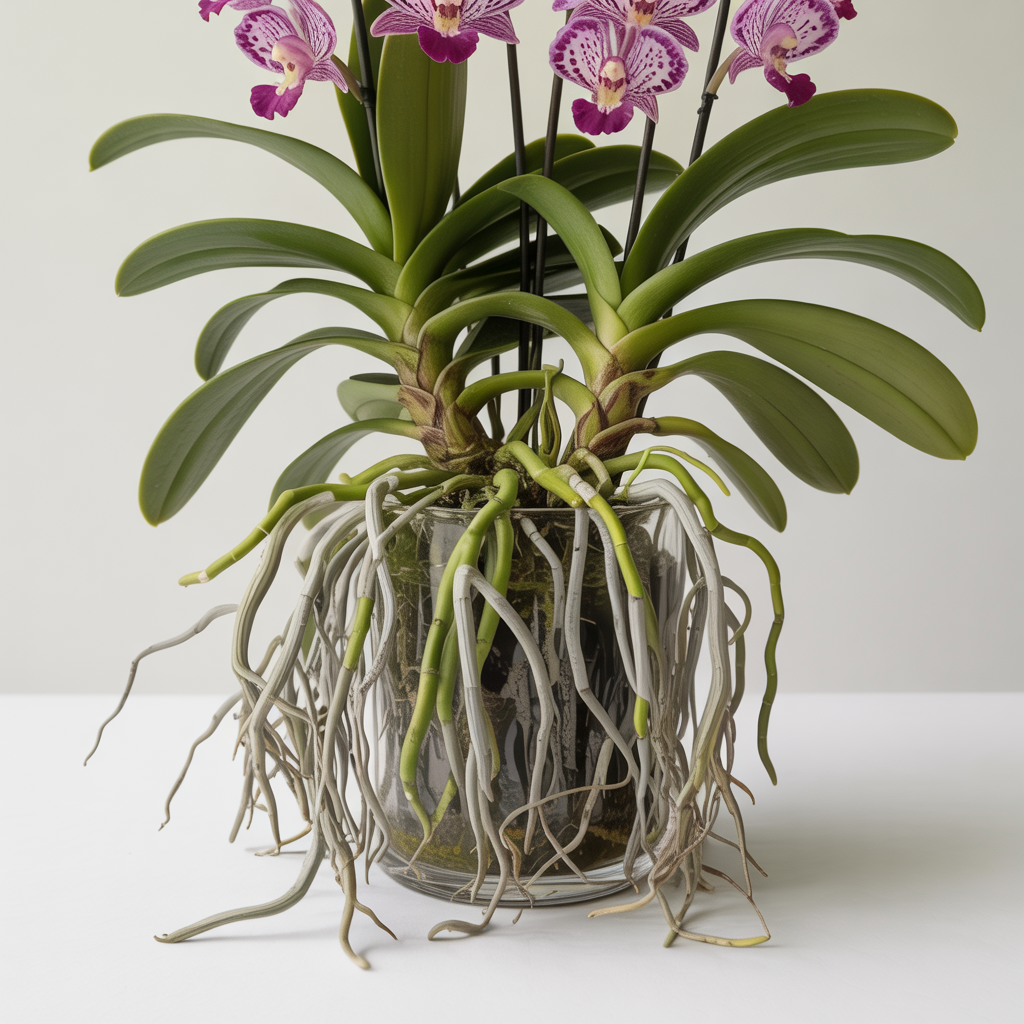
Roots play a central role in how the plant absorbs water and nutrients.
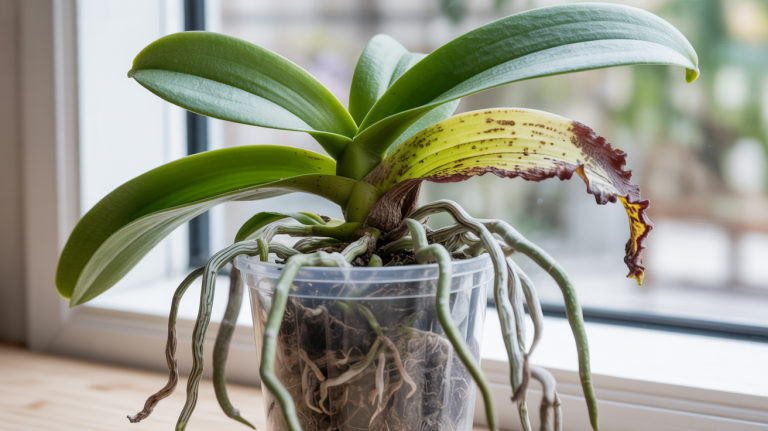
Healthy roots appear firm and light in color, while stressed roots become soft or discolored. When root performance declines, the plant cannot support flowering even if other conditions are ideal.
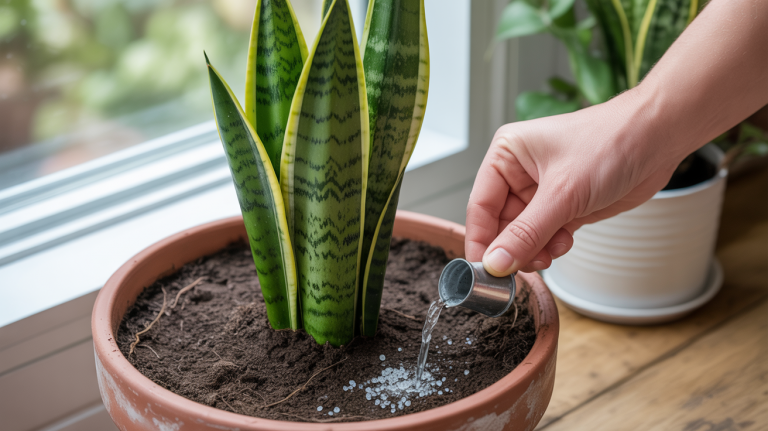
This pattern reflects a broader principle seen in why snake plant roots rot even when watering seems normal, where root efficiency directly affects overall plant behavior.
5. Adjust Watering Based on Growth Stage
Watering should match what the plant is currently doing.
During active growth, consistent moisture supports leaf and root development. During slower phases, excess water can reduce oxygen around the roots and limit efficiency.
Balanced watering helps maintain stability without creating unnecessary stress.
6. Use Light Feeding to Support Energy Storage
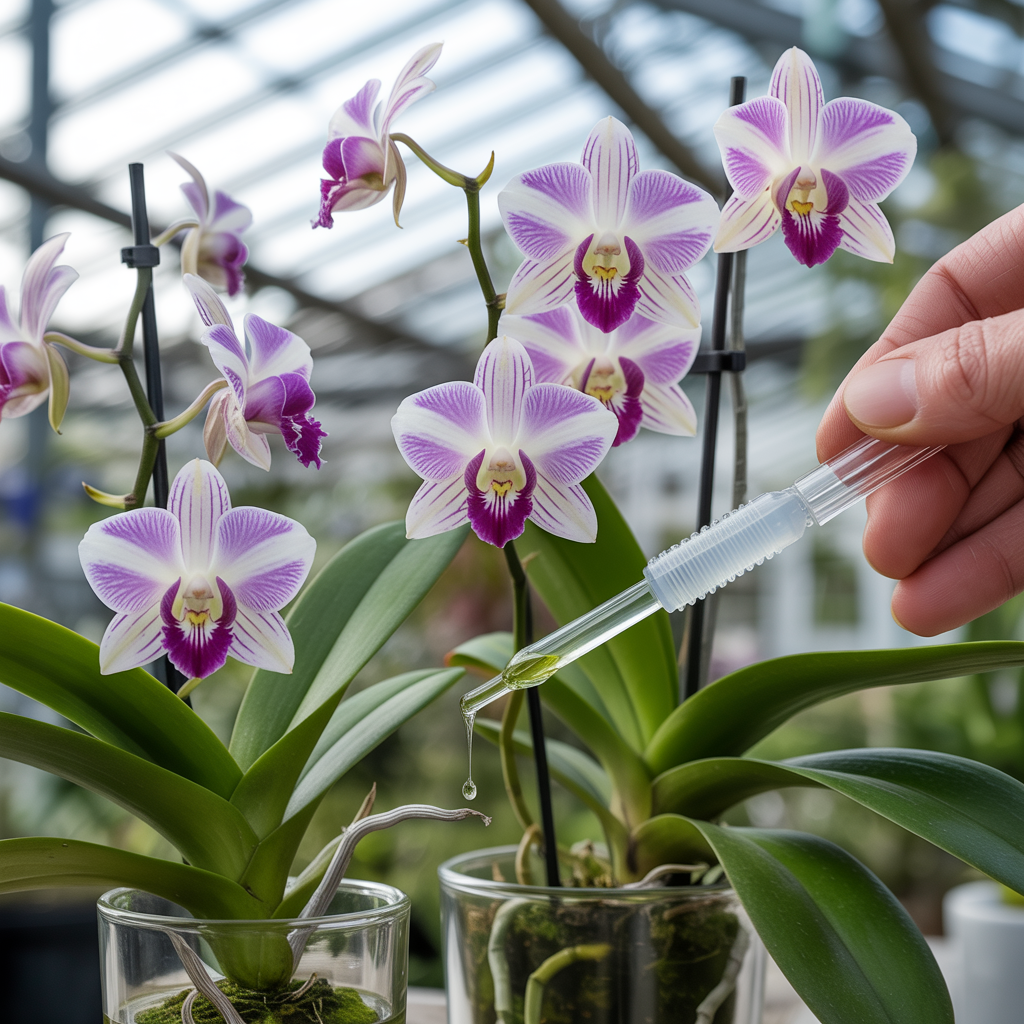
Orchids benefit from small, consistent amounts of nutrients.
Feeding during active growth supports the plant’s ability to store energy, which is necessary for flowering.
However, excessive fertilizer often leads to leaf growth without triggering blooms.
A balanced approach supports long-term results rather than short-term changes.
7. Keep Conditions Stable Once a Spike Appears
When a flower spike begins to form, stability becomes critical.
Sudden changes in light, temperature, or placement can interrupt development. The plant may stop the spike or delay flowering if conditions become inconsistent.
Maintaining steady conditions allows the plant to complete the blooming process.
How to Recognize Early Signs of Reblooming
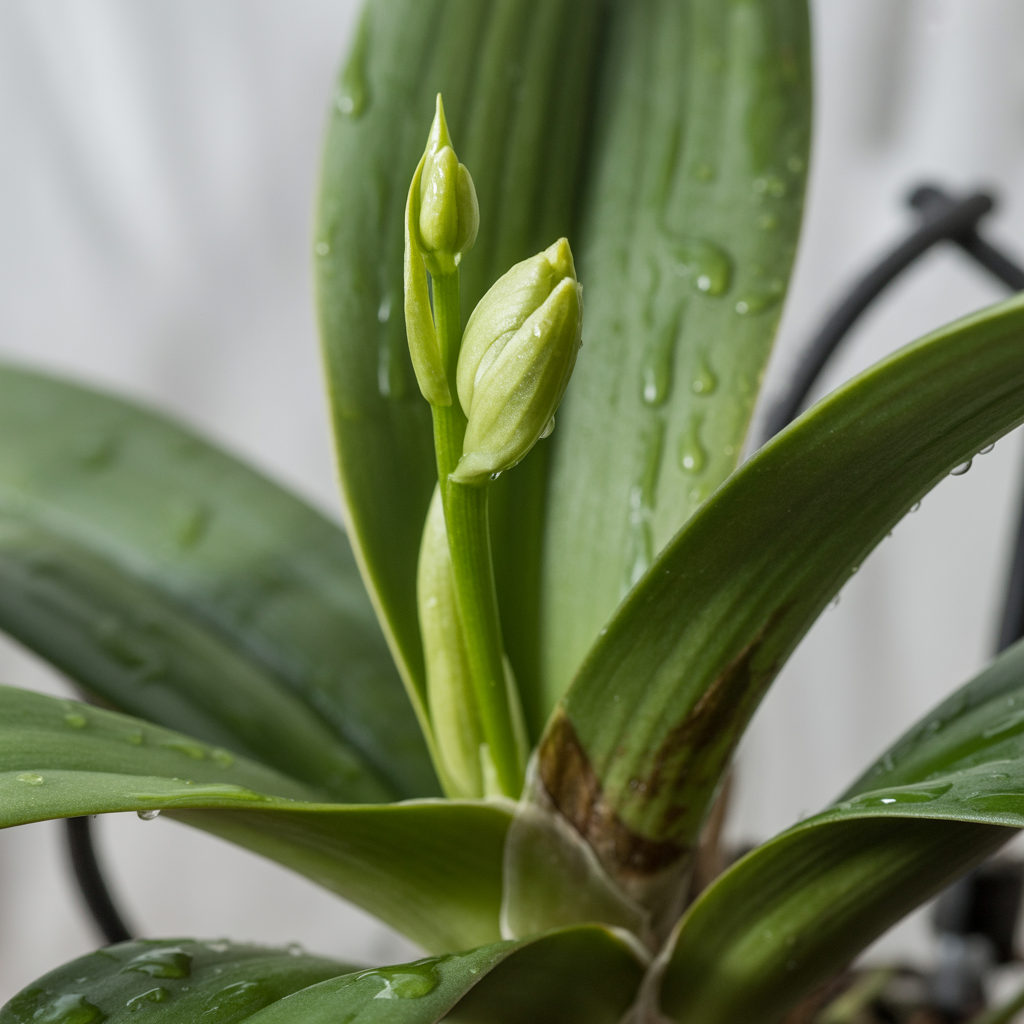
The first sign of reblooming is not a flower, but a spike.
A spike emerges from the base of the plant and grows upward, often with a distinct shape compared to roots. This stage indicates that the plant has received the correct signals.
Leaves may also appear stronger and more structured, reflecting improved internal balance.
How Long It Really Takes to Bloom Again
Reblooming is not immediate. Most orchids require several months to rebuild energy and respond to environmental triggers.
The timeline depends on light quality, temperature variation, and root health.
Patience is important because the process is gradual and cumulative rather than sudden.
Common Reasons Orchids Stay Stuck Without Blooming
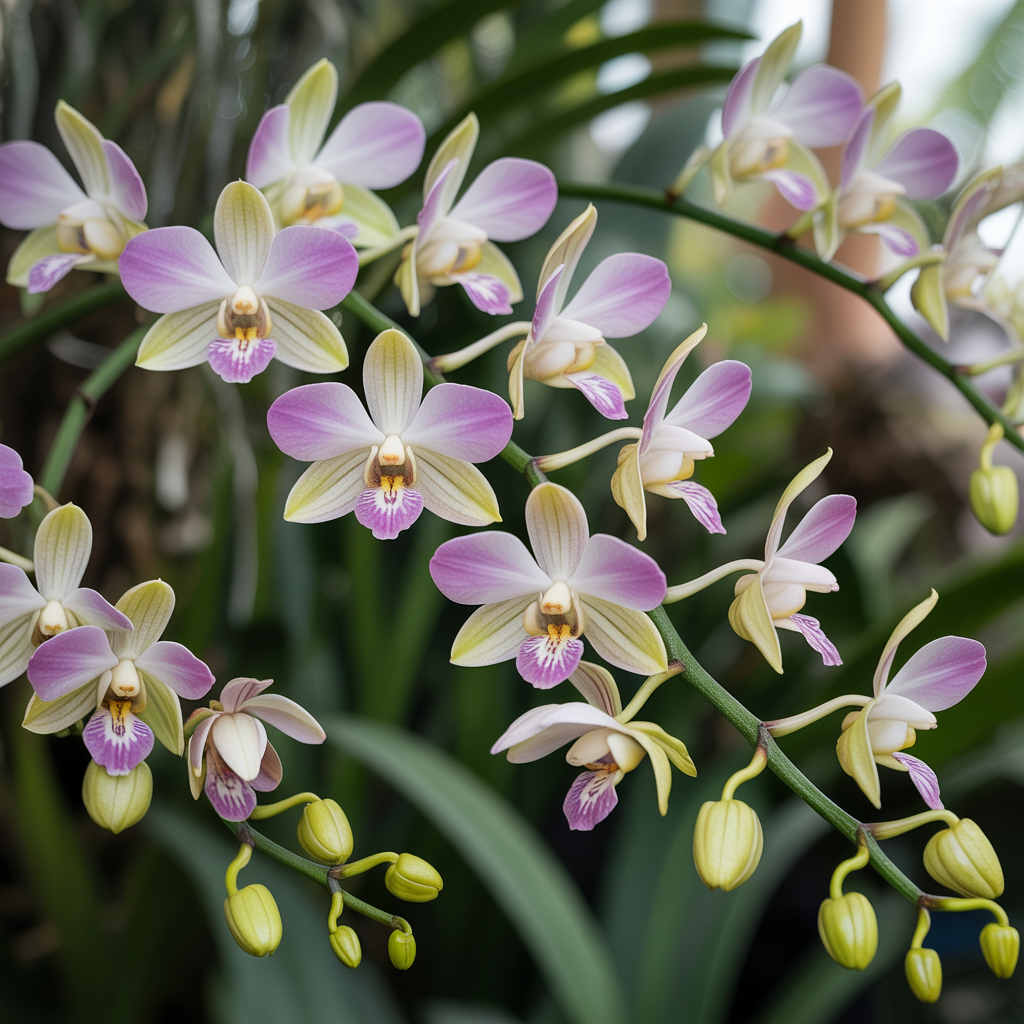
Low light is one of the most frequent causes.
Stable temperatures without variation remove a key trigger. Overwatering can weaken roots and reduce the plant’s ability to support flowering.
In many cases, these factors work together, which is why correcting only one issue may not produce immediate results.
How to Build a Repeatable Bloom Cycle
Once an orchid blooms again, the goal becomes consistency.
Providing strong light, allowing recovery after each bloom, and maintaining seasonal variation creates a predictable cycle. The plant begins to respond in a more regular pattern over time.
This approach transforms blooming from a rare event into a repeatable process.
Connecting Orchid Care to Overall Plant Strategy
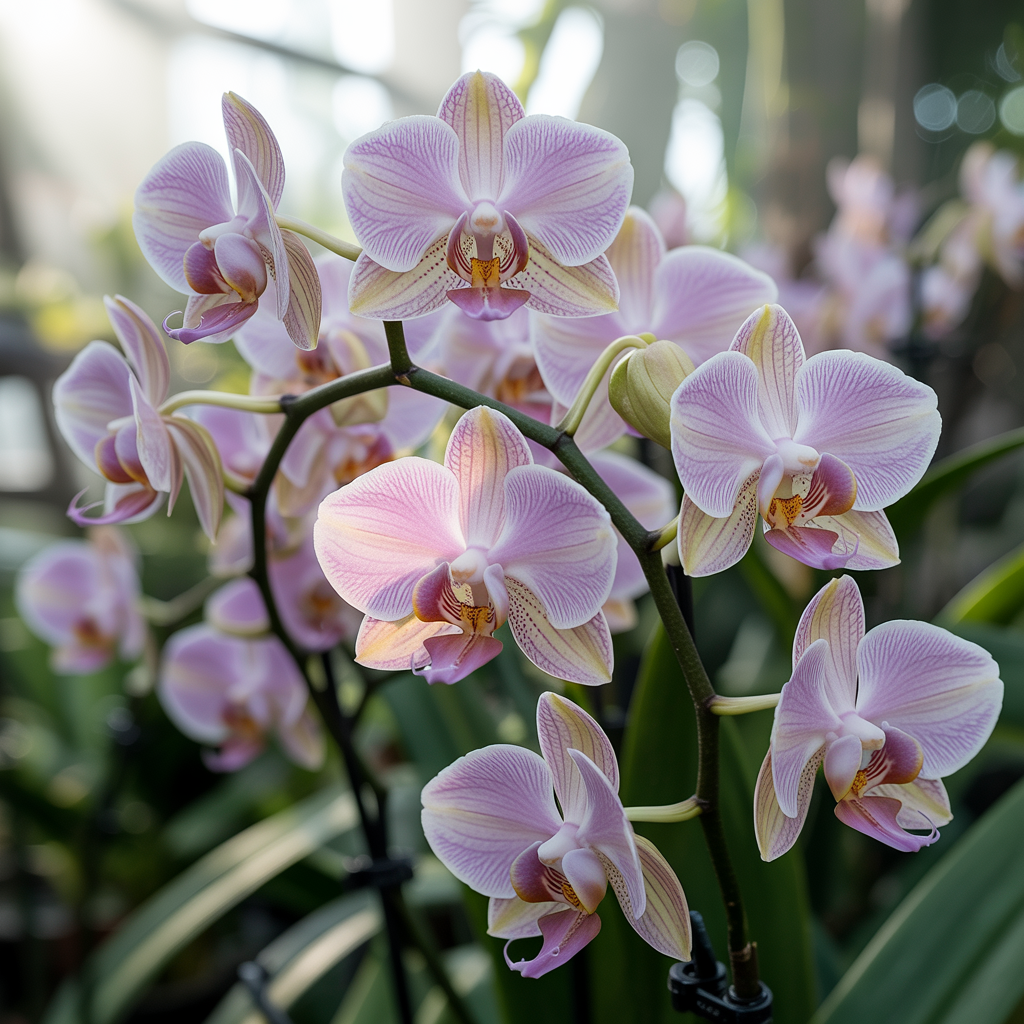
Orchid behavior reflects a broader principle in indoor plant care.
Plants do not respond to isolated actions. They respond to systems. Light, water, temperature, and root health must work together to produce results.
For a deeper understanding of how these factors interact across different plants, see complete indoor plant care guide for beginners, where these relationships are explained in more detail.
Frequently Asked Questions
Why does my orchid stop blooming after the first flowers fall?
This usually happens because the plant does not receive the environmental triggers needed for reblooming.
How can I make my orchid bloom again?
Improving light, introducing temperature variation, and supporting root health can encourage flowering.
How long does it take for orchids to rebloom?
It often takes several months depending on conditions.
Should I cut the flower spike after blooming?
In many cases, removing old spikes helps redirect energy toward new growth.
Is it normal for orchids not to bloom every year?
Yes, especially when indoor conditions do not provide strong enough signals.
Final Thoughts
An orchid that stops blooming is not failing. It is responding to conditions that support stability but not reproduction.
Once light, temperature variation, and internal energy align, the plant naturally shifts back into flowering. This process cannot be forced, but it can be guided.
With consistent conditions and a clear understanding of how orchids respond to their environment, blooming becomes predictable rather than uncertain.