Why Your Spider Plant Looks Healthy But Isn’t Growing (What’s Really Happening)
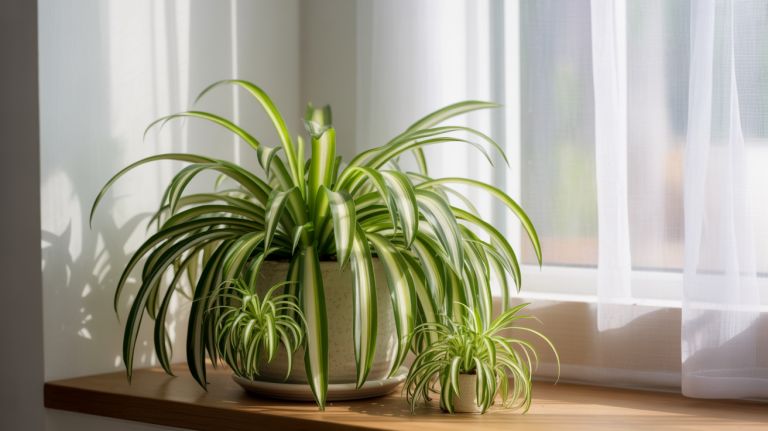
You can look at your spider plant and feel like everything is fine. The leaves are green, nothing is wilting, and there are no obvious signs of damage, yet weeks pass without any real change.
That “stuck” feeling usually means the plant has settled into a holding pattern. It is not struggling enough to decline, but it is also not receiving enough support to move forward.
In simple terms, the plant is maintaining what it already has instead of building anything new.
What Growth Actually Depends On
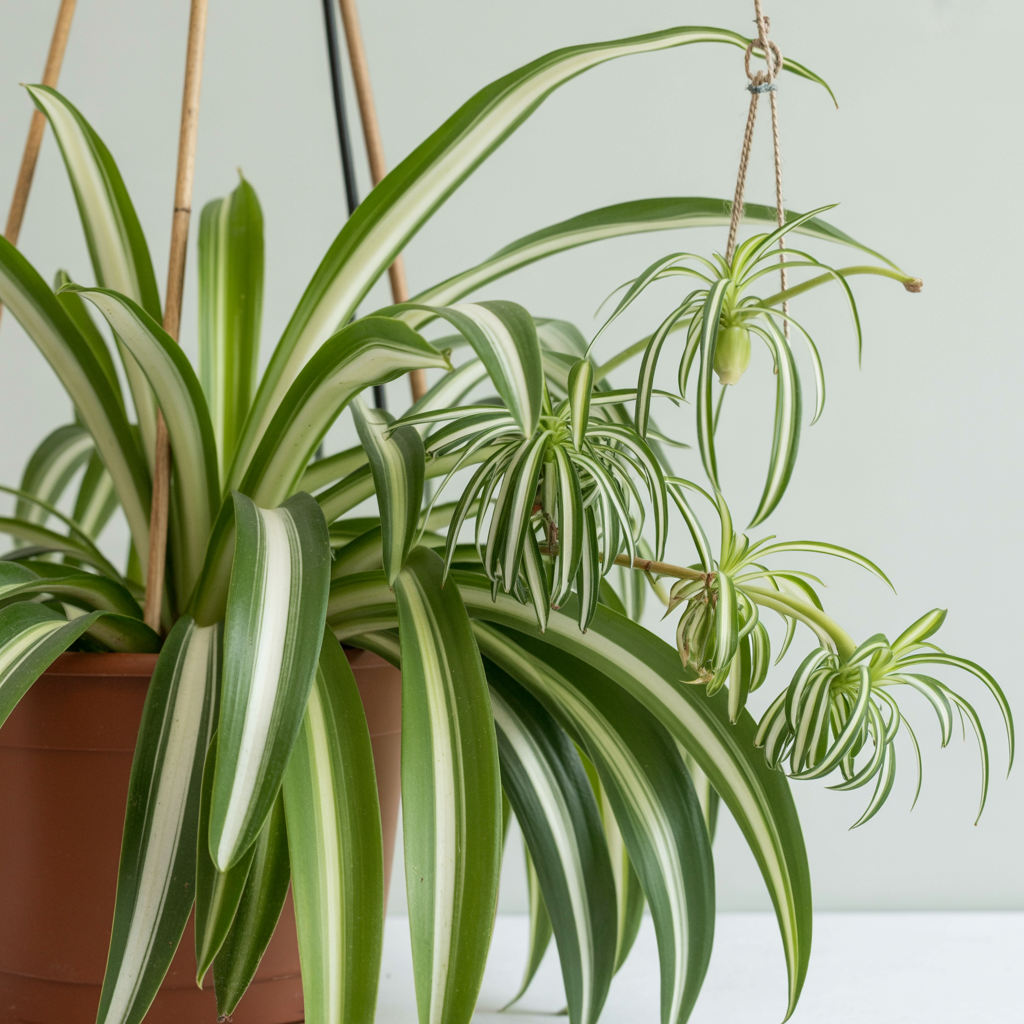
Growth does not happen just because a plant is alive. A spider plant needs extra energy, not just enough to survive.
That extra energy comes from light, root activity, and how efficiently water moves through the system.
If one of those factors is slightly limited, the plant quietly shifts into maintenance mode. It stays green, but it stops expanding.
Where Growth Gets Blocked Even When Nothing Looks Wrong
Light That Is “Okay” But Not Productive
You might be keeping the plant in a spot where it looks good, but that does not mean it is growing well.
Spider plants tolerate lower light, which makes them seem easy, but growth requires a higher level of energy input. In dimmer areas, the plant uses what it has just to hold its current shape.
The difference between survival light and growth light is subtle, but it completely changes how the plant behaves over time.
Roots That Have Nowhere Left to Go
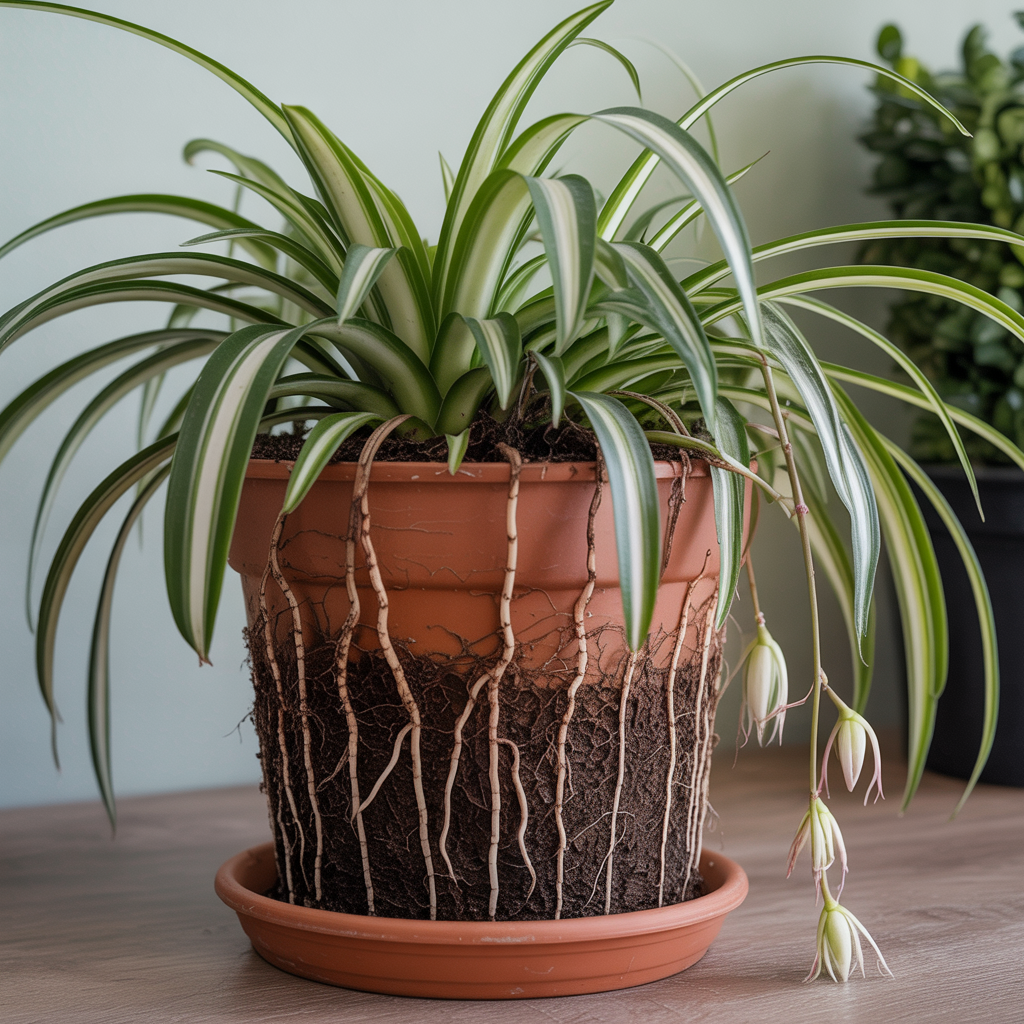
A plant that has filled its pot often stops pushing for new growth.
The roots begin circling or compacting, which limits how effectively they can absorb water and nutrients. Even if watering is correct, the system becomes less efficient.
At that point, the plant stabilizes instead of expanding, because it has no physical space to support new development.
Water Reaching the Plant Unevenly
Watering regularly does not always mean watering effectively.
If water only reaches part of the root system, the plant cannot maintain a consistent internal balance. Some roots stay active while others remain underutilized.
This uneven support often leads to a plant that looks fine but does not produce new leaves.
Soil That Quietly Degrades Over Time
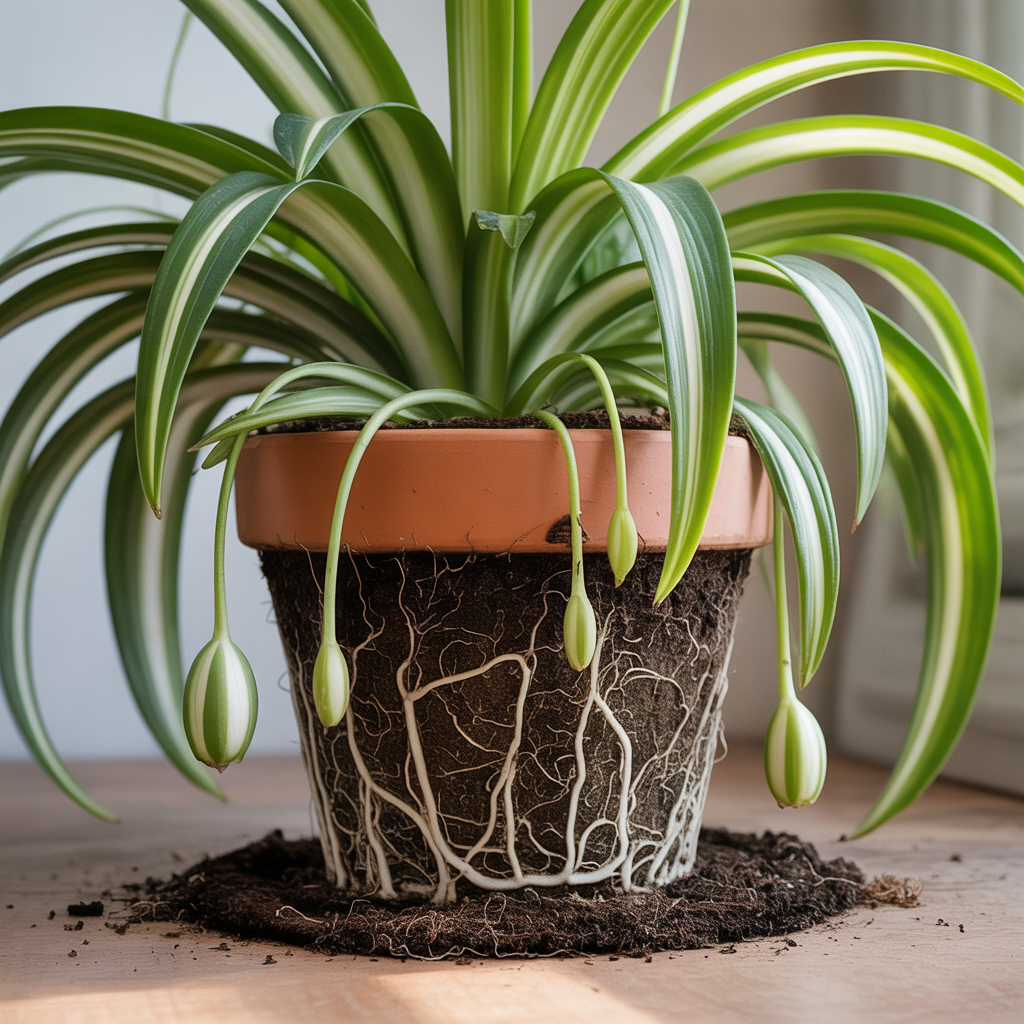
Soil is not static. It changes structure as you water and as organic components break down.
What once drained well can slowly become dense, holding water in some areas while drying out in others. This creates a mismatch between moisture and airflow.
When that happens, roots do not perform at full capacity, and growth slows without obvious warning signs.
Nutrients That Are Just Enough to Maintain, Not Expand
A spider plant does not need heavy feeding, but it still needs access to basic nutrients.
If the soil has been used for a long time without refreshment, the plant may be operating on limited resources. It keeps existing leaves alive but does not invest in new growth.
This is why the plant looks stable but unchanged.
How to Restart Growth Without Overcorrecting
1. Shift the Plant Into Better Light, Gradually
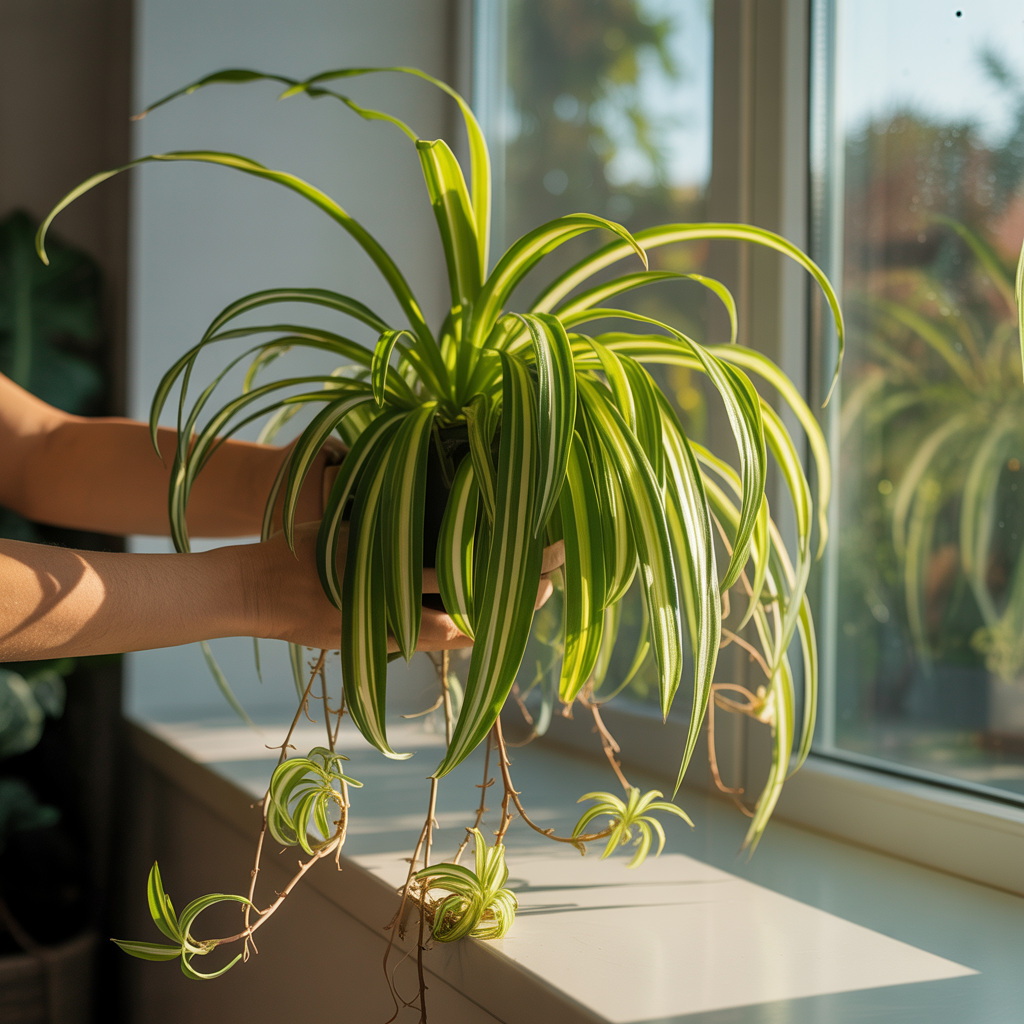
You do not need to move the plant into direct sun, but you do need to increase light quality.
A position closer to a window with consistent indirect light gives the plant more energy to work with. The key is gradual adjustment, so the leaves do not become stressed.
When light improves, growth often follows quietly rather than dramatically.
2. Give the Roots a Reason to Expand Again
You should check whether the roots have filled the pot.
If they have, moving the plant into a slightly larger container allows the roots to spread. That expansion often triggers new leaf growth because the plant now has room to support it.
The change does not need to be large. Even a small increase in space can shift the plant out of maintenance mode.
3. Rethink How Water Moves Through the Soil
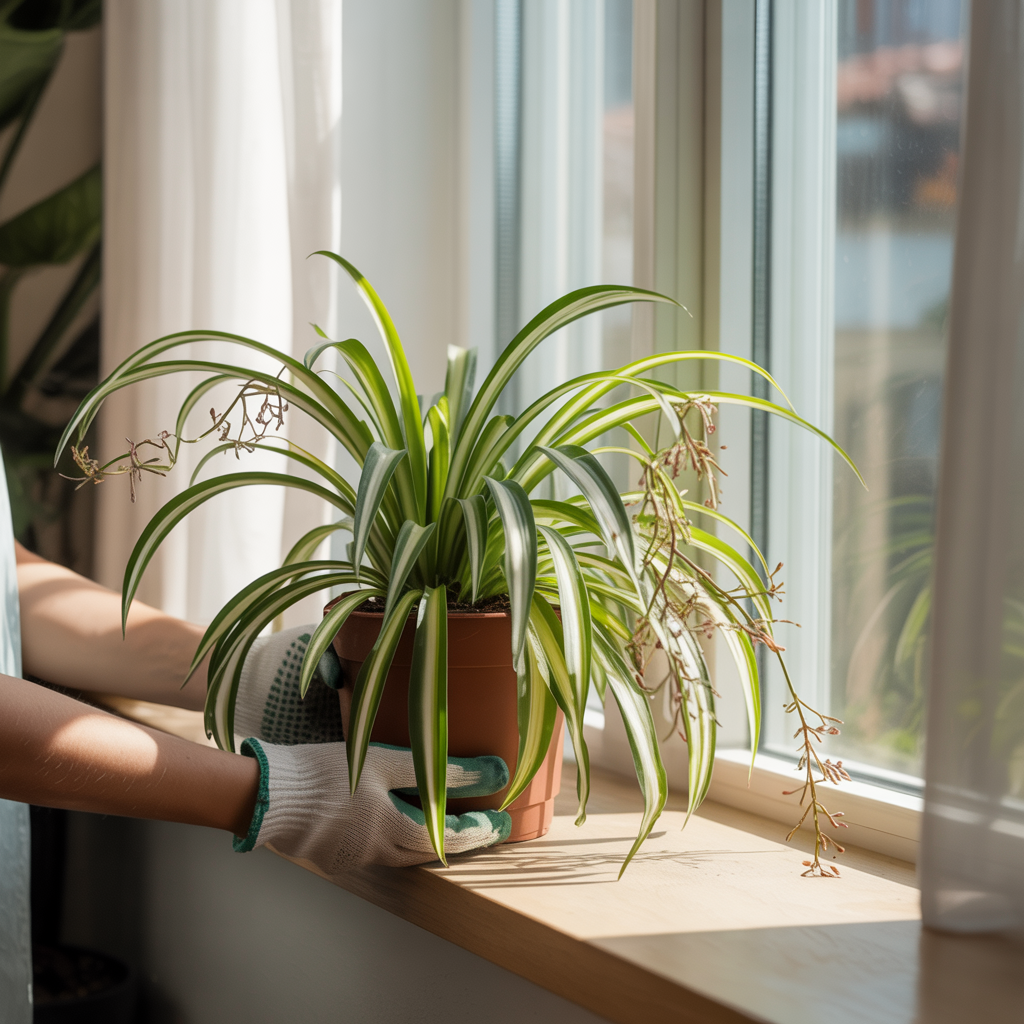
You should focus less on how often you water and more on how water distributes.
A full, deep watering ensures that all roots are involved, while proper drainage prevents excess buildup. This creates a more stable internal environment.
When water moves evenly, the plant can support consistent growth instead of fluctuating between stress states.
4. Replace Soil That No Longer Supports the Plant
You may not notice soil problems immediately, but the plant does.
Fresh soil improves airflow, balances moisture, and restores the root environment. This change often leads to gradual but clear improvement in growth.
It is one of the most overlooked but effective adjustments you can make.
5. Add Light Feeding at the Right Time
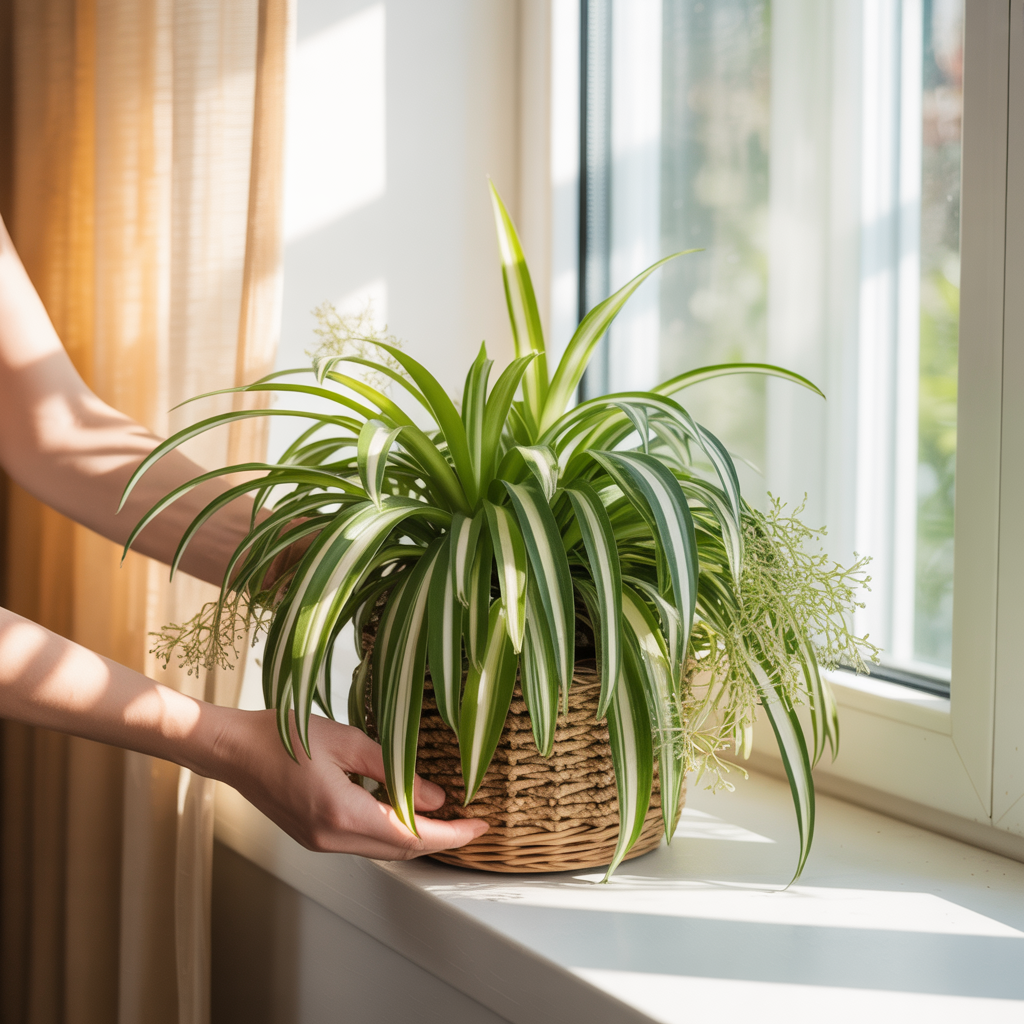
You should think of feeding as support, not stimulation.
A small amount of balanced nutrients during active growth gives the plant what it needs to build new leaves. Excess feeding is not helpful and can create imbalance.
When done correctly, feeding supports growth without forcing it.
6. Stop Changing Too Many Things at Once
It is natural to want quick results, but plants respond better to stability.
If you change light, watering, and soil all at once, the plant cannot adjust properly. It may take longer to respond because it is adapting instead of growing.
Consistency gives the plant a clear environment to work within.
How to Know Growth Has Actually Restarted
Growth does not begin with a dramatic change.
You will first notice small, tighter leaves emerging from the center. Over time, those leaves expand and become more frequent.
The plant starts using energy again instead of just holding onto what it already has.
What Most People Misinterpret
You may assume that a green plant is a thriving plant.
In reality, green leaves only mean that the plant is not in immediate stress. They do not guarantee active growth.
The difference between “healthy” and “growing” is subtle, but it comes down to energy availability and how efficiently the plant can use it.
Frequently Asked Questions
Why does my spider plant look fine but not grow?
The plant is likely maintaining balance rather than receiving enough energy to expand.
Does repotting always help?
It helps when roots are crowded, but it is not necessary if root space is still adequate.
Is fertilizer required for growth?
Light feeding can support growth, but it is not the primary factor.
How long before I see new leaves?
Most changes appear gradually within a few weeks after conditions improve.
Is slow growth normal?
Yes, especially in lower light or stable indoor environments.
Final Thoughts
A spider plant that is not growing is not failing. It is simply operating within limits that keep it stable but not expanding.
Once you shift those limits, even slightly, the plant begins to respond. Growth does not happen instantly, but it becomes consistent again.
The goal is not to push the plant harder. It is to remove the small constraints that have been holding it in place.