Why Spider Plant Leaves Turn Brown Even With Proper Care (Hidden Causes + Fixes That Work)
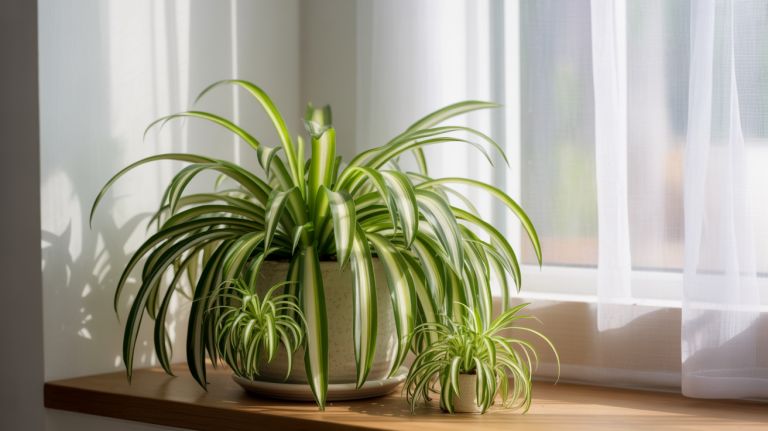
You may feel confident that your spider plant is receiving proper care, yet the leaves still develop brown tips or edges over time. The plant continues to grow, produces new shoots, and looks generally healthy, but the browning does not stop.
This situation often feels frustrating because nothing appears obviously wrong. You water regularly, place the plant in good light, and avoid major mistakes, yet the problem continues.
The reason usually lies in subtle imbalances rather than clear neglect. Spider plants are sensitive to how water, minerals, and air conditions interact, and even small inconsistencies can lead to visible leaf damage.
What Brown Tips Really Indicate
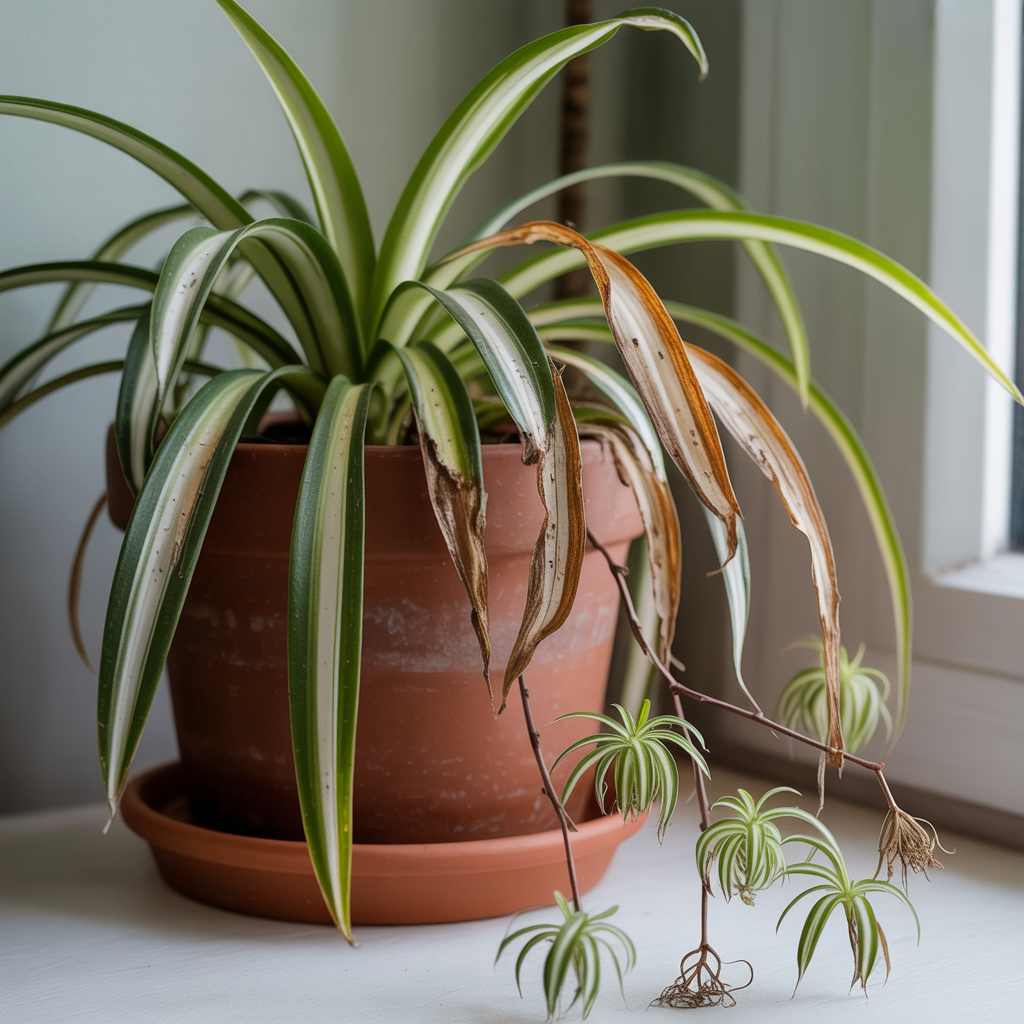
You can think of brown tips as a signal rather than a failure.
The edges of spider plant leaves lose moisture faster than the rest of the leaf. When the plant cannot maintain stable hydration at those edges, the tissue begins to dry out and turn brown.
This does not always mean the plant is unhealthy overall. It often means that one part of its care routine is slightly out of balance, even if everything else seems correct.
Why Brown Tips Happen Even With “Correct” Care
You may be doing the right things, but the plant responds to how those actions affect its internal balance.
Watering on time does not guarantee proper absorption. Good light does not fix poor humidity. Clean soil can still accumulate minerals over time.
These small mismatches build gradually, which is why the plant looks fine at first and then slowly develops brown tips.
The Hidden Causes Most People Miss
1. Mineral Buildup From Tap Water
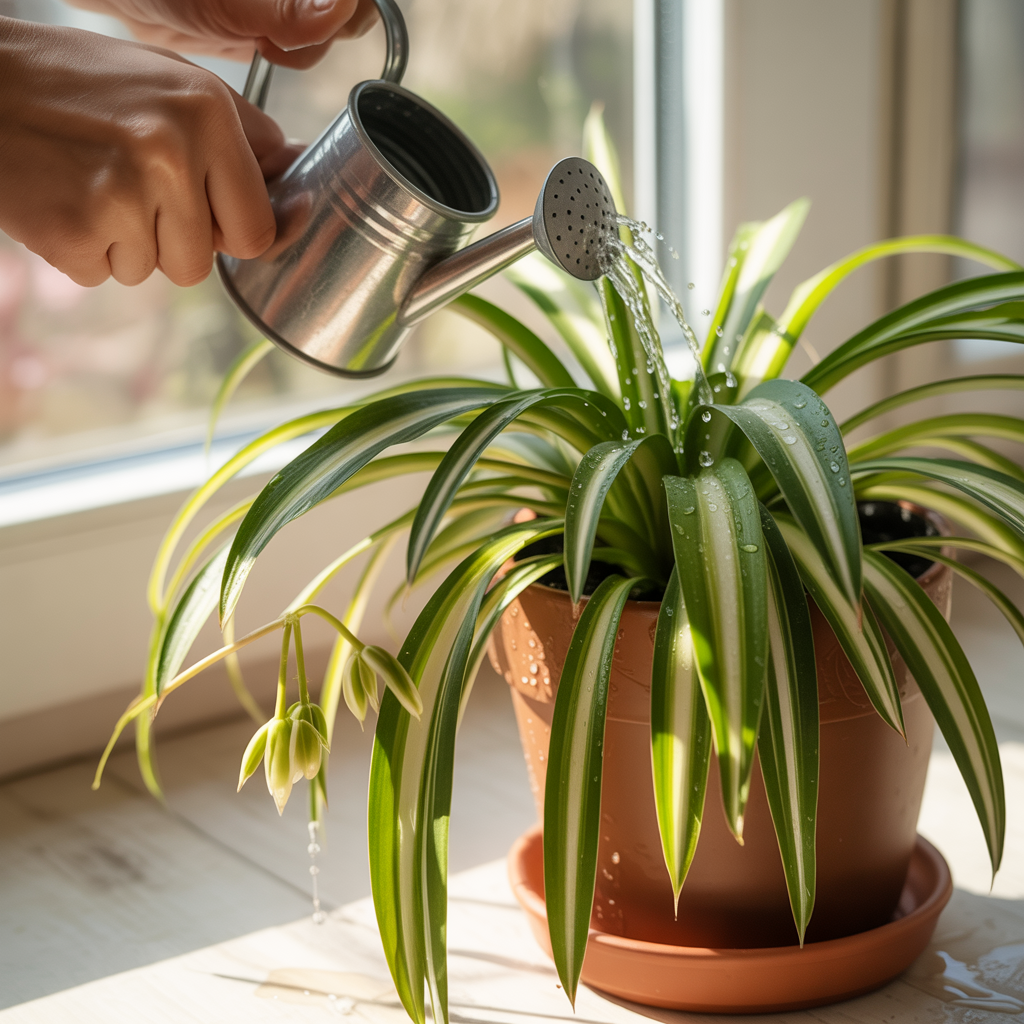
You may be watering correctly, but the water itself can create long-term issues.
Tap water often contains minerals such as fluoride or chlorine. Over time, these minerals accumulate in the soil and affect how roots absorb water.
The plant may still grow normally, but the leaf tips become the first place where stress appears.
2. Inconsistent Moisture at the Root Level
You may be watering regularly, but the soil may not be holding moisture evenly.
The top layer can dry quickly while deeper areas remain wet, or the opposite may happen depending on soil condition. This creates instability in how water reaches the roots.
As a result, the plant cannot maintain consistent hydration, and the tips begin to brown.
3. Dry Indoor Air
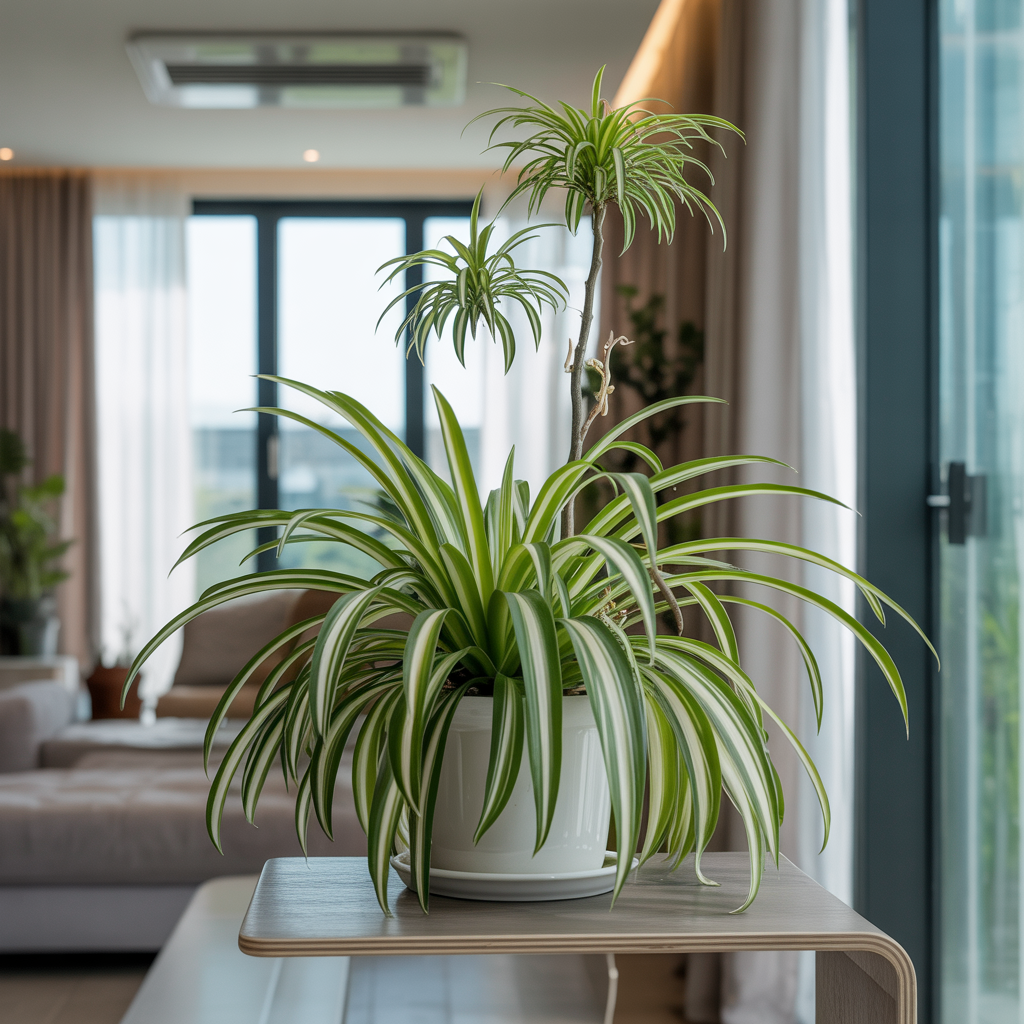
Spider plants tolerate a range of conditions, but dry air affects them more than many people expect.
When humidity is low, moisture leaves the plant faster than it can be replaced. The tips of the leaves are the first areas to show this imbalance.
This is especially common in air-conditioned or heated indoor spaces.
4. Soil That No Longer Functions Well
Over time, soil changes.
It can become compacted, lose structure, or drain unevenly. Even if it looked suitable when first used, it may no longer support proper airflow and water movement.
This affects root efficiency and creates long-term stress that appears at the leaf tips.
5. Slight Overwatering That Weakens Roots
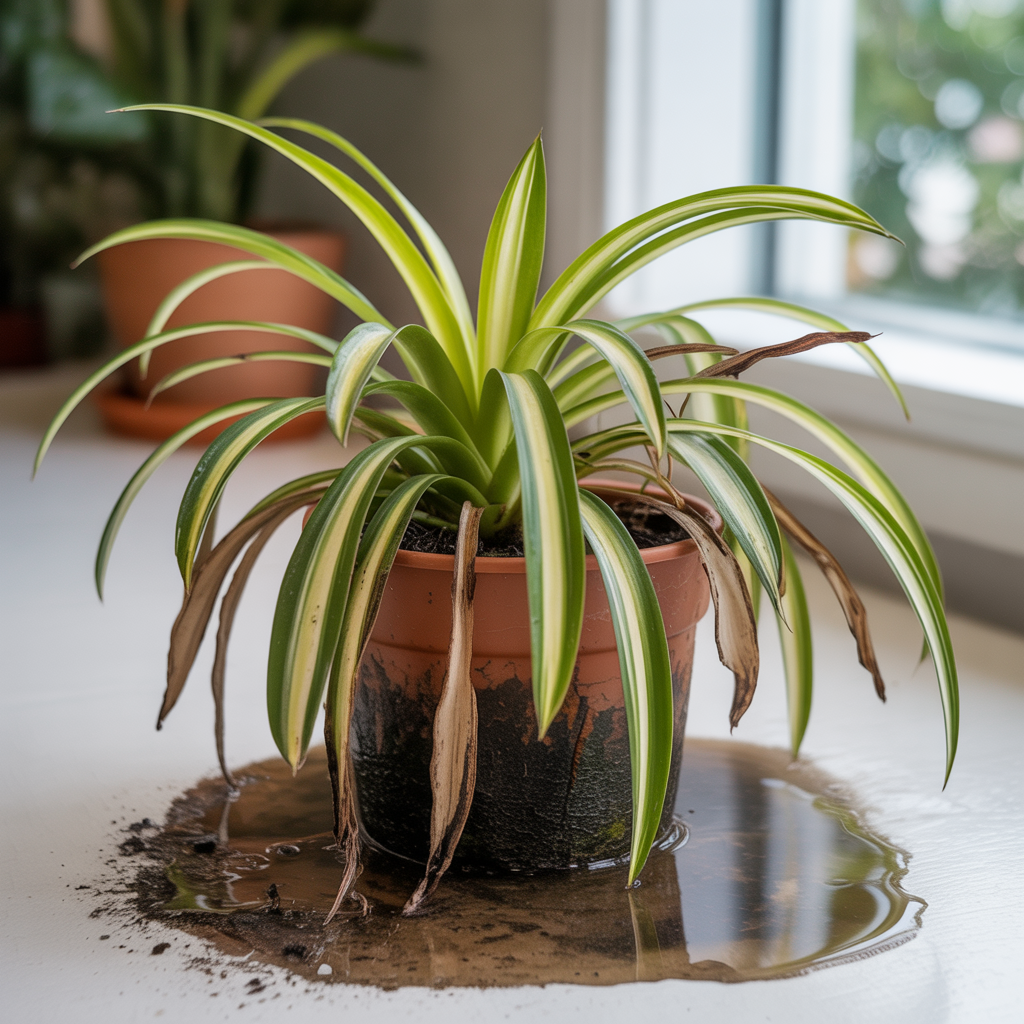
Overwatering does not always cause dramatic symptoms.
In many cases, it slowly reduces oxygen around the roots. The plant still survives, but root performance becomes less efficient.
This leads to subtle dehydration at the leaf edges, even though the soil appears moist.
How to Fix Brown Tips on Spider Plants (Practical Guide)
1. Adjust Watering Based on Soil Depth
You will see better results when watering is based on how the soil behaves rather than a fixed schedule.
The surface may look dry while deeper layers remain moist, so checking deeper helps you understand the true condition.
You should water when the soil begins to lose moisture evenly, which helps maintain consistent hydration.
2. Switch to Cleaner Water Sources
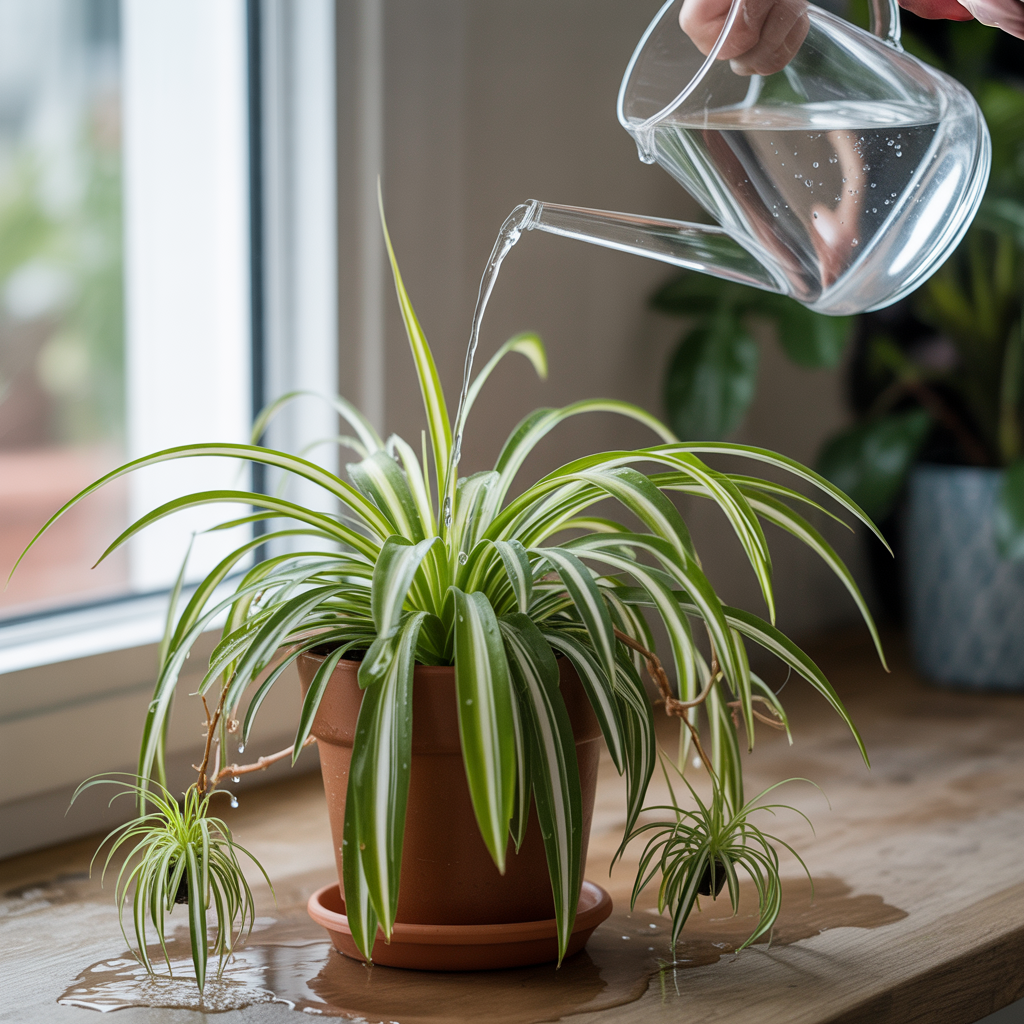
You can reduce mineral buildup by changing the type of water you use.
Filtered water or water that has been left to sit can lower the amount of chemicals reaching the soil.
Over time, this helps the plant absorb water more efficiently and reduces stress at the leaf tips.
3. Flush the Soil Periodically
You may not notice mineral buildup directly, but it affects the plant gradually.
Running clean water through the soil occasionally helps remove excess minerals and resets the root environment.
This improves water movement and supports healthier leaf development.
4. Improve Air Moisture Around the Plant
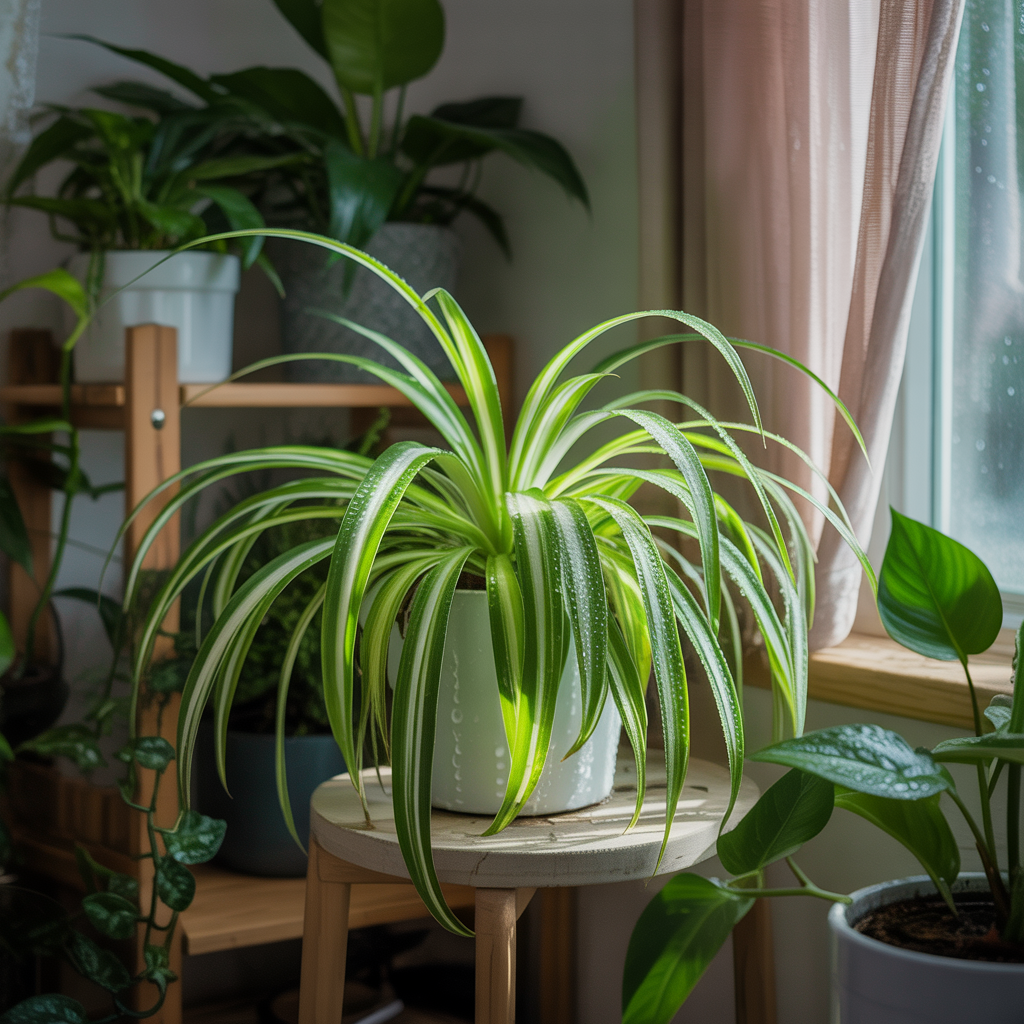
You can support better leaf hydration by slightly increasing humidity.
Placing the plant in a naturally more humid area or grouping plants together can help reduce moisture loss.
Even small changes in humidity can make a visible difference over time.
5. Refresh the Soil When Needed
You may notice that watering behavior changes over time, which often indicates soil degradation.
Replacing old soil with a well-draining mix restores airflow and improves how moisture moves through the pot.
This creates a more stable environment for the roots.
6. Water Deeply Instead of Lightly
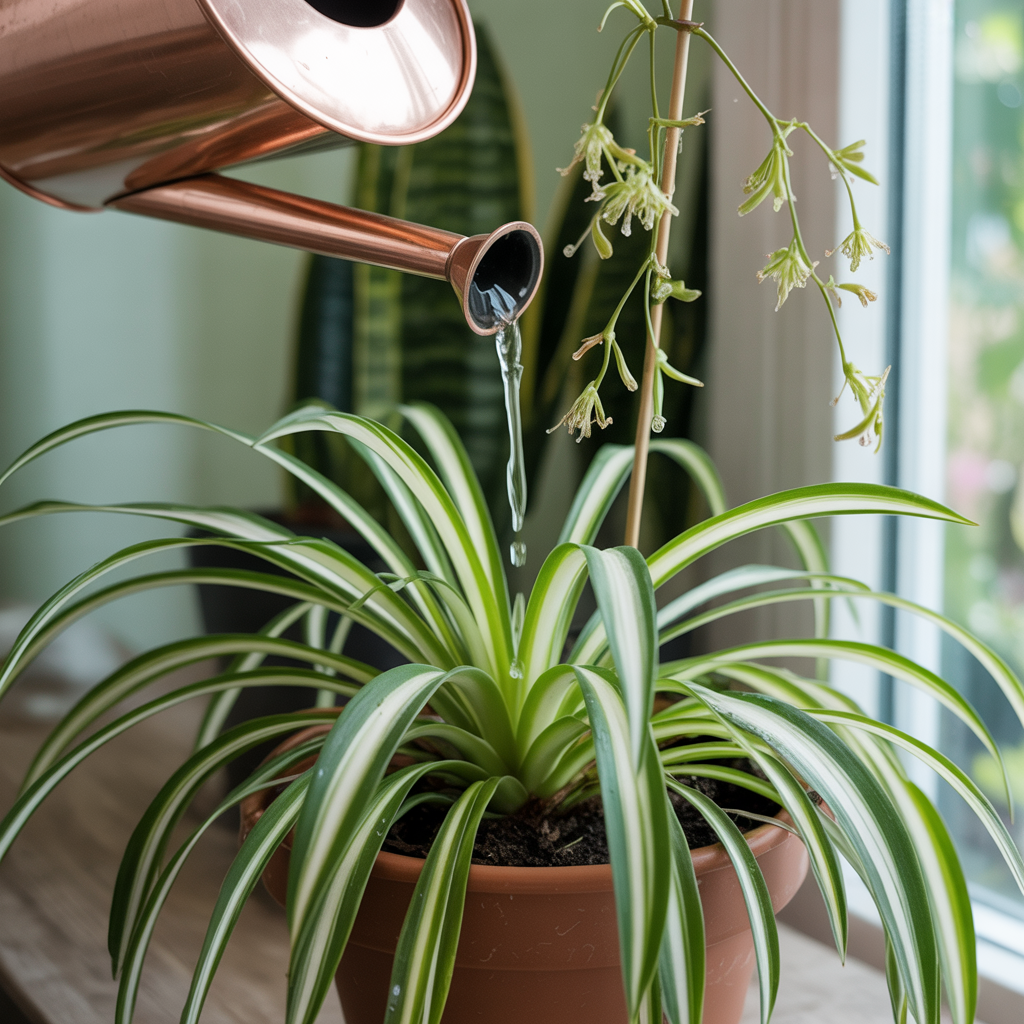
You may be watering often, but shallow watering does not reach the entire root system.
Deep watering ensures that moisture reaches all roots, which helps maintain consistent hydration throughout the plant.
Allow excess water to drain fully before returning the plant to its place.
7. Trim Brown Tips Carefully
You should not expect brown tips to recover, but you can improve the plant’s appearance.
Trimming along the natural shape of the leaf helps maintain a clean look without causing additional stress.
This also prevents the damage from spreading further along the leaf.
How to Prevent Brown Tips From Returning
You will prevent most issues by focusing on consistency rather than perfection.
Watering should match how the soil behaves, not a fixed schedule. The environment should remain stable, and small changes should be made gradually.
Understanding how these factors work together becomes easier when you explore complete indoor plant care guide for beginners, where the balance between light, water, and soil is explained in more detail.
How to Tell If Your Plant Is Improving
You should focus on new growth rather than old damage.
New leaves should appear clean, firm, and free from browning. The plant will also look more stable and respond more predictably to watering.
These changes indicate that internal balance is improving.
Frequently Asked Questions
Why do spider plant tips turn brown even with proper care
This usually happens due to mineral buildup, uneven watering, or low humidity rather than obvious mistakes.
Can brown tips turn green again?
No, damaged tissue does not recover, but new growth can be healthy.
Should I cut off brown tips?
Yes, trimming improves appearance and helps maintain the plant’s structure.
Is tap water causing the problem?
It can contribute over time due to mineral accumulation.
How long does it take to fix brown tips?
Improvement appears in new growth within a few weeks after adjustments are made.
Final Thoughts
You may feel that you are doing everything correctly, yet spider plants respond to details that are easy to overlook.
Brown tips are not a sign of failure. They are a signal that the plant is experiencing slight imbalance in how water and environment interact.
When you adjust care based on observation rather than routine, the plant becomes more stable, and new growth reflects that improvement over time.