Why Snake Plant Turns Yellow After Repotting
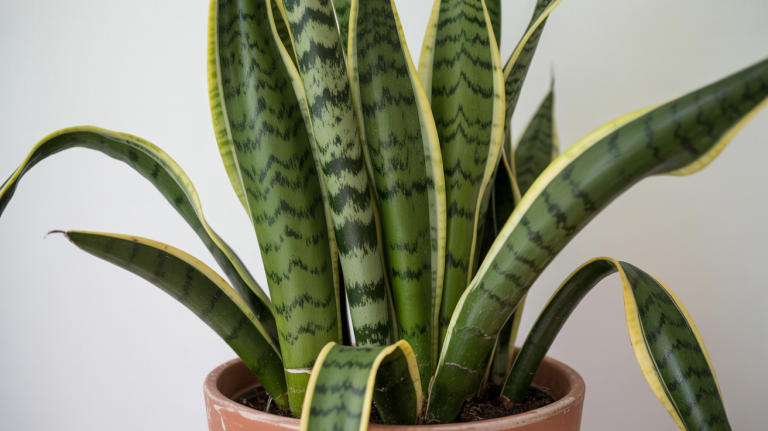
Repotting is usually done to support plant growth, yet it can sometimes lead to unexpected changes in appearance. A snake plant that looked healthy before repotting may begin to show yellow leaves shortly after being moved to a new container.
This change often raises concern because yellowing is commonly associated with plant stress or damage. However, in many cases, the issue is not caused by a single mistake, but by how the plant responds to a sudden shift in its environment.
When a snake plant is repotted, several conditions change at once, including soil composition, moisture levels, root space, and airflow. Even if each change seems beneficial, the combined effect can temporarily disrupt the plant’s balance.
Is Yellowing After Repotting Normal?
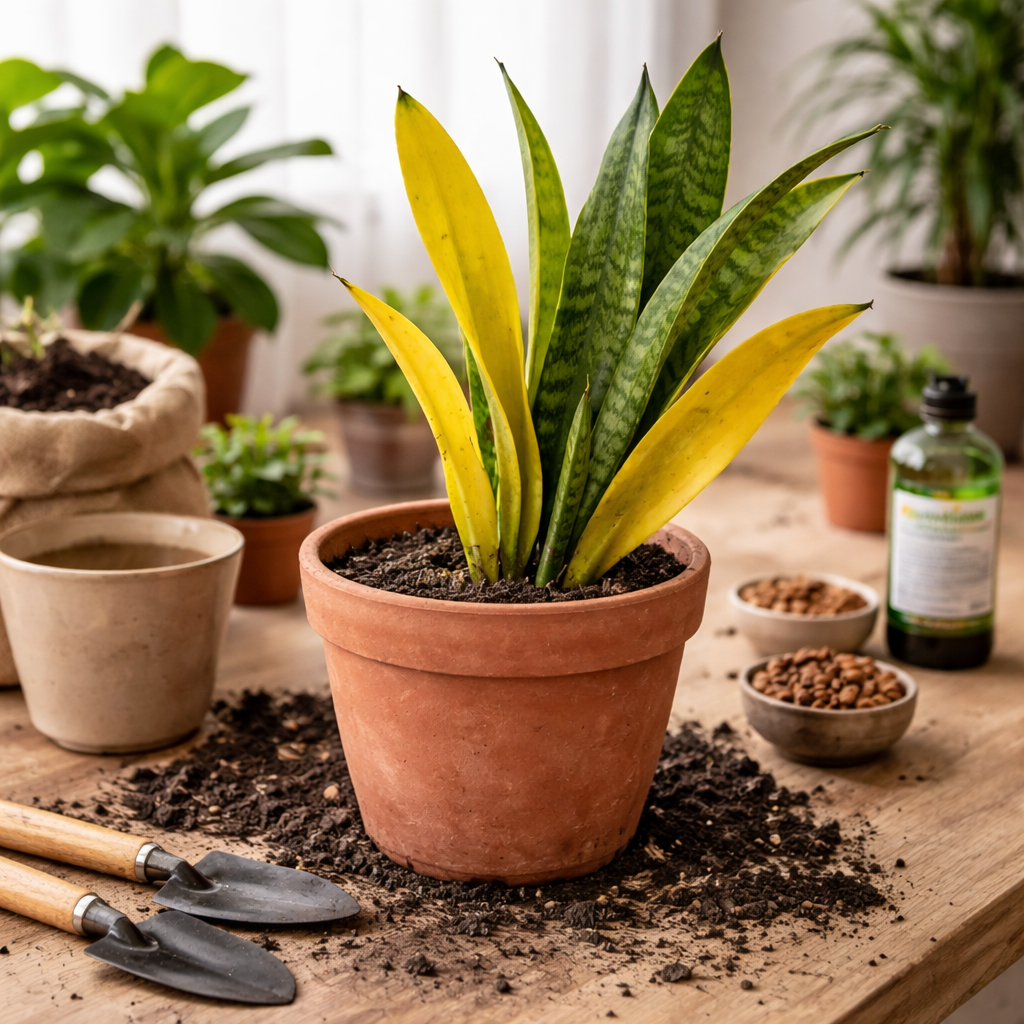
Some level of stress after repotting is normal, especially if the plant has been in the same pot for a long time. The roots need time to adjust to the new soil and environment.
During this adjustment period:
- Growth may slow down
- Leaves may show slight color changes
- The plant may appear less stable
Mild yellowing does not always indicate damage. However, if yellow leaves continue to increase or spread, it usually signals that something in the new setup is not balanced.
The Most Common Causes of Yellow Leaves After Repotting
1. Root Disturbance During Repotting
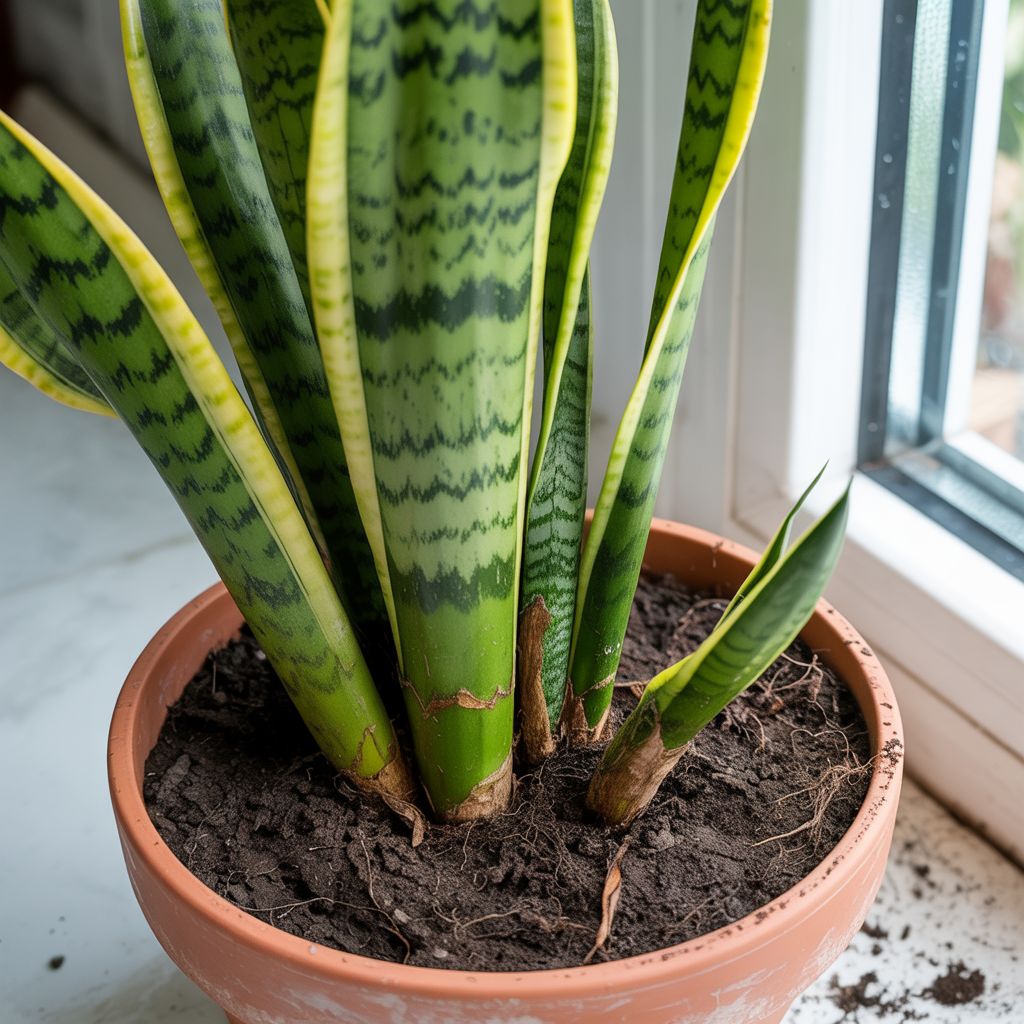
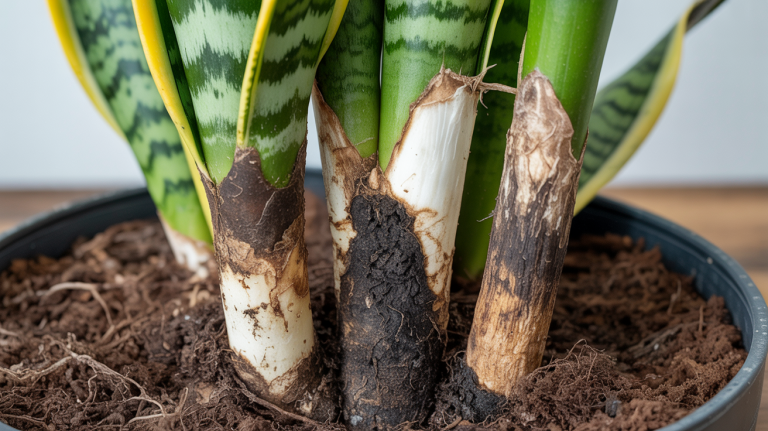
Snake plant roots are sensitive to disturbance. When roots are handled, loosened, or damaged during repotting, their ability to absorb water and nutrients may temporarily decrease.
This can lead to yellowing leaves because the plant is not receiving enough support from its roots.
How to Fix It
Avoid further disturbance and allow the plant time to recover. Keep conditions stable and avoid overwatering during this period.
👉 Related:
→ Why Snake Plant Leaves Are Bending or Falling Over
2. Overwatering in New Soil
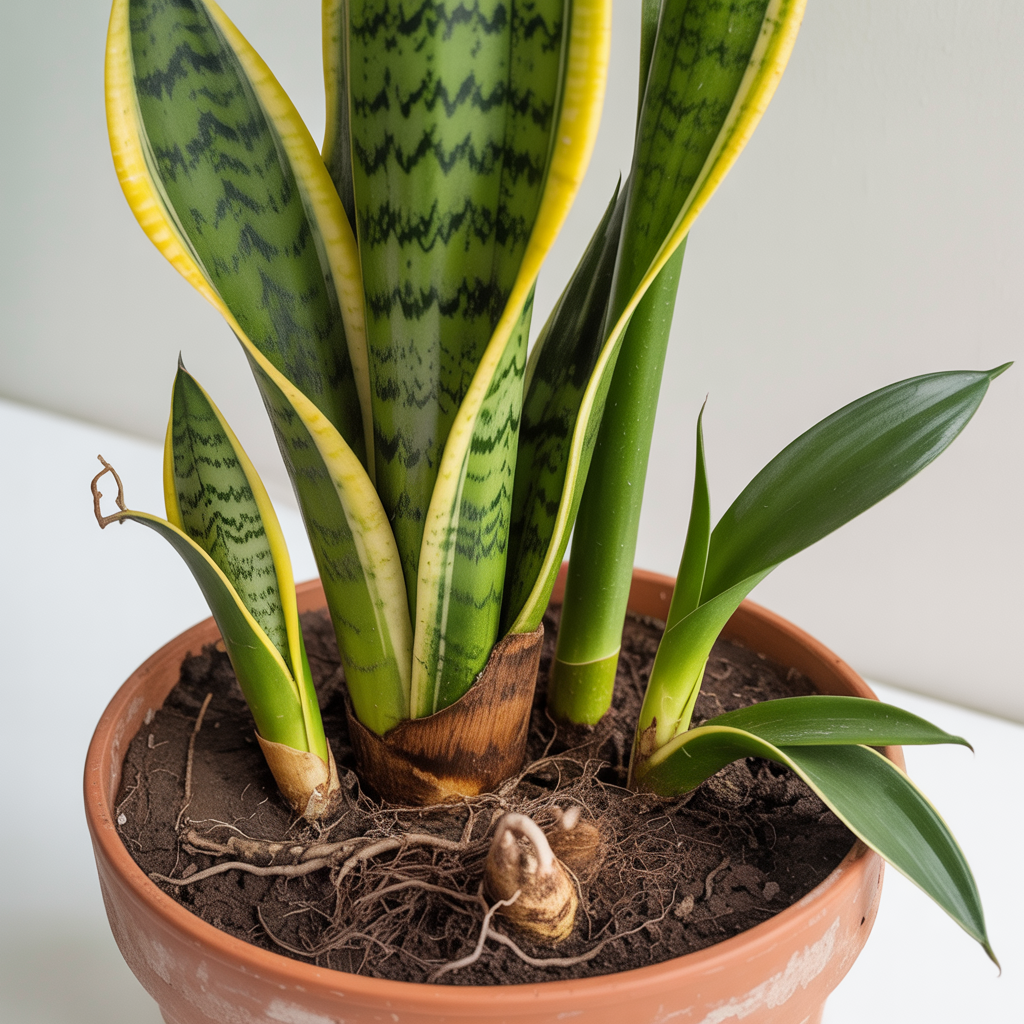
Fresh soil often retains moisture differently than old soil. After repotting, it is common to water the plant more frequently, which can lead to excess moisture around the roots.
Snake plants prefer dry conditions, and too much water can cause stress that appears as yellow leaves.
How to Fix It
Allow the soil to dry completely before watering again. Adjust watering habits based on how quickly the new soil dries.
👉 Related:
→ Why Snake Plant Roots Rot Even When Watering Seems Normal
3. Soil Type Is Not Suitable
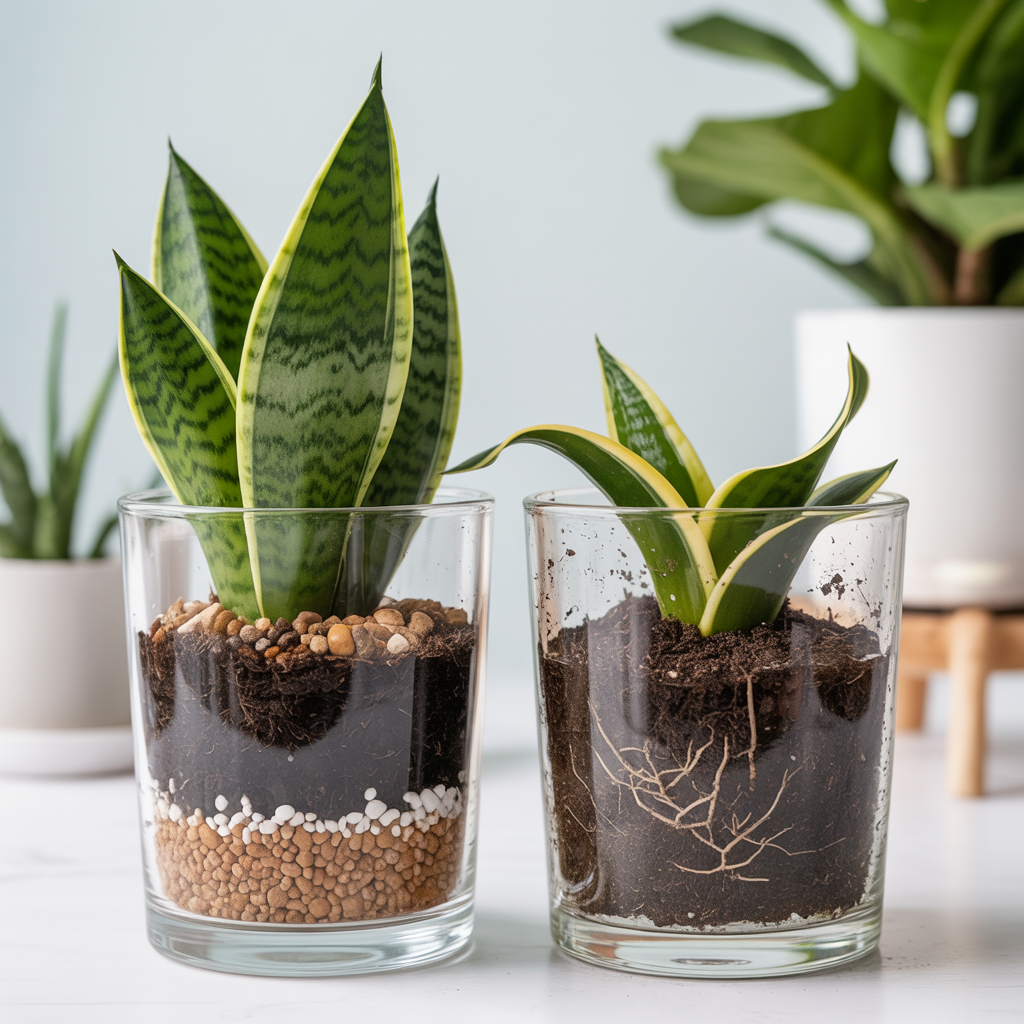
Not all soil mixes work well for snake plants. Soil that holds too much moisture can limit airflow around the roots, which affects their ability to function properly.
This often leads to gradual yellowing rather than immediate damage.
How to Fix It
Use well-draining soil that allows excess water to flow through easily. A mix designed for indoor plants with good drainage works best.
4. Sudden Change in Environment
Repotting often involves moving the plant to a different location. Changes in light, temperature, or airflow can add stress to an already sensitive situation.
Even small environmental shifts can affect how the plant responds.
How to Fix It
Keep the plant in a stable location with consistent light and temperature. Avoid moving it frequently during the recovery period.
5. Pot Size Is Too Large
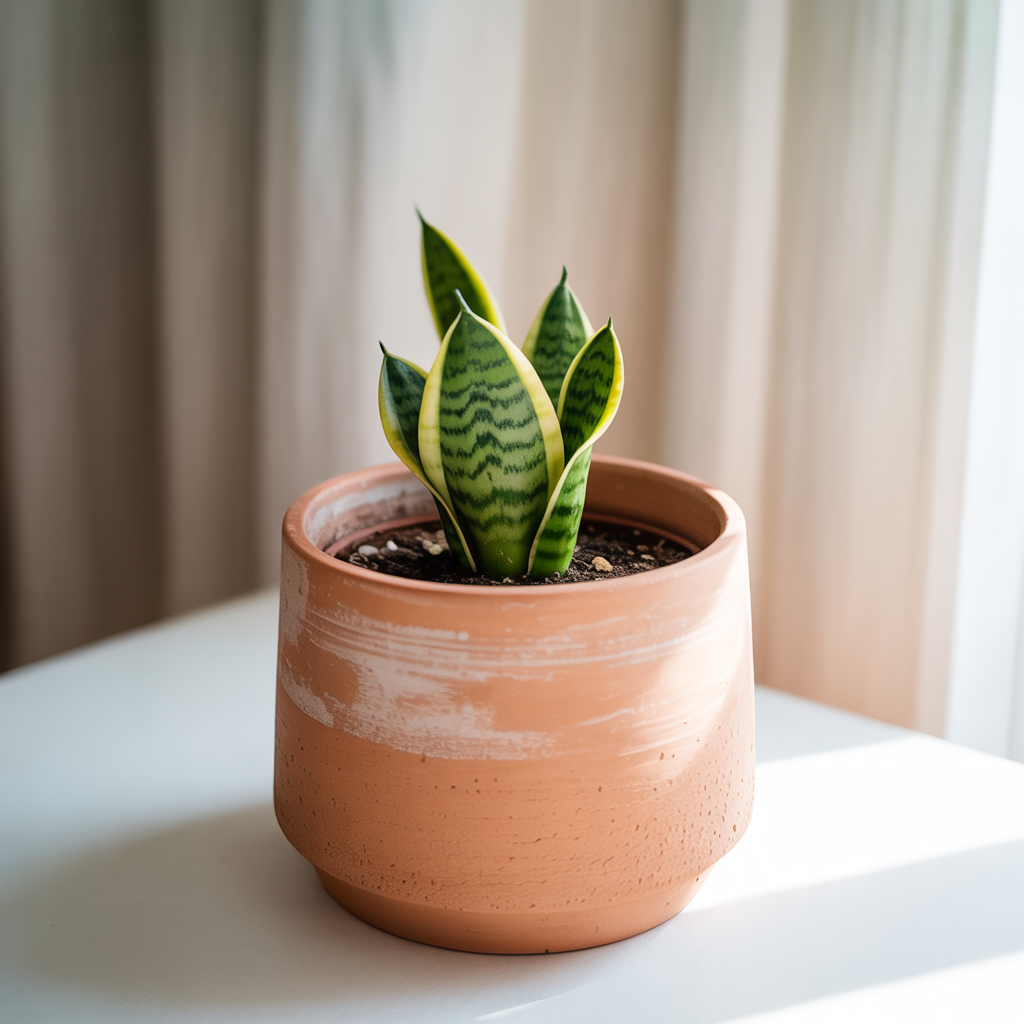
Choosing a pot that is significantly larger than the previous one can lead to excess moisture retention. The roots may not be able to absorb water quickly enough, which creates imbalance.
This can cause yellowing even when watering seems appropriate.
How to Fix It
Use a pot that is only slightly larger than the previous one. This allows the roots to expand gradually without being overwhelmed.
6. Natural Adjustment Period
In some cases, yellowing is part of the plant’s natural response to change. Older leaves may turn yellow as the plant redirects energy toward root adjustment and new growth.
How to Fix It
Monitor the plant over time. If new growth appears healthy, occasional yellowing may not be a concern.
How to Help Your Snake Plant Recover After Repotting
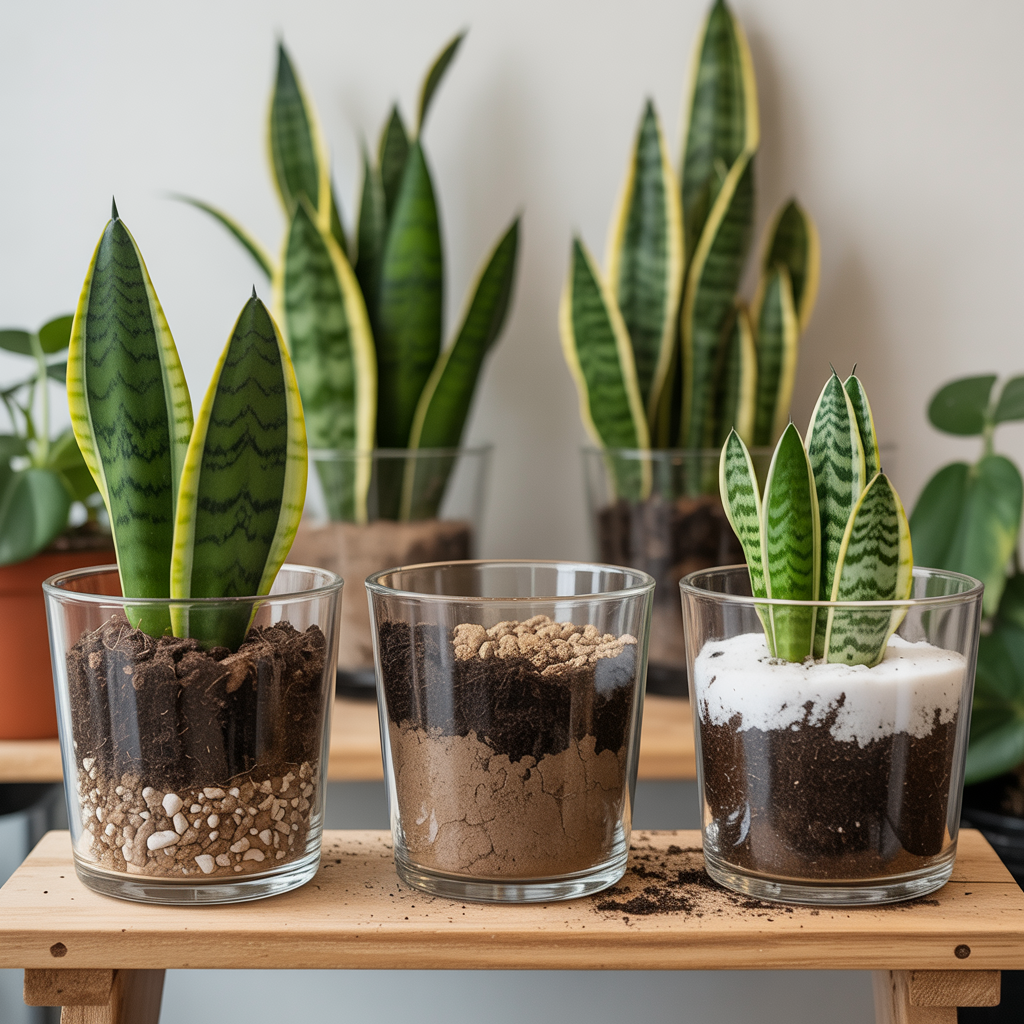
Recovery requires stability rather than frequent changes.
First, ensure that the plant receives consistent, indirect light. Next, adjust watering so that the soil dries between sessions. Avoid fertilizing immediately after repotting, as this can create additional stress.
It is also important to give the plant time to adapt. Most snake plants recover gradually when conditions remain stable.
👉 For broader growth issues:
→ Why Indoor Plants Stop Growing Suddenly
Common Mistakes After Repotting
Many problems become worse due to well-intentioned actions.
Watering too often in an attempt to “help” the plant can increase stress. Moving the plant repeatedly can delay adaptation. Adding fertilizer too soon may overwhelm the roots.
A simple and consistent approach is more effective.
How Long Does Recovery Take?
Recovery time varies depending on the plant and the extent of the change. In most cases, improvement becomes visible within a few weeks.
New growth is a positive sign that the plant has adjusted. Older yellow leaves may not recover, but they do not necessarily indicate ongoing problems.
Related Indoor Plant Issues
Repotting stress can affect many indoor plants, not just snake plants.
👉 Explore:
- Why Indoor Plants Stop Growing Suddenly
- Common Indoor Plant Mistakes That Slow Down Growth
- How to Build a Simple Indoor Plant Care Routine
Understanding these patterns helps prevent similar issues in the future.
Frequently Asked Questions
Why did my snake plant turn yellow after repotting?
Yellowing often occurs due to root disturbance, overwatering, or changes in soil and environment after repotting.
Should yellow leaves be removed?
Yellow leaves can be trimmed if they are fully damaged, but they can also be left until the plant stabilizes.
How often should you water after repotting?
Watering should be reduced and based on soil dryness, as new soil may retain more moisture.
Can a snake plant recover from repotting stress?
Yes, most snake plants recover when care remains consistent and balanced.
Is it normal for growth to slow after repotting?
Yes, plants often pause growth temporarily while roots adjust to new conditions.
Final Thoughts
Yellow leaves after repotting are usually a temporary response rather than a permanent problem. In most cases, the plant is adjusting to new conditions rather than declining.
By focusing on stable care, proper watering, and suitable soil, it becomes easier to support recovery and encourage new growth over time. Patience and consistency are the most effective tools during this process.