Why Snake Plant Leaves Are Bending or Falling Over (Causes + Fixes)
Snake plant leaves are known for their strong, upright shape, which is why it becomes noticeable when they begin to bend, lean, or fall over. A plant that once looked structured and stable may suddenly appear uneven, with leaves tilting in different directions or collapsing outward.
This change can happen gradually or quite quickly, depending on the cause. In many cases, the plant still looks green and healthy, which makes the problem harder to understand. However, bending leaves are usually an early sign that something is affecting the plant’s structure rather than its color.
Understanding why this happens makes it easier to correct the issue before it leads to long-term damage. Most causes are related to light, watering habits, or root stability, and they can be adjusted with simple changes.
What Bending Leaves Actually Indicate
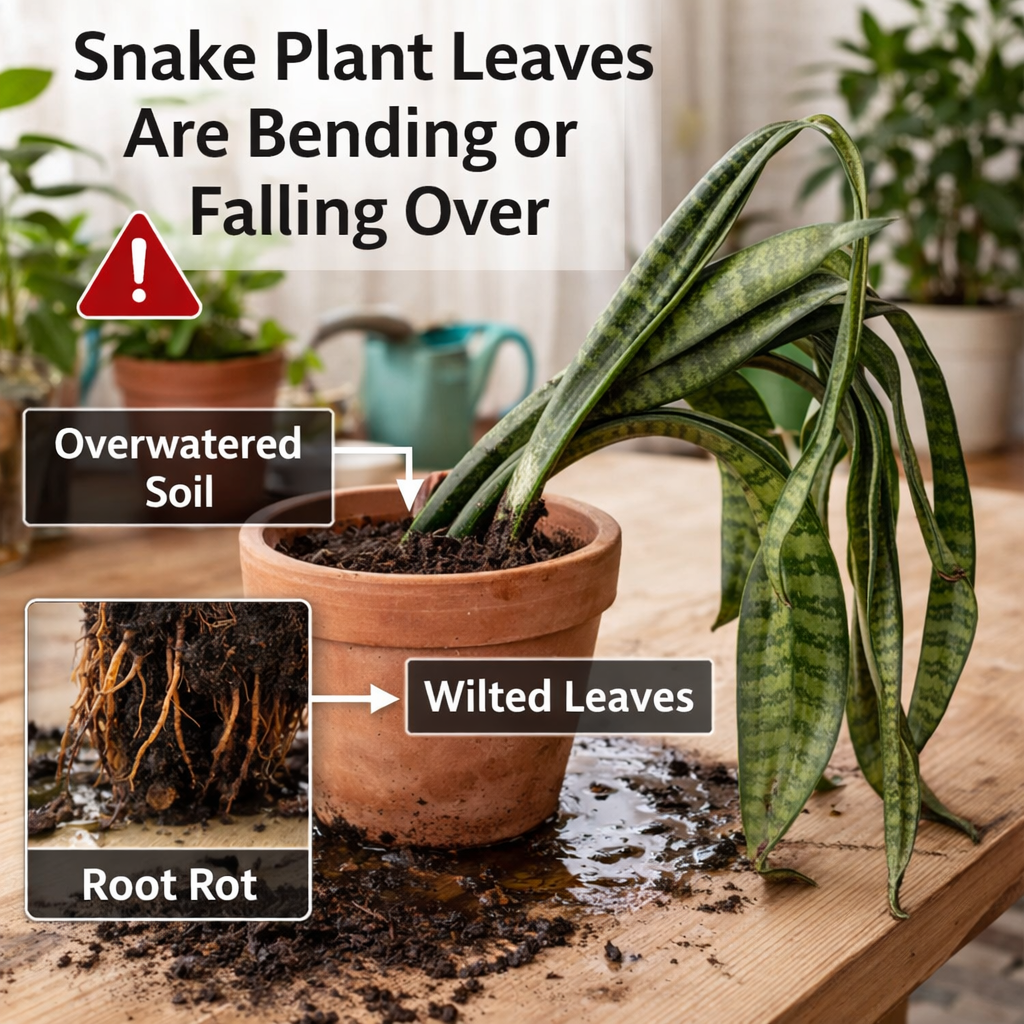
When snake plant leaves bend or fall over, it usually means the plant is losing structural support.
This can happen when:
- Leaves become too heavy for their base
- Roots cannot support upright growth
- Growth direction is uneven
Unlike yellowing or browning, bending is often a physical response rather than a chemical one. The plant may still be alive and healthy, but its structure is being affected by environmental conditions.
The Most Common Causes of Bending Snake Plant Leaves
1. Insufficient or Uneven Light
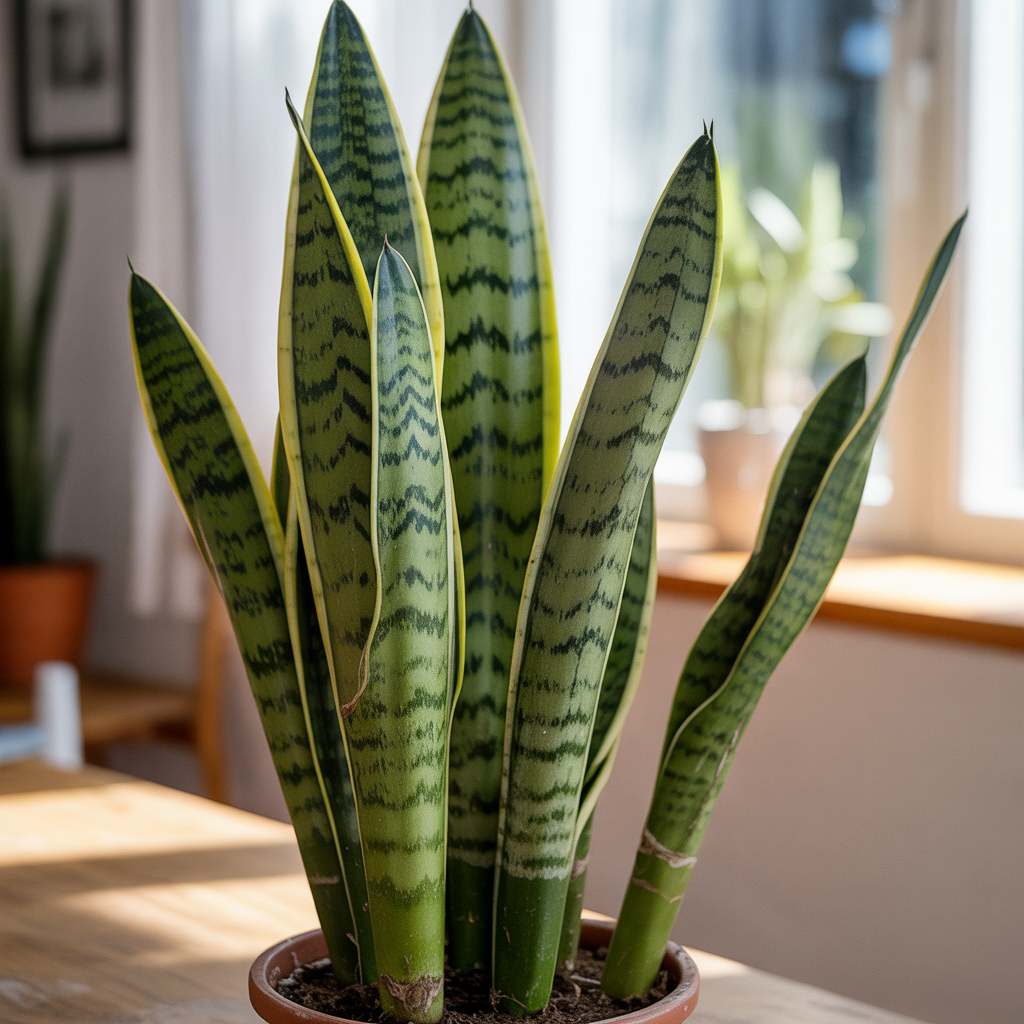
Light plays a major role in how snake plant leaves grow and position themselves.
When light is too weak or comes from only one direction, leaves may stretch toward the light source. Over time, this uneven growth can cause them to lean or bend.
How to Fix It
Place the plant in bright, indirect light and rotate it occasionally so that all sides receive equal exposure. This helps maintain a balanced, upright structure.
👉 Related:
→ Why Snake Plant Not Growing Even in Bright Light
2. Overwatering Weakens the Base
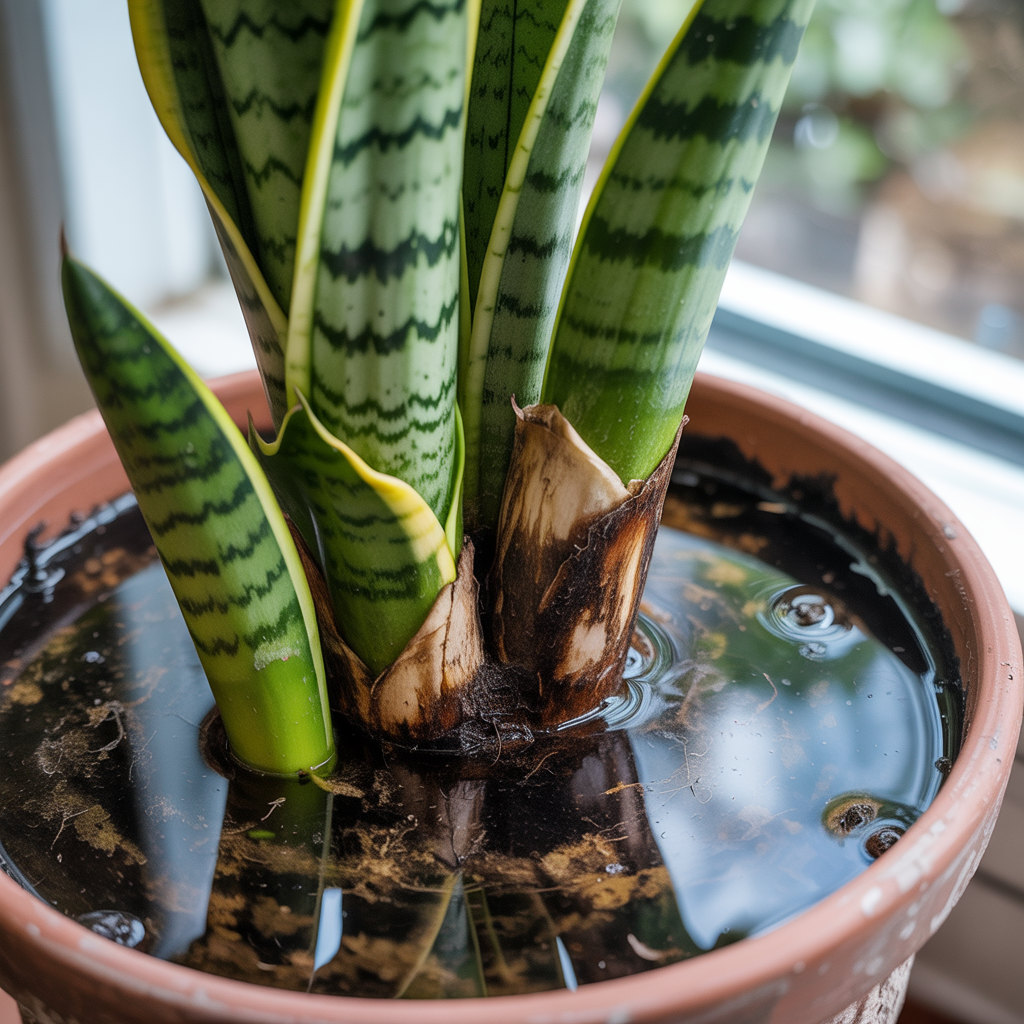
Excess moisture can soften the base of the leaves and weaken root support. Even if the leaves remain green, they may lose firmness and begin to fall over.
This often happens gradually, making it difficult to notice until the structure changes.
How to Fix It
Allow the soil to dry completely before watering again. Reduce watering frequency and ensure the pot has proper drainage.
👉 Related:
→ Why Snake Plant Roots Rot Even When Watering Seems Normal
3. Root Instability or Poor Soil Structure
Healthy roots anchor the plant and support upright growth. When the soil is too loose, compact, or poorly drained, roots may not provide enough stability.
As a result, leaves may begin to tilt or collapse outward.
How to Fix It
Use well-draining soil that provides both support and airflow. If the plant feels loose in the pot, repotting can improve stability.
4. Leaves Have Become Too Tall or Heavy
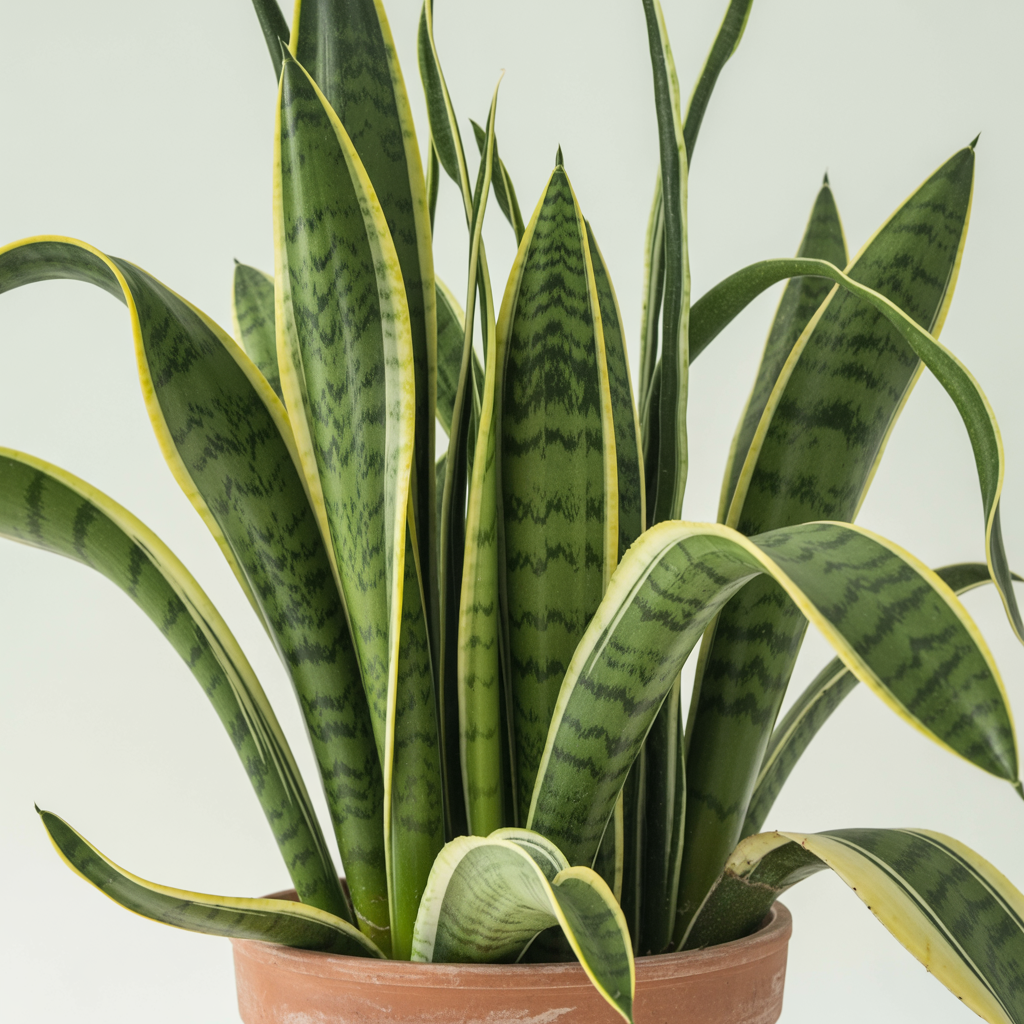
Snake plants can grow tall leaves that become heavy over time. If the base is not strong enough, the leaves may begin to bend under their own weight.
This is especially common in plants that grow quickly in good conditions.
How to Fix It
Trimming overly tall or damaged leaves can help redistribute energy and improve overall balance. Supporting the plant with proper light also helps strengthen new growth.
5. Physical Disturbance or Movement
Frequent movement or accidental impact can disrupt the plant’s structure. Leaves that are bent physically may not return to their original upright position.
How to Fix It
Keep the plant in a stable location where it is less likely to be moved or disturbed. Avoid handling leaves unnecessarily.
6. Natural Growth Pattern
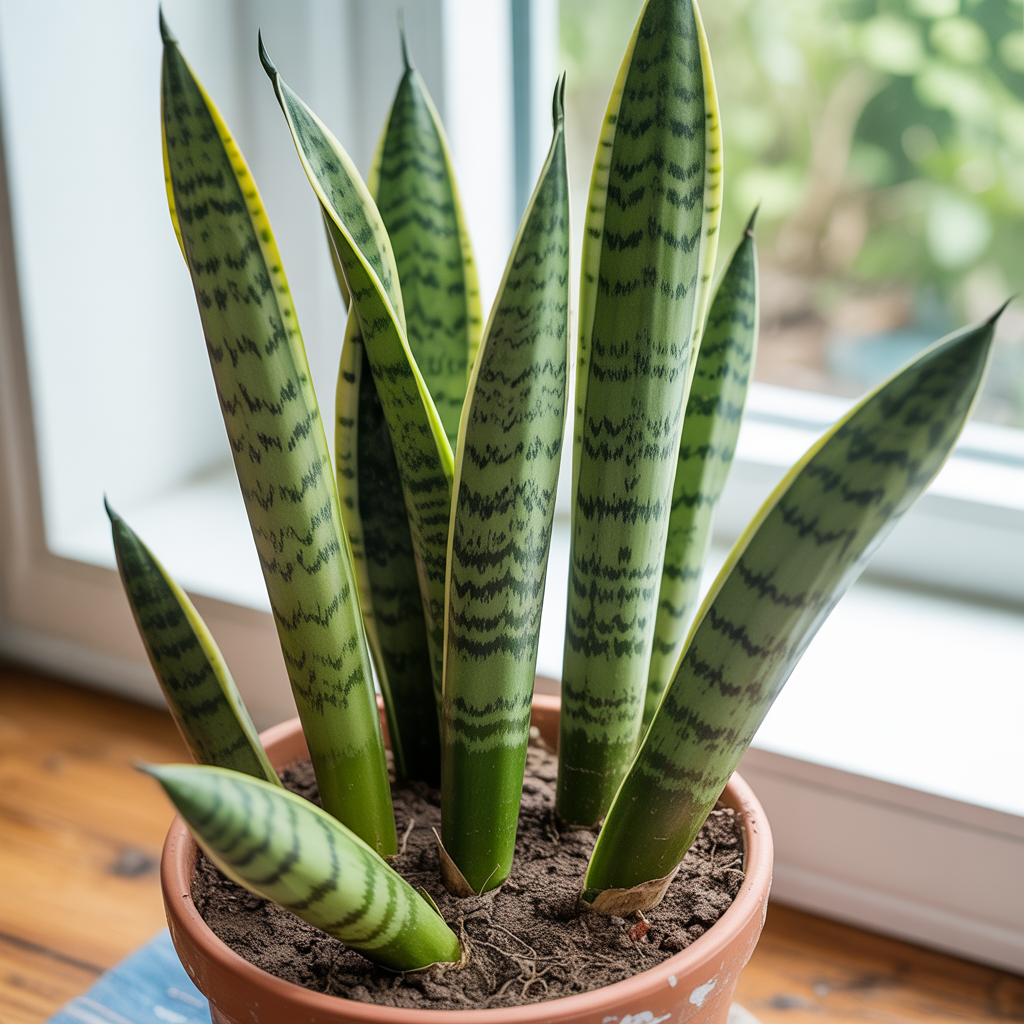
Not all bending is a problem. Some snake plants naturally grow in slightly curved or outward directions, especially as they mature.
If the leaves remain firm and healthy, this may simply be a normal variation in growth.
How to Fix It
No action is needed unless the bending becomes excessive or uneven.
How to Fix Bending Leaves Step by Step
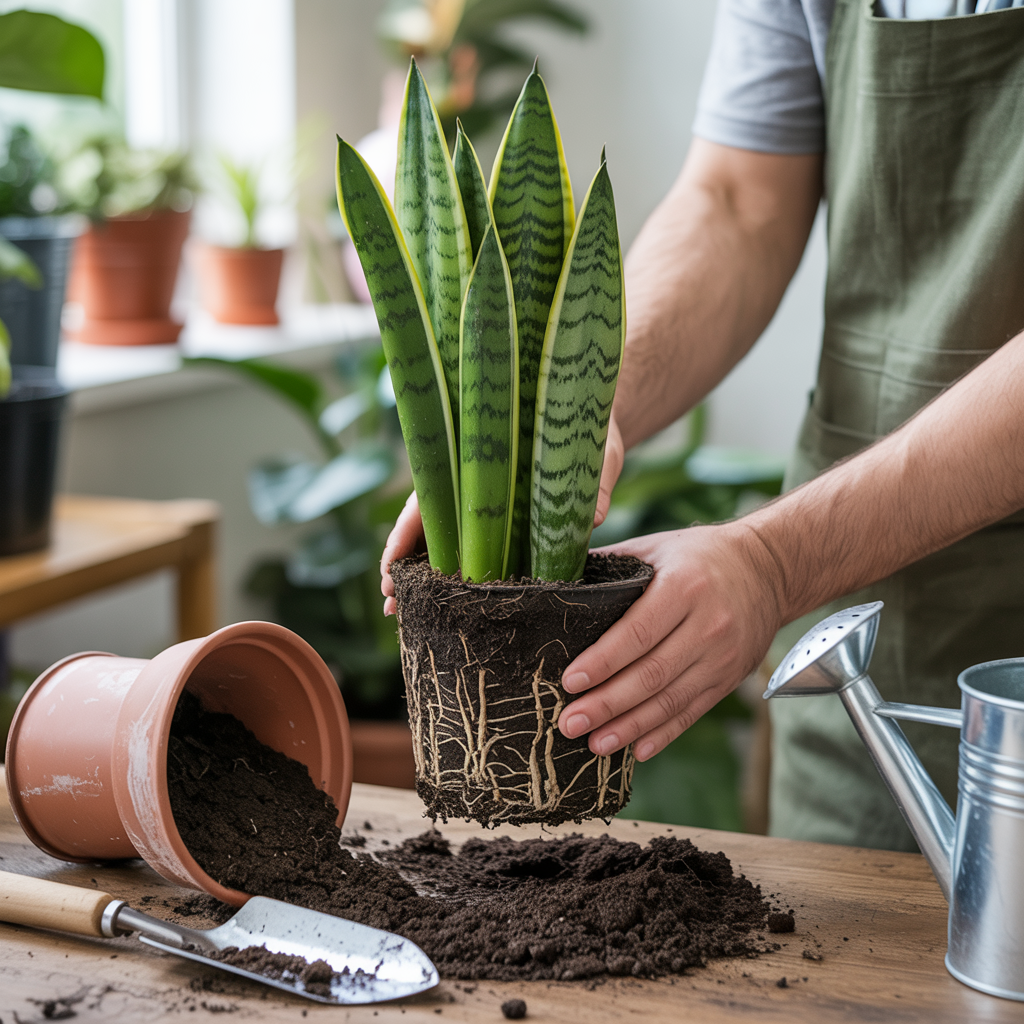
Correcting this issue involves improving structure rather than just appearance.
First, check light conditions and ensure the plant receives even exposure. Then review watering habits to avoid excess moisture that may weaken the base.
Next, examine the soil and root stability. If the plant feels loose or unstable, repotting can provide better support.
Finally, allow time for new growth to develop under improved conditions. Existing bent leaves may not fully straighten, but new leaves should grow upright.
Common Mistakes That Make the Problem Worse
Trying to straighten leaves manually can cause damage rather than improvement. Overwatering in an attempt to “strengthen” the plant often weakens the roots further.
Moving the plant frequently can prevent it from stabilizing. Adding fertilizer too early may also create imbalance if the plant is already stressed.
A gradual and consistent approach is more effective.
How to Prevent Leaves From Falling Over
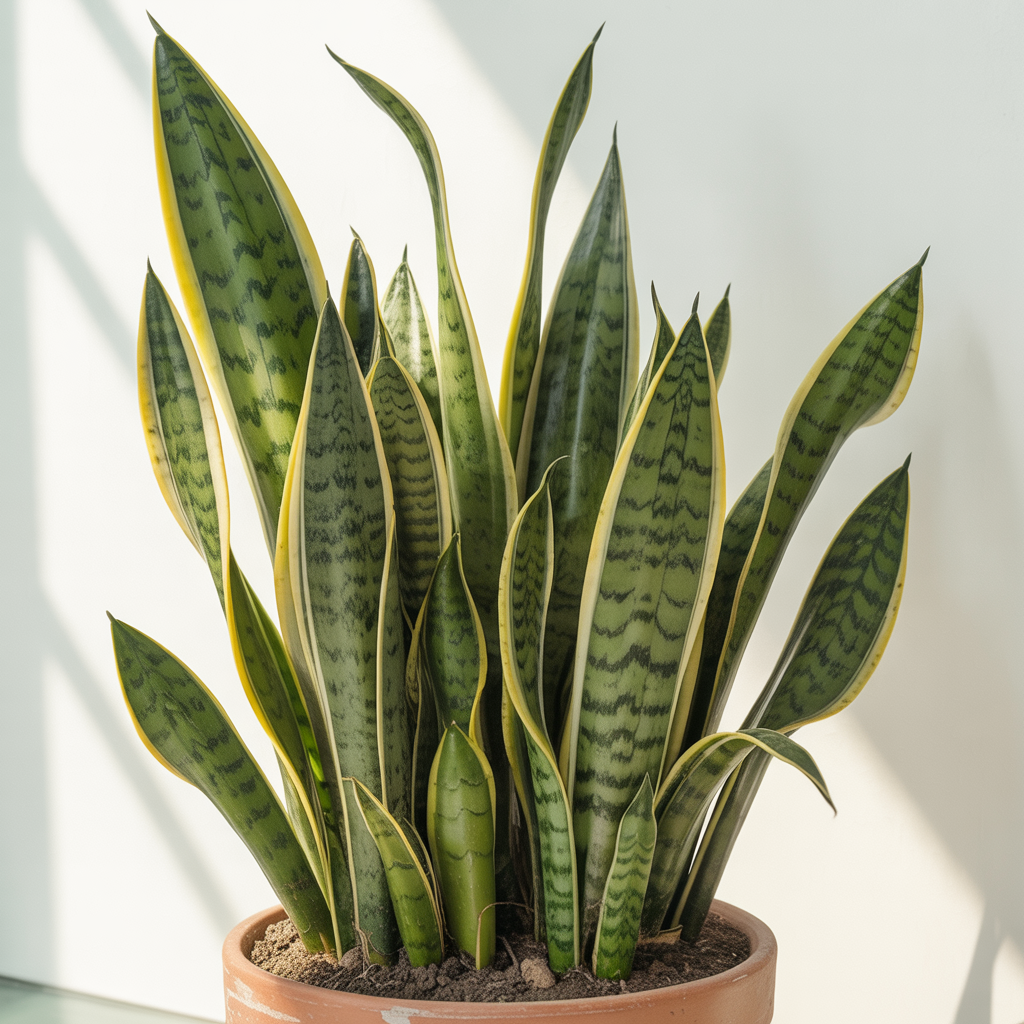
Preventing this issue is easier than fixing it.
Maintaining balanced light, stable watering, and proper soil conditions supports strong, upright growth. Rotating the plant occasionally helps prevent uneven development.
Choosing the right pot size and ensuring good drainage also contribute to long-term stability.
Related Indoor Plant Issues
Structural problems are not limited to snake plants. Similar issues can appear in other indoor plants when conditions are not balanced.
👉 Explore:
- Why Indoor Plants Stop Growing Suddenly
- Why Spider Plant Leaves Turn Brown
- Why Pothos Growth Slows Down Indoors
Frequently Asked Questions
Why are my snake plant leaves falling over suddenly?
Leaves may fall over due to overwatering, weak root support, or uneven light conditions that affect structure.
Can bent snake plant leaves stand back up?
Existing bent leaves usually do not return to their original shape, but new growth can develop upright with proper care.
Should bent leaves be cut off?
Damaged or severely bent leaves can be trimmed to improve appearance and allow energy to focus on new growth.
How often should snake plants be watered?
Snake plants should be watered only when the soil is completely dry to prevent root problems.
Is bending a sign of poor plant health?
Not always. Mild bending can be natural, but excessive or sudden bending usually indicates an imbalance.
Final Thoughts
Bending or falling leaves are usually a structural response rather than a sign of immediate damage. In most cases, the plant is still healthy but needs better support from its environment.
By improving light balance, watering habits, and root stability, it becomes possible to restore stronger, upright growth over time. Small adjustments made consistently often lead to the most reliable results.