10 Common Indoor Plant Mistakes That Slow Down Growth And How to Fix Them
Indoor plants can stay green and look healthy, yet stop growing completely without any obvious reason. This can be confusing, especially when care routines seem correct but the plant shows no new leaves or progress.
In most cases, slow growth is not caused by one big mistake, but by small habits that build up over time. Light, watering, soil, and environment all play a role, and even minor imbalances can affect how a plant develops.
Recognizing these patterns early makes it much easier to fix the problem and restore steady growth without guesswork.
Why Small Mistakes Have a Big Impact
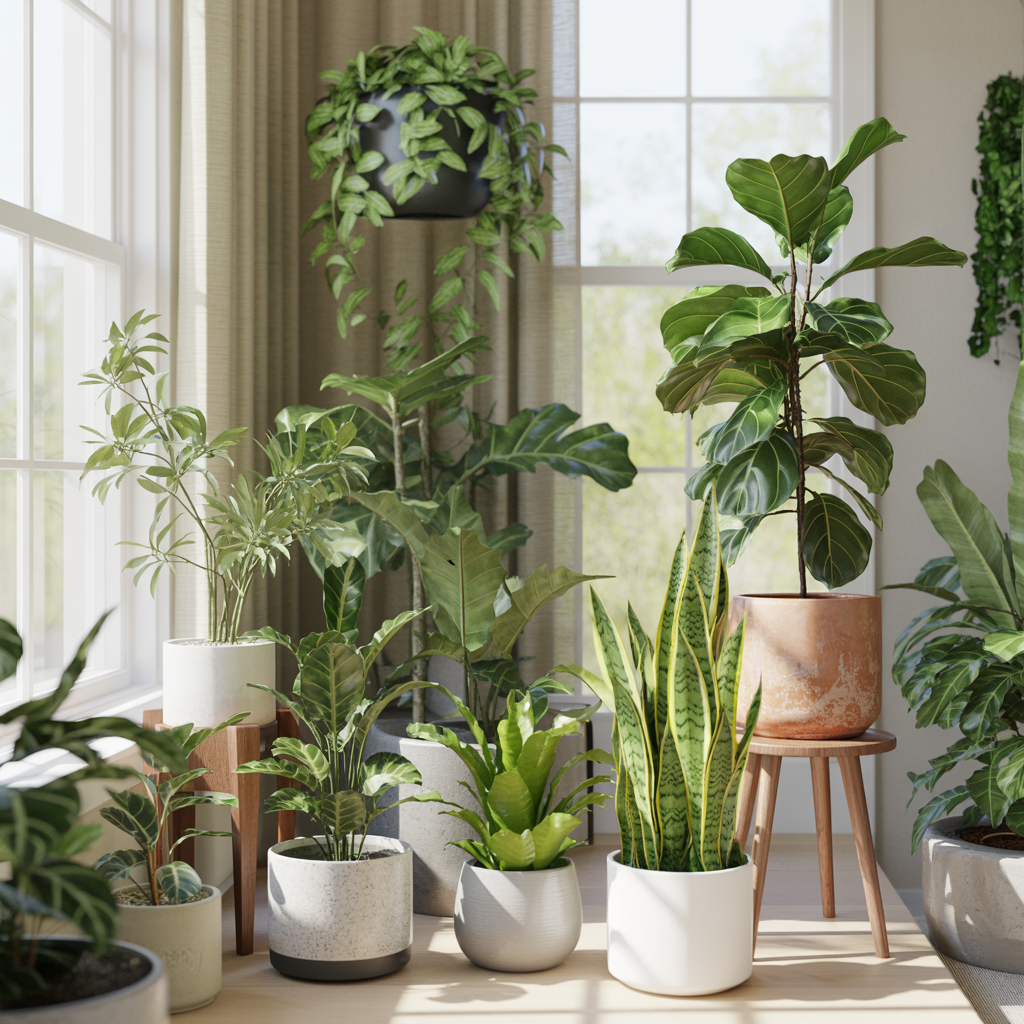
Plant growth is a gradual process that depends on stable conditions. Unlike outdoor plants, indoor plants rely entirely on the environment provided.
When conditions are inconsistent or slightly unbalanced, plants adjust by slowing down rather than showing immediate damage.
This is why many mistakes go unnoticed at first. A plant may continue to look healthy for weeks while silently responding to less-than-ideal conditions. By the time the issue becomes visible, growth has already been affected.
Recognizing these patterns early helps prevent long-term problems and reduces the need for drastic corrections.
The Most Common Indoor Plant Mistakes
1. Overwatering Without Realizing It
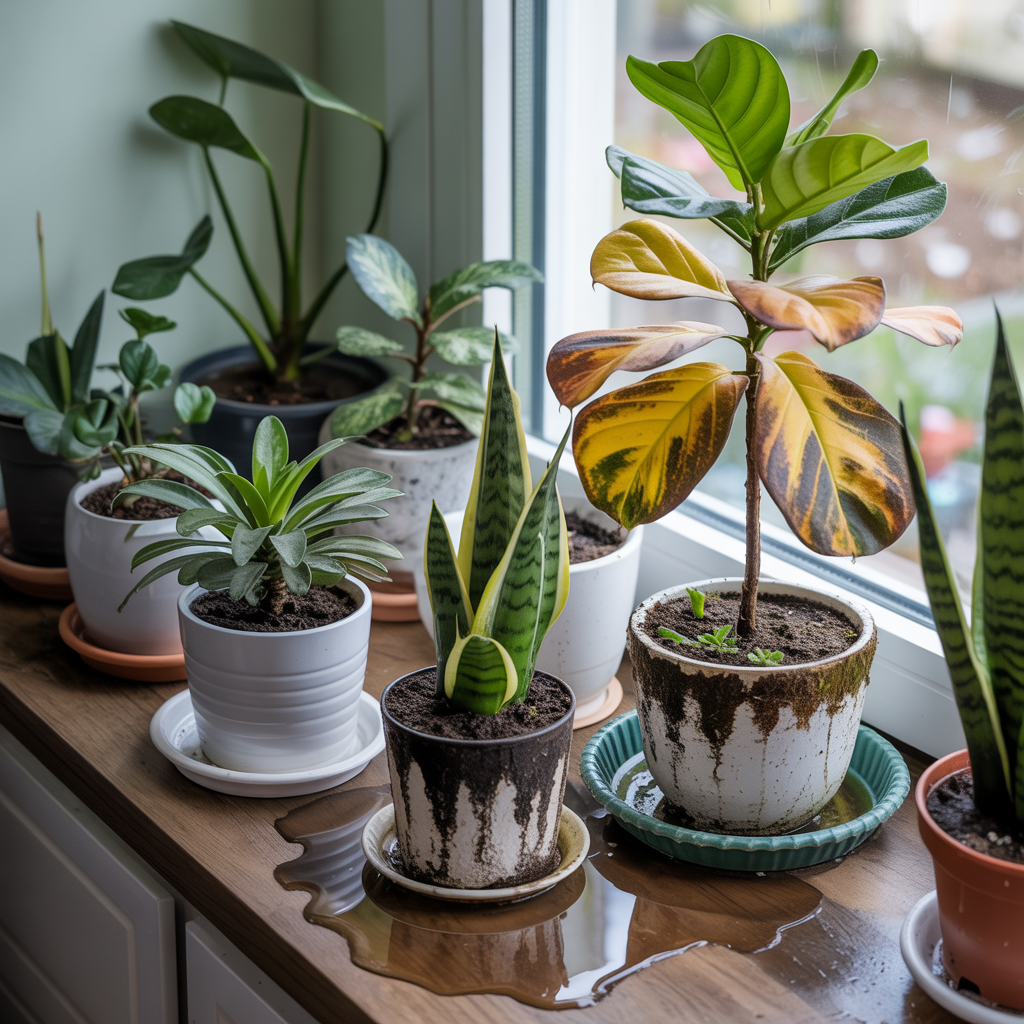
Overwatering is the most common mistake in indoor plant care, and it often happens even when the intention is to take better care of the plant.
Many people assume that frequent watering supports growth, but excess moisture can reduce oxygen around the roots. When roots cannot breathe properly, their ability to absorb nutrients decreases, which slows down growth.
Overwatering does not always show immediate signs. Leaves may remain green while the roots gradually weaken.
How to Fix It
Watering should be based on soil condition rather than a fixed schedule. The top layer of soil should feel dry before water is added again. Using pots with drainage holes also helps prevent excess moisture from building up.
👉 For deeper understanding of growth issues:
→ See Why Indoor Plants Stop Growing Suddenly
2. Placing Plants in Low Light for Too Long
Many indoor plants are described as low-light tolerant, which often leads to the assumption that they do not need much light. In reality, low light allows plants to survive, but not to grow actively.
When plants do not receive enough light, they may stop producing new leaves, and growth becomes noticeably slower over time.
How to Fix It
Placing plants near a source of bright, indirect light supports steady growth. Light conditions should also be adjusted seasonally, as natural light changes throughout the year.
👉 For plant-specific light issues:
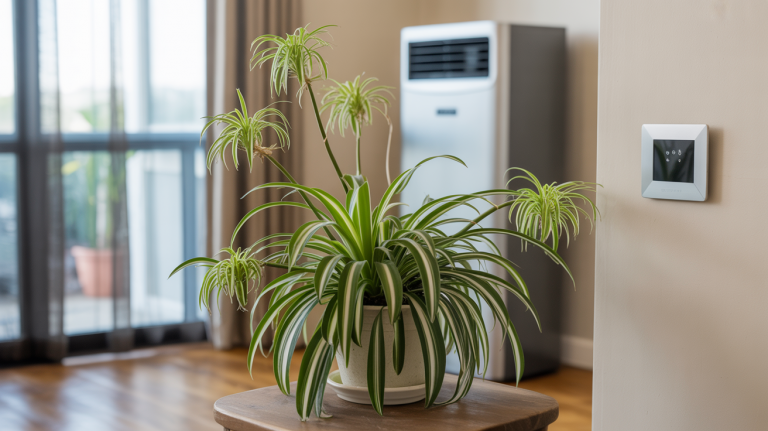
→ See Best Place to Put Spider Plant Indoors for Faster Growth
3. Using the Wrong Soil Type
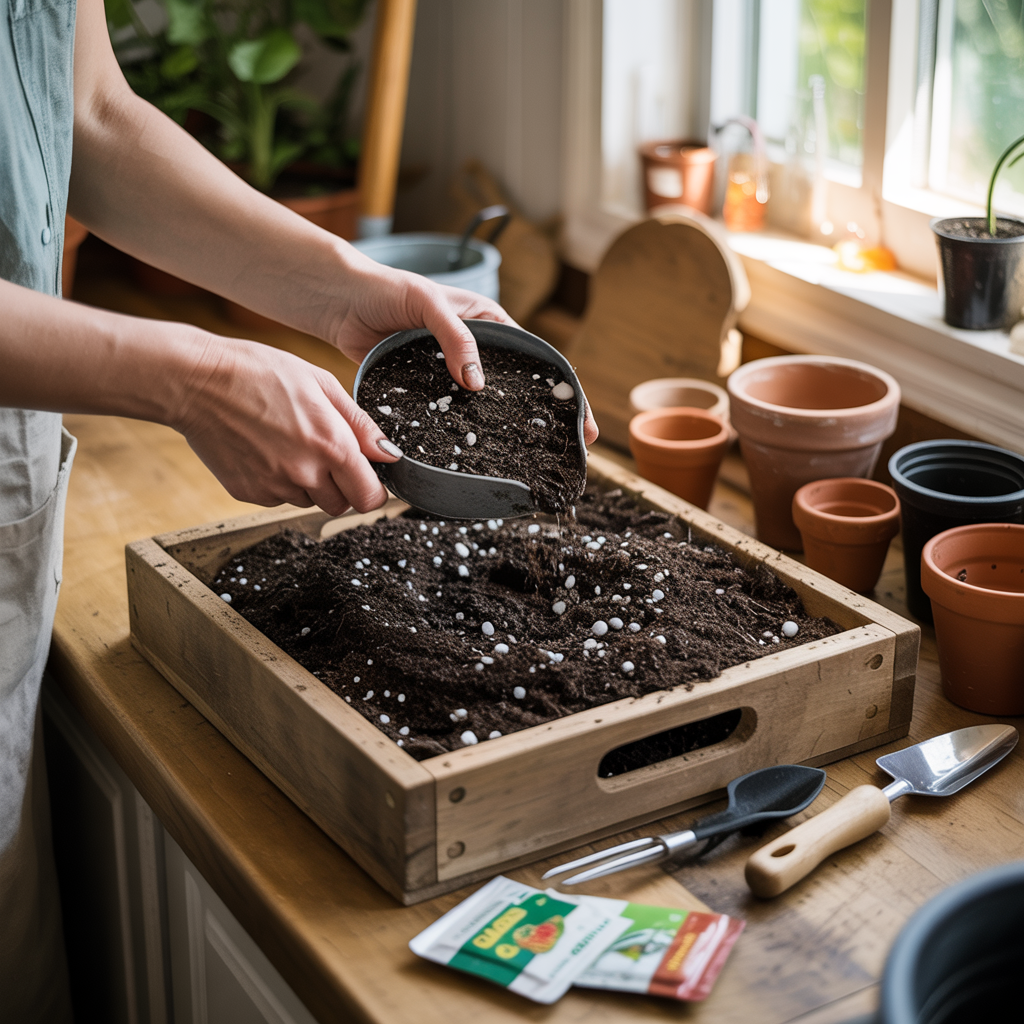
Soil plays a critical role in maintaining root health. Dense or compact soil can hold too much water, while overly loose soil may not retain enough moisture.
When soil does not provide proper balance, roots struggle to function effectively, which directly impacts plant growth.
How to Fix It
Choose soil that drains well while still holding enough moisture to support roots. A well-balanced mix improves both water flow and nutrient availability.
4. Ignoring Root Space
As plants grow, their roots expand and eventually fill the container. When roots become crowded, they have less room to absorb water and nutrients.
This limitation often results in slow or stagnant growth, even when care conditions appear correct.
How to Fix It
Repotting into a slightly larger container allows roots to expand and supports further development. It is important to avoid overly large pots, as they may retain excess moisture.
5. Changing Conditions Too Frequently
Plants adapt slowly to their environment. Frequent changes in placement, light, or watering routines can create stress that disrupts growth.
A plant that is moved often may spend more time adjusting than growing.
How to Fix It
Maintaining stable conditions allows plants to adapt and grow more consistently. Changes should be made gradually and only when necessary.
6. Watering on a Fixed Schedule
Following a strict watering schedule without considering environmental conditions can lead to imbalance.
Indoor conditions vary depending on temperature, humidity, and light, which all affect how quickly soil dries.
How to Fix It
Checking soil moisture before watering provides a more accurate approach. This helps prevent both overwatering and underwatering.
7. Ignoring Early Warning Signs
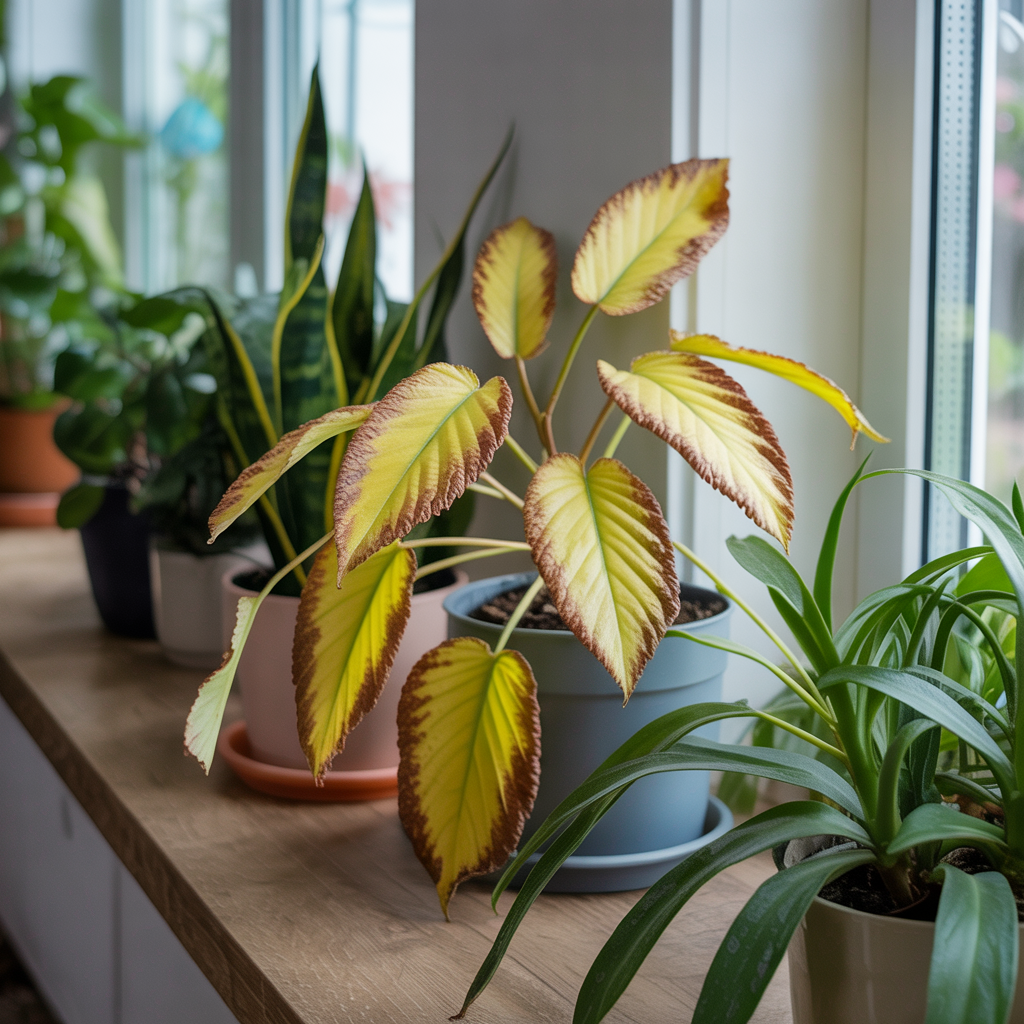
Plants often show subtle signs of stress before serious problems develop. Yellow leaves, brown edges, or slight drooping are early signals that something is not balanced.
Ignoring these signs allows small issues to become larger problems over time.
How to Fix It
Observing changes in leaf color, texture, and growth patterns helps identify problems early. Small adjustments made at this stage are usually more effective.
👉 For symptom-based diagnosis:
→ See Plant Problems & Symptoms
8. Using Fertilizer Too Often
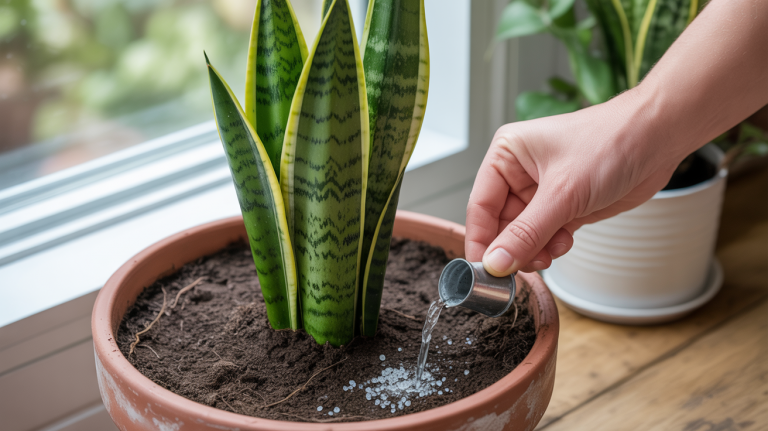
Fertilizer can support growth, but excessive use can create imbalance. Too many nutrients can lead to salt buildup in the soil, which affects root health.
Plants that are not actively growing may not benefit from additional nutrients.
How to Fix It
Fertilizer should be used in moderation and only during active growth periods. This helps maintain balance without overloading the soil.
9. Poor Environmental Conditions
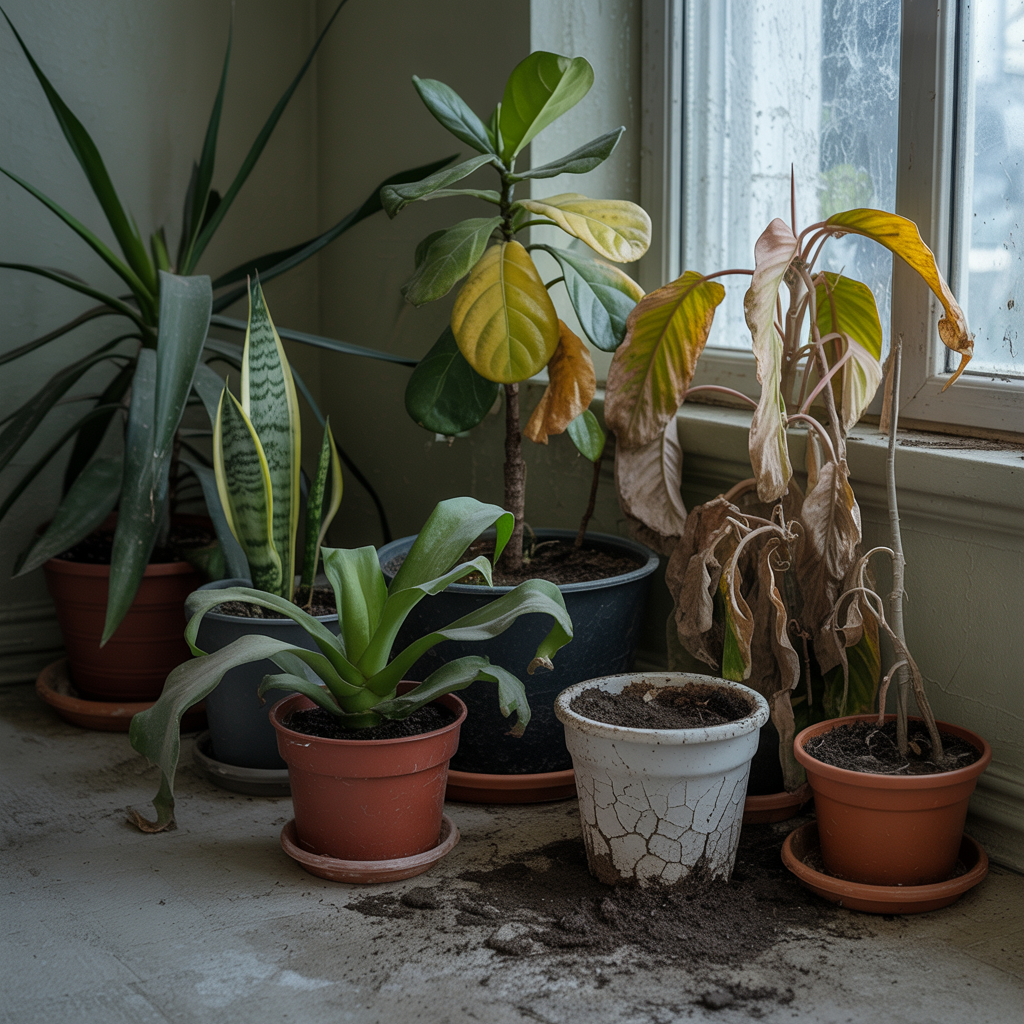
Temperature, humidity, and airflow all influence plant health. Sudden changes or unstable conditions can slow growth even when other factors are correct.
Dry air, drafts, and temperature fluctuations are common sources of stress.
How to Fix It
Keeping plants in stable environments with consistent temperature and moderate humidity supports healthier growth.
10. Expecting Fast Results
Indoor plant growth is naturally gradual. Expecting immediate results can lead to overcorrection and unnecessary changes.
Plants respond better to consistent care over time rather than frequent adjustments.
How to Fix It
Focusing on steady improvements and allowing time for results leads to more reliable growth.
How to Build Better Plant Care Habits
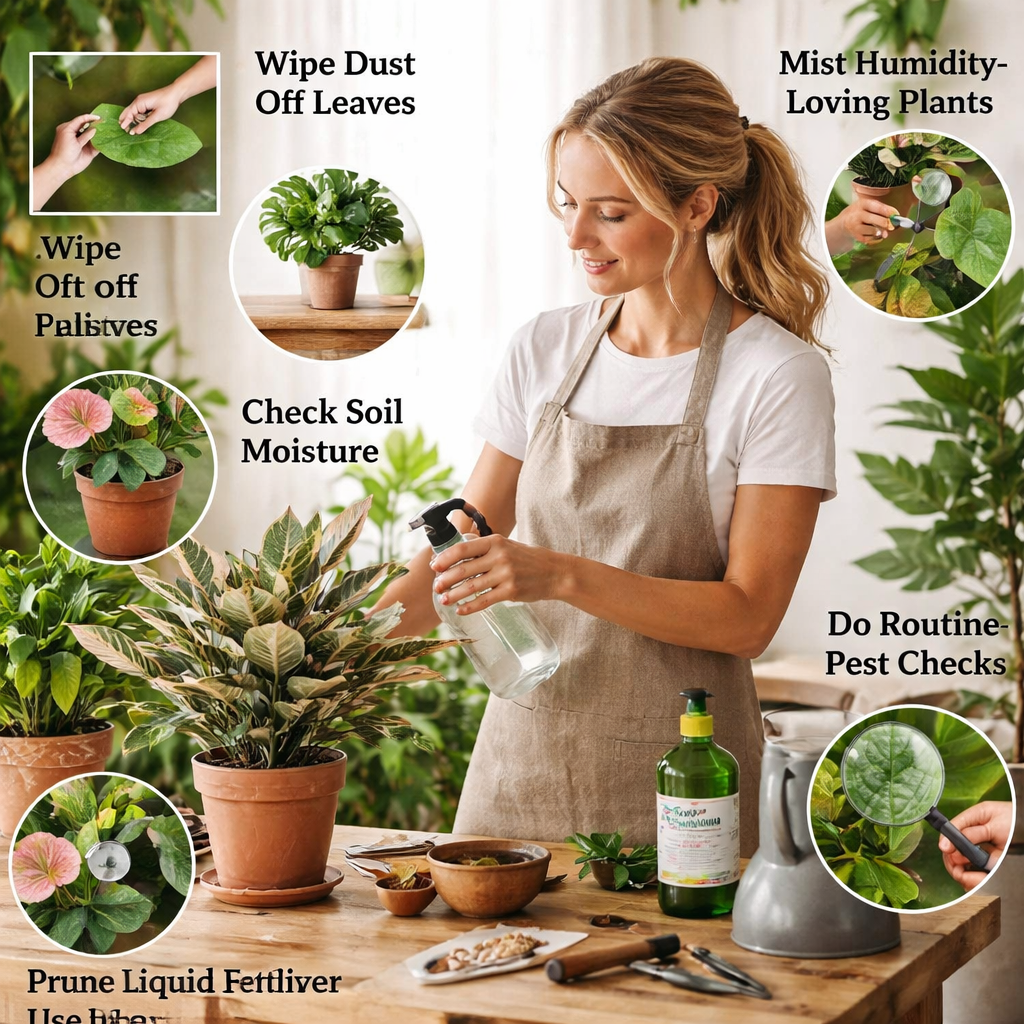
Improving plant care does not require complicated methods. Instead, it involves creating a simple routine that maintains balance.
A good routine includes observing light conditions, checking soil before watering, and maintaining stable placement. These small habits support long-term plant health and reduce the likelihood of mistakes.
👉 For a complete routine guide:
→ See How to Build a Simple Plant Care Routine
Frequently Asked Questions
What is the biggest mistake in indoor plant care?
Overwatering is the most common mistake because it reduces oxygen around the roots and affects nutrient absorption.
Why do plants stop growing even when they look healthy?
Plants may stop growing when conditions such as light or root space are not optimal, even if leaves remain green.
How can you fix slow plant growth quickly?
Improving light conditions and adjusting watering habits are often the most effective first steps.
Do all plants need the same care routine?
Different plants have different needs, but the basic principles of light, water, and stability apply to all.
Can too much care harm a plant?
Yes, overwatering, frequent movement, and excessive fertilizer can create stress and slow growth.
Final Thoughts
Most indoor plant problems are not caused by neglect but by small, repeated mistakes that affect balance over time. Once these patterns are understood, plant care becomes more predictable and easier to manage.
A plant that receives consistent light, balanced watering, and stable conditions is far more likely to grow steadily. Instead of trying to do more, focusing on doing the right things consistently often leads to the best results.