I Switched From Plastic to Fabric Covers for My Garden Beds
Garden covers were never something I thought much about when I first started gardening. I used them because everyone else did, not because I understood what worked best.
Over the years, I tried many types like thin plastic sheets, heavier plastic tarps, clear covers, black covers, whatever I could easily find. At the time, I believed covering the soil was mainly about protection, not about how the material itself affected the garden.
Near my house, there’s a small local garden shop called Willow Creek Garden Supply. I stop there often because it’s familiar and close, and the staff knows my face by now.
One afternoon, while browsing through stacks of seed trays and bags of compost, I asked the seller, Annie, whether they carried fabric garden covers. She smiled apologetically and said, “My store just gets plastic covers.” So I picked up another roll of plastic and went home without thinking twice.
Living With Plastic Covers, Season After Season
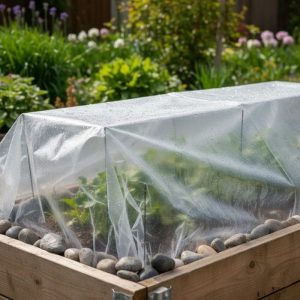
Plastic covers did their job in the simplest sense. They blocked weeds, warmed the soil early in the season, and kept moisture from evaporating too quickly.
In spring, the beds warmed faster, and seedlings seemed eager to grow. On cool nights, plastic trapped heat well, and that gave me a sense of control over unpredictable weather.
But plastic also came with problems that grew harder to ignore over time. On hot days, the soil beneath it felt overly warm, sometimes almost suffocating.
Water pooled on the surface instead of soaking in evenly, and after rain, the beds stayed wet longer than they should have.
I noticed that earthworms were less active under plastic, and the soil didn’t feel as loose or alive when I lifted it.
Still, I kept using plastic because it was what I knew, and because it was easy to find locally.
The Storm That Changed My Mind
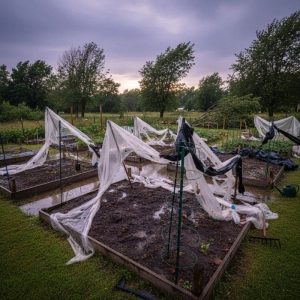
Everything shifted after a sudden summer storm last year. The forecast mentioned rain, but the wind arrived first, strong enough to lift corners of the plastic and toss it across the garden like a sail.
When I went outside after the storm passed, the beds looked chaotic. Plastic sheets were torn, edges flapped wildly, and soil underneath had compacted where water collected too heavily.
Several seedlings were bent or broken, and one bed had flooded because the plastic funneled rainwater instead of allowing it to pass through.
Standing there in damp shoes, pulling plastic out of wet soil, I felt tired of fighting against the material rather than working with the garden. That evening, I decided not to replace it with another roll of plastic.
Looking for Something Better
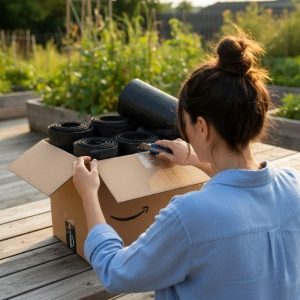
Since the local shop didn’t carry fabric covers, I started researching online.
At first, everything sounded confusing – different weights, colors, and names. Some were called landscape fabric, others frost cloth, weed barriers, or breathable covers. I spent time reading reviews, watching how people used them, and learning what actually mattered.
What stood out most was breathability. Fabric covers allowed water and air to pass through, which meant soil could stay moist without becoming soggy, and roots could breathe more easily.
Unlike plastic, fabric didn’t trap heat in a harsh way, but still offered protection.
I ordered a woven landscape fabric, medium weight, about 90-100 grams per square meter, with a roll width of 1.2 meters. I chose black because it blocks light well while still allowing airflow.
The First Weeks Using Fabric Covers
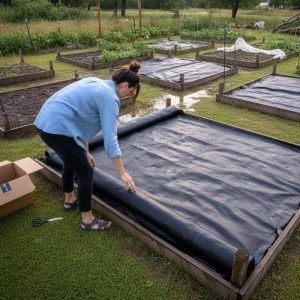
Installing fabric felt different immediately. It lay flat without fighting the wind, and I could secure it easily with garden staples. When I watered, the water soaked through instead of sliding away. After rain, the beds drained naturally, and the soil stayed evenly moist.
Over the next few weeks, the changes became clearer. The soil beneath the fabric stayed cooler during hot afternoons, which helped my lettuce and young transplants survive better.
Weeds still struggled to break through, but the soil felt softer and more alive when I checked it with my hands. Earthworms returned, and the surface didn’t crust the way it often did under plastic.
How Fabric Covers Changed My Routine
One thing I didn’t expect was how much easier maintenance became. I could water without removing the cover.
I didn’t worry about pooling water or overheating roots. When the season shifted, I simply folded the fabric, shook off the soil, and stored it for reuse.
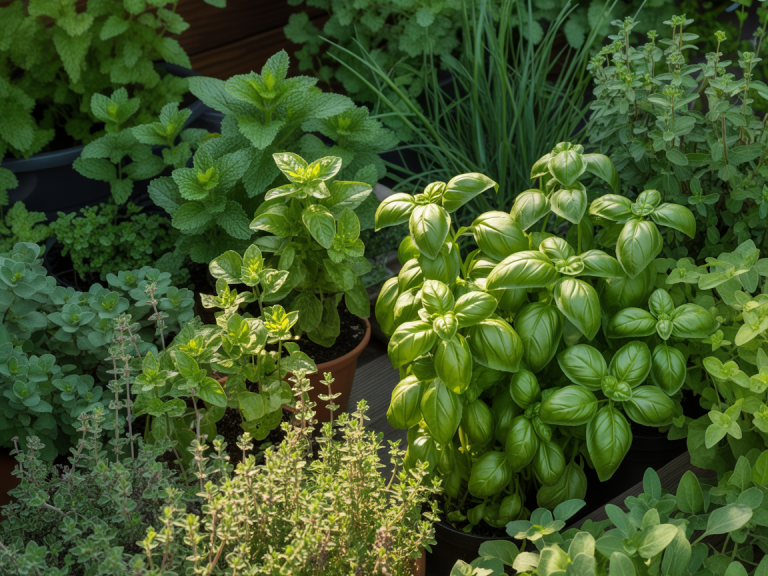
Fabric also worked better for longer-term beds. In places where I grow perennials or herbs, it allowed the soil to stay healthy without constant adjustment. Plastic always felt temporary and aggressive, while fabric felt patient and adaptable.
What I Learned From Trying Both
Using plastic taught me how much control matters early in the season, but it also showed me how easily control can turn into restriction. Fabric covers reminded me that gardens don’t always need sealing or trapping, they often grow better with balance.
Plastic has its place, especially for short-term warming or frost protection, but for everyday garden beds, fabric aligns better with how soil naturally behaves. It protects without suffocating and supports growth instead of forcing it.