What Should We Do in Winter? Here Are My 5 Suggested Vegetables for Garden Beds
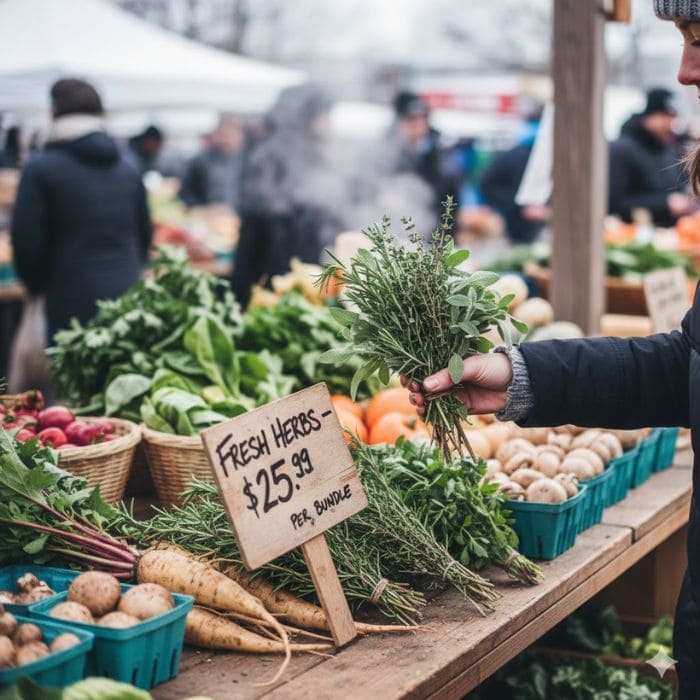
Every year, as soon as winter begins to settle into Chicago, I notice vegetables that usually cost very little in summer suddenly jump in price.
Spinach becomes noticeably more expensive, lettuce shrinks in size but grows in cost, and herbs look tired but are sold for twice what they cost in warm months. One year, I picked up a tiny bundle of kale that cost as much as an entire summer harvest from one plant in my garden.
Winter has a quiet reputation. Many people think the garden goes completely still, but that isn’t always true. Certain vegetables handle cold weather better than we expect. Some even taste sweeter because frost encourages their natural sugars to rise.
So instead of stopping my gardening completely, I began choosing a handful of winter-friendly vegetables to grow each year. These plants stay strong through cold nights and give my garden a surprising sense of life when most people assume everything is asleep.
Below are the five vegetables that became my reliable winter companions, along with the small tips I learned from growing them.
1. Kale – The Winter Champion

Kale was the first winter vegetable I ever tried growing, mostly because I kept hearing how resilient it was. I didn’t believe it until I saw the frost settle lightly on the leaves and the plant continued standing as if nothing had happened.
The colder the days became, the sweeter the leaves tasted, which surprised me because kale in the store always felt tougher during winter.
In my garden beds, kale grows best when I give it room for airflow, because crowded leaves tend to trap moisture.
I also learned that covering the bed with a light layer of straw helps protect the soil from freezing too hard, allowing the roots to stay comfortable. Kale doesn’t need much attention in winter, which makes it perfect for days when the cold keeps me indoors more than I’d like.
2. Carrots – Sweetest After a Frost
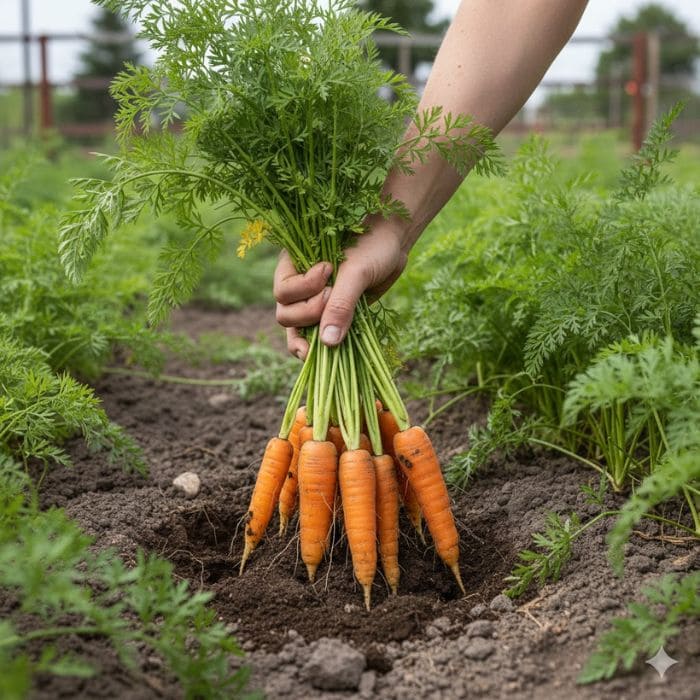
Carrots became a winter favorite when I realized how much better they tasted after surviving several frosts.
The cold changes their flavor in a natural and noticeable way. Instead of pulling them all before winter, I started leaving a portion of them in the ground. As long as the soil doesn’t freeze too deeply, they stay crisp and sweet.
I usually cover the bed with a thick blanket of mulch to keep the ground workable. That way, when I need a handful of carrots for dinner, I can gently pull back the mulch, loosen the soil, and take only what I need.
Winter carrots always remind me how different homegrown produce can be compared to store-bought vegetables that are harvested early and stored for long periods.
3. Spinach – The Quiet Producer
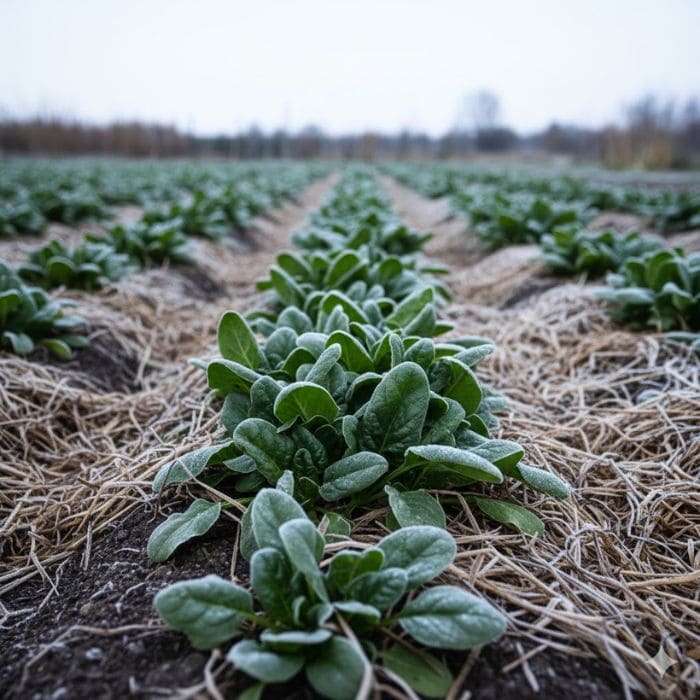
Spinach looks delicate in summer heat but behaves completely differently in winter. When temperatures drop, it slows its pace but keeps pushing out fresh leaves as long as the days aren’t extremely dark.
One year, I planted spinach in the fall and almost forgot about it until I saw the new growth in early January.
I saw that spinach grows best when I plant it in a bed that receives winter sunlight, because shorter days make a big difference. Watering stays minimal during winter, so I check the soil before adding moisture to avoid freezing the roots.
It’s a simple plant with simple needs, yet it provides enough leaves to keep meals fresh when everything outside feels cold and dull.
4. Green Onions – Easy, Reliable, and Always Useful
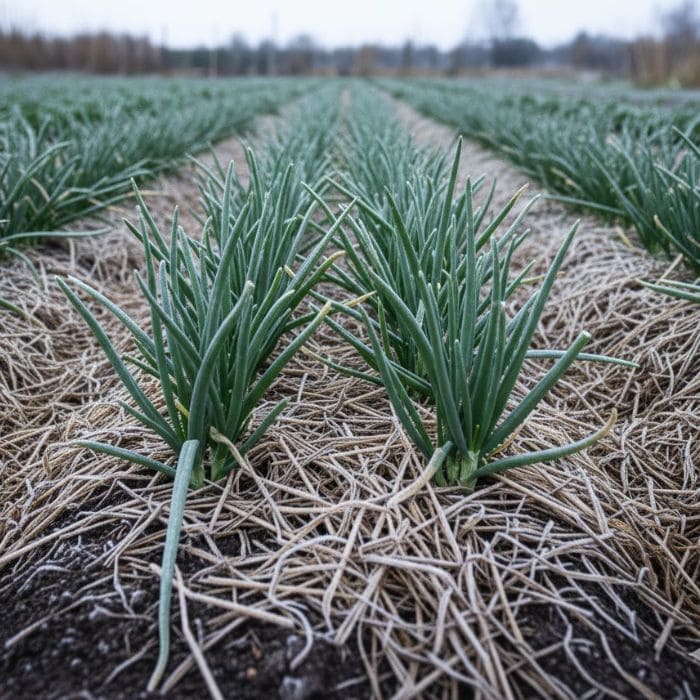
Green onions are one of the easiest winter crops, and they saved me from buying overpriced bundles many times.
They don’t mind cold conditions, and they regrow even after being trimmed repeatedly. In winter, I plant them closer together because they don’t need much space to thrive.
The main thing I do is protect them from harsh wind. A small row cover or a low tunnel makes a noticeable difference, keeping the green tops upright and preventing them from drying out.
Green onions don’t look dramatic in the garden, but their practicality makes them one of the most satisfying winter vegetables to grow.
5. Swiss Chard – Colorful and Surprisingly Strong
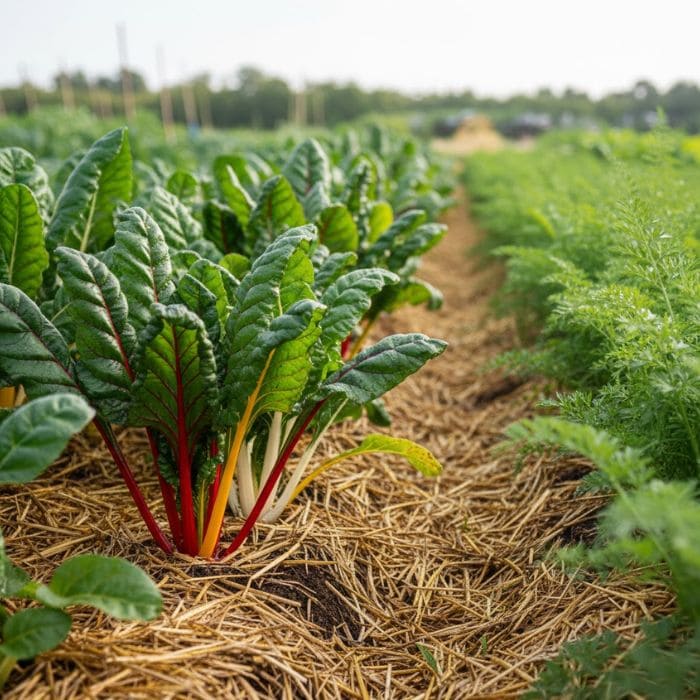
Swiss chard surprised me more than any other winter vegetable. I assumed it was fragile because of its colorful stems, but once I planted it in late summer and let it mature before winter arrived, it stayed strong through chilly nights.
The leaves grew slower in cold conditions, yet they remained firm and usable. I found that chard handles winter better when I harvest the outer leaves first, leaving the center intact so the plant continues producing.
Adding a light cover during extremely cold spells helps keep the stems from freezing. Its colors add brightness to the winter garden, which feels comforting on gray days when everything else looks quiet.
Winter Vegetables Are Greater Than We Think
Growing vegetables in winter changed how I see the colder months. Instead of viewing winter as a long break, I now see it as a season of small, steady growth that can save money and bring fresh food to the table when it’s most expensive in stores.
Winter gardening isn’t about big yields; it’s about resilience and consistency. It’s comforting to walk into the backyard on a cold morning and see something alive, holding steady, and offering something useful.