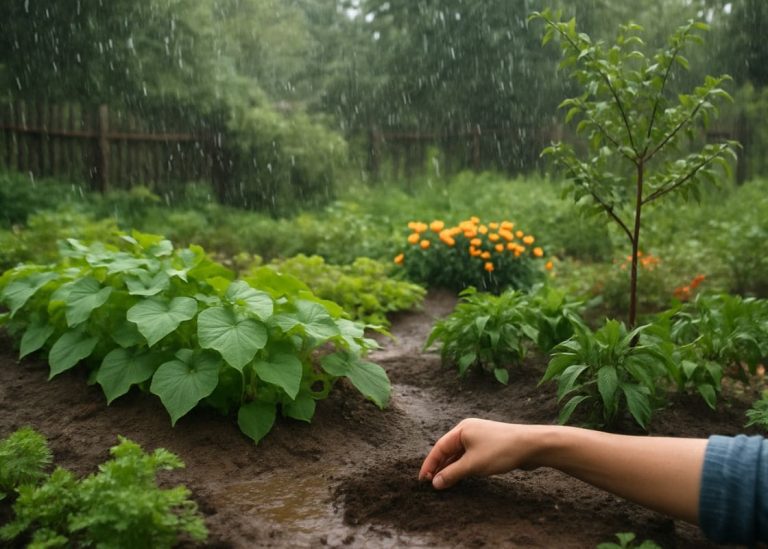
I Leave Some Weeds Alone on Purpose And Here’s Why
Most gardeners joke about weeds being the enemy and I used to feel the same way. When I first started gardening, I removed anything that didn’t belong to my vegetable rows or flower beds. I wanted everything tidy, controlled, and organized.
But as the years passed, I began noticing that some of the plants I had been pulling out quickly were actually doing small, helpful things for my garden. They filled empty soil before erosion could happen. They shaded the ground during hot days. Some even attracted beneficial insects.
I stopped seeing them as invaders and started seeing them as messengers – signs of soil health, moisture levels, and natural cycles. Some of them became partners rather than problems.
The Benefits Hidden in “Unwanted” Plants
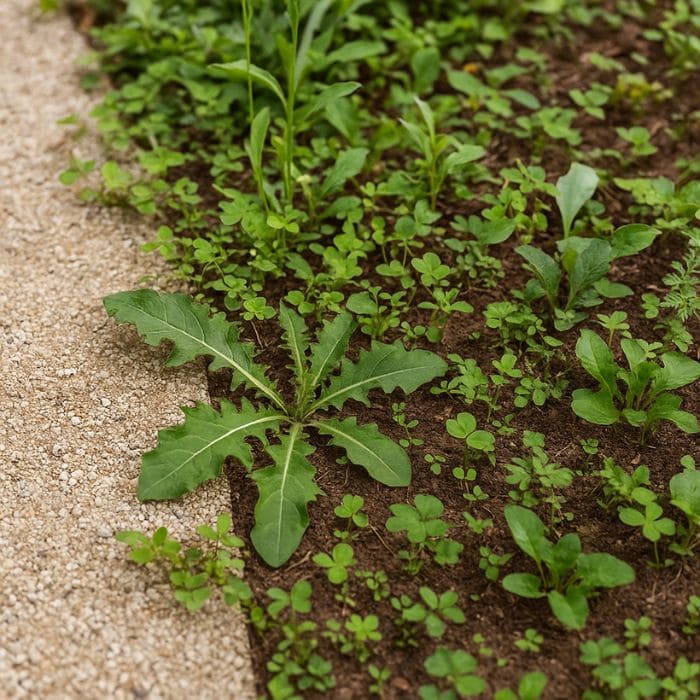
I noticed how many of them supported the garden in quieter ways. Some weeds bring nutrients from deep in the soil up to the surface. Others soften hard soil while many provide food for pollinators during weeks when nothing else is blooming. And a few are edible or medicinal.
Of course, I don’t let weeds take over. I still pull out anything that crowds young plants or steals too much water. But instead of clearing everything, I leave pockets of helpful weeds in corners, along the fence, or between beds where they won’t harm anything.
And here’re two weeds in particular changed the way I garden: purslane and chickweed.
Purslane – The Weed I Once Removed Without Thinking
I noticed purslane spreading through my tomato bed, I felt annoyed at the first time. It grows low to the ground, forming small mats that creep across the soil. My instinct was to yank it out.
But after reading about it and watching how it behaved, I learned that purslane is one of the most nutritious weeds in the world. It holds water in its leaves, helps shade soil during hot weather, and prevents moisture from evaporating too quickly.
One summer, after feeling curious, I decided to leave a few patches in the corners of my garden. I noticed the soil beneath the purslane stayed cool and soft, even on the hottest days. My tomatoes handled heat stress better than the previous year, and the purslane didn’t bother them at all.
How I Use Purslane in My Kitchen
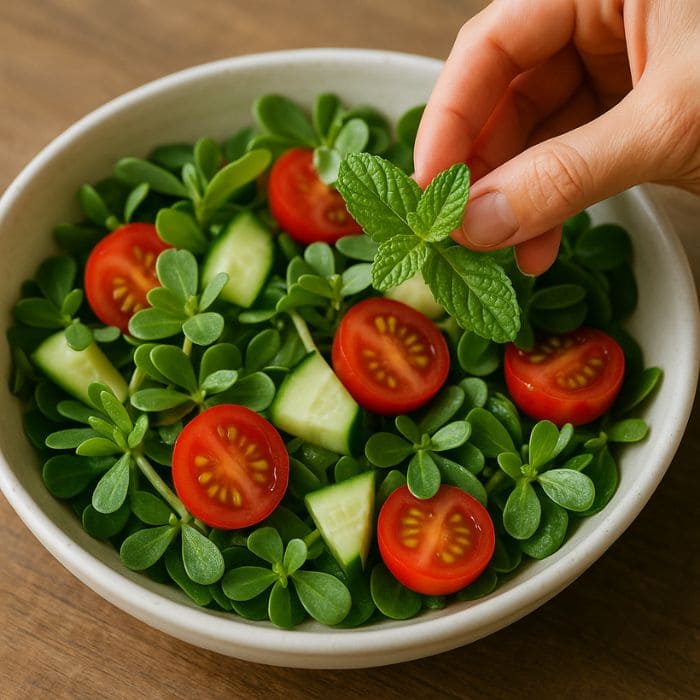
Once I learned purslane was edible, I tried using it in a simple salad. The leaves have a mild crunch and a slight lemony flavor. Here is how I prepare it most often:
- I pick young, tender stems because they have the best texture.
- I rinse them well and chop them into small pieces.
- Next, I mix them with cucumber, cherry tomatoes, and one or two sprigs of chopped mint.
- I finish the salad with olive oil, a squeeze of lemon, a little salt, and black pepper.
It’s refreshing and surprisingly satisfying. Now every summer, I save a little space for purslane instead of pulling all of it out. It’s become part of my kitchen in a way I never expected.
Chickweed – The Tiny Plant With Quiet Healing Power
Chickweed was another plant I used to remove without hesitation. It grows in gentle, sprawling mats and prefers cool seasons, often showing up in early spring or fall. I didn’t think much about it until I learned that chickweed has long been used as a medicinal herb. It’s calming, moisturizing, and soothing for irritated skin.
Once I learned more, I stopped pulling chickweed. Instead, I watched how it grew and kept it in places where it wouldn’t compete with my vegetables. Its tiny white flowers bring early food for bees, and it covers bare soil like a living blanket during cool weather.
Here’s Way I Use Chickweed to Make a Simple Skin Remedy
The first time I made a chickweed remedy, I was surprised by how gentle and effective it was. The process is simple and has become part of my seasonal routine.
- Firstly, I gather a handful of fresh chickweed (young leaves work best).
- I rinse it lightly and let it air-dry so no moisture remains.
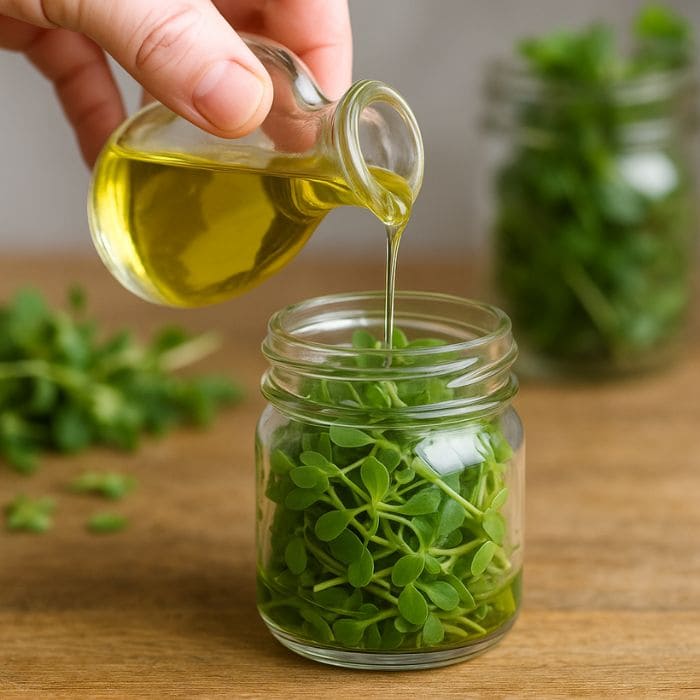
- Then I place it in a clean jar and cover the leaves with olive oil.
- I leave the jar in a warm spot for one to two weeks, shaking it gently every day.
- After straining out the plant material, I store the infused oil in a small bottle.
I use this oil on small scratches, dry spots, or irritated skin. It’s gentle and comforting and it’s truly the kind of homemade remedy that feels connected to the garden in the simplest way.
I also remembered last fall, my son came home from playing football in the backyard with a few small scratches on his arms. They weren’t serious, but they looked red and uncomfortable.
Instead of reaching for store-bought cream, I used the chickweed oil I had made. I dabbed a little on the irritated spots and let it soak in. The redness calmed down within a few hours, and by the next morning the skin looked smoother and less irritated.
How I Manage Weeds Without Letting Them Take Over
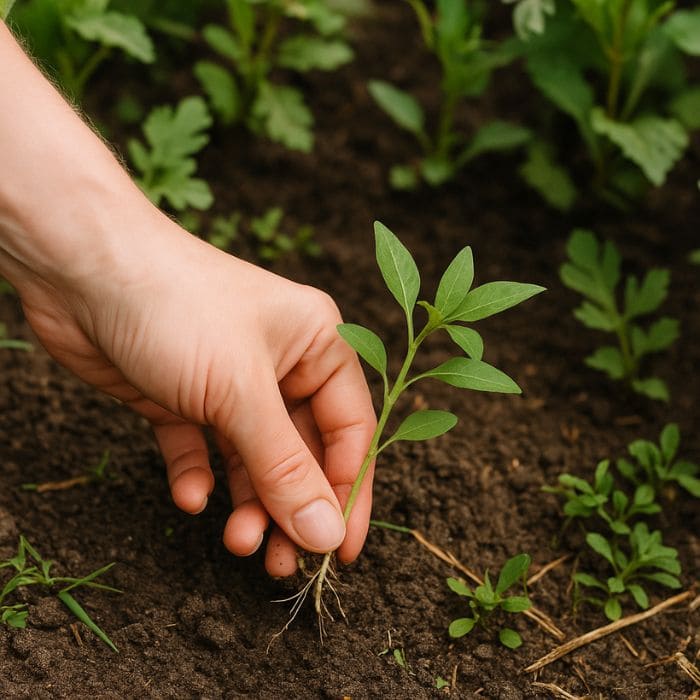
Leaving some weeds alone doesn’t mean I stop caring for the garden. I still pull out anything that competes with young seedlings or spreads too aggressively.
In the vegetable beds, I keep the areas around young plants clear so they don’t struggle. Along the edges and fence line, I let purslane and chickweed stay. In wide open corners, I allow a blend of wildflowers and beneficial weeds to fill the gaps until I plant something purposeful.
This approach keeps the garden balanced while still looking cared for. It also reduces the time I spend pulling weeds.
What Weeds Taught Me About Gardening
Allowing some weeds to stay has taught me to see the garden with softer eyes. It reminded me that nature rarely grows in straight lines. Not everything needs to be controlled for the garden to thrive. Sometimes a plant we don’t recognize can bring benefits we didn’t expect.