The First Time I Heard the Sound of Roots Breaking Through Soil
In the east corner of my backyard stands an old oak tree that has been in my family for nearly a century. My grandmother planted it when she was a little girl in Pittsburgh, long before she ever imagined she would have grandchildren or that one of us would move hundreds of miles away and still carry a piece of her story in our own yard.
She used to say that this tree was the only thing that grew as steadily as her life changed around her. Hearing her talk about it made me feel like it was a piece of her childhood, her memories, and her gentle strength.
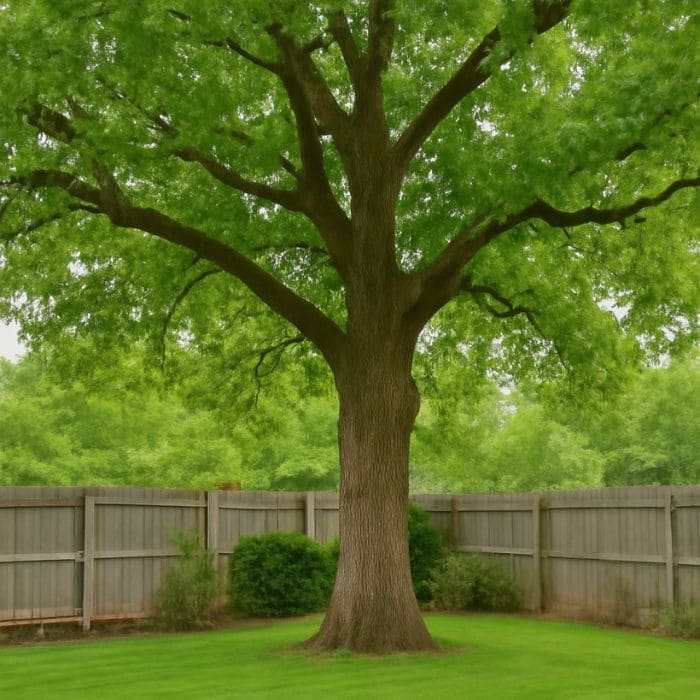
When she grew older and could no longer care for her garden the way she once did, she told me that the oak had grown taller than anything else she ever planted. She described how its branches created shade over half the yard and how birds built nests among the highest limbs every spring.
When she passed away, the tree felt like a living reminder of her presence. A small sapling from it was brought to Chicago years later, and it has grown quietly in my backyard ever since.
Today, that oak is tall enough to touch the sky, and its branches stretch wide like open arms. Whenever I stand near it, I feel connected to something older than any memory I have.
It has survived storms, harsh winters, and dry summers. It has watched generations come and go. And even though it is large and sturdy now, I still think of it the way my grandmother must have seen it.
This Tree Really Means to Me
The oak has been a silent companion in my garden for years. It doesn’t call for attention the way flowers do, and it doesn’t ask for constant care like vegetables or herbs. Yet it shapes the mood of the entire backyard.
It shades the eastern beds during hot summer mornings. It drops acorns that scatter across the ground every fall. It shelters squirrels, birds, and insects. It has become a kind of anchor in the garden, something stable even when life feels unpredictable.
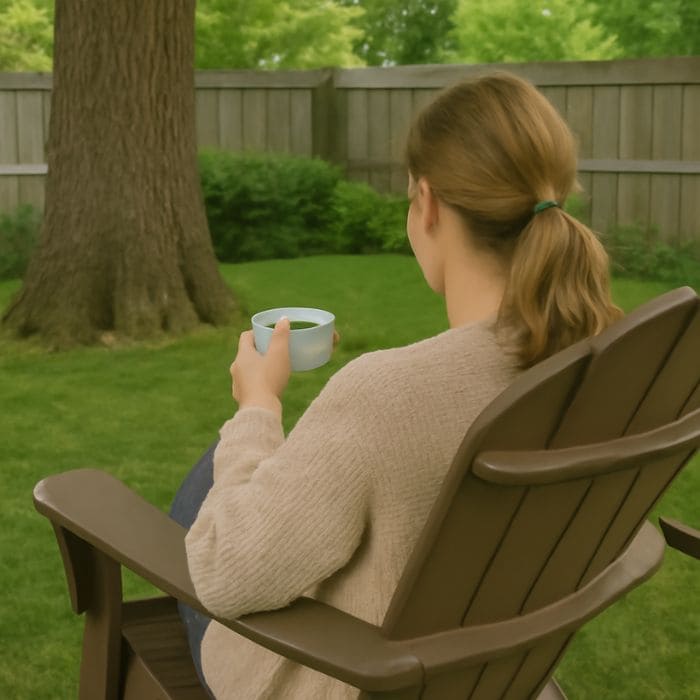
Sometimes I sit underneath it with a cup of tea and think about how many moments this tree has witnessed.
It has seen me rearrange garden beds, carry bags of soil, plant herbs in a ladder shelf, build new trellises, and celebrate tiny seedlings breaking through the dirt. It has also seen when I stepped outside simply to breathe fresh air and calm my mind.
The Day I Heard Its Roots Move
One late spring afternoon, something unusual happened. It was a quiet day, the kind where the weather feels warm but the air still carries the last coolness of early morning. I went outside to check the shade line because I was planning to extend one of my vegetable beds and wanted to know if the area received enough sunlight.
As I walked near the base of the oak, I placed my hand on the trunk the way I usually do. The bark felt rough and steady. When I stepped back, I heard a faint cracking sound beneath the soil.
It wasn’t loud or sharp, more like a deep, muffled shift. At first I thought it was a squirrel running nearby, but the yard was still. The sound came again, softer this time.

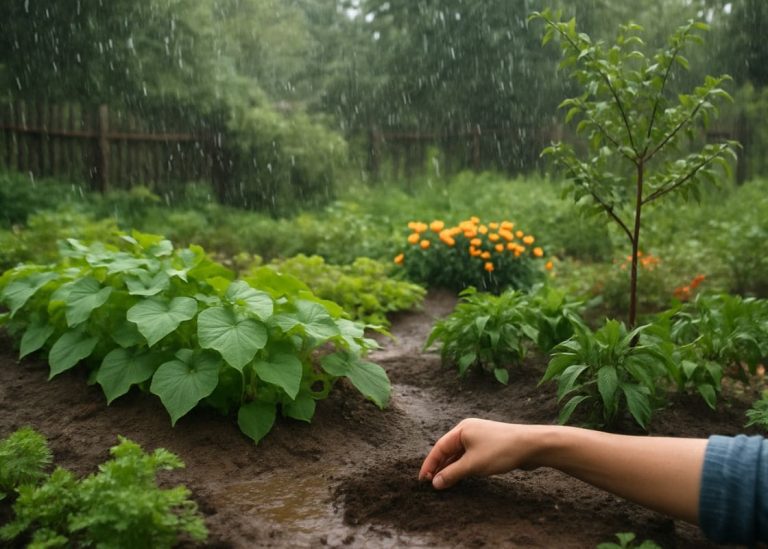
I stepped closer and crouched down near the base of the trunk. The soil around the tree was slightly lifted from recent rain, and as I touched the ground, I felt a subtle vibration.
The roots were growing deeper, pushing gently through the softened soil. It was the natural movement of a tree that has been growing for almost a hundred years.
For a moment, I stayed completely still. The garden felt quiet enough that I could almost sense the tree adjusting its weight underground. It was like listening to the earth breathe. I had never heard anything like it before, and I don’t think I ever will again in quite the same way.
Here’s Way I Care for a Century-Old Oak Tree
Caring for this oak is different from caring for anything else in my garden. Younger plants depend on me every day, but this tree has lived through almost a century of storms, winters, and warm summers.
1. Keeping the Ground Around It Healthy
Most of the work happens in the soil. Old oak roots spread far and wide, and they sit close to the surface. Because of that, I try to keep the ground around the base as soft and breathable as possible.
I don’t plant flowers right next to the trunk or stack pots around it. I also avoid walking over the same spot repeatedly, because compacted soil makes it harder for the roots to absorb water.
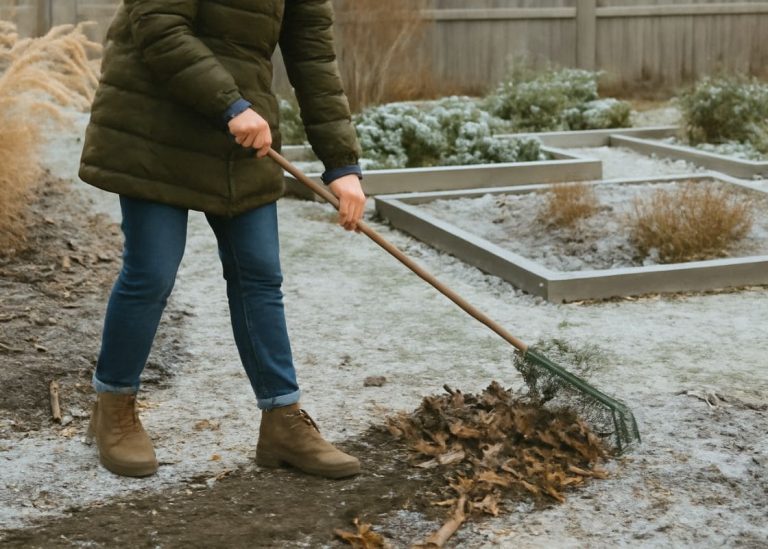
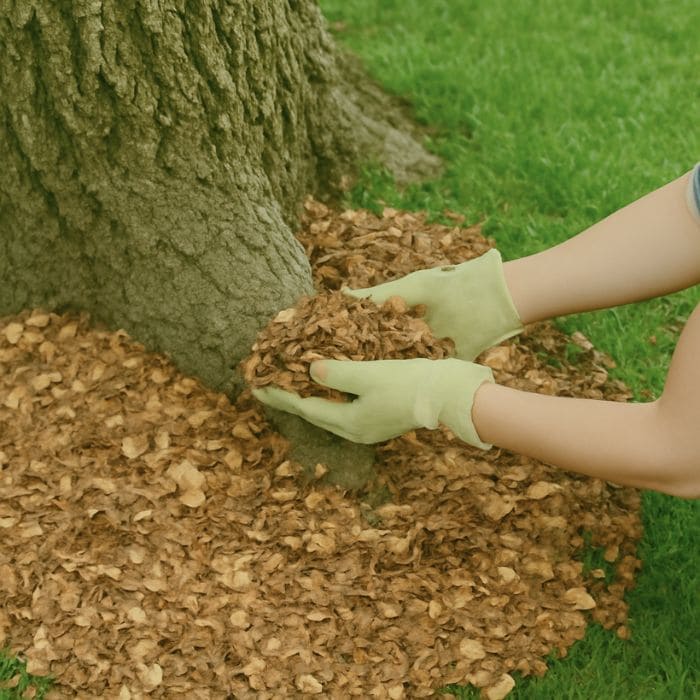
In addition, I cover the ground with a comfortable layer of wood chips or dried leaves every fall, letting the mulch break down naturally through winter and spring.
Tips: Mulch shouldn’t touch the trunk, so you should leave a small gap to keep the bark dry.
2. Helping the Tree During Harsh Weather
Old trees handle normal rain and sun on their own, but they struggle during long droughts or sudden heat waves. On dry weeks, especially in August, I leave the hose on a slow drip around the outer edge of the canopy.
Therefore, the water can reach the deeper and absorb roots instead of pooling at the trunk. Just water deeply during a heat, you can realize the leaves stay firm, and the tree doesn’t look as stressed.
I also watch the trunk and branches a few times a season. I’m not checking like an expert; I’m just looking for anything unusual, like a section of bark that looks cracked or a branch that suddenly dries out.