The Silent Beauty of My Garden in Winter
November in Chicago always marks the beginning of a quieter season in my backyard. The last of the autumn leaves cling to the branches, the mornings feel colder, and the air carries a certain stillness that wasn’t there just a month before.
Most people look at the garden this time of year and see an ending, a space going to sleep, losing color, and waiting for spring to return.
I used to think that way too. But the longer I garden, the more I understand that winter has its own kind of beauty. It’s not bold like spring or full of energy like summer. It’s softer, quieter, and easy to overlook if you don’t slow down enough to see it.
What I Notice Most in Winter
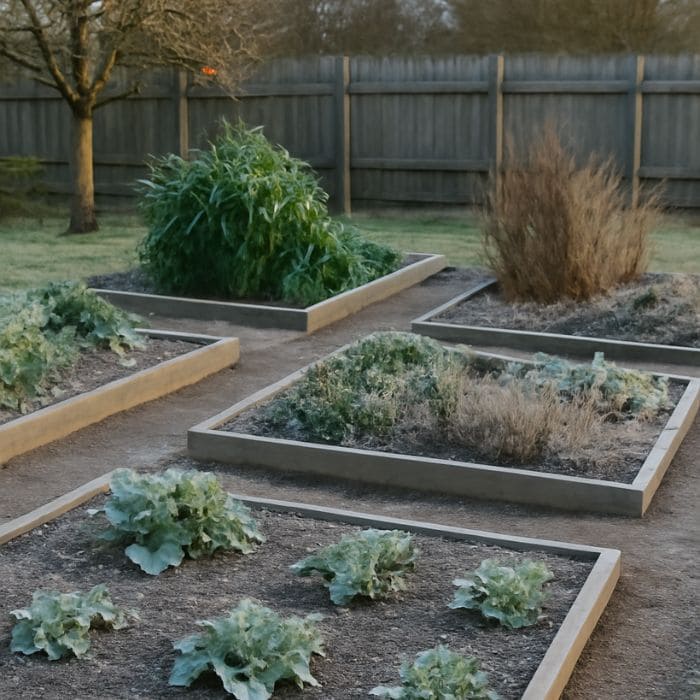
On cold mornings, when I step outside with a warm mug in my hands, the yard feels completely different. The beds that were once bursting with vegetables now sit bare and calm. The orchard corner looks simple and open without the summer foliage. Even the herb ladder, which is always full during warmer months, rests quietly with only a few hardy herbs still holding on.
The beauty in winter is in the small things. I can see frost settles on the soil, the sound of dried leaves moving in the wind, the soft light that falls across the empty beds, and the way branches look more defined without the distraction of greenery.
I often walk along the garden paths and feel a sense of peace that’s hard to find during the busy growing season.
How I Care for the Garden in the Cold Months
Even though winter feels restful, it still requires attention. Plants might be sleeping but a sleeping garden is still a living one.
Protecting the soil
Once the beds are cleared, I cover the soil with mulch, dried leaves, or straw. This helps protect it from freezing too quickly and keeps it from eroding. I think that soil needs just as much care in winter as it does in summer.
Caring for young trees
The orchard corner is especially important. Young trees are more sensitive to harsh winds, so I wrap the trunks with breathable tree guards to prevent cracking and keep the bark from getting damaged during sudden temperature drops.

Watering before freezes
On dry weeks, I water the soil lightly before a big freeze. Moist soil holds warmth better than dry soil, and this small step protects the roots of perennials.
Watching for winter sun stress
Some evergreens and hardy herbs can suffer from direct winter sunlight on very cold days. If I notice browning or drying, I shift them slightly or add a bit of shade cloth to reduce the intensity.
Supporting the birds
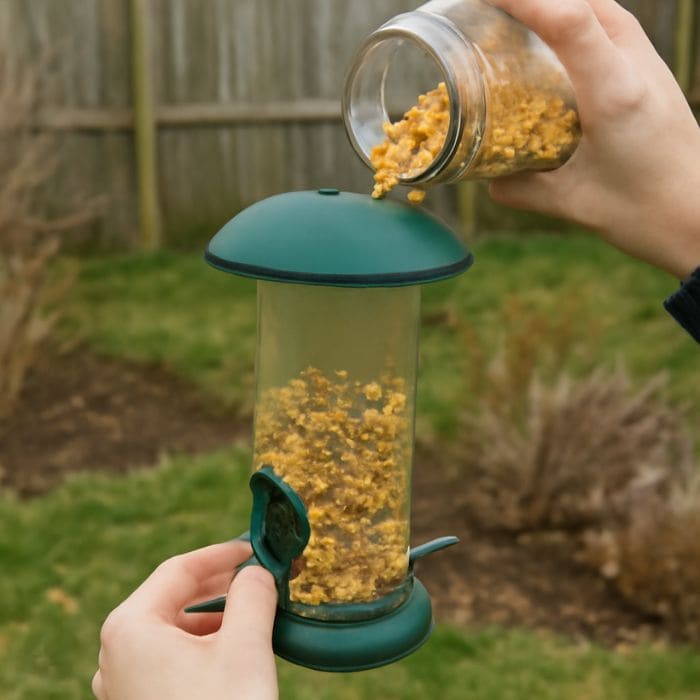
I scatter a small amount of seed or refill bird feeders. Birds help control pests in spring, and watching them move through the yard adds movement to the sleepy winter garden.
The Quiet Beauty Everyone Overlooks
People often say that winter is the hardest time for gardeners because there’s nothing to grow or harvest. But I think winter teaches a different kind of appreciation. When the garden is stripped down to its basics, you begin to notice things that went unseen during the busy months.
The structure of the garden becomes more visible – the lines of the raised beds, the curve of the pathways, the shapes of the branches, and the colors in the bark that you never notice when leaves are in the way.
Even the empty trellis looks meaningful because it reminds me of what grew there during the summer and what will grow again.
So Many Lessons Winter Teaches Me
Each winter, I find myself learning the same lesson in different ways. Sometimes it looks like resting, storing energy, or simply waiting for better days. Plants do this every year without apology, and somehow that reminder always reaches me too.
There are many weeks in November and December when the garden barely changes, yet those weeks are essential. Roots recover, soil settles and even trees prepare for the next burst of leaves.
Small Winter Routines I Enjoy
Winter gives me time to slow down and enjoy the garden in simple ways:
- Walking through the yard even when there’s no task to do.
- Checking on perennial plants.
- Planning for spring.
- Cleaning and organizing tools.
- Sitting outside for a moment of calm.
Even on cold afternoons, the fresh air helps me reset, and the stillness feels comforting. These routines help me stay connected to the garden during months when most people ignore theirs.