My Simple Routine for Keeping Houseplants Alive and Happy
There was a time when I loved the idea of having houseplants but felt nervous every time I brought one home. Some of them grew just fine, but others would slowly fade even though I tried my best.
The more plants I collected, the more I realized that caring for them wasn’t about luck, it was about rhythm.
Plants respond well to consistency, and once I settled into a simple routine, everything became easier. My home felt more alive, and the plants that used to struggle started growing confidently again.
This routine is not complicated. It fits naturally into my weeks, and most of it happens without much thought.
Monday: A Calm Start with a Quick Check
Mondays are usually busy, so I needed a plant routine that didn’t add stress. On Monday mornings, after my first cup of tea, I walk through the house and do a quick check on the plants.
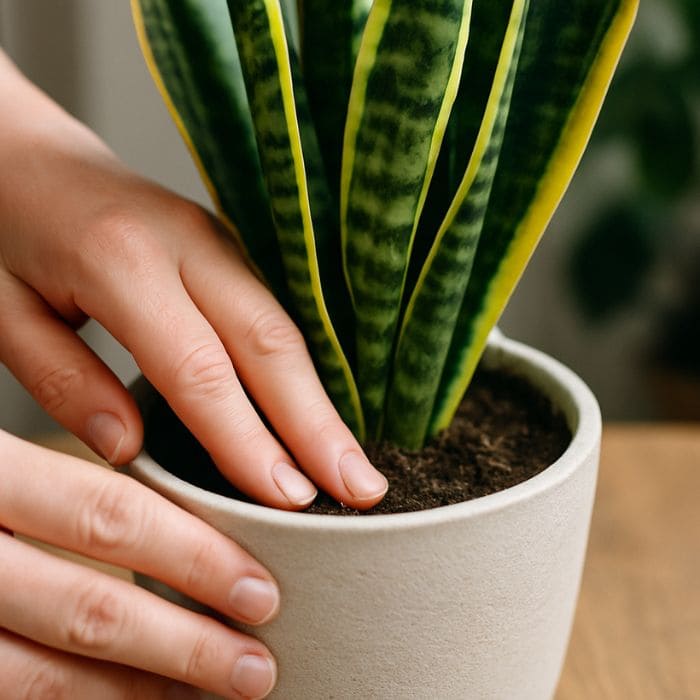
I start by pressing the soil with my fingers instead of guessing how wet or dry it is. This small habit alone saved the lives of more plants than I can count.
If the soil feels dry about an inch down, I set the plant aside for watering later in the day. If the soil is still slightly damp, I leave it alone. This helps prevent overwatering, which used to be my biggest mistake.
My peace lily taught me this the hard way – I watered it so often that its leaves drooped even more. Once I learned to feel the soil rather than follow a calendar, it perked back up.
I also lightly lift smaller pots such as my pothos or snake plant. A light pot usually means the soil is dry. A heavier pot means the roots still have enough moisture.
This quick check is easy to remember and makes a big difference for plants that prefer drying out between waterings, especially snake plants and ZZ plants.
Wednesday: The Rotate-and-Refresh Habit
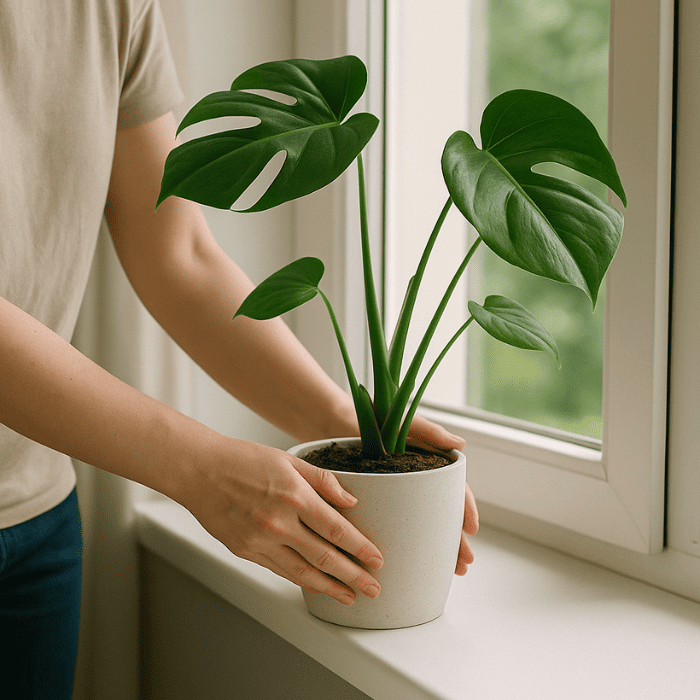
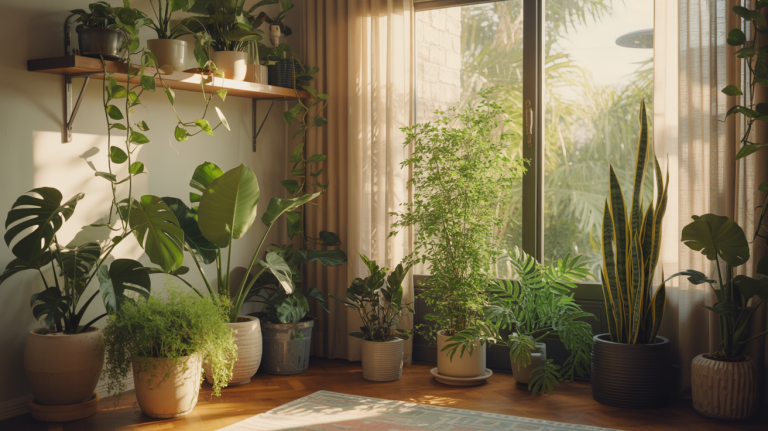
By midweek, most of my plants have already started leaning toward the light. Even though my Chicago house gets good sunlight, it isn’t always even, so rotating the plants helps them grow straight and strong.
On Wednesdays, while I walk past the shelves or window ledges, I gently turn each pot a little. My monstera especially benefits from this because its large leaves always shift toward the brightest part of the room.
Besides rotating, I take a moment to look at the leaves closely. I check the undersides of my pothos vines for any tiny pests and wipe any dust from the monstera with a soft cloth.
The leaves look brighter afterward, and I can tell they absorb more light. This midweek habit takes less than ten minutes, but it helps me catch small issues before they become big problems.
Sometimes my mom stops by during the week, and when he sees me turning the pots, he jokingly says, “These plants get more attention than people.” I always laugh, but the truth is that attention makes a difference. Plants communicate through their leaves long before they show serious problems.
Weekends: Watering, Cleaning, and Deep Care
Weekends are when I take my time with the plants. It has become a peaceful part of my routine, like resetting the home for the week ahead.
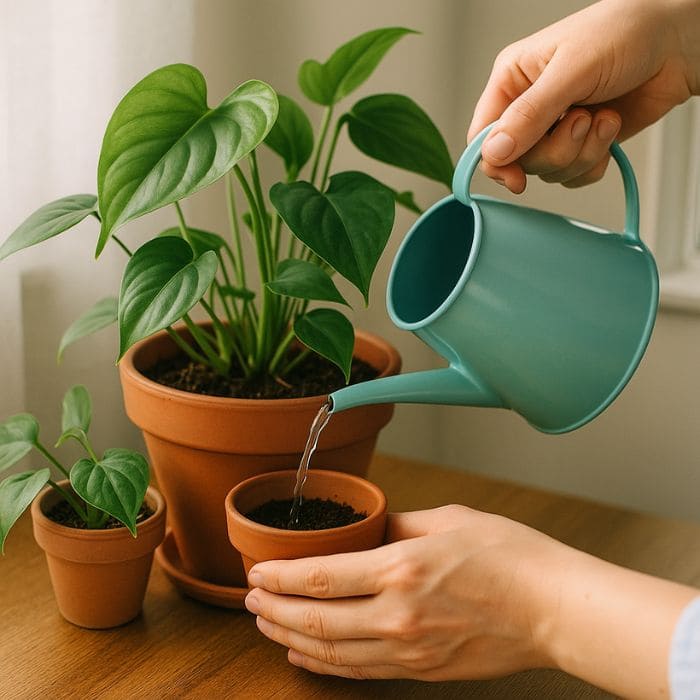
I start by watering the plants that need deep moisture. Instead of giving them small sips throughout the week, I water them thoroughly until the water drains out of the bottom of the pot.
My monstera and philodendrons love this treatment, especially during growing season. For plants that prefer dryness, like my snake plant and ZZ plant, I still check the soil carefully before watering because they can go longer without it. Snake plants especially dislike wet soil, so I only water them every few weeks, depending on how dry the pot feels.
After watering, I take time to wipe down broad leaves such as those on the monstera or peace lily. I’ve noticed that clean leaves almost always grow faster.
I also use weekends to check for any roots pushing out of drainage holes or soil pulling away from the edges of the pot. When that happens, I know it’s time to repot. I don’t repot often, but when I do, I choose a pot just one size bigger so the plant doesn’t feel overwhelmed with too much new soil.
My personal tip: You can use a small cloth to remove dust so that the plant soak up sunlight more effectively.
Light Adjustments Throughout the Year
Chicago sunlight changes a lot with the seasons, so I adjust plant locations whenever I need to. In winter, the days are shorter, and the sun sits lower in the sky.
Because of that, I move my pothos and philodendrons closer to the east-facing windows where they get the most morning light. My snake plant stays in a bright corner because it handles low light but still grows better with indirect sun.
In summer, I shift certain plants away from direct afternoon light to prevent leaf burn. My peace lily especially appreciates this, since its leaves are sensitive to strong sun. Making these adjustments has helped me prevent many issues such as yellowing leaves or overly leggy stems.
Taking monthly photos has become one of my favorite activities. It sounds simple, but when I compare a photo from early spring to one from midsummer, I can see exactly how much a plant has grown or how much it’s struggling.
Feeding the Plants Gently and Consistently
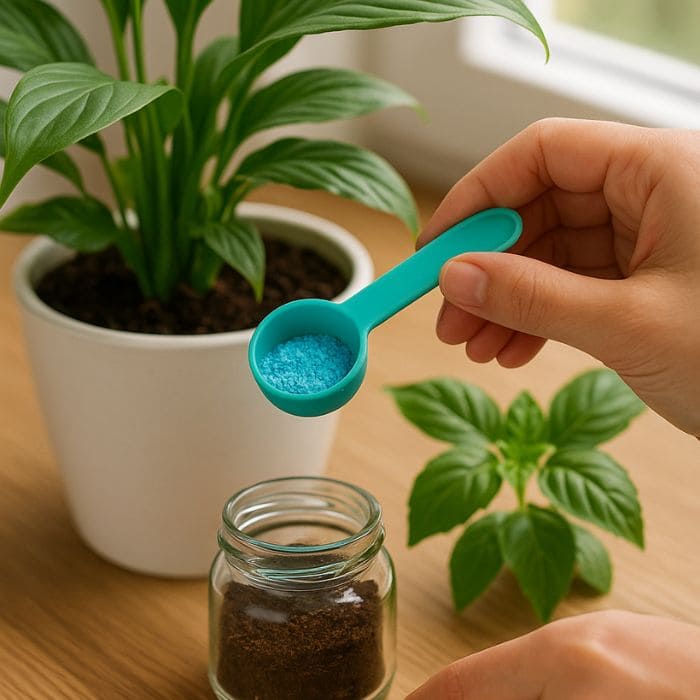
I imagined I could accidentally burn the roots or give too much. But once I found a routine, feeding the plants felt much more manageable.
Every six weeks, I mix a small amount of water-soluble fertilizer into my watering can for the plants that are actively growing. I dilute it more than the package recommends, especially for sensitive plants like my peace lily, because they respond better to gentle feeding than to strong doses.
What matters most is never adding fertilizer to completely dry soil because that can shock the roots. I water lightly first, then fertilize.
For ferns and moisture-loving plants, I sometimes add a tiny amount of compost to the top layer of soil once each season. It breaks down slowly and improves the moisture level naturally.
Winter: The Season of Rest
During winter, of course I slow my routine down. Plants grow more slowly because sunlight is limited, and my home stays cooler. I water less often, avoid fertilizer, and hold off on repotting until spring. This rest period actually helps the plants stay strong when the growing season returns.
My snake plant and ZZ plant almost sleep through winter. My monstera gets quieter too, and I don’t worry if new leaves take longer to appear. When spring arrives, the growth always returns, and the plants reward that patience with fresh energy.