I Finally Got My Roses to Bloom After 3 Failed Attempts
There is a rose bush in my garden that has taught me more about persistence than any other plant I’ve grown. I planted it because I loved its soft blush-pink petals and the way the blooms looked in the photos online.
It is a Blushing Knock Out rose, a type known for being hardy and generous with flowers. So I assumed it would be one of the easiest plants to care for. That confidence didn’t last long.
For two years, the rose grew leaves and stems, yet not a single flower opened. The plant stayed alive, but it never gave me anything more than green foliage. I kept waiting for a change, checking for buds every week, then every month, but nothing happened.
My First Attempt: Store-Bought Fertilizer
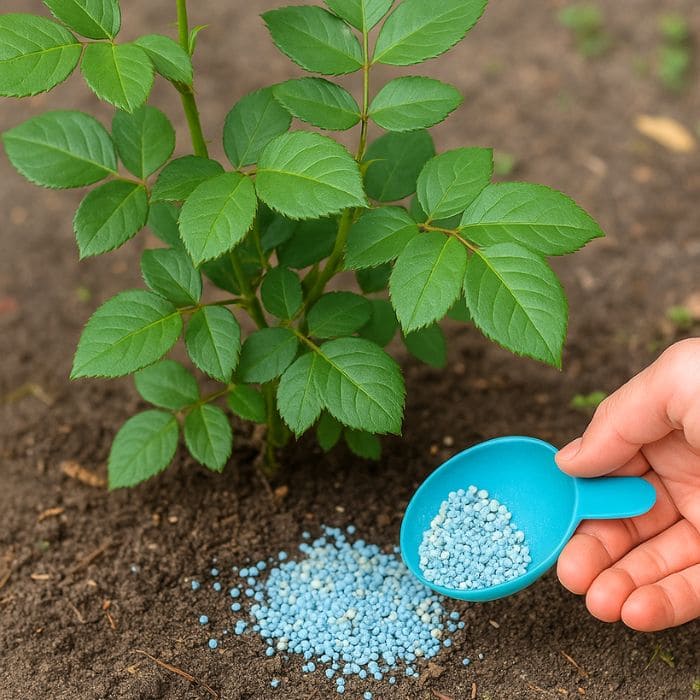
During the first year, I tried what most gardeners try when a plant refuses to bloom. I went to the store and bought a bloom booster fertilizer that promised explosive flowering. The bright packaging made it look like all I needed to do was sprinkle it around the base and wait for magic.
So I followed the instructions, watered it in, and waited. For a few weeks, nothing changed. Then the plant produced a single tiny bud that dried up before opening. After that, it went back to producing plain green leaves.
I kept applying the fertilizer for several months because I thought maybe it needed time. Yet every new flush of growth looked exactly the same.
The fertilizer didn’t hurt the plant, but it also didn’t give me what I wanted. When winter arrived, I cut it back lightly and hoped the next year would be different.
Second Attempt: Pruning and Perfect Positioning
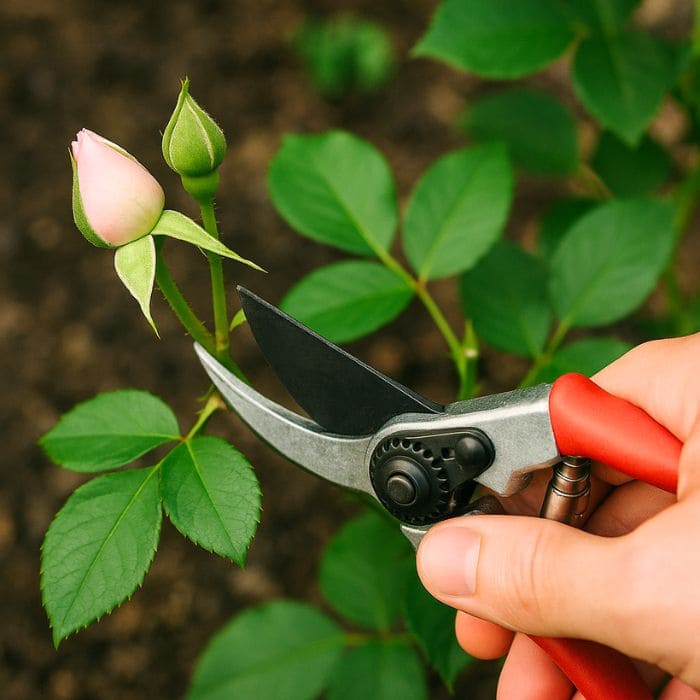
The next spring, I decided that maybe the issue was sunlight. Roses need a lot of light, so I moved the pot closer to the center of the garden where it received at least six hours of direct sun. I also studied pruning guides, because everyone said proper trimming encourages roses to bloom.
I cut at a 45-degree angle above outward-facing buds. I removed old woody stems. Then I shaped the plant with care so air could flow through. The rose looked neat and ready for a fresh start.
Over the next few months, the plant responded with quick new growth. It filled out nicely, and I felt hopeful again. The stems were strong, and the leaves were a deep glossy green, which usually signals that a rose is happy.
Yet even with a perfect pruning routine and full sunlight, there were still no blooms. The plant looked healthy, but it refused to show any sign of flowers. That summer, I accepted that my second attempt had failed.
The Turning Point: A Simple Article and a New Recipe
My third attempt started in a very simple way. I was reading a gardening article in an online newspaper. One sentence caught my attention: “Roses respond well to organic matter, especially when the soil lacks richness.”
I had focused so much on fertilizer and pruning that I never checked the soil itself. The plant had been in the same pot for almost two years, and the soil was probably tired. So it didn’t matter how much fertilizer I added; the soil needed a deeper boost.
The article mentioned that used coffee grounds can help enrich soil because they add nitrogen and organic material. I drink coffee every morning, so it felt like a convenient way to refresh the pot.
Preparing the Soil Again
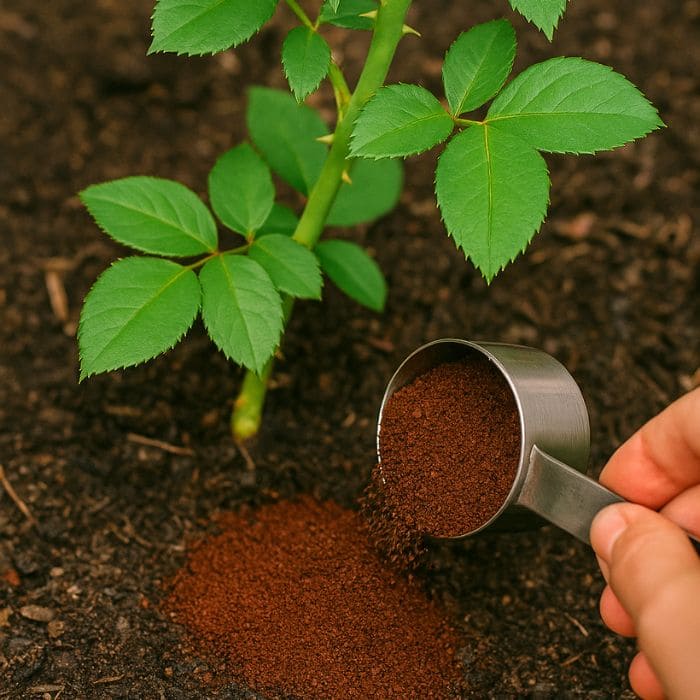
I approached the process step by step:
- I loosened the top few inches of soil with my hands.
- I mixed a small amount of compost into the top layer.
- I sprinkled about two tablespoons of dried coffee grounds around the base.
- Finally, I watered everything lightly to help it settle.
I repeated this routine every two weeks for about two months. The soil suddenly looked richer and smelled fresher. I could tell the plant appreciated it because the leaves turned even darker and the stems grew thicker than before.
My personal tips: Just use a small amount, because too much coffee can make the soil acidic.
The Moment the Buds Finally Appeared
One morning, as I was doing my usual walkthrough, I leaned down to check the rose and noticed something different. A small round bud had formed at the tip of a branch. It wasn’t a leaf as it had that tight, clustered look that roses have before they open.
I didn’t want to assume anything, yet over the next week, more buds appeared on different stems. For the first time in two years, the plant was preparing to bloom.
The combination of compost, coffee grounds, and refreshed soil made the rose strong enough to produce flowers. After waiting so long, seeing those buds felt like a small victory.
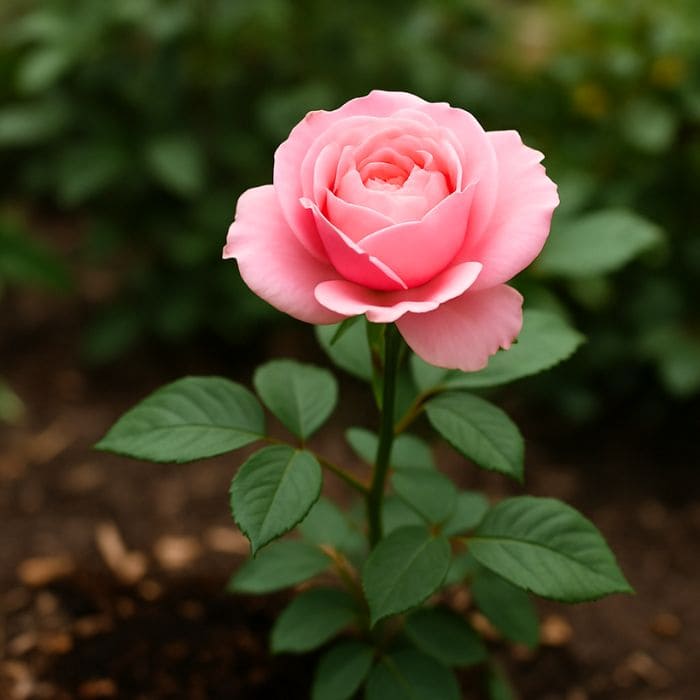
When the first flower finally opened, the petals were soft pink with a gentle fragrance. It looked exactly like the picture on the plant tag, and for a moment I couldn’t do anything but stare at it.
So Many Lessons I Learned Through Three Attempts
This experience taught me something simple: sometimes the solution is not in complicated steps or expensive products. Sometimes a plant just needs better conditions at the root level.
The rose didn’t bloom because the soil had become poor over time. Even though the leaves looked fine, the plant didn’t have enough strength to produce flowers.
The rose bush sits in a sunny spot now, and each season it gives me a new flush of blooms. Every time it blossoms, I think about how close I came to giving up. If I had done that, I would’ve missed one of the most rewarding parts of my garden.